If you use a floor jack regularly, you know how important it is to keep it working smoothly. But did you know that adding hydraulic fluid is one of the easiest ways to keep your jack in top shape?
Without the right fluid, your jack might not lift properly or could even get damaged. In this guide, you’ll learn exactly how to put hydraulic fluid on your floor jack quickly and safely. By the end, you’ll have the confidence to maintain your jack like a pro and avoid costly repairs.
Keep reading to make sure your floor jack always performs when you need it most.
Preparing Your Floor Jack
Before adding hydraulic fluid, prepare your floor jack carefully. Proper preparation helps avoid damage and ensures smooth operation. Take time to set up your workspace and gather what you need. Safety is very important. Follow simple steps to get ready.
Gather Necessary Tools And Materials
Collect all tools before starting. You will need hydraulic fluid made for floor jacks, a clean funnel, and a rag. Have a flashlight handy to see inside the jack. Prepare a small container to catch any spills. This saves time and keeps the area clean.
Ensure Safety Measures
Work on a flat, stable surface. Wear gloves to protect your hands from fluid. Keep the jack away from children and pets. Make sure the jack is lowered completely. Avoid smoking or open flames near the fluid. Safety prevents accidents and keeps you safe.
Locate The Hydraulic Fluid Reservoir
Find the reservoir cap on the floor jack. It is usually near the handle or base. Clean around the cap to stop dirt from entering. Use a flashlight if needed. Open the cap slowly to release any pressure. Knowing the reservoir location makes refilling easier.

Credit: www.wikihow.com
Draining Old Hydraulic Fluid
Draining old hydraulic fluid is an important step before adding new fluid to your floor jack. Old fluid can contain dirt and debris that harm the jack’s performance. Removing it helps keep your jack working smoothly and safely. Follow these steps carefully to drain the fluid without making a mess.
Position The Floor Jack Correctly
Place the floor jack on a flat, stable surface. Keep it lowered to avoid spills. Use blocks or a stand to secure it if needed. This position makes draining easier and safer.
Remove Drain Plug
Locate the drain plug at the base of the jack’s hydraulic reservoir. Use a wrench to loosen the plug slowly. Let the old fluid flow out into a container. Avoid tipping the jack to prevent spills.
Dispose Of Old Fluid Properly
Collect the used fluid in a sealed container. Do not pour it down drains or on the ground. Take it to a recycling center or hazardous waste facility. Proper disposal protects the environment and follows local laws.
Adding New Hydraulic Fluid
Adding new hydraulic fluid to your floor jack is essential for its smooth operation. The fluid helps the jack lift heavy loads safely. Without enough hydraulic fluid, the jack will not work properly. This section shows you how to add fluid the right way.
Select The Right Hydraulic Fluid
Choose hydraulic fluid made for floor jacks. Check the user manual for the correct type. Using the wrong fluid can damage the jack. Most jacks require a specific grade or type. Stick to the recommended fluid for best results.
Pour Fluid Slowly
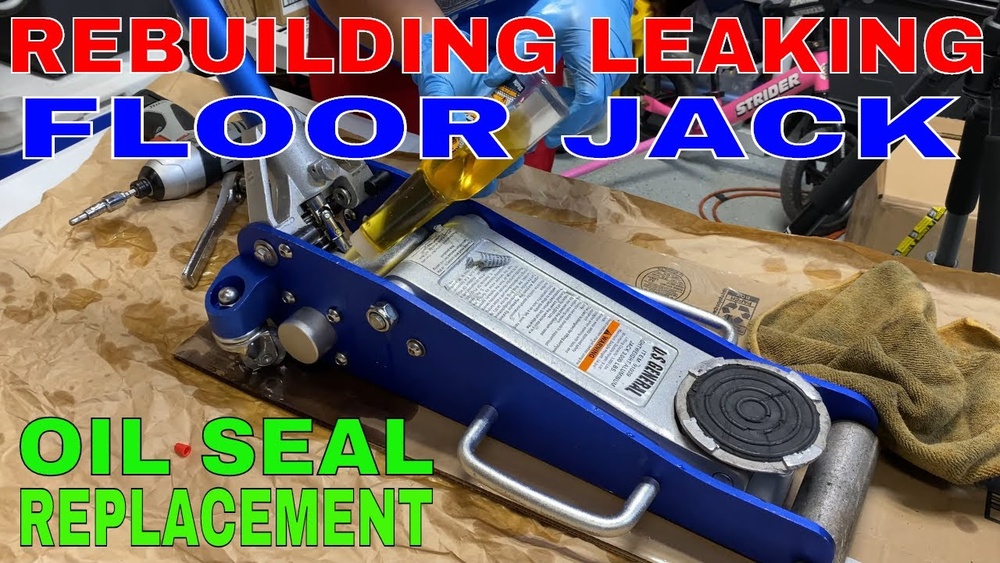
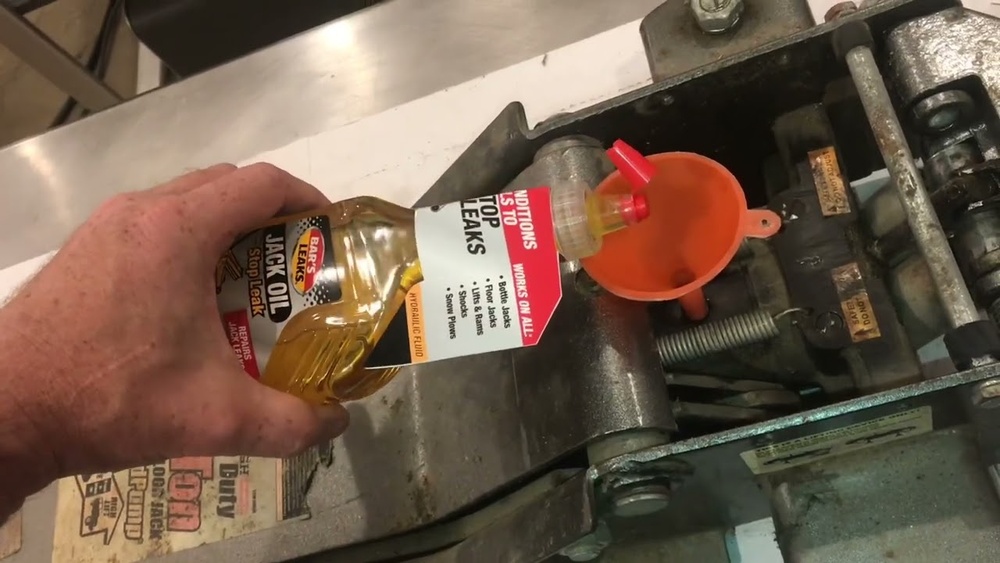
Open the jack’s reservoir carefully. Pour the hydraulic fluid slowly into the opening. Pouring too fast can cause spills and air bubbles. Air bubbles reduce the jack’s lifting power. Take your time to avoid making a mess.
Avoid Overfilling
Stop pouring when the fluid reaches the fill line. Overfilling can cause leaks and damage the jack. Use a clean cloth to wipe any spills. Check the fluid level again after a few uses. Keep the fluid level within the recommended range.

Credit: www.youtube.com
Bleeding Air From The System
Bleeding air from the system is a key step when adding hydraulic fluid to a floor jack. Air trapped inside can cause the jack to work poorly or lose pressure. Removing air ensures smooth operation and better lifting power.
This process helps the jack perform reliably and safely. Follow these steps carefully to clear the air from the hydraulic system.
Pump The Jack Slowly
Begin by pumping the jack handle slowly. This moves the fluid through the system and pushes air out. Slow pumping lets trapped air escape without causing damage. Stop pumping once you feel resistance increase.
Check For Air Bubbles
Next, look closely at the fluid reservoir. Air bubbles may appear floating on top. These bubbles show air is still inside the system. Watch carefully after each pump to spot bubbles early.
Repeat As Needed
Keep pumping and checking for bubbles until none appear. This may take several tries. Patience is important to remove all trapped air. Once no bubbles show, the system is properly bled and ready to use.
Testing And Maintenance
Testing and maintenance keep your floor jack safe and working well. Regular checks help find small problems early. This saves money and time later. Follow these steps to care for your jack after adding hydraulic fluid.
Check For Leaks
Look under and around the jack for wet spots. Hydraulic fluid leaks can cause poor performance. Clean the jack first, then watch for new drips. Fix leaks quickly to avoid damage or accidents.
Test Jack Operation
Lift a small load with the jack to test it. The jack should lift smoothly without strange noises. If it feels weak or jerky, check the fluid level again. Proper operation means the fluid is working right inside.
Schedule Regular Fluid Checks
Set a date each month to check hydraulic fluid levels. Low fluid can cause the jack to fail when needed. Top off the fluid if it looks low or dirty. Regular checks keep your jack ready for use anytime.

Credit: www.wikihow.com
Frequently Asked Questions
How Do I Add Hydraulic Fluid To A Floor Jack?
First, locate the fluid fill plug on your floor jack. Remove it carefully, then pour the recommended hydraulic fluid slowly. Fill until the fluid reaches the correct level. Replace the plug securely. Avoid overfilling to ensure safe and efficient jack operation.
What Type Of Hydraulic Fluid Is Best For Floor Jacks?
Use only the hydraulic fluid specified by the floor jack manufacturer. Most jacks require high-quality jack oil or hydraulic fluid. Avoid using brake fluid or motor oil. Using the correct fluid ensures proper lubrication and prevents damage to the jack’s internal components.
How Often Should I Change Hydraulic Fluid In A Floor Jack?
It’s best to change hydraulic fluid annually or after heavy use. Check the fluid level regularly and replace if it looks dirty or contaminated. Fresh fluid maintains optimal jack performance and extends its lifespan by preventing rust and corrosion inside the system.
What Are Signs My Floor Jack Needs Hydraulic Fluid?
If your floor jack is slow to lift, won’t hold pressure, or feels spongy, it may need more hydraulic fluid. Low fluid levels reduce lifting power and can cause leaks. Check fluid levels and top up to restore proper function.
Conclusion
Proper hydraulic fluid helps your floor jack work smoothly. Always check the jack’s manual before adding fluid. Use the right type and amount of fluid to avoid damage. Keep the area clean to prevent dirt from entering. Regular maintenance extends your jack’s life and safety.
Follow these steps for easy and safe fluid replacement. Your floor jack will lift heavy loads with less effort. Simple care keeps tools ready for any job.