Have you ever struggled to remove Command hooks from your walls without leaving a mark or damaging the paint? You’re not alone.
Those handy hooks are perfect for hanging things, but getting them off can feel tricky and frustrating. The good news is, with the right steps, you can take them down cleanly and easily. Keep reading to discover simple, effective tips that will help you protect your walls and save you time and stress.
Your walls will thank you!

Credit: www.youtube.com
Tools You’ll Need
Removing Command hooks can be easy with the right tools. Having the correct items helps avoid damage to your walls. Gather a few things before you start. This saves time and makes the task smooth.
Household Items
Start with items found at home. A hairdryer helps soften the adhesive. Warm air makes the strip easier to pull. Use dental floss or fishing line to slide behind the hook. These thin tools cut through the adhesive gently. A plastic card, like a credit card, helps pry the hook from the wall. Keep a clean cloth nearby to wipe any residue.
Specialized Tools
Some tools are made for wall care. A putty knife or a plastic scraper works well. These tools lift edges without scratching. Adhesive remover sprays dissolve sticky residues safely. Use them only on small spots. Gloves protect your hands from chemicals. Choose tools that fit your wall type for best results.
Preparing The Area
Preparing the area before removing Command Hooks helps protect your walls and makes the process easier. Taking time to get ready reduces damage and keeps the space clean. Follow these simple steps to prepare the space carefully.
Clear The Surrounding Space
Remove any objects near the Command Hook. This prevents accidental damage to items or walls. Clear shelves, tables, and floors around the hook. Give yourself enough room to work comfortably. A clean area helps you focus and avoid mistakes.
Protect The Wall Surface
Place a soft cloth or towel under the hook. This catches any falling debris or adhesive pieces. Use painter’s tape around the hook to shield the wall. This prevents paint or wallpaper from peeling. Protecting the surface keeps your walls looking good after removal.
Removing Command Hooks Safely
Removing Command hooks safely is important to avoid wall damage. These hooks use strong adhesive strips that stick tightly. Pulling them off too fast can peel paint or leave marks. Using gentle methods helps protect your walls and keeps surfaces clean. Follow these easy steps to take down hooks without harm.
Slow Pull Method
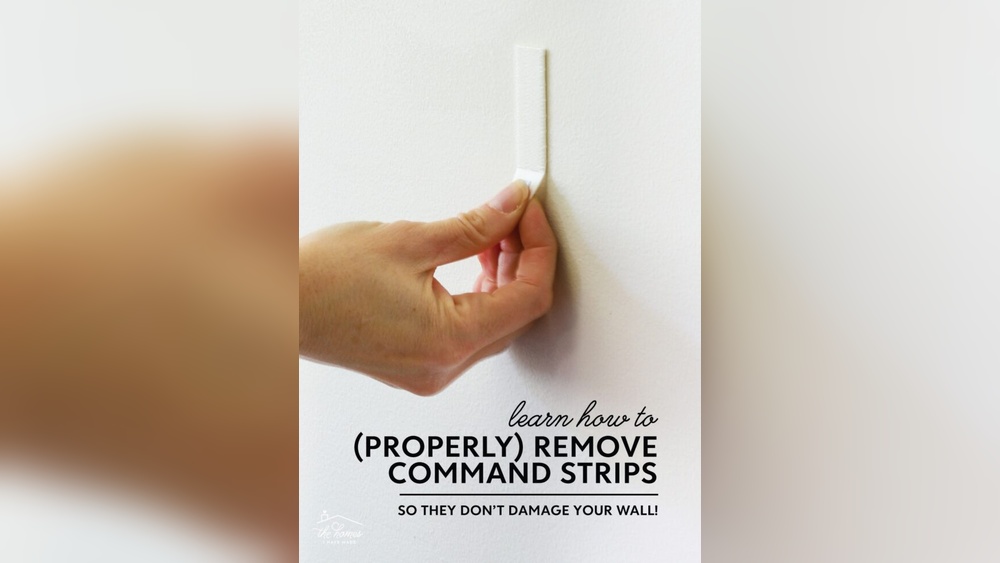
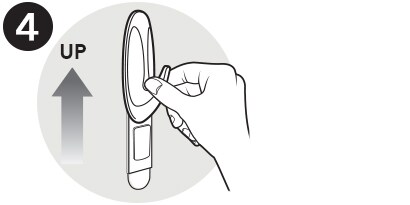
Start by holding the hook firmly. Pull the adhesive strip slowly straight down. Stretch the strip along the wall, not away from it. This slow stretch releases the glue gently. Avoid quick or sharp pulls to prevent wall damage.
Use Warm Soapy Water
Mix warm water with a little dish soap. Dip a cloth in the solution and apply it near the hook base. Let the water soak for a few minutes. This softens the adhesive and makes removal easier. Use this method if the strip feels too sticky.
Apply Heat With A Hairdryer
Set a hairdryer to low or medium heat. Warm the adhesive strip for about 30 seconds. Heat loosens the glue’s grip on the wall. Gently pull the strip after warming it. This method works well on painted or wallpapered surfaces.
Credit: www.commandbrand.com.au
Dealing With Residue
After removing Command hooks from the wall, sticky residue often remains. This leftover adhesive can attract dust and dirt. It also looks messy and can damage paint if not handled well. Getting rid of this residue is important for a clean, smooth wall surface.
Several easy methods help remove this sticky residue. Choose one based on the supplies you have at home. Each method works well without harming most wall paints.
Use Rubbing Alcohol
Dab a small amount of rubbing alcohol on a cloth. Gently rub the sticky area with the cloth. The alcohol breaks down the adhesive, making it easier to wipe away. Wipe the area with a clean, damp cloth afterward to remove any leftover alcohol. Repeat if needed until the residue disappears.
Try Vinegar Solution
Mix equal parts white vinegar and water in a spray bottle. Spray the solution on the sticky residue. Let it sit for a few minutes to soften the adhesive. Use a soft cloth or sponge to rub the area gently. Rinse with a damp cloth to clear any vinegar smell. This natural method works well for light adhesive marks.
Commercial Adhesive Removers
Purchase an adhesive remover from a hardware store. Follow the instructions on the product label carefully. Apply a small amount to a cloth, then rub the residue gently. These removers are made to dissolve sticky substances quickly. Clean the wall with water and a soft cloth after use. Test the product on a hidden spot first to avoid damage.
Tips To Avoid Wall Damage
Removing Command Hooks without damaging your walls is possible. It needs care and the right method. Use simple tips to protect your paint and drywall. These steps help you keep your walls smooth and clean after removing hooks.
Pulling At The Right Angle
Pull the hook strip slowly and gently. Hold the strip close to the wall. Pull straight down, not outward or sideways. This way, the adhesive stretches and releases without pulling paint. Keep steady pressure to avoid tearing the wall surface.
Avoiding Sharp Objects
Do not use knives or sharp tools to remove the hook. Sharp objects can scratch or gouge the wall. Use your hands or a soft cloth to peel the strip. If needed, warm the adhesive with a hairdryer first. This softens glue and makes removal easier.
Cleaning After Removal
After the hook is off, clean the wall gently. Use a damp cloth with mild soap to remove any residue. Avoid scrubbing hard to keep paint intact. Let the wall dry before hanging new items or painting. Clean walls look fresh and ready for new hooks.
Alternative Removal Techniques
Removing Command Hooks can be tricky sometimes. The usual pull-tab method works well, but not always. Alternative removal techniques can help take off the hook without damaging the wall. These methods use simple tools and easy steps. They are gentle on paint and wallpaper.
Using Dental Floss
Dental floss works like a thin wire. Slide it behind the Command Hook adhesive strip. Move it back and forth in a gentle sawing motion. This action helps break the adhesive bond. Keep the floss close to the wall surface. It prevents peeling off paint or drywall. This method is effective for flat or smooth surfaces.
Freezing The Adhesive
Freezing makes the adhesive hard and brittle. Use an ice pack or a bag of frozen vegetables. Hold it against the Command Hook strip for about 10 minutes. The cold temperature weakens the glue’s stickiness. After freezing, try to peel the strip off slowly. This technique reduces the risk of wall damage. It works best on smaller hooks and low-heat adhesives.
Preventing Future Damage
Preventing damage to walls from Command hooks starts with smart choices. Using the right hooks and installing them correctly helps keep walls safe. It saves time and money by avoiding repairs later. Small steps make a big difference in wall care.
Choosing The Right Hooks
Pick hooks that fit the weight of your items. Use hooks made for your wall type. Lightweight hooks suit small pictures and decorations. Heavy-duty hooks hold bigger, heavier items. Check the package for weight limits. Avoid using hooks too heavy for your walls.
Proper Installation Techniques
Clean the wall surface before applying hooks. Use rubbing alcohol, not soap, for best results. Let the wall dry fully before sticking the hook. Press the hook firmly for 30 seconds. Wait one hour before hanging anything. Follow the instructions on the package exactly.
:max_bytes(150000):strip_icc()/how-to-remove-command-strips-5089679-08-f1a503a270af4f05a47e576b957c8f6b.jpg)
Credit: www.thespruce.com
Frequently Asked Questions
How Do I Safely Remove Command Hooks From Walls?
To remove Command hooks safely, gently pull the adhesive tab straight down. Avoid pulling it outward or at an angle to prevent damage to the wall.
Can Command Hooks Damage Painted Walls?
Command hooks usually don’t damage painted walls if removed properly. Pull the adhesive tab slowly straight down to avoid peeling paint or leaving residue.
What If The Command Hook Adhesive Doesn’t Come Off Easily?
If the adhesive resists removal, apply a little heat using a hairdryer. Warm the adhesive to soften it, then slowly pull the tab downward to remove.
Are There Alternatives To Command Hooks For Damage-free Hanging?
Yes, alternatives include removable adhesive strips, suction hooks, or magnetic strips. These options also prevent wall damage and are easy to remove without leaving marks.
Conclusion
Removing Command Hooks from walls can be simple and safe. Pull the tab slowly to avoid damage. Use heat from a hairdryer to soften the adhesive. Clean the wall gently after removal for a neat look. Taking your time helps keep paint and drywall intact.
This method saves money and keeps walls looking fresh. Try these tips next time you need to remove hooks. Easy, quick, and effective results are possible for anyone.