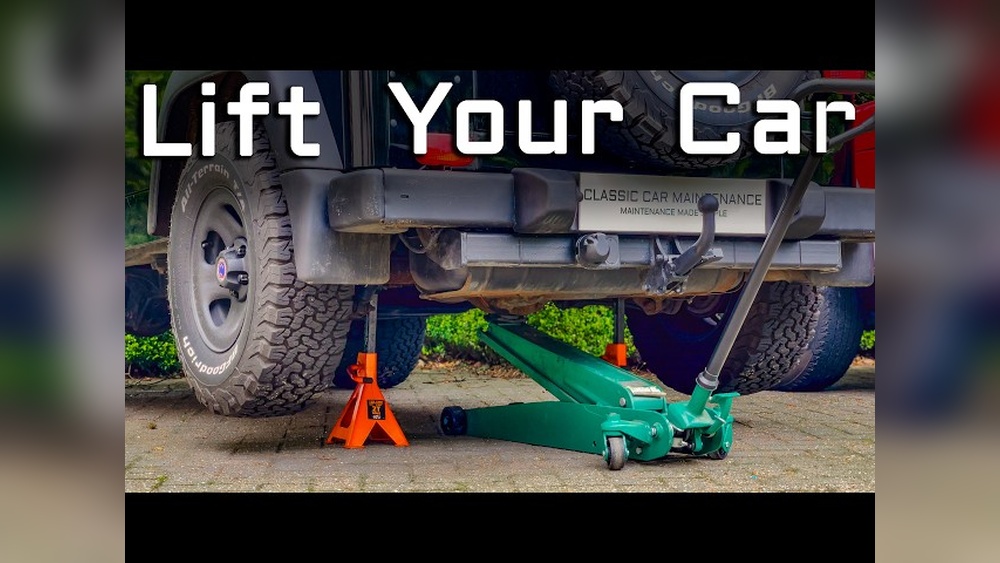
Have you ever struggled with a floor jack that won’t stay put? It can be frustrating and even dangerous when your jack rolls unexpectedly while you’re working.
You need a simple, reliable way to keep your floor jack stable and secure. You’ll discover easy tips and tricks that anyone can use to stop your floor jack from rolling. By the end, you’ll feel confident knowing your jack will stay exactly where you want it—making your work safer and smoother.
Keep reading to find out how!
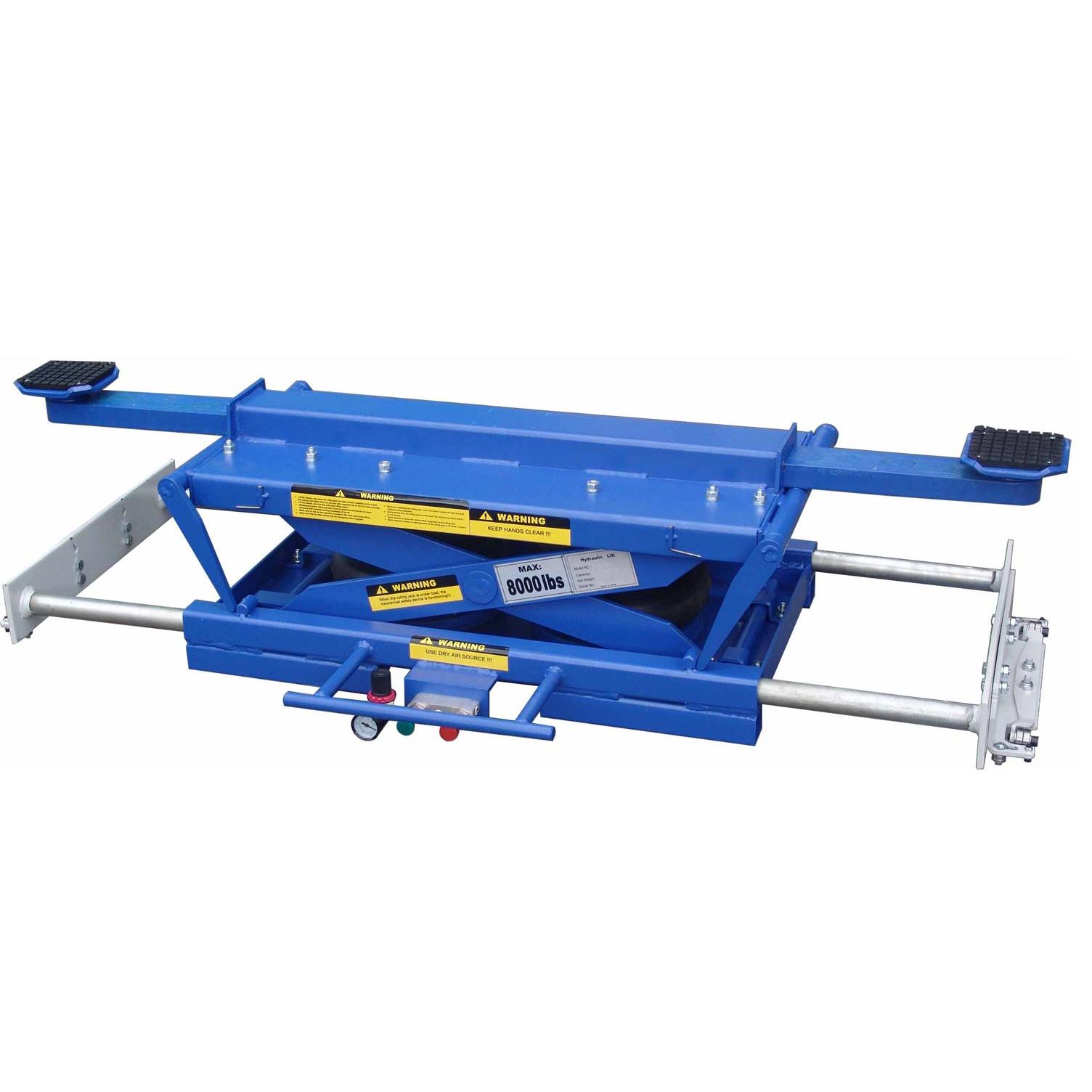
Credit: www.redlinestands.com
Causes Of Floor Jack Movement
Floor jacks can move or roll unexpectedly during use. This movement can cause safety risks and damage to vehicles or property. Understanding what makes a floor jack roll helps prevent accidents. Several common causes lead to floor jack movement. Knowing these will keep your jack stable and secure.
Surface Irregularities
Uneven or rough surfaces make floor jacks unstable. Small bumps, cracks, or debris can cause the jack to shift or roll. Smooth, flat floors provide the best support for floor jacks. Always check the ground before placing your jack to avoid movement.
Improper Jack Placement
Placing the jack in the wrong spot causes slipping and rolling. If the jack sits on an angled or soft area, it can slide. Position the jack under the vehicle’s recommended lift points. Correct placement ensures steady support and reduces movement risk.
Weight Distribution Issues
Uneven weight on the jack causes imbalance and rolling. If the vehicle’s weight is not centered, the jack may tip. Make sure the load is evenly spread across the jack saddle. Balanced weight keeps the jack stable during lifting and holding.
Choosing The Right Floor Jack
Choosing the right floor jack is key to keeping it steady and safe. A good floor jack supports your vehicle well. It stops the jack from rolling during use. Several features help you pick the right one for your work.
Weight Capacity Considerations
Check the jack’s weight capacity before buying. It must hold your vehicle’s weight safely. Using a jack with low capacity can cause it to fail. Always pick one with a higher limit than your car’s weight. This adds safety and keeps the jack stable.
Jack Base Design
The base shape affects how well the jack stays in place. A wide, flat base offers better balance. It spreads the weight evenly and lowers the risk of rolling. Look for a base with rubber pads. They grip the floor and reduce slipping.
Quality And Maintenance
Choose a jack made from strong materials. Steel or heavy-duty metal parts last longer and work better. Clean and oil the jack regularly to keep it smooth. Well-maintained jacks do not slip or roll easily. Check for worn parts and fix them quickly.
Preparing The Work Area
Preparing the work area is the first step to keep your floor jack from rolling. A safe and stable environment helps prevent accidents. Small details in your workspace can make a big difference. Follow these simple steps to get ready before using your floor jack.
Leveling The Surface
Place the floor jack on a flat, even surface. Uneven ground can cause the jack to tilt or roll. Check for slopes or bumps that might affect stability. Use a level tool to confirm the surface is horizontal. A steady base keeps the jack secure and safe to use.
Clearing Debris
Remove any dirt, gravel, or loose items from the area. Debris can block the wheels or cause slipping. Sweep the floor to create a clean working space. A clear area reduces the chance of the jack moving unexpectedly. Clean surroundings improve safety and ease of use.
Using Wheel Chocks
Place wheel chocks in front of and behind the jack’s wheels. These small blocks stop the jack from rolling forward or backward. Choose chocks made of rubber or sturdy plastic. Position them tightly against the wheels for best results. Wheel chocks add an extra layer of security to your setup.
Proper Jack Positioning Techniques
Proper jack positioning techniques are vital for safety and stability. Placing the floor jack correctly stops it from rolling or slipping. You must know the right spots and ways to secure the jack. This helps keep your vehicle steady during any repair or lift.
Aligning With Vehicle Lift Points
Find the vehicle’s designated lift points first. These are usually strong parts under the car. The owner’s manual shows exact locations. Position the jack directly under these points. This alignment prevents damage to your car and keeps the jack stable. Avoid placing the jack on soft or weak areas. This keeps the vehicle balanced during lifting.
Securing The Jack
After positioning, secure the jack to stop rolling. Engage the jack’s locking mechanism if it has one. Use wheel chocks on the vehicle’s opposite wheels. This blocks the wheels and adds safety. Never rely on the jack alone to hold the vehicle. A secure jack reduces risks of accidents and injuries.
Avoiding Slopes
Always use the floor jack on a flat surface. Slopes or uneven ground cause the jack to roll or tip over. If no flat area is available, use wheel chocks on downhill wheels. Make sure the jack base is stable and does not wobble. Avoid lifting on dirt or gravel. Hard, level surfaces offer the best support.
Additional Safety Measures
Keeping a floor jack from rolling is crucial for safety. Taking extra steps can prevent accidents and injuries. Follow these additional safety measures to protect yourself and your work area.
Using Jack Stands
Jack stands provide extra support after lifting a vehicle. Place them under solid points of the car frame. Never rely only on the floor jack to hold the weight. Jack stands keep the vehicle stable and prevent rolling or falling.
Regular Inspections
Check your floor jack for damage before each use. Look for cracks, leaks, or worn parts. Test the wheels to ensure they roll smoothly but don’t slip. Fix or replace faulty parts immediately. Regular inspections keep your jack safe and reliable.
Personal Protective Equipment
Wear gloves to protect your hands from sharp edges and grease. Safety glasses shield your eyes from debris or fluid splashes. Closed-toe shoes prevent foot injuries from falling objects. Proper gear adds a layer of protection during any lifting task.

Credit: store.batteliniwreckersales.com
Common Mistakes To Avoid
Keeping your floor jack from rolling is important for safety. Many people make simple mistakes that cause accidents. Avoiding these errors helps keep your work area safe and your jack stable. Learn about common mistakes to avoid when using a floor jack.
Overloading The Jack
Every floor jack has a weight limit. Putting too much weight on it can cause it to slip or roll. Overloading damages the jack and makes it unsafe. Always check the weight rating before lifting any vehicle. Use a jack that matches the weight you need to lift.
Ignoring Surface Conditions
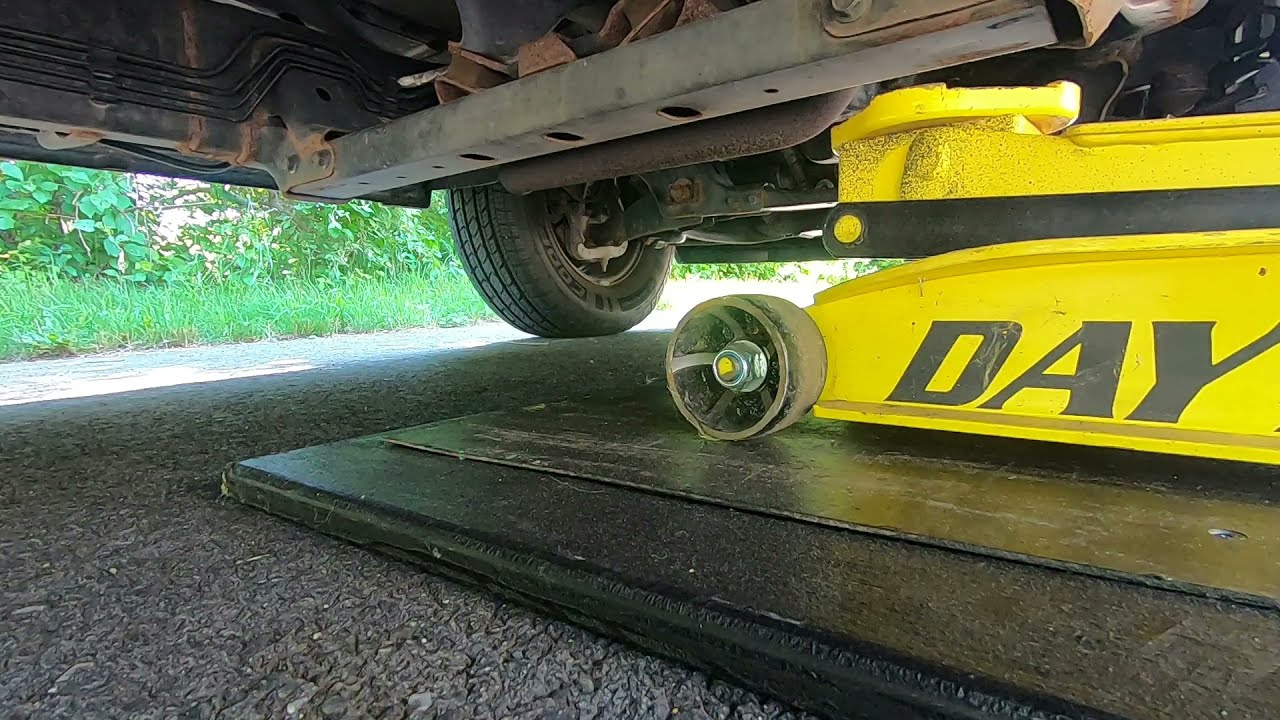
Using a floor jack on uneven or slippery surfaces is risky. Soft ground or slopes can let the jack move or tip over. Always use the jack on flat, hard surfaces. Place a board under the jack if the ground is soft. This keeps the jack steady and prevents rolling.
Skipping Safety Checks
Not checking the jack before use leads to problems. Inspect the wheels, handles, and lifting parts for damage. Make sure the jack moves smoothly and locks securely. Regular maintenance keeps the jack working well and safe. Don’t start lifting without a quick safety check first.
Credit: www.youtube.com
Frequently Asked Questions
How Can I Prevent My Floor Jack From Rolling?
To prevent rolling, always engage the jack’s locking mechanism. Position the jack on a flat, stable surface. Use wheel chocks or blocks to secure nearby tires. These steps keep the jack steady and safe during use.
Why Does My Floor Jack Keep Rolling Unexpectedly?
Floor jacks may roll due to uneven surfaces or worn-out locks. Check if the locking mechanism is fully engaged. Inspect wheels for damage or debris. Using the jack on a flat, clean floor reduces unwanted movement.
What Safety Tips Stop A Floor Jack From Moving?
Always use wheel chocks on vehicle tires before jacking. Engage the jack’s brakes or locks firmly. Avoid using the jack on slopes or uneven ground. These precautions enhance stability and prevent accidents.
Can Wheel Chocks Help Keep A Floor Jack Stationary?
Yes, wheel chocks block the vehicle’s wheels, reducing jack movement. Place chocks on both sides of the tires. This adds extra safety by preventing the vehicle and jack from rolling.
Conclusion
Keeping your floor jack from rolling is simple with the right steps. Use wheel chocks and work on flat surfaces. Always lower the jack fully after use. Check the wheels for damage or wear. Clean the area around the jack to avoid slips.
These small actions keep you safe and your jack steady. Stay careful, and your work will be easier and safer every time. Safety first, always.