Have you ever found yourself stuck because your deadbolt won’t come out of the door? It’s frustrating, especially when you need quick access or want to replace an old lock.
But don’t worry—you’re closer to solving this than you think. In this guide, you’ll learn simple, step-by-step methods to get that deadbolt out without damaging your door or lock. By the end, you’ll feel confident tackling this task on your own, saving time and money.
Ready to unlock the secret? Let’s dive in.
Tools Needed
Removing a deadbolt from a door requires a few basic tools. Having the right tools makes the process simple and safe. Each tool plays an important role in loosening and taking out the deadbolt.
Gather all tools before starting. This saves time and avoids frustration. Use tools carefully to protect the door and lock.
Phillips Head Screwdriver
This tool helps remove screws holding the deadbolt. Most deadbolts use Phillips screws. A screwdriver with a comfortable grip works best.
Flathead Screwdriver
Useful for prying off the faceplate or trim. It can also help in loosening stuck parts gently without damage.
Allen Wrench (hex Key)
Some deadbolts have small hex screws. An Allen wrench set with different sizes fits these screws perfectly.
Pliers
Good for gripping and turning small parts. Pliers help pull out pins or parts that are hard to reach by hand.
Utility Knife
Needed to cut through paint or seal around the lock. It allows easy access to hidden screws or parts.
Identify Deadbolt Type
Identifying the deadbolt type is the first step in removing it from a door. Each deadbolt has a unique design and mechanism. Knowing the type helps choose the right tools and method. It saves time and avoids damage to the door or lock.
Deadbolts mainly fall into a few common categories. These include single-cylinder, double-cylinder, and keypad deadbolts. Each type looks different and works differently.
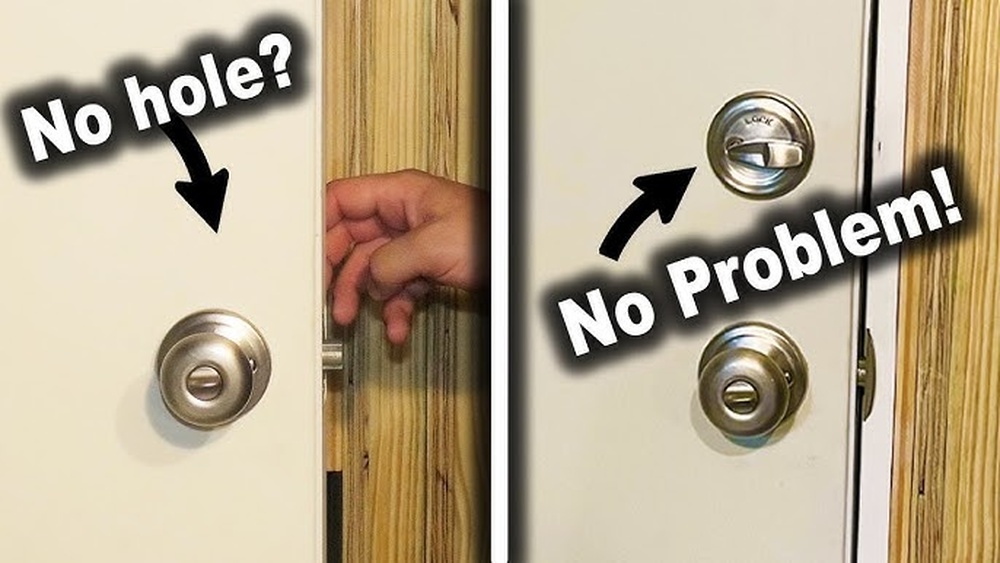
Single-cylinder Deadbolt
This deadbolt has a keyhole on the outside. Inside, it usually has a thumb turn for locking and unlocking. It is the most common deadbolt type. Removing it often involves unscrewing the interior side first.
Double-cylinder Deadbolt
This deadbolt has keyholes on both sides of the door. It does not have a thumb turn inside. It needs a key to lock or unlock from either side. Removing it requires careful handling because of the keys on both sides.
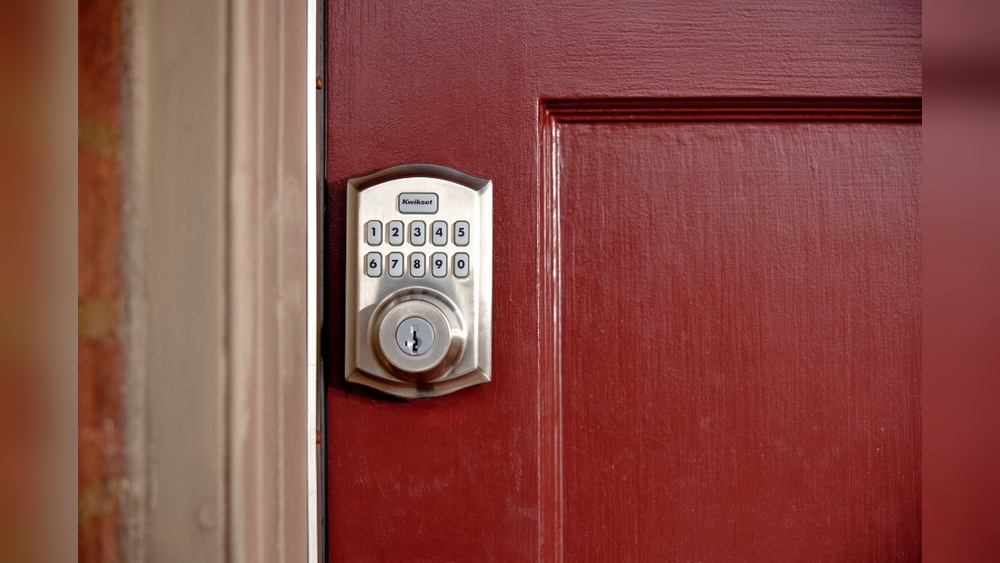
Keypad Deadbolt
This deadbolt uses a keypad to enter a code instead of a key. It may have a backup keyhole. These deadbolts have electronic parts inside. Removing them may need extra steps like disconnecting batteries or wires.
Remove Interior Plate
Removing the interior plate is the first step in taking out a deadbolt from a door. This plate holds the lock’s internal parts in place. Removing it gives access to screws and mechanisms inside the door.
Work carefully to avoid damaging the door or the lock. Simple tools like a screwdriver are usually enough. Follow these steps to remove the interior plate safely and easily.
Locate The Screws Holding The Interior Plate
Look closely at the interior side of the door. Find the screws on the plate around the deadbolt knob or thumb turn. These screws secure the plate to the door.
Use The Correct Screwdriver
Choose a screwdriver that fits the screws well. A loose or wrong screwdriver can strip the screw head. Most deadbolts use a Phillips head screwdriver.
Unscrew The Interior Plate Carefully
Turn the screws counterclockwise to loosen them. Hold the plate gently as you remove the last screw. Avoid dropping the screws or the plate.
Remove The Interior Plate From The Door
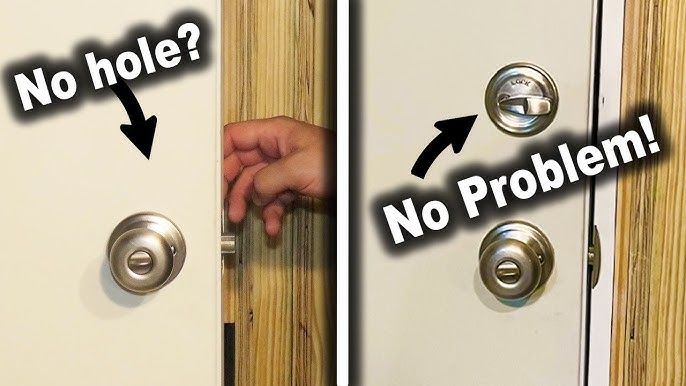
Once screws are out, pull the plate straight off the door. If it feels stuck, wiggle it slightly to loosen. Keep the plate and screws safe for reassembly.
Credit: www.youtube.com
Unscrew Deadbolt Mechanism
Removing a deadbolt starts with unscrewing the mechanism. This step frees the lock from the door. It allows you to take out the deadbolt smoothly.
Prepare a screwdriver that fits the screws on your deadbolt. Usually, a Phillips head screwdriver works best. Keep the screws safe after removal. You will need them to install a new lock or reattach the old one.
Locate The Screws On The Interior Side
Look at the inside of the door. Find the two screws holding the deadbolt plate. These screws keep the lock attached. They are often near the thumb turn or keyhole.
Remove The Screws Carefully
Turn the screwdriver counterclockwise. Unscrew both screws slowly. Keep control to avoid stripping the screw heads. Place the screws in a container to prevent loss.
Pull The Deadbolt Mechanism Away From The Door
After removing the screws, gently pull the deadbolt off. It should slide out easily. If it sticks, check for hidden screws or paint sealing it. Avoid forcing it to prevent damage.
Extract Deadbolt From Door
Extracting a deadbolt from a door can seem tough. The right steps make it simple and safe. This guide helps remove the deadbolt without damage.
Follow clear instructions. Use common tools. Work carefully to avoid problems.
Prepare The Door And Tools
Start by closing the door fully. Gather tools like a screwdriver, drill, and pliers. Wear safety glasses to protect your eyes. Remove any screws from the deadbolt’s faceplate first. This step frees the lock from the door surface.
Remove The Interior Deadbolt Assembly
Find screws on the inside part of the deadbolt. Unscrew them carefully using a screwdriver. Pull the interior knob or thumb turn off gently. Keep screws safe for later use or disposal.
Extract The Exterior Deadbolt
Once the inside part is off, the outside lock will loosen. Pull it straight out from the door. If stuck, wiggle it slowly while pulling. Avoid forcing to prevent damage to the door or lock.
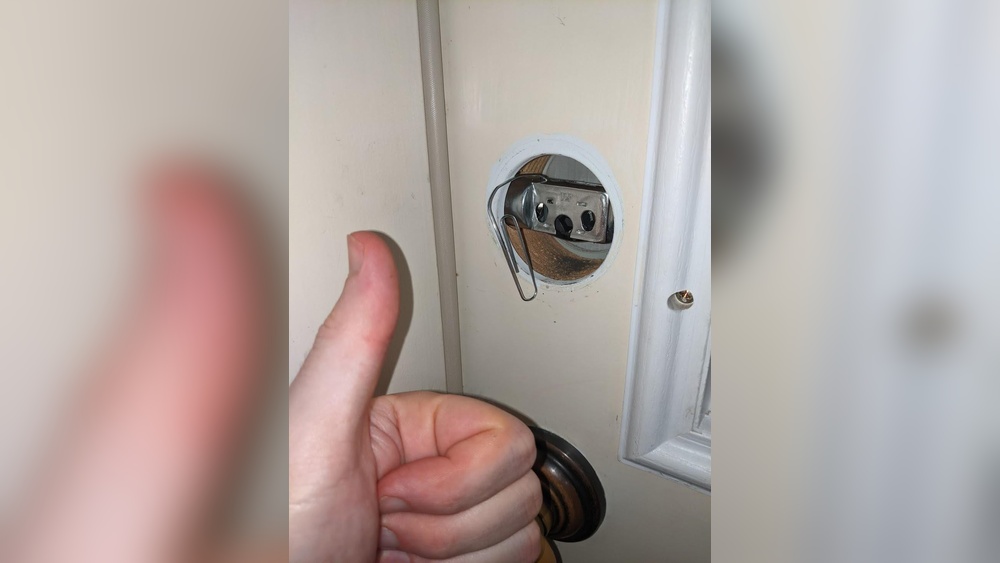
Take Out The Deadbolt Latch
Locate screws on the door’s edge holding the latch. Unscrew these with a screwdriver. Slide the latch bolt out of the door. Check for dirt or damage before installing a new lock.
Troubleshooting Stuck Deadbolts
Stuck deadbolts can cause real frustration. They block the door and make entry difficult. Fixing them quickly saves time and stress.
Troubleshooting stuck deadbolts starts with simple checks. Knowing common issues helps find the right fix fast.
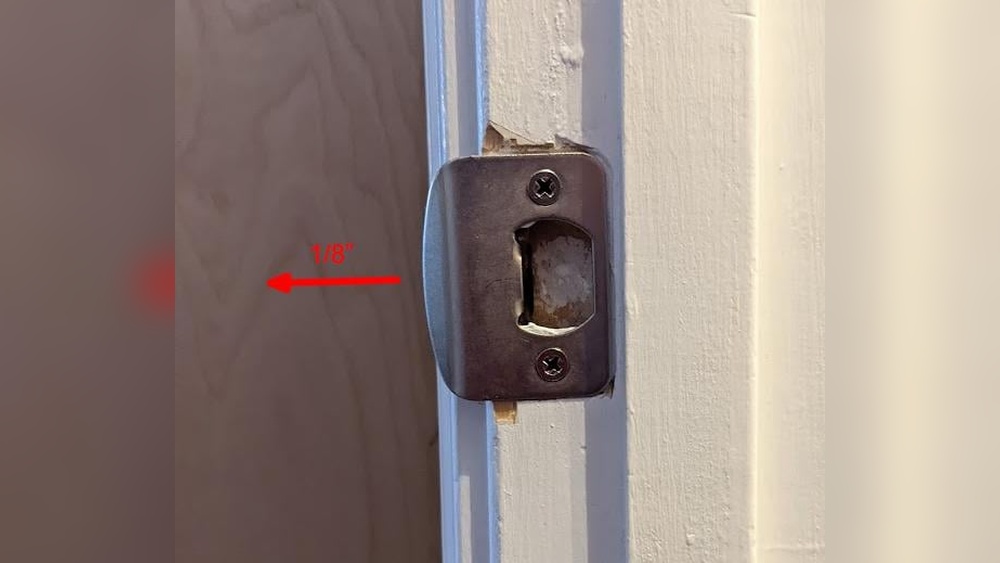
Checking For Misalignment
Deadbolts often get stuck due to misalignment. The bolt may not fit properly into the strike plate. Check if the bolt slides smoothly when the door is slightly open. If not, adjust the strike plate or door frame.
Lubricating The Deadbolt
Dry or rusty deadbolts can jam easily. Use a graphite or silicone-based lubricant. Spray inside the keyhole and on the bolt. Avoid oil-based products that attract dirt and gum up the lock.
Inspecting The Key
A bent or worn key can cause problems. Try using a spare key to see if it works better. If the key is damaged, replace it or make a new copy from the lock code.
Testing The Door Handle
Sometimes, the door handle affects deadbolt operation. Check if the handle turns freely. Tighten loose screws or replace faulty parts. A stiff handle can stop the bolt from retracting.
Safety Tips During Removal
Removing a deadbolt from a door needs care and attention. Safety is very important to avoid injuries and damage. Follow these safety tips to keep yourself safe during the removal process.
Using the right tools and working carefully makes the job easier and safer.
Wear Protective Gloves And Eye Gear
Always wear gloves to protect your hands from sharp edges. Use eye protection to avoid dust or small particles entering your eyes. These simple steps reduce the risk of injury.
Turn Off Power Near Electronic Locks
If your deadbolt has electronic parts, switch off the power first. This prevents electric shock or damage to the lock system. Safety first keeps you safe and your tools working well.
Use The Correct Tools For Removal
Choose tools designed for lock removal. Avoid makeshift tools that can slip or break. Proper tools help you work safely and finish faster.
Work In A Well-lit Area
Good lighting helps you see screws and small parts clearly. It lowers the chance of mistakes or accidents. Bright light helps you stay focused and safe.
Keep Children And Pets Away
Remove the deadbolt in a quiet, safe space. Keep kids and pets out of the work area. This avoids distractions and accidents during the process.

Credit: www.reddit.com

Credit: www.youtube.com
Frequently Asked Questions
How Do You Remove A Deadbolt From A Door?
To remove a deadbolt, first unscrew the interior lock plate. Then, take off the exterior lock. Finally, pull the deadbolt mechanism out from the door edge.
What Tools Are Needed To Take Out A Deadbolt?
You will need a screwdriver, usually Phillips or flathead, and sometimes an Allen wrench. A drill may help if screws are stuck.
Can I Remove A Deadbolt Without Damaging The Door?
Yes, carefully unscrew all components and gently pull out the deadbolt. Avoid forcing parts to prevent damage to the door or frame.
How Long Does It Take To Remove A Deadbolt?
Removing a deadbolt typically takes about 10 to 20 minutes. Time varies depending on screw condition and your experience level.
Conclusion
Removing a deadbolt from a door is simple with the right steps. Start by gathering basic tools and stay patient throughout the process. Take your time to avoid damage to the door or lock. Follow each step carefully and check your work as you go.
You can handle this task yourself without special skills. This saves money and gives you control over your home repairs. Keep these tips in mind for a smooth deadbolt removal experience.