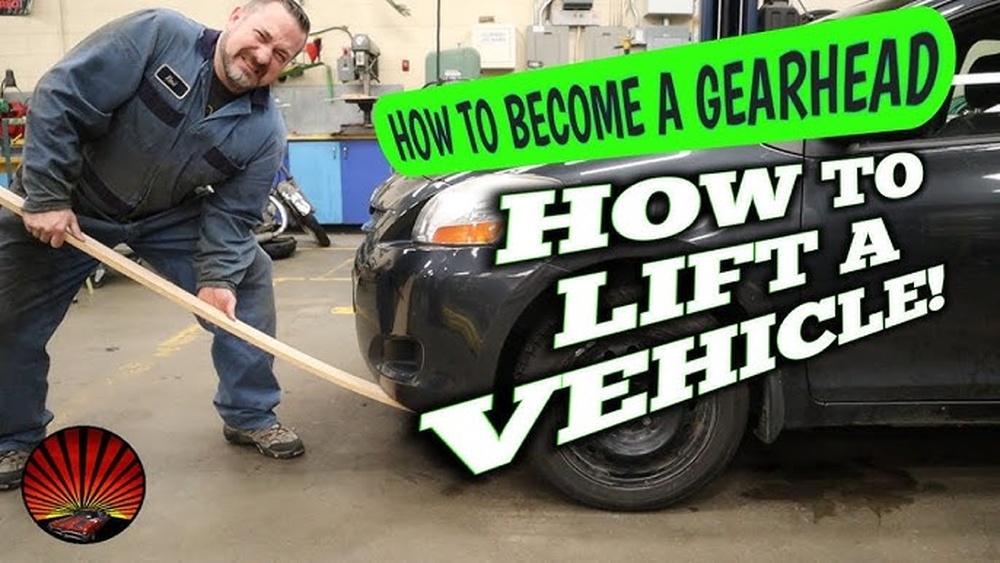
If you’ve ever needed to lift your car safely, you know that positioning a floor jack correctly is key. Getting it wrong can be dangerous and damage your vehicle.
But don’t worry—this guide will show you exactly how to place your floor jack with confidence and ease. By the end, you’ll feel ready to handle any tire change or repair without stress. Keep reading to learn the simple steps that can save you time, money, and a lot of frustration.
Choosing The Right Floor Jack
Choosing the right floor jack is key for safe and easy vehicle lifting. The right jack fits your needs and the type of vehicle you have. It also must support the weight safely. Understanding the types, weight limits, and build quality helps you pick the best tool.
Types Of Floor Jacks
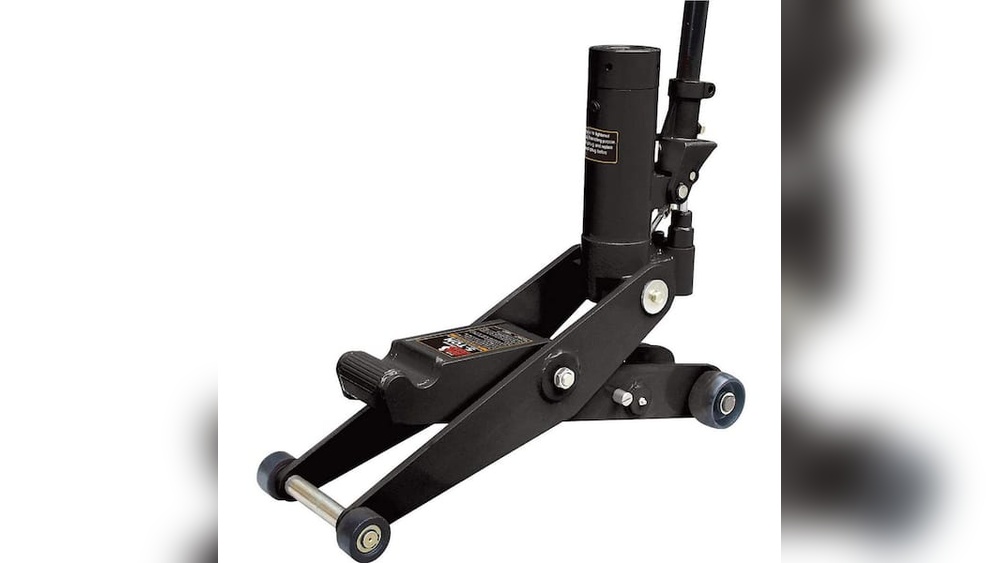
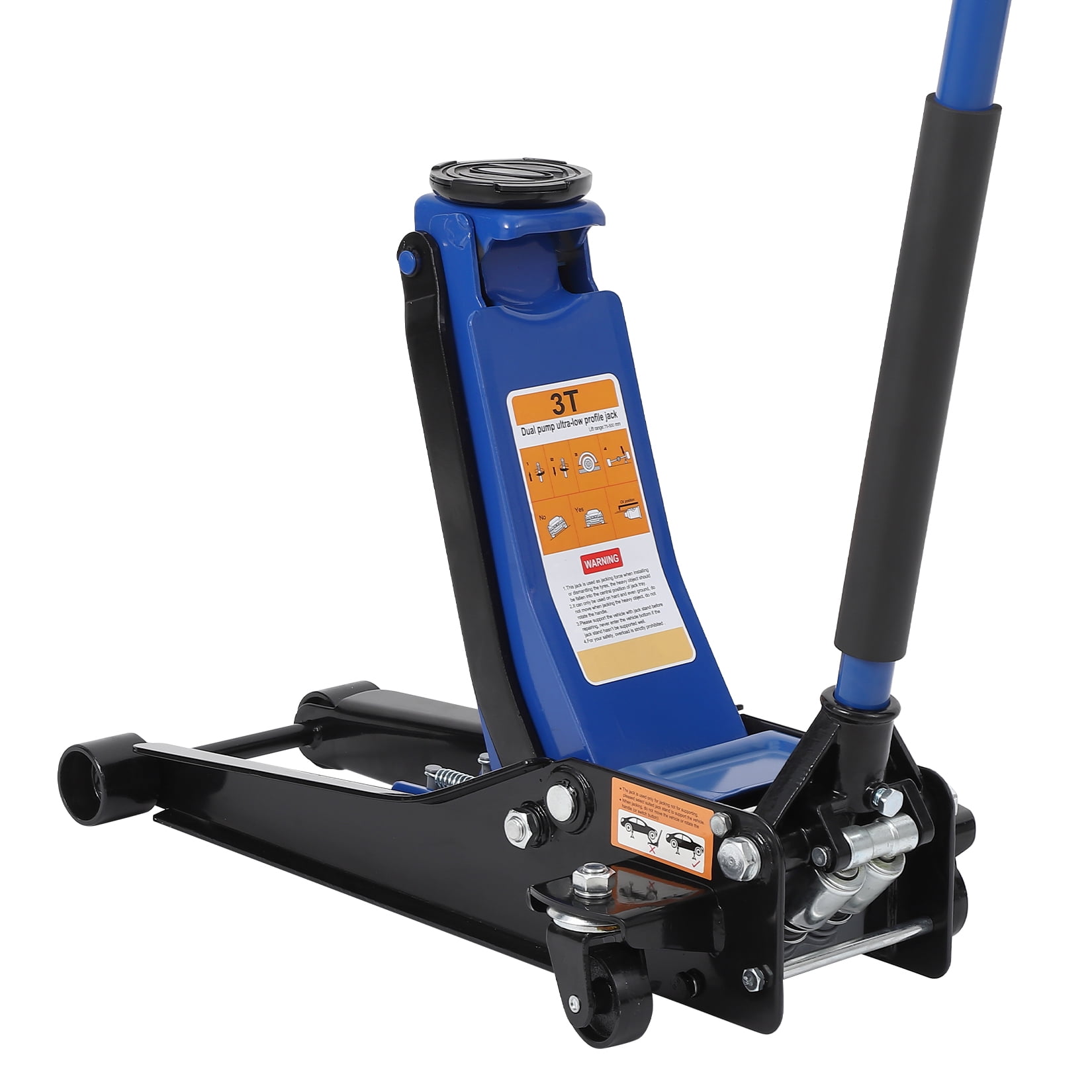
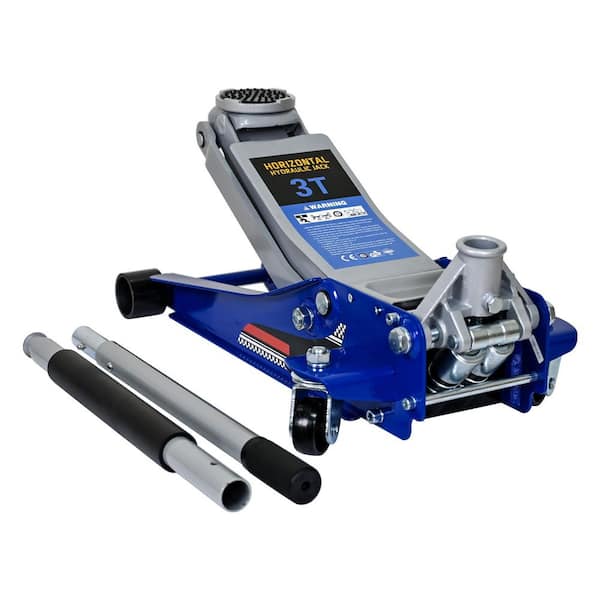
Floor jacks come in different types. The most common are hydraulic and scissor jacks. Hydraulic jacks use fluid pressure and lift heavy loads easily. Scissor jacks are smaller and manual, best for light vehicles and emergencies. Consider the type that matches your work and vehicle size.
Weight Capacity Considerations
Each floor jack has a weight limit. This is the maximum weight it can lift safely. Always choose a jack with a capacity higher than your vehicle’s weight. This ensures safety and prevents damage. Check the label or manual for the weight rating before buying.
Material And Build Quality
Good material means a stronger and longer-lasting jack. Most floor jacks are made from steel or aluminum. Steel jacks are heavy but very strong. Aluminum jacks are lighter and easier to move. Look for sturdy welds and smooth moving parts. This means better durability and performance.
Preparing The Vehicle
Start by parking the vehicle on a flat, solid surface. Locate the car’s lifting points, usually under the frame or near the wheels. Place the floor jack directly under these points to ensure safe lifting.
Finding A Level Surface
Start by parking your vehicle on a flat, hard surface. Avoid soft ground or slopes. A level surface keeps the vehicle stable during lifting. This reduces the risk of the jack slipping or the vehicle moving.
Engaging Parking Brake
Set the parking brake firmly. This stops the vehicle from rolling. Always engage the brake before using the floor jack. It adds an extra layer of safety while working under the vehicle.
Chocking The Wheels
Place wheel chocks on the opposite side of the vehicle. This blocks the wheels and prevents motion. Use sturdy chocks and position them tightly against the tires. Wheel chocks keep your vehicle steady during the lift.
Locating Jack Points
Locating the right jack points is critical for safe and effective use of a floor jack. Placing the jack in the correct spot ensures the vehicle lifts evenly. It also prevents damage to important parts of the car. Understanding where to position the jack helps you avoid costly repairs and keeps you safe during the process.
Manufacturer Recommended Spots
Every car has specific spots made for lifting. These spots are usually reinforced to handle the weight. Check your vehicle’s manual to find these locations. They are often near the wheels or under the frame. Using these spots helps balance the car and reduces risk.
Avoiding Damage-prone Areas
Some parts of a car cannot handle pressure from a jack. Avoid lifting on plastic parts, exhaust pipes, or the fuel tank. These areas can crack or bend easily. Lifting on weak spots can cause serious damage. Always steer clear of these to protect your vehicle.
Using Jack Pads Or Adapters
Jack pads or adapters add extra protection between the jack and car. They help spread the weight evenly. These tools prevent scratches and dents on the car’s frame. Using them is smart, especially on cars with soft or thin metal parts. They make lifting safer and easier.
Credit: www.wideworldofindoorsports.com
Positioning The Floor Jack
Positioning the floor jack is a key step before lifting your vehicle. Proper placement ensures safety and prevents damage. It helps you lift the car smoothly without slipping or tipping. Follow simple steps to position the jack right. This makes the job easier and safer.
Aligning The Jack Correctly
Place the jack near the vehicle’s lifting point. These points are often marked under the car. Line the jack saddle directly under this spot. Check that the jack is centered. Misalignment can cause the car to slip off. A straight alignment helps the jack lift evenly.
Ensuring Stable Contact
The jack’s saddle must touch the car firmly. Clear any dirt or debris from the contact area. The ground should be flat and solid. Avoid soft or uneven surfaces that can shift. Stability stops the jack from moving while lifting. Confirm the jack feels steady before raising the car.
Adjusting For Vehicle Clearance
Some cars have low ground clearance. Adjust the jack height to fit under the frame. Use the handle to lower or raise the saddle carefully. Avoid forcing the jack under the vehicle. This can cause damage or make lifting unsafe. Make sure the jack fits comfortably before starting.
Safe Lifting Practices
Safe lifting practices keep you and your vehicle secure during repairs. Proper use of a floor jack reduces risks of injury and damage. Follow clear steps to lift your vehicle safely and confidently.
Slow And Steady Lifting
Lift the vehicle slowly to avoid sudden shifts. Gradual pressure prevents the jack from slipping. Watch the vehicle rise evenly for better control. Quick movements can cause imbalance and accidents.
Monitoring Vehicle Stability
Check the vehicle’s balance as you lift. Stop if the vehicle tilts or moves unexpectedly. Adjust the jack position for steady support. Keep your body clear in case the vehicle shifts.
Using Jack Stands For Support
Never rely on the floor jack alone. Place jack stands under strong vehicle points. Lower the vehicle gently onto the stands for safety. Jack stands hold the weight securely during work.
After Lifting Procedures
After lifting a vehicle with a floor jack, following the correct steps is vital. These steps keep you safe and prevent damage to the vehicle. Knowing what to do next helps you work smoothly and securely.
Securing The Vehicle
Once the vehicle is raised, place jack stands under strong points. Never rely on the jack alone. Check that the stands hold the vehicle firmly. Use wheel chocks on the wheels still on the ground. This stops the vehicle from rolling. Double-check stability before starting any work.
Performing Maintenance Or Repairs
With the vehicle secure, start your task carefully. Use tools that fit well and work safely. Keep the work area clean and organized. Avoid distractions to focus on your task. Work in good light to see clearly. Take your time; rushing can cause mistakes or accidents.
Lowering The Vehicle Safely
Remove all tools and parts from under the vehicle. Take off the jack stands carefully. Slowly lower the vehicle by turning the jack handle. Watch the vehicle as it moves down. Make sure the ground is stable and flat. Once down, remove the jack and wheel chocks. Check the vehicle’s stability before driving.
Common Mistakes To Avoid
Using a floor jack can be simple, but mistakes happen. These errors can cause damage or injury. Avoid these common mistakes to keep your work safe and smooth.
Incorrect Jack Placement
Placing the jack in the wrong spot is risky. Always find the vehicle’s recommended lifting points. These spots support the car’s weight properly. Placing the jack too far forward or back can cause slipping. The vehicle might fall or get damaged. Check the manual or look for marks on the frame. Never guess where to put the jack.
Overloading The Jack
Every floor jack has a weight limit. Exceeding this limit can break the jack or cause accidents. Know your vehicle’s weight before lifting. Use a jack with enough capacity. Overloading leads to sudden drops or jack failure. Always check the jack’s maximum load before use. Safety comes first.
Neglecting Safety Measures
Ignoring safety steps puts you in danger. Always use jack stands after lifting the vehicle. Never rely on the jack alone to hold the car. Place the jack on a flat, stable surface. Avoid working under a car that is not secure. Wear gloves and eye protection. Take your time and stay alert. Safety protects you and your vehicle.
Credit: www.homedepot.com
Maintenance Of Floor Jacks
Maintaining a floor jack is crucial for safety and performance. Proper care extends its life and keeps it reliable. Regular maintenance prevents accidents and costly repairs. Follow simple steps to keep your floor jack in top shape.
Regular Inspection Tips
Check your floor jack before each use. Look for cracks, dents, or leaks. Ensure the hydraulic fluid is at the right level. Test the jack’s lifting and lowering functions. Replace any worn or damaged parts immediately.
Lubrication And Cleaning
Keep moving parts well-lubricated to avoid rust and wear. Use a light machine oil on joints and wheels. Clean the jack after each use to remove dirt and debris. Wipe the surface with a damp cloth and dry it well.
Storage Recommendations
Store the floor jack in a dry, cool place. Avoid leaving it outside or in damp areas. Lower the jack fully before storing it. Cover it with a protective cloth to keep dust away. Proper storage helps maintain its condition longer.

Credit: www.g-locbrakes.com
Frequently Asked Questions
How Do You Safely Position A Floor Jack?
Place the floor jack under the vehicle’s manufacturer-recommended lift points. Ensure the jack is on a flat, stable surface before lifting. Always use jack stands after raising the vehicle for added safety and stability.
Where Should The Floor Jack Contact The Vehicle?
The floor jack should contact the vehicle’s designated lifting points, usually on the frame or pinch welds. Check the owner’s manual for exact locations to avoid damaging the vehicle’s undercarriage.
Can I Use A Floor Jack On Uneven Ground?
No, using a floor jack on uneven ground is unsafe. Always position the jack on a solid, level surface to prevent slipping or tipping during lifting.
What Are The Common Mistakes When Positioning A Floor Jack?
Common mistakes include placing the jack off-center, ignoring manufacturer lift points, and not securing the vehicle with jack stands. These errors risk vehicle damage and personal injury.
Conclusion
Positioning a floor jack correctly keeps you safe and makes work easier. Always check the vehicle’s manual for the right jack points. Place the jack on solid, flat ground to avoid slipping. Lift slowly and watch for any movement. Taking time to position the jack well saves trouble later.
Stay alert and follow these steps every time you lift. Safe lifting means safer repairs and less risk of accidents.