If you own a 3 ton Craftsman floor jack, you know how important it is to keep it in top shape. But what happens when the hydraulic fluid runs low?
Your jack won’t lift properly, and that can slow down your work or even put you at risk. Don’t worry—refilling your floor jack is easier than you think. In this guide, you’ll learn exactly how to refill your Craftsman floor jack quickly and safely.
By the end, you’ll have your jack ready to lift heavy loads with confidence again. Keep reading to find out the simple steps that will save you time and keep your tools working like new.

Credit: oldhammam.co.uk
Tools And Materials Needed
Refilling a 3 ton Craftsman floor jack requires the right tools and materials. Having everything ready makes the job easier and safer. You will avoid mistakes and save time. Below are the tools and fluids you need for this task.
Essential Tools
- Flathead screwdriver – to open the fluid cap
- Clean cloth – to wipe off dirt and spills
- Small funnel – to pour fluid without spilling
- Gloves – to protect your hands from oil
- Drain pan – to catch old fluid
- Wrench set – to remove bolts if needed
Recommended Fluids
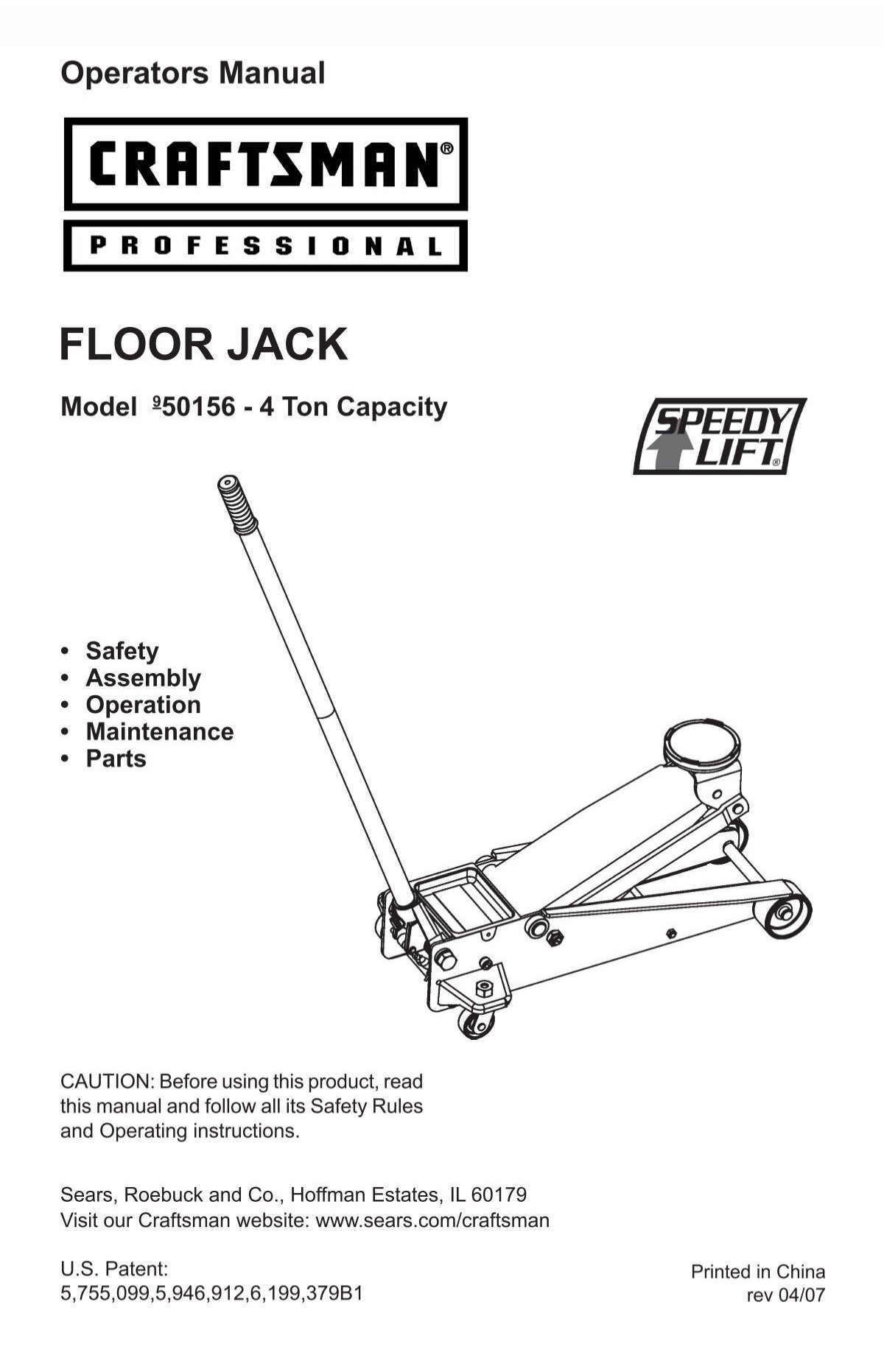
Use the correct hydraulic fluid for your Craftsman floor jack. Most models need high-quality jack oil or 10W hydraulic oil. Avoid using brake fluid or engine oil. These can damage the jack’s seals and pump. Check your user manual for the exact fluid type.
Keep fluid clean and free from dirt. Contaminated fluid reduces jack performance and lifespan. Always pour slowly using a funnel to prevent spills. Proper fluid choice keeps your floor jack working smoothly and safely.
Safety Precautions
Refilling a 3 Ton Craftsman Floor Jack requires caution. Safety is the top priority. Taking the right steps protects you and your equipment. Follow these safety precautions carefully before starting.
Preparing The Work Area
Clear the space around the jack. Remove any tools or objects that can cause trips. Work on a flat, stable surface to prevent the jack from tipping.
Ensure good lighting to see all parts clearly. Keep children and pets away from the area. Have a fire extinguisher nearby, just in case.
Personal Safety Gear
Wear safety glasses to protect your eyes from oil splashes. Use gloves to keep your hands clean and safe from chemicals. Avoid loose clothing that can get caught in moving parts.
Wear closed-toe shoes to protect your feet. If you have long hair, tie it back securely. These simple steps reduce injury risks during refilling.
Locating The Fluid Reservoir
Locating the fluid reservoir is the first step to refill your 3 ton Craftsman floor jack. Knowing where the fluid sits helps you add the right amount. It also stops spills and damage. The reservoir stores hydraulic fluid, which powers the jack’s lifting action. Finding it is easy with a few simple tips.
Identifying The Fill Plug
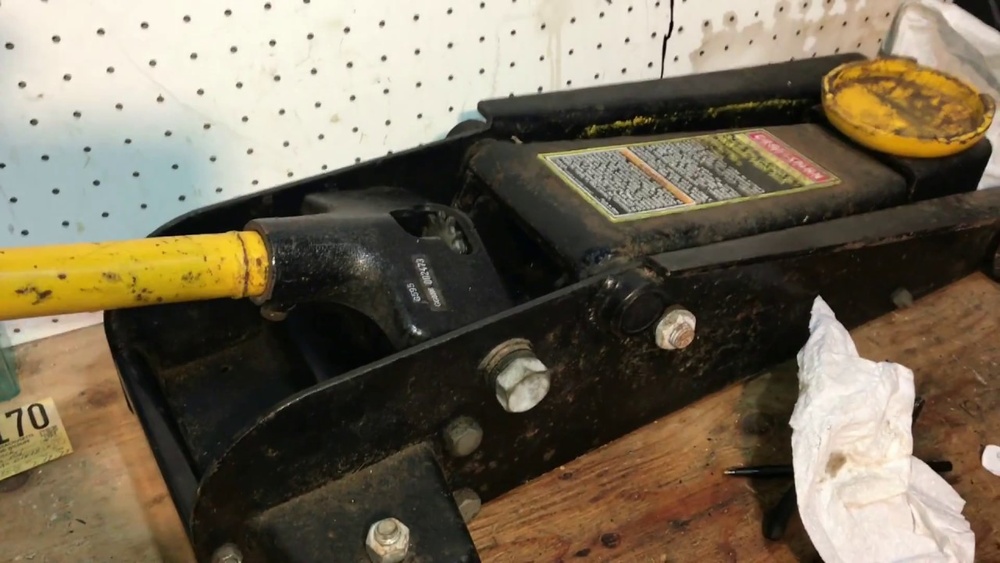
The fill plug covers the opening of the fluid reservoir. It is usually a small, round cap. Look on the main body of the jack, near the lifting arm. The plug may have a textured grip for easy removal. Some models label it “Fill” or “Oil.” Use a wrench or your hand to open it carefully.
Positioning The Jack
Place the jack on a flat, level surface. This ensures the fluid settles evenly in the reservoir. Keep the jack lowered and not under load. Level positioning prevents air pockets during refilling. It also helps check the fluid level accurately. Avoid tilting or raising the jack before filling.
Credit: www.yumpu.com
Draining Old Fluid
Draining the old fluid from your 3 Ton Craftsman floor jack is a key step in its maintenance. Old fluid can cause poor performance or damage. Removing it helps keep the jack working smoothly and safely. This process is simple and takes only a few minutes.
Removing Drain Plug
First, place the jack on a flat surface. Locate the drain plug, usually near the base. Use a wrench to loosen the plug carefully. Let the old fluid drain into a container. Wait until the flow stops before replacing the plug. This step clears out all the old hydraulic fluid.
Proper Disposal
Old hydraulic fluid is harmful to the environment. Never pour it down drains or on the ground. Store the fluid in a sealed container for transport. Take it to a recycling center or hazardous waste facility. Proper disposal keeps your workspace and nature safe. Follow local rules for hazardous waste disposal.
Refilling The Reservoir
Refilling the reservoir of a 3 Ton Craftsman floor jack is an important step in its maintenance. The reservoir holds the hydraulic fluid, which powers the jack’s lifting mechanism. Keeping the fluid at the right level ensures smooth and safe operation. Low fluid can cause the jack to lift unevenly or fail to lift at all. Follow the right steps to refill the reservoir carefully.
Choosing The Right Fluid
Use hydraulic jack oil designed for floor jacks. Do not use brake fluid, motor oil, or other types of oil. The wrong fluid can damage seals and reduce jack performance. Check your jack’s manual for the recommended fluid type. Most Craftsman jacks require clear, non-detergent hydraulic oil. Using the right fluid protects the jack and keeps it working well for a long time.
Filling Procedure
Place the jack on a level surface. Locate the reservoir cap near the handle. Remove the cap carefully to avoid dirt falling inside. Use a clean funnel to pour the hydraulic fluid slowly. Fill until the fluid reaches just below the fill hole. Do not overfill. Replace the cap securely after filling. Pump the jack handle several times to remove air bubbles. Check the fluid level again and top off if needed.
Bleeding Air From The System
Bleeding air from the system is an important step when refilling a 3 ton Craftsman floor jack. Air pockets inside the hydraulic system can cause the jack to work poorly. The jack might not lift smoothly or hold weight properly. Removing trapped air ensures the jack works safely and efficiently.
This process helps restore full hydraulic pressure. It improves the jack’s lifting power and stability. Regularly bleeding air also extends the life of the jack. It keeps the internal parts lubricated and functioning well.
Opening Release Valve
Start by locating the release valve on the jack. It is usually a small knob or screw near the base. Turn the valve counterclockwise slowly to open it. This step allows air to escape from the system. Keep the valve open just enough to let air out.
Do not open the valve fully, or hydraulic fluid may leak. Watch for bubbles or hissing sounds. These signs show air is leaving the system. Once the sounds stop, the air is mostly out. Close the valve by turning it clockwise.
Operating The Jack
After closing the release valve, pump the jack handle several times. This action helps move hydraulic fluid through the system. Pump slowly and steadily to avoid new air pockets. Pay attention to the jack’s lifting motion.
If the jack lifts smoothly, the air removal was successful. If it feels spongy or uneven, repeat the bleeding steps. Pump and open the release valve as needed. Each cycle pushes out trapped air and refills the system with fluid.
Keep checking fluid levels during this process. Add fluid carefully to avoid overflow. Proper bleeding ensures your floor jack works safely and lasts longer.
Final Checks And Maintenance
After refilling your 3 Ton Craftsman Floor Jack, final checks and maintenance are essential. These steps ensure the jack works safely and smoothly. Taking time now prevents bigger problems later. A careful inspection and test give peace of mind. Keep your jack ready for any lifting job.
Inspecting For Leaks
Check all around the jack for oil leaks. Look near the pump, cylinder, and seals. Oil spots on the floor or wet areas mean leaks. Wipe the jack clean first to see fresh leaks clearly. Leaks reduce lifting power and can cause damage. Fix leaks before using the jack again.
Testing Jack Performance
Place the jack under a sturdy object to test it. Pump the handle slowly and watch it lift. The jack should rise smoothly without jerks or strange sounds. Hold the weight up for a few minutes to check stability. Lower the jack carefully and evenly. Proper performance means your jack is safe to use.

Credit: www.youtube.com
Frequently Asked Questions
How Often Should I Refill A 3 Ton Craftsman Floor Jack?
Refill your Craftsman floor jack when you notice reduced lifting power or slow operation. Typically, check every 6 to 12 months. Regular maintenance ensures smooth performance and extends the jack’s lifespan.
What Type Of Hydraulic Fluid Is Best For Refilling?
Use high-quality hydraulic jack oil specifically designed for floor jacks. Avoid using brake fluid or motor oil as they can damage seals and internal parts. Always check the manufacturer’s recommendations.
How Do I Safely Open The Fill Valve On The Floor Jack?
Locate the fill valve under the jack’s handle or base. Use a clean cloth to wipe the area. Slowly unscrew the valve cap to avoid spills and dirt contamination. Always keep the jack on a flat surface.
Can I Refill The Jack Without Removing It From The Car?
No, never refill the floor jack while it is lifting a load. Lower the jack completely and remove it from under the vehicle. Refilling under load is dangerous and may cause injury or damage.
Conclusion
Refilling a 3 ton Craftsman floor jack is simple and quick. Keep the jack clean and use the right oil. Follow each step carefully for best results. Proper maintenance helps the jack work smoothly and safely. Check the oil level often to avoid problems.
This small task saves time and money later. Take your time and handle the jack with care. Now, your floor jack is ready for heavy lifting again.