Are you struggling to secure your gate firmly to a block wall? Getting the right anchor is key to making sure your gate stays strong, safe, and long-lasting.
In this guide, you’ll discover simple, effective steps to anchor your gate without needing expert help. Whether you’re fixing a new gate or reinforcing an old one, you’ll learn easy tips that save you time and effort. Keep reading to find out how you can confidently anchor your gate and protect your property with ease.
Credit: titanbp.com
Choosing The Right Materials
Choosing the right materials is key to anchoring a gate to a block wall securely. The materials must be strong and durable to hold the gate in place. Poor choices can lead to weak support and safety risks. Understanding the types of anchors, fasteners, and tools helps in making good decisions. This section explains how to pick the best options for your project.
Selecting Gate Anchors
Gate anchors connect the gate frame to the block wall. They must be strong enough to hold the gate’s weight. Steel anchors are a popular choice. They resist rust and last longer. Choose anchors that fit the gate size and wall thickness. Heavy-duty anchors work well for large gates. Smaller gates need lighter anchors but still strong.
Types Of Fasteners
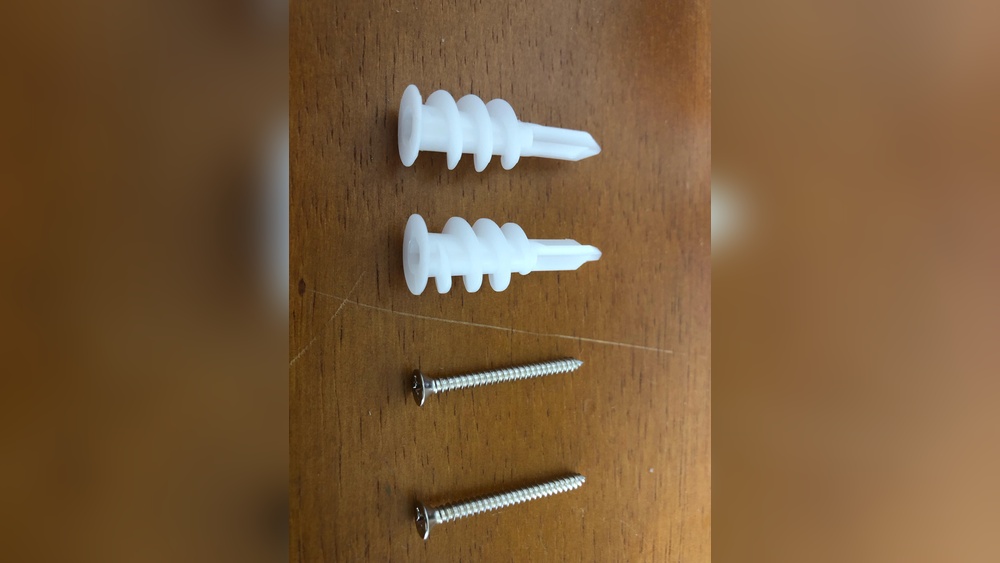
Fasteners hold the anchors to the wall. Use fasteners made for masonry or concrete. Expansion bolts and sleeve anchors are common. These fasteners expand inside the block for a tight grip. Stainless steel fasteners resist rust and weather. Avoid regular nails or screws; they don’t hold well in block walls.
Tools Required
Drilling into block walls needs specific tools. A hammer drill is best for making holes. Use a masonry drill bit that fits the fastener size. A wrench or socket set helps tighten bolts securely. Safety glasses protect your eyes from dust and debris. Have a tape measure and level to place anchors precisely.

Credit: www.youtube.com
Preparing The Block Wall
Preparing the block wall is an important step before anchoring a gate. It ensures the gate will be strong and safe. Take time to prepare the wall properly. This helps the gate last longer and work well.
Inspecting The Wall Condition
Check the block wall for cracks or loose blocks. Look for signs of damage or wear. The wall must be solid and stable. Weak spots can cause problems later. Fix any damaged areas before starting.
Marking Anchor Points
Decide where to place the gate hinges on the wall. Use a pencil or chalk to mark exact spots. Make sure marks are level and spaced correctly. This step helps the gate hang evenly and operate smoothly.
Drilling Holes Safely
Use a hammer drill with a masonry bit for drilling. Wear safety goggles and gloves to protect yourself. Drill holes at the marked points carefully. Keep the drill steady and do not rush. Clean out dust from holes before inserting anchors.
Attaching The Gate Frame
Attaching the gate frame to a block wall is a key step in securing your gate. It ensures the gate stays strong and works smoothly over time. Proper attachment helps prevent sagging and damage. Follow clear steps for a solid hold and easy use.
Positioning The Gate
Place the gate frame next to the block wall. Leave space for the gate to swing open freely. Use a level to check the frame stands straight. Mark hinge points on the wall clearly. Correct positioning makes installation easier.
Securing Hinges To Wall
Choose heavy-duty hinges for strength and durability. Drill holes in the block wall at marked points. Use anchors designed for masonry walls. Attach hinges firmly with bolts or screws. Tighten well to avoid any movement.
Checking Gate Alignment
Close the gate slowly to check its fit. Make sure the gate does not rub the wall. Adjust hinges if the gate is uneven. The gate should open and close smoothly. Proper alignment prevents wear and keeps the gate safe.
Reinforcing For Extra Strength
Anchoring a gate to a block wall needs more than just basic fixing. Reinforcing the joint adds strength and keeps the gate stable. It stops the gate from sagging or moving in strong winds. Reinforcement also helps the structure last longer. Here are three ways to make your gate mount stronger.
Using Metal Brackets
Metal brackets give strong support to gate hinges. Attach heavy-duty brackets to the block wall. Use bolts that fit tightly into the wall anchors. The metal holds the gate firmly and stops movement. Choose brackets made from steel or iron for the best strength. Secure the gate hinges to these brackets. This method spreads the gate’s weight evenly on the wall.
Adding Concrete Fill
Concrete fill inside the block wall holes adds extra grip. Drill deep holes where the gate post meets the wall. Pour mixed concrete into these holes. Insert strong metal rods or rebar into the wet concrete. This bonds the post and wall together tightly. The concrete hardens, making a solid anchor point. It prevents the gate from loosening over time.
Applying Rust Protection
Metal parts near the outdoors face rust risks. Rust weakens brackets, bolts, and hinges quickly. Use rust protection sprays or paint on all metal surfaces. Apply coating before installing the gate hardware. Check and reapply protection regularly for long-lasting defense. Rust-free metal keeps the gate safe and strong. It reduces maintenance needs and repair costs.
Testing Gate Stability
Testing gate stability is a key step after anchoring your gate to a block wall. It ensures the gate works smoothly and stays secure over time. A stable gate prevents damage to the wall and gate parts. This section guides you through simple checks and adjustments to keep your gate steady and reliable.
Opening And Closing Movements
Begin by opening the gate fully. Watch for any sticking or dragging. The gate should move easily without wobbling. Close the gate slowly and check if it aligns with the latch or lock. Uneven movement may mean the gate is not balanced well. Test the gate several times to confirm smooth operation.
Adjusting Hardware
Loose or tight hinges cause gate problems. Tighten screws and bolts on hinges and brackets. Replace any worn-out parts for better support. Adjust hinge positions slightly to correct sagging or misalignment. Small changes can improve gate swing and stability. Check all hardware regularly for wear and tear.
Ensuring Long-term Support
Long-term gate stability depends on strong anchoring and maintenance. Inspect the block wall around anchor points for cracks or damage. Fill gaps or cracks with mortar to keep anchors firm. Apply rust protection to metal parts to prevent corrosion. Regularly test and adjust the gate to avoid future issues. A well-maintained gate lasts longer and works better.

Credit: www.reddit.com
Maintenance Tips
Maintaining a gate anchored to a block wall keeps it strong and safe. Regular care stops problems before they grow. Small tasks done often help the gate last longer.
Regular Inspections
Check the gate and wall every few months. Look for cracks, rust, or loose parts. Early signs of damage need fast attention. Spotting issues early saves time and money.
Tightening Loose Fasteners
Fasteners hold the gate to the wall. Over time, they can loosen from use and weather. Use a wrench or screwdriver to tighten them. Secure fasteners keep the gate steady and safe.
Protecting Against Weather Damage
Weather can harm the gate and wall. Rain, sun, and wind cause wear and tear. Apply a sealant to block walls to stop water damage. Paint or coat metal parts to prevent rust. Keep the gate clean and dry as much as possible.
Frequently Asked Questions
How Do I Secure Gate Hinges To A Block Wall?
Use heavy-duty masonry anchors or expansion bolts to fix hinges. Drill holes with a masonry bit, insert anchors, and tightly fasten hinges for firm support.
What Materials Are Best For Anchoring Gates On Block Walls?
Steel or galvanized metal anchors work best. They resist rust and provide strong, durable support for gate installation on block walls.
Can I Install A Gate Without Drilling Into The Block Wall?
No, drilling is necessary to install anchors. Proper drilling ensures secure attachment of hinges and prevents gate sagging or failure.
How Deep Should I Drill Into A Block Wall For Anchors?
Drill holes at least 2 to 3 inches deep. This depth ensures anchors hold firmly and support the gate’s weight safely.
Conclusion
Anchoring a gate to a block wall takes some planning and care. Use strong anchors and proper tools for safety. Check the wall for cracks before starting. Measure twice to place hinges correctly. Secure the gate firmly to avoid swinging or damage.
Keep the gate level for smooth opening. With these simple steps, your gate will stay stable and last longer. A well-anchored gate adds security and style to your space. Give it time and attention, and you will see good results.