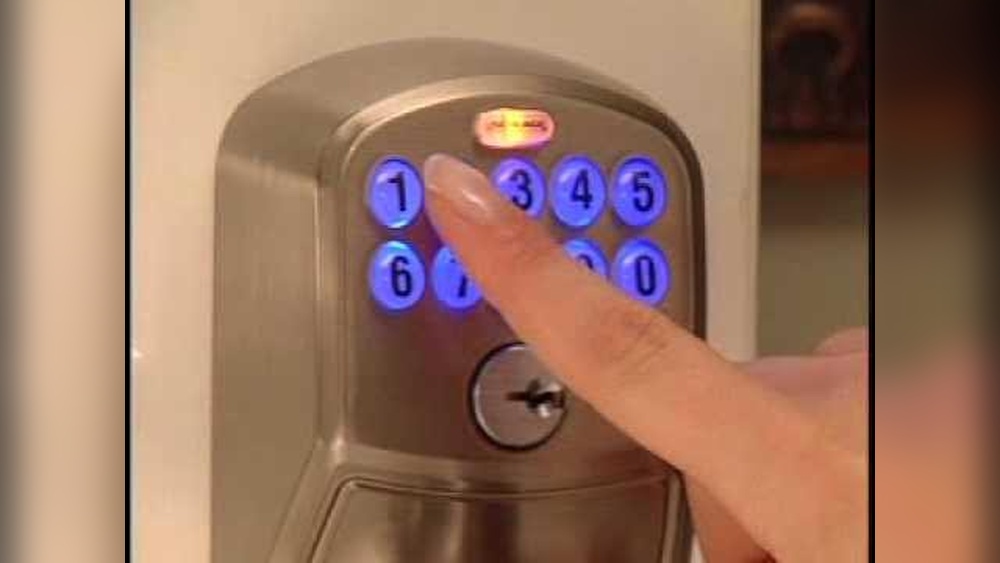
If your deadbolt isn’t reaching the door frame properly, your home’s security could be at risk. You might feel frustrated or unsure about how to fix it without calling a locksmith.
But here’s the good news: you can extend your deadbolt yourself with a few simple steps. By making this quick adjustment, you’ll strengthen your door’s lock and protect what matters most. Keep reading to learn exactly how to extend your deadbolt and boost your home’s safety today.
Choosing The Right Deadbolt Extension
Choosing the right deadbolt extension is key to improving your door security. The right extension ensures your deadbolt works smoothly and protects your home better. It also fits well with your existing lock and door setup.
Consider several factors before selecting a deadbolt extension. These include the type of extension, the material used, and whether it fits your current lock. Each factor affects the strength and durability of your deadbolt.
Types Of Deadbolt Extensions
Deadbolt extensions come in different types. Some add length to the bolt itself. Others extend the strike plate area on the door frame. Choose an extension type that matches your door’s thickness and security needs.
Some extensions are adjustable, making them versatile for various door sizes. Fixed-length extensions offer a solid fit but need precise measurements. Knowing your door’s dimensions helps pick the best type.
Materials And Durability
Materials impact how long your deadbolt extension lasts. Common materials include steel, brass, and aluminum. Steel offers the best strength and resists tampering well. Brass looks good and resists rust, but may be softer.
Aluminum is lightweight but less durable. Choose materials based on your climate and security goals. A strong, rust-resistant material keeps your lock working for years.
Compatibility With Existing Locks
Not all deadbolt extensions fit every lock. Check the size and design of your current deadbolt. The extension should align perfectly with your lock’s bolt and strike plate.
Some brands have specific extension models. Others are universal and fit many locks. Measure your lock carefully and compare it with the extension’s specifications. Proper fit prevents lock jamming or failure.
Credit: www.support.lockly.com
Tools And Materials Needed
Extending a deadbolt requires some specific tools and materials. Having the right items makes the job easier and safer. This section lists everything needed to complete the task efficiently.
Basic Tools List
- Screwdriver (flathead and Phillips)
- Drill with drill bits
- Measuring tape
- Pencil or marker
- Hammer
- Chisel
- Wood screws
- Extension plate for deadbolt
Safety Equipment
- Safety glasses to protect your eyes
- Work gloves to protect your hands
- Dust mask to avoid inhaling debris
Additional Supplies
- Wood filler for fixing holes
- Sandpaper for smoothing surfaces
- Painter’s tape to mark areas
- Lubricant for smooth deadbolt operation
Preparing Your Door And Lock
Preparing your door and lock is the first step in extending your deadbolt. This part sets the base for a smooth installation. Careful preparation helps avoid mistakes and ensures the extension fits well. It also keeps your door secure and functional after the update.
Measuring For The Extension
Start by measuring the current deadbolt length. Use a tape measure for accuracy. Measure from the front plate to the end of the bolt. Note this number carefully. It helps you choose the right extension size. Double-check your measurement to avoid errors.
Removing The Old Deadbolt
Remove the screws holding the deadbolt on each side of the door. Gently pull out the lock parts. Keep the screws in a safe place. Take care not to damage the door or lock components. This step clears the way for the new extension.
Cleaning The Installation Area
Clean the area around the deadbolt hole. Use a cloth to wipe away dust and dirt. Check for any damage or rough edges. Smooth out any splinters or debris. A clean surface helps the extension fit tightly and work properly.
Step-by-step Installation
Extending a deadbolt can improve your door’s security and make it easier to use. The installation process is simple and does not require special tools. Follow these clear steps to extend your deadbolt properly.
Aligning The Extension
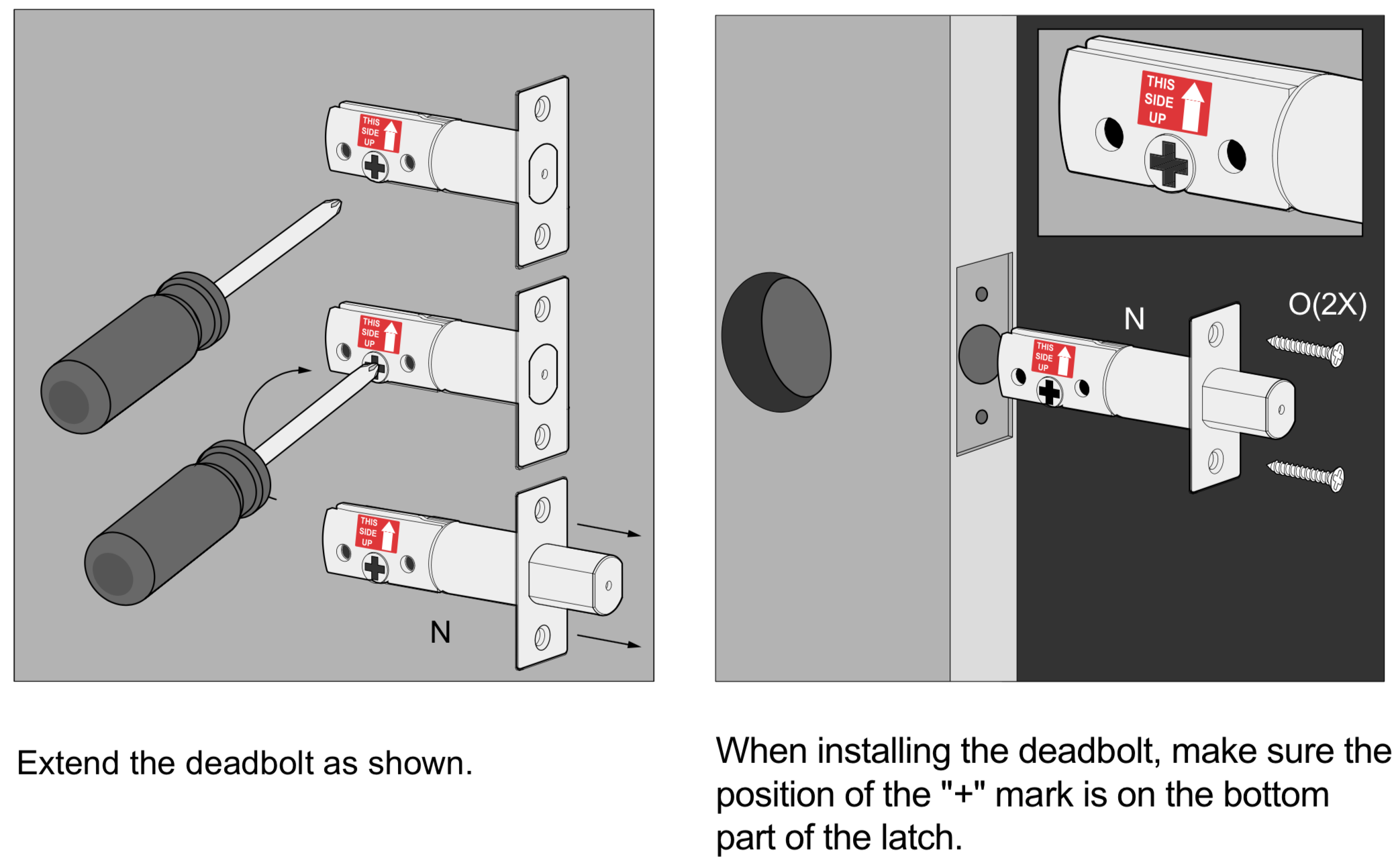
First, check the deadbolt and the door surface. Place the extension on the deadbolt bolt. Make sure it fits snugly and lines up straight with the door. The extension should not block the bolt’s movement. Adjust it so the bolt slides smoothly.
Securing The Extension To The Door
Use the screws that came with the extension. Screw them into the extension and the door. Tighten the screws just enough to hold the extension firmly. Avoid over-tightening to prevent damage to the door or extension. The extension must stay in place without wobbling.
Testing The Deadbolt Functionality
Turn the key or knob to test the deadbolt. The bolt should slide in and out easily. Check if the extension moves with the bolt without sticking. Test the lock from both sides of the door. Confirm the deadbolt locks and unlocks smoothly.
Tips For Maximizing Security
Maximizing the security of your deadbolt is key to protecting your home. Small changes can make a big difference. Follow these tips to strengthen your door and lock.
Reinforcing The Door Frame
The door frame must be strong enough to hold the deadbolt. Use a metal plate or a heavy-duty strike plate. This stops the door from breaking easily. Check that the frame fits tightly around the door. Gaps can make it weak against force.
Using Longer Screws
Replace short screws with longer ones in the strike plate. Screws at least 3 inches long reach the wall studs. This anchors the door better. It prevents the door from being kicked open. Use strong screws made of steel for added strength.
Regular Maintenance Checks
Check your deadbolt and door frame often. Look for loose screws or cracks in the frame. Test the lock to ensure it works smoothly. Fix problems quickly to keep the door secure. Regular care stops small issues from becoming big risks.

Credit: www.reddit.com
Troubleshooting Common Issues
Troubleshooting common issues with deadbolt extensions helps keep your door secure. Problems like misalignment, difficulty turning, or loose parts can happen. Fixing these early prevents bigger damage and improves lock performance. Below are easy tips to solve these issues.
Deadbolt Misalignment
Misalignment means the deadbolt does not fit the strike plate well. This causes the lock to stick or not close fully. Check if the deadbolt slides smoothly into the hole. Adjust the strike plate by loosening screws and moving it slightly. Tighten screws once aligned. Sometimes sanding the edge of the door or frame helps.
Difficulty Turning The Lock
When the lock is hard to turn, it may need lubrication. Use a graphite spray or silicone-based lubricant. Avoid oil-based products as they attract dust. Insert the key and turn it several times after applying lubricant. This spreads it inside the lock. Check if the extension is bent or too long. Shorten or straighten it if needed.
Loose Or Wobbly Extensions
Loose extensions reduce lock stability and security. Tighten all screws holding the extension in place. Use longer screws if the original ones are too short. Add a small amount of thread-locking glue to prevent screws from loosening. Ensure the extension fits flush with the door. Fill any gaps with wood filler or weatherstripping.

Credit: www.youtube.com
Frequently Asked Questions
How Do I Extend A Deadbolt For Better Security?
To extend a deadbolt, install a longer bolt and adjust the strike plate. This increases door frame coverage, improving security. Ensure the new bolt fits your door thickness. Proper alignment prevents jamming and enhances locking strength effectively.
Can I Extend A Deadbolt Without Professional Help?
Yes, you can extend a deadbolt yourself with basic tools. Measure your door thickness and buy a compatible bolt extension kit. Follow manufacturer instructions carefully for proper installation. DIY extension saves money and improves your door’s security quickly.
What Tools Are Needed To Extend A Deadbolt Lock?
You need a screwdriver, drill, measuring tape, and new bolt extension. Sometimes, a chisel helps to adjust the door frame. Accurate measurements and proper tools ensure smooth installation and better deadbolt functionality.
Will Extending A Deadbolt Affect My Door’s Warranty?
Extending a deadbolt might void your door’s warranty if modifications aren’t approved. Check your door and lock manufacturer’s policy before starting. Use recommended parts and professional help if unsure to avoid warranty issues.
Conclusion
Extending a deadbolt adds extra security to your door. The process takes a few simple steps anyone can follow. Use the right tools and measure carefully for a good fit. Check the lock works smoothly after installation. A stronger deadbolt helps keep your home safe.
Small changes can make a big difference in protection. Now, you have the basics to extend your deadbolt confidently. Stay safe and secure with this easy upgrade.