Is your floor jack plunger sticking and making your work harder than it should be? You’re not alone, and the good news is that fixing this common problem is easier than you might think.
Imagine saving time and effort every time you use your jack by simply knowing the right steps to get it working smoothly again. You’ll discover clear, simple solutions to get your floor jack back in top shape—no confusion, no frustration.
Keep reading, and you’ll learn exactly what to do to fix that sticky plunger once and for all.
Common Causes Of A Sticking Plunger
A floor jack’s plunger can stick for several common reasons. Understanding these causes helps fix the problem faster. The plunger must move smoothly to lift heavy loads safely. Dirt, lack of lubrication, worn seals, and rust often cause sticking. Each issue affects the plunger differently but stops proper function.
Dirt And Debris Buildup
Dirt and debris can get inside the plunger mechanism. Small particles block the plunger’s movement. Dust, sand, and grease mix and create a sticky mess. Regular cleaning prevents buildup and keeps parts moving freely. Dirt buildup is one of the top causes of sticking.
Lack Of Lubrication
The plunger needs lubrication to glide smoothly. Without oil or grease, metal parts rub and stick. Dry surfaces cause friction and slow down the plunger. Applying lubricant reduces wear and helps the jack work easily. Lack of lubrication leads to stiff and stuck plungers.
Worn Or Damaged Seals
Seals keep dirt and fluid inside the jack. Worn or cracked seals let dirt enter and fluid leak out. This damage causes the plunger to stick or fail. Checking seals regularly can prevent problems. Replacing bad seals restores proper function and smooth movement.
Corrosion And Rust
Moisture causes metal parts to rust and corrode over time. Rust builds up and blocks the plunger’s path. Corrosion weakens parts and makes movement tough. Keeping the jack dry and clean reduces rust risks. Rusty plungers often stop working or stick hard.
Tools And Materials Needed
Fixing a floor jack with a sticking plunger requires certain tools and materials. Having the right items makes the repair easier and faster. This section lists what you need to gather before starting the job.
Basic Hand Tools
Start with simple hand tools. A wrench set helps loosen bolts and nuts. Screwdrivers, both flathead and Phillips, are needed to open covers. Pliers assist in gripping small parts. A hammer may be useful for gentle taps.
Cleaning Supplies
Clean parts work better and last longer. Use rags or paper towels to wipe dirt and grease. A soft brush helps remove grime from small areas. Mild soap and water can clean surfaces without damage. Avoid harsh chemicals that harm metal or seals.
Lubricants And Sealants
Lubricants reduce friction and help the plunger move smoothly. Use light machine oil or silicone spray. Grease works well on moving parts too. Sealants keep fluids from leaking. Choose a sealant safe for hydraulic systems.
Replacement Parts
Some parts wear out and need replacement. A new plunger or seals may be necessary. Check the jack’s model for exact parts. Having spares on hand saves time and effort. Always use quality parts for safety and durability.
Step-by-step Fixes For A Sticking Plunger
A sticking plunger can stop a floor jack from working correctly. Fixing it takes a few careful steps. Each step helps make the plunger move smoothly again. Follow these simple fixes to get your floor jack back in action.
Cleaning The Plunger Mechanism
Start by cleaning the plunger area. Dirt and debris often cause sticking. Use a clean cloth to wipe the plunger surface. Remove any grime or dust. A gentle brush can help reach small spots. Clean parts work better and last longer.
Lubricating Moving Parts
Next, add lubrication to the plunger and joints. Use a light machine oil or grease. Apply a small amount to avoid excess build-up. Lubrication reduces friction and helps parts move freely. Move the plunger a few times to spread the oil evenly.
Replacing Seals And O-rings
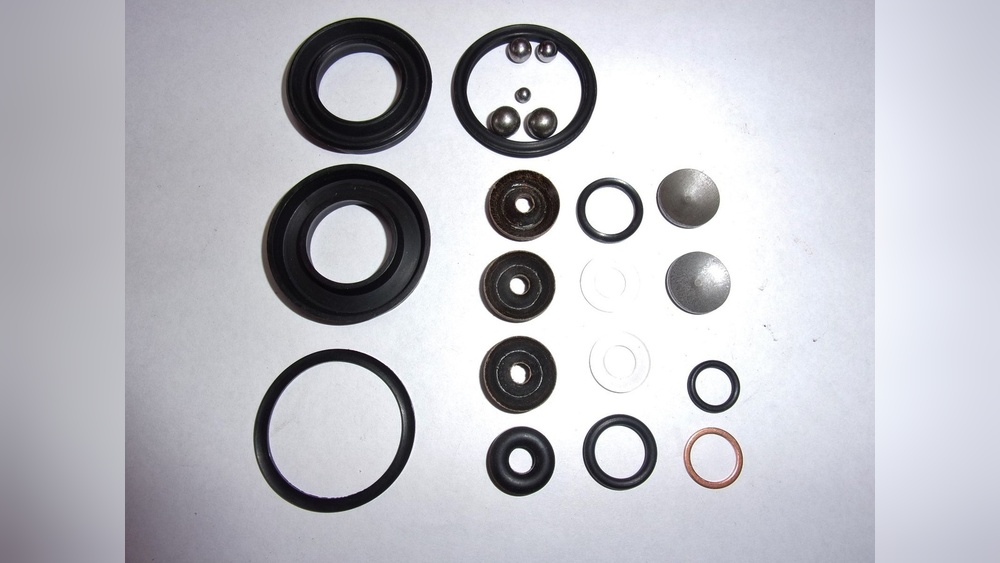
Check the seals and O-rings for damage. Old or cracked seals cause leaks and sticking. Remove the worn parts carefully. Replace them with new, matching seals and rings. Proper seals keep the pressure steady and the plunger smooth.
Removing Rust And Corrosion
Rust and corrosion block smooth plunger movement. Use a rust remover or fine sandpaper to clean affected areas. Wipe off all rust particles thoroughly. After cleaning, apply a rust-preventive oil. This step protects the plunger from future damage.

Credit: www.reddit.com
Preventive Maintenance Tips
Preventive maintenance keeps your floor jack working smoothly. It stops problems like a sticking plunger before they start. Small daily steps can save time and money. Follow these tips to keep your floor jack in good shape.
Regular Cleaning Schedule
Clean your floor jack often. Remove dirt, dust, and grease from all parts. Use a soft cloth and mild cleaner. Avoid water inside the jack’s moving parts. Regular cleaning stops debris from causing the plunger to stick.
Proper Lubrication Practices
Lubricate the jack’s moving parts regularly. Use the right type of grease or oil. Apply lubricant to the plunger, hinges, and wheels. Too little oil causes friction; too much attracts dirt. Proper lubrication keeps the plunger moving freely.
Storage Recommendations
Store your floor jack in a dry place. Avoid damp or dusty areas that cause rust or dirt buildup. Keep the jack on a flat surface to prevent damage. Cover it with a cloth or plastic sheet to block dust.
Inspection And Early Repairs
Check your floor jack before every use. Look for leaks, cracks, or worn parts. Test the plunger’s movement to spot sticking early. Fix small problems quickly to avoid bigger repairs. Early repairs extend the jack’s life and ensure safety.
When To Seek Professional Help
Knowing when to seek professional help is important for fixing a floor jack with a sticking plunger. Some problems need expert skills and tools. Trying to fix these on your own can cause more damage or put you at risk. Recognizing signs that require a professional can save time and ensure safety.
Complex Mechanical Issues
Complex mechanical problems often involve parts inside the jack. These issues need special tools and knowledge to fix. A professional can diagnose hidden problems quickly. They can repair or replace damaged components correctly. Attempting complex repairs without experience may worsen the issue.
Severe Damage Or Wear
Severe damage or wear on the floor jack parts affects its function. Cracks, deep rust, or bent parts can make the jack unsafe. Professionals can assess if repair is possible or if replacement is needed. Using a damaged jack can cause failure during use. It is best to trust experts in these cases.
Safety Concerns
Safety is the top priority when using a floor jack. If the jack shows signs of leaking fluid or unusual noises, stop using it. Faulty jacks can collapse or slip, causing injury. Professionals know how to fix safety issues properly. Avoid risks by letting experts handle repairs related to safety.

Credit: www.pistonheads.com

Credit: www.reddit.com
Frequently Asked Questions
How Do I Fix A Sticking Floor Jack Plunger?
Clean the plunger thoroughly and lubricate it with jack oil or grease. Remove debris and rust to ensure smooth movement. Regular maintenance prevents sticking issues.
Why Is My Floor Jack Plunger Not Moving Smoothly?
The plunger may be dirty, rusty, or lack lubrication. Inspect for debris, clean the parts, and apply proper lubricant to restore smooth motion.
Can I Use Wd-40 To Fix A Stuck Plunger?
WD-40 can help loosen the plunger temporarily but is not ideal for lubrication. Use jack-specific grease or oil for long-lasting smooth operation.
How Often Should I Maintain My Floor Jack Plunger?
Maintain your floor jack every 3 to 6 months. Regular cleaning and lubrication prevent sticking and prolong the jack’s lifespan.
Conclusion
Fixing a floor jack with a sticking plunger is simple with the right steps. Clean and lubricate the plunger carefully. Check for dirt or damage that might block movement. Regular maintenance keeps your jack working smoothly. Take your time and follow each step.
Soon, your floor jack will lift without trouble again. Keep tools ready for quick fixes anytime. Stay safe and keep your equipment in good shape.