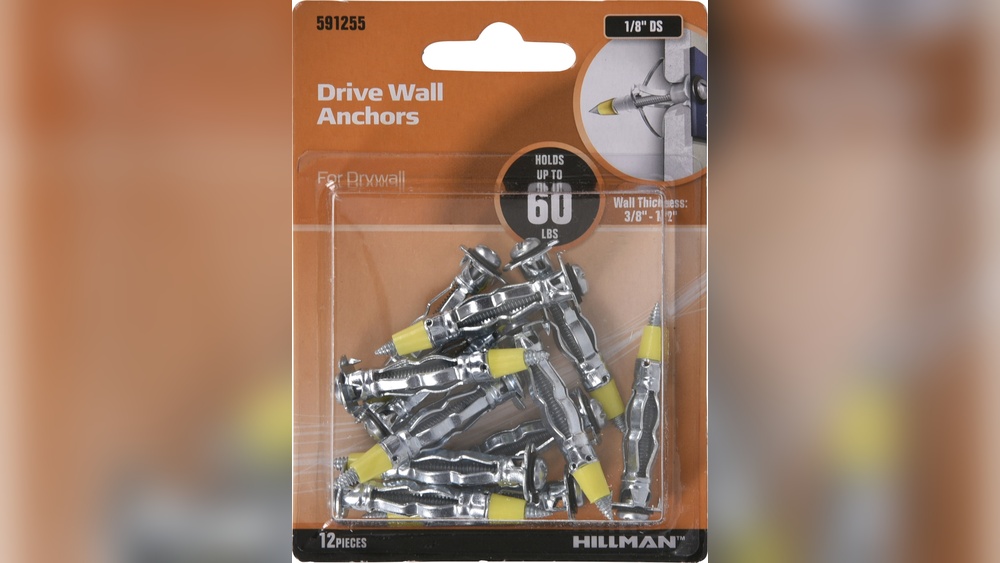
If you’ve ever struggled to hang something heavy on your wall, you know how frustrating it can be when your screws just won’t hold. That’s where Hillman Drive Wall Anchors come in.
These simple yet powerful tools can make all the difference, giving your shelves, frames, and fixtures the support they need. You’ll discover exactly how to use Hillman Drive Wall Anchors step-by-step, so your walls stay strong and your items stay secure.
Ready to learn a quick and reliable way to hang with confidence? Let’s get started.
Choosing The Right Wall Anchor
Choosing the right wall anchor is key to a strong hold. The wrong type can cause your fixture to fall. Hillman Drive Wall Anchors come in many types. Each fits different walls and weights. Knowing which anchor to use helps your project last long.
Types Of Hillman Drive Wall Anchors
Hillman offers plastic, metal, and toggle anchors. Plastic anchors suit light loads and drywall. Metal anchors work well in tougher walls like concrete. Toggle anchors hold heavy items in drywall or hollow walls. Each anchor type has a unique design for strong grip. Pick one that matches your need.
Matching Anchors To Wall Materials
Drywall needs plastic or toggle anchors. Concrete and brick require metal anchors. Hollow walls work best with toggle anchors. Wood walls usually need screws only. Check your wall type before picking anchors. The right match keeps your items safe and secure.
Tools Needed For Installation
Installing Hillman Drive Wall Anchors requires some basic tools. Having the right tools makes the job faster and easier. It also ensures the anchors hold strong and secure. Below is a list of essential tools you need for the installation process.
Drill And Drill Bits
A power drill is necessary to create holes in the wall. Choose a drill bit size that matches the anchor size. This helps the anchor fit tightly without wobbling. Use a masonry drill bit for concrete or brick walls. For drywall, a standard twist drill bit works well. Keep the drill steady for clean, precise holes.
Screwdrivers And Other Essentials
A screwdriver is needed to drive screws into the wall anchors. Use a Phillips or flat-head screwdriver based on the screw type. A hammer can help tap the anchor gently into the hole. A measuring tape ensures correct placement and spacing. Finally, a pencil helps mark drilling spots accurately before you start.
Preparing The Wall
Preparing the wall is the first step to using Hillman Drive Wall Anchors correctly. This step ensures the anchors hold strong and keep your items secure. A well-prepared wall makes installation easier and safer.
Focus on marking the right spots and drilling clean holes. These actions create a perfect fit for the anchors. Let’s break down these tasks for better understanding.
Marking Anchor Locations
Start by choosing where you want to place the anchors. Use a pencil to mark these spots clearly on the wall. Check that the marks line up with the object you want to hang. Measure twice to avoid mistakes. Proper marks help guide your drilling and keep the anchors steady.
Drilling Proper Holes
Pick a drill bit that matches the anchor size. Drill straight into the marked spots. Keep the drill steady to avoid angled holes. Drill to the right depth so the anchor fits fully inside. Clear any dust or debris from the hole before inserting the anchor. Clean holes ensure a tight hold for the anchor.

Credit: www.walmart.com
Installing Hillman Drive Wall Anchors
Installing Hillman Drive Wall Anchors is a simple process that provides strong support for your fixtures. These anchors work well in drywall and other hollow walls. The key is to insert and secure the anchor properly. This guide breaks down the steps clearly.
Inserting The Anchor
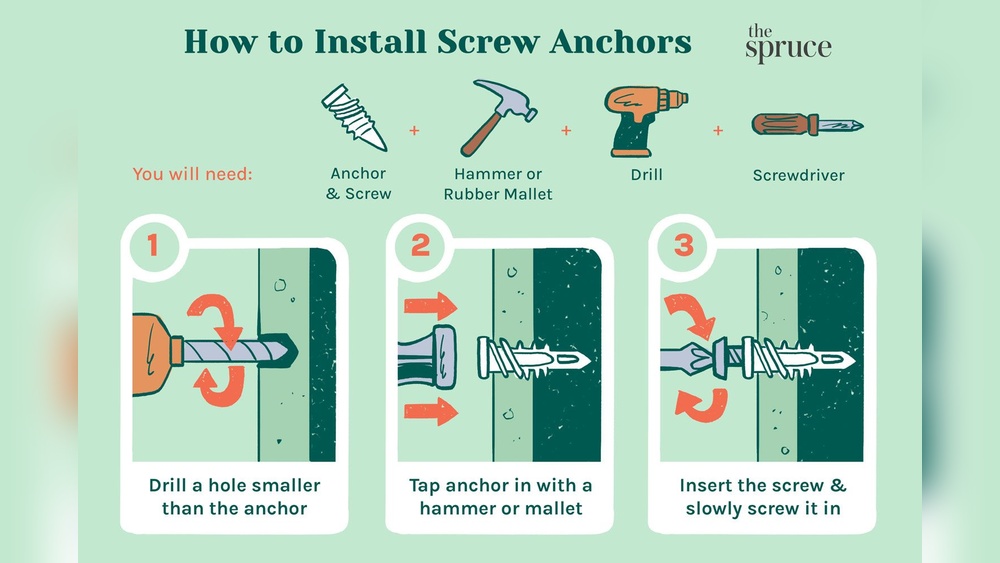
Start by drilling a hole in the wall. Choose a drill bit that matches the anchor size. Push the anchor into the hole gently. Use your fingers or a hammer for a snug fit. Make sure the anchor sits flush with the wall surface.
Securing The Anchor Firmly
Next, insert the screw into the anchor. Turn the screw slowly using a screwdriver. The anchor will expand inside the wall. This expansion locks the anchor in place. Tighten the screw until the fixture feels secure but avoid over-tightening.
Attaching Fixtures To Anchors
Attaching fixtures to Hillman Drive Wall Anchors is simple and strong. These anchors hold screws tightly in drywall and other hollow walls. Proper attachment keeps your shelves, hooks, or frames secure without damage.
Start by picking screws that match the anchor size and your fixture’s weight. Then, tighten the screws carefully. This ensures a firm hold without loosening the anchor or wall.
Choosing The Right Screws
Select screws that fit well with the Hillman Drive Anchor. Use screws that match the anchor diameter and length. Too short screws won’t hold the fixture firmly. Too long screws may damage the wall behind.
Choose screws made of steel or corrosion-resistant material. This prevents rust and keeps your fixture secure for a long time. Check the weight limit of both screws and anchors before buying.
Ensuring A Tight Fit
Place the fixture over the anchor before inserting the screw. Turn the screw slowly into the anchor using a screwdriver. Stop tightening once the fixture feels firm and does not move.
A tight fit prevents the fixture from wobbling or falling. Avoid over-tightening because it can strip the anchor or damage the wall. Test the fixture’s stability by gently pulling or shaking it after installation.

Credit: www.amazon.com
Tips For Strong And Safe Holds
Using Hillman Drive Wall Anchors properly ensures strong and safe holds. These anchors provide reliable support for heavy items on drywall. Following simple tips helps prevent damage and keeps your walls secure.
Correct installation and regular checks increase the anchor’s effectiveness. Avoiding errors during use protects both your walls and the objects you hang.
Avoiding Common Mistakes
Choose the right size anchor for your load. Oversized or undersized anchors can fail easily. Drill a hole that matches the anchor diameter. Too big or too small holes reduce grip. Insert the anchor fully into the wall for best hold. Avoid forcing the anchor; it can break or deform. Tighten screws slowly to prevent stripping the anchor. Use proper tools to ensure a clean installation.
Maintenance And Inspection
Check anchors regularly for signs of loosening or damage. Tighten screws if they become loose over time. Replace anchors showing cracks or rust immediately. Avoid hanging heavier items than the anchor’s limit. Inspect walls around anchors for cracks or holes. Early detection prevents accidents and wall damage. Keep your anchors clean and dry to extend life.

Credit: www.andersonlumbercompany.com
Frequently Asked Questions
What Are Hillman Drive Wall Anchors Used For?
Hillman Drive Wall Anchors secure heavy items to drywall without studs. They provide strong, reliable support for shelves, mirrors, and fixtures. These anchors expand behind the wall for a firm hold, preventing damage and ensuring stability.
How Do You Install Hillman Drive Wall Anchors?
First, drill a hole matching the anchor size. Insert the anchor into the wall until flush. Then, drive the screw into the anchor to expand it behind the drywall, creating a tight, secure fit.
Can Hillman Drive Anchors Hold Heavy Loads?
Yes, Hillman Drive Anchors support medium to heavy loads when installed correctly. Weight capacity varies by anchor size but generally supports items like cabinets, shelving, and large frames safely.
Are Hillman Drive Anchors Reusable?
No, Hillman Drive Anchors are typically single-use. Removing them damages the anchor’s grip, so replacement is necessary for reinstallation or repositioning.
Conclusion
Hillman Drive Wall Anchors provide solid support for your projects. Use them to secure items safely on drywall or hollow walls. Follow the steps carefully for the best results. These anchors hold well and prevent damage to walls. They are easy to install with basic tools.
Trust them for hanging shelves, pictures, or mirrors. Remember, choosing the right size matters a lot. With practice, installing these anchors becomes quick and simple. Your walls stay strong, and your items stay put. Give your home projects a reliable finish with these anchors.