
Have you ever wished you could control your room’s lighting from two different spots? Adding an additional light switch can make your daily routine easier and more convenient.
Whether it’s for a hallway, staircase, or large room, having that extra switch saves you from walking in the dark. In this guide, you’ll learn simple, step-by-step instructions to add a second light switch safely and effectively. Keep reading—you’re just a few easy steps away from upgrading your home lighting!

Credit: diy.stackexchange.com
Tools And Materials Needed
Adding an extra light switch requires some basic tools and materials. These help you work safely and finish the job neatly. Having everything ready saves time and avoids frustration.
Essential Tools
- Screwdriver (flathead and Phillips) for screws
- Wire stripper to remove insulation
- Voltage tester to check power
- Drill with bits for holes
- Measuring tape for accurate lengths
- Pliers for bending wires
- Level to align the switch
- Flashlight for dark spots
Required Materials
- Light switch matching your existing one
- Electrical box for the new switch
- Electrical wire (usually 14/2 or 12/2 gauge)
- Wire nuts to join wires safely
- Switch plate cover
- Electrical tape for extra safety
- Wire connectors if needed
Safety Precautions
Safety is the top priority when adding an extra light switch. Electrical work can be risky without the right steps. Follow these safety rules to avoid accidents and protect yourself.
Power Shut Off
Always turn off the power at the circuit breaker. Check the switch with a tester to be sure no electricity flows. Never start work without confirming the power is off. This step prevents electric shocks and injuries.
Proper Gear
Wear insulated gloves to protect your hands. Use tools with insulated handles only. Safety glasses shield your eyes from sparks or debris. Dress in clothes that cover your arms and legs. Proper gear keeps you safe during the entire process.
Planning The Switch Location
Planning the switch location is a key step before installation. It helps avoid mistakes and ensures safety. Careful planning saves time and effort later. Think about where the switch will be most useful and easy to reach.
Choosing The Spot
Pick a spot near the door or entry point. It should be easy to reach while entering the room. Avoid placing the switch too high or too low. Standard height is about 48 inches from the floor. Check for wall studs to mount the switch box securely. Avoid spots behind doors or furniture.
Wiring Route
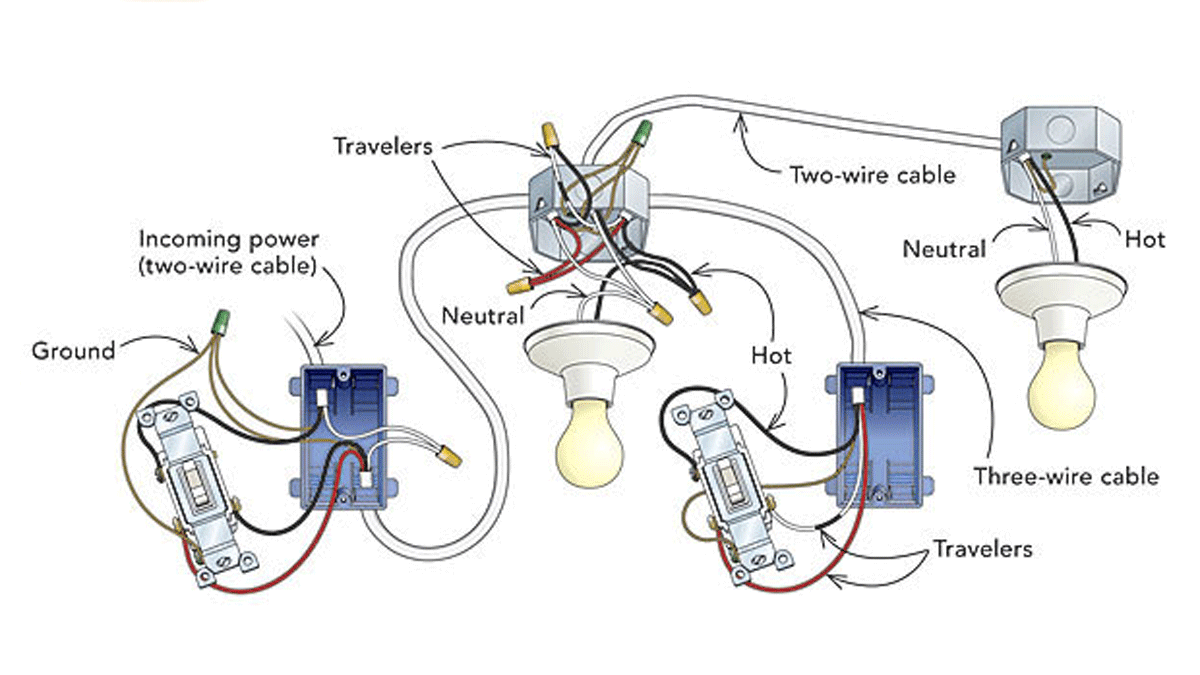
Plan the wiring path from the power source to the new switch. Keep the route short and direct to reduce wire use. Avoid running wires near water pipes or heating vents. Use existing walls or ceilings to hide wires. Mark the path clearly before cutting or drilling. This helps keep wires neat and safe.
Credit: www.finehomebuilding.com
Turning Off The Power
Turning off the power is the first step in safely adding an extra light switch. It stops electricity from flowing to the wires. This reduces the risk of electric shock or short circuits. Always double-check before working on any electrical project.
Locate Circuit Breaker
Find your home’s main electrical panel. It is usually in the basement, garage, or utility room. Open the panel door carefully. Look for the breaker that controls the room where you want to add the switch. The breaker will be labeled by room or area. Flip the breaker switch to the “off” position to cut power.
Verify Power Is Off
Test the switch or outlet to confirm power is off. Use a voltage tester or a simple plug-in device like a lamp. Turn on the light or device. If it does not work, the power is off. Never assume the power is off without testing. This step keeps you safe during installation.
Removing The Existing Switch
Removing the existing switch is the first step in adding a new light switch. It lets you access the wiring safely. Take your time and follow each step carefully. Safety is important. Always turn off the power at the circuit breaker before you start. Use a voltage tester to check that no electricity flows to the switch. Once the power is off, you can begin removing the switch.
Unscrewing The Cover Plate
Start by unscrewing the cover plate. Use a flathead or Phillips screwdriver. Hold the plate firmly. Turn the screws counterclockwise. Keep the screws in a safe place. The cover plate will come off easily. This reveals the light switch and wires.
Detaching The Switch
Next, unscrew the screws holding the switch to the electrical box. Pull the switch gently out of the box. Do not pull hard on the wires. Look at how the wires connect. Take a photo for reference. This helps when you attach the new switch. Loosen the terminal screws and detach the wires carefully.
Running The New Wire
Running the new wire is a key step when adding an extra light switch. It means getting the cable from the power source to the new switch location. This step needs care to keep your home safe and your wiring neat. Follow these clear steps to handle this task with ease.
Drilling And Fishing Wires
Start by drilling holes through the studs or joists. Use a drill bit that fits the wire size. Drill straight holes to avoid damaging other wires or pipes. Next, use a fish tape to pull the wire through the walls. Push the tape gently to avoid snagging. Attach the wire to the fish tape securely. Slowly pull the tape back to guide the wire to the switch box.
Securing The Cable
After running the wire, secure it with cable staples or clamps. Place staples every 4 to 6 feet along the cable. Avoid squeezing the cable too tightly. Keep the wire away from sharp edges and heat sources. Properly fastened wires reduce hazards and keep the installation tidy. Check local codes for the right securing methods and spacing.
Wiring The New Switch
Wiring the new switch is a key step in adding an extra light control. This part needs care and attention to ensure safety and proper function. You connect the new switch to the existing wiring in your home. The goal is to create a smooth path for electricity to flow to the light fixture. Follow each step carefully for the best results.
Connecting Wires
Turn off the power before starting any wiring work. Use a voltage tester to confirm the circuit is off. Identify the wires in the switch box: usually, black (hot), white (neutral), and bare copper or green (ground). Connect the new switch’s terminals to the black wires. Attach the black wire from the power source to one terminal. Connect the black wire going to the light fixture to the other terminal. Use wire nuts to secure the connections tightly. Wrap electrical tape around the wire nuts for extra safety. Push the wires gently back into the box to avoid damage.
Grounding Tips
Grounding prevents electrical shocks and fires. Locate the bare copper or green wire in the switch box. Attach this wire to the green grounding screw on the switch. If the switch box is metal, connect a grounding wire to it too. Use a wire nut to join multiple ground wires if needed. Make sure all ground connections are tight and secure. Proper grounding keeps your wiring safe and reliable. Double-check all connections before restoring power.

Credit: www.youtube.com
Installing The Switch And Cover
Installing the switch and cover is the final step in adding a new light switch. This step secures the switch in place and protects the wiring. It also gives a clean, finished look to your installation. Follow these simple steps to mount the switch and attach the cover safely and correctly.
Mounting The Switch
First, carefully push the switch back into the electrical box. Make sure no wires get pinched or twisted. Align the switch with the mounting holes on the box. Use a screwdriver to tighten the screws and hold the switch firmly. Avoid over-tightening, which can damage the switch or box. The switch should sit flush against the wall and not move.
Attaching The Cover Plate
Pick a cover plate that fits your switch style. Place the plate over the switch, aligning the screw holes. Insert the screws and tighten them gently with a screwdriver. The plate should be snug but not cracked. A properly attached cover plate keeps the switch safe and looks neat. Check that the switch moves freely without obstruction from the plate.
Testing The New Switch
Testing the new switch is a key step after installation. It ensures the switch works properly and safely. This process confirms that the wiring is correct and the light responds as expected. Take your time to perform each step carefully for the best results.
Restoring Power
First, turn the power back on at the breaker box. Check that the main switch controlling the circuit is in the ON position. Avoid touching any wires or the switch itself during this step. Use a non-contact voltage tester to confirm power is live before proceeding.
Functionality Check
Flip the new switch to test if the light turns on and off. Test all positions if you installed a three-way switch. Observe the light for any flickering or unusual behavior. Repeat the test a few times to ensure consistent operation. If the light does not respond, turn off the power and recheck your wiring.
Troubleshooting Common Issues
Adding an extra light switch can sometimes cause small problems. Most issues come from wiring or connection mistakes. Knowing how to fix these saves time and keeps your home safe.
Switch Not Working
Check if the power is off before starting any test. A common cause is loose wires. Tighten all screws on the switch and junction box. Verify the switch is connected to the correct wires. Test the switch with a voltage tester to ensure power is flowing. Replace the switch if it feels hot or looks damaged. Confirm the circuit breaker has not tripped. Reset it if needed.
Flickering Lights
Flickering lights often mean a weak connection. Look for loose wire nuts or screws in the switch box. Make sure the wires are secure and not broken. Check the light bulb; a faulty bulb can flicker. Use a bulb that matches the fixture’s wattage. Inspect the wiring for signs of wear or damage. If flickering continues, it may be a problem with the circuit or fixture. Consult a professional if unsure.
Frequently Asked Questions
How Do I Wire An Additional Light Switch Safely?
Turn off the power at the circuit breaker first. Use a voltage tester to confirm no electricity flows. Connect the new switch in parallel with the existing one using proper gauge wire. Follow local electrical codes for safe installation.
Can I Add A Light Switch Without Rewiring Walls?
Yes, use surface-mounted conduit or wireless smart switches. Surface conduit hides wires outside walls, while smart switches connect via Wi-Fi. Both options avoid wall rewiring and provide convenient control over your lighting.
What Tools Are Needed To Install An Extra Light Switch?
You need a screwdriver, wire stripper, voltage tester, electrical tape, and wire nuts. These tools help safely cut, strip, and connect wires. They ensure a secure and code-compliant switch installation.
How Much Does Adding A Second Light Switch Cost?
Costs vary but expect $50 to $150 for materials. Hiring an electrician may add $100 to $200 depending on complexity. DIY installation reduces expenses but requires electrical knowledge and safety precautions.
Conclusion
Adding an extra light switch can make your home more convenient. It helps control lights from different spots easily. Follow safety steps and use the right tools. Take your time and double-check your work. If unsure, ask a professional electrician for help.
Enjoy better lighting control and a smarter space. Simple changes can improve daily life at home. Try this project to save time and effort.

