Are you staring at those stubborn wall anchors and wondering how to get rid of them without damaging your walls? You’re not alone.
Removing unwanted wall anchors can feel tricky, but with the right approach, you can make your walls look smooth and clean again. You’ll discover simple, effective methods that anyone can use—no special tools or skills needed. Keep reading, and you’ll soon have the confidence to tackle those annoying anchors and restore your walls to perfect condition.
Credit: www.bobvila.com
Tools You’ll Need
Removing unwanted wall anchors needs the right tools. Using proper tools makes the job easier and safer. Gather these items before starting to avoid interruptions.
Flathead Screwdriver
A flathead screwdriver helps pry out anchors gently. Choose one with a size that fits under the anchor’s edge. It gives you control to avoid wall damage.
Pliers
Pliers grip anchors firmly for pulling. Needle-nose pliers work well for small or deep anchors. They provide a strong hold to remove stubborn pieces.
Drill With A Screwdriver Bit
A drill speeds up anchor removal, especially for threaded anchors. Use a bit that fits the anchor screws. It reduces effort and saves time.
Utility Knife
A utility knife cuts around anchors if they are flush with the wall. It helps loosen paint or drywall for easier removal. Use it carefully to protect the wall.
Spackle And Putty Knife
After removing anchors, spackle fills the holes smoothly. Use a putty knife to apply spackle evenly. These tools help restore your wall’s surface.
Types Of Wall Anchors
Wall anchors keep screws tight in drywall or hollow walls. They come in different types. Each type fits a specific need and wall kind. Knowing these types helps remove unwanted anchors safely.
Plastic Expansion Anchors
Plastic expansion anchors are common and easy to use. Push the anchor into a drilled hole. The anchor expands when you insert a screw. They hold light objects like picture frames.
Molly Bolts
Molly bolts are metal anchors for medium-weight items. Insert the bolt, then tighten the screw. The anchor expands inside the wall. It creates a strong hold in drywall or plaster.
Toggle Bolts
Toggle bolts work well for heavy objects. They have wings that open inside the wall. Insert the folded wings through a drilled hole. The wings spread and hold the bolt firmly.
Self-drilling Anchors
Self-drilling anchors do not need pre-drilling. Screw them directly into drywall. They have sharp tips and threads. These anchors hold medium weights and are easy to install.
Safety Precautions
Removing unwanted wall anchors requires care. Safety is important to avoid injuries and damage. Take steps before starting the removal process. Protect yourself and the wall.
Wear Protective Gear
Wear safety glasses to protect your eyes from dust and debris. Use gloves to keep your hands safe from sharp edges. Long sleeves help protect your skin during work.
Turn Off Power Sources
Check if any electrical wires are near the anchor. Switch off power to avoid electric shock. Use a voltage tester to be sure no current flows nearby.
Use The Right Tools
Choose tools designed for wall anchor removal. Avoid makeshift tools that can slip or break. Keep tools in good condition for safe use.
Work Slowly And Carefully
Remove anchors gently to avoid wall damage. Do not force or pull too hard. Take breaks if the process feels difficult or tiring.
Removing Plastic Expansion Anchors
Removing plastic expansion anchors from walls can be a tricky task. These anchors hold firmly in drywall or plaster. Removing them carefully helps avoid wall damage. Two simple methods work well for most plastic anchors. Both require only basic tools and a little patience.
Using Pliers
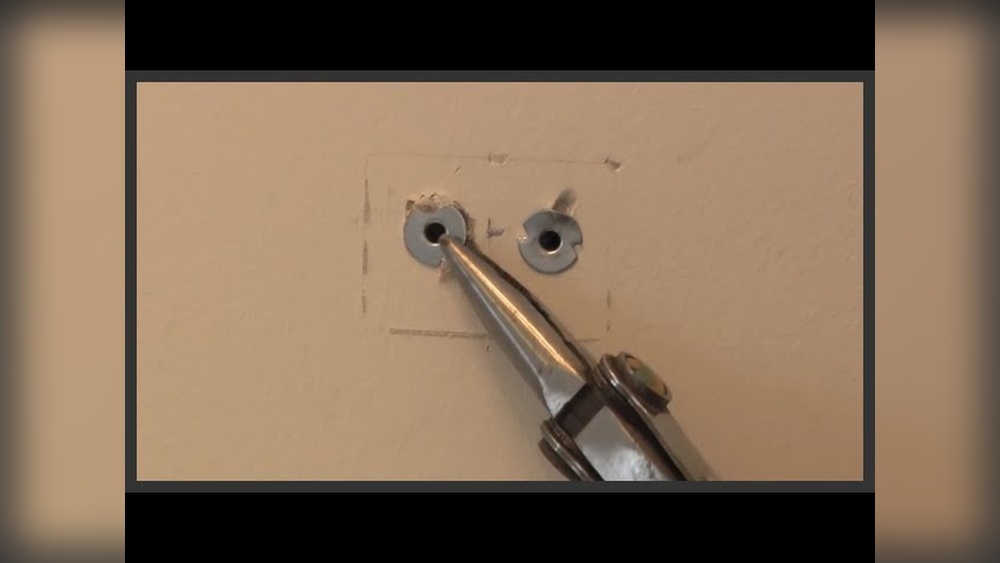
Grab a pair of needle-nose pliers. Hold the anchor firmly but gently. Twist it back and forth to loosen it. Slowly pull the anchor straight out of the wall. If it resists, wiggle it a bit more. Avoid pulling too hard to prevent wall damage. This method works best for anchors that stick out.
Pushing Anchor Inside The Wall
For anchors flush with the wall, try pushing them in. Use a screwdriver or similar tool. Press the anchor gently until it falls inside the wall cavity. This leaves a small hole behind. You can fill this hole with spackle or putty. This method avoids pulling and reduces wall damage.
Taking Out Molly Bolts
Removing molly bolts from your walls can seem tricky. These anchors hold tight once set inside the drywall. You need simple steps to get them out without damage. Follow easy methods to remove molly bolts safely and cleanly.
Unscrewing The Bolt
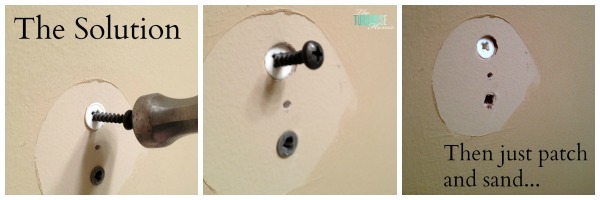
Start by turning the bolt counterclockwise. Use a screwdriver that fits the bolt head well. Keep turning until the bolt is fully out. The anchor will stay inside the wall for now. This step frees the bolt but does not remove the anchor itself.
Collapsing The Anchor
Next, push the anchor into the wall cavity. Use a thin tool like a screwdriver or punch. Tap gently to fold the anchor’s legs inward. Once collapsed, the anchor will fall behind the drywall. This leaves a small hole to fill and smooth. This method avoids tearing the wall surface.
Credit: theturquoisehome.com
Extracting Toggle Bolts
Extracting toggle bolts from your walls can be tricky. These anchors hold strongly inside the wall. Removing them needs care to avoid damage. This section guides you step-by-step on how to safely remove toggle bolts.
Removing The Screw
Start by turning the screw counterclockwise. Use a screwdriver that fits well. Turn slowly to avoid stripping the screw head. Pull the screw out once it is loose. The toggle wings will still be inside the wall.
Handling The Toggle Mechanism
The toggle wings inside the wall cannot pass back through the hole. Try to push them deeper into the wall cavity. Use a long, thin object like a screwdriver or stick. Gently tap the toggle to push it inside. This leaves a clean hole for patching later.
Dealing With Self-drilling Anchors
Self-drilling anchors are common in many homes. They hold items firmly on the wall. Removing these anchors can be tricky without the right steps. This section guides you through simple ways to get rid of self-drilling anchors. Follow these clear methods to avoid wall damage and remove anchors safely.
Unscrewing Techniques
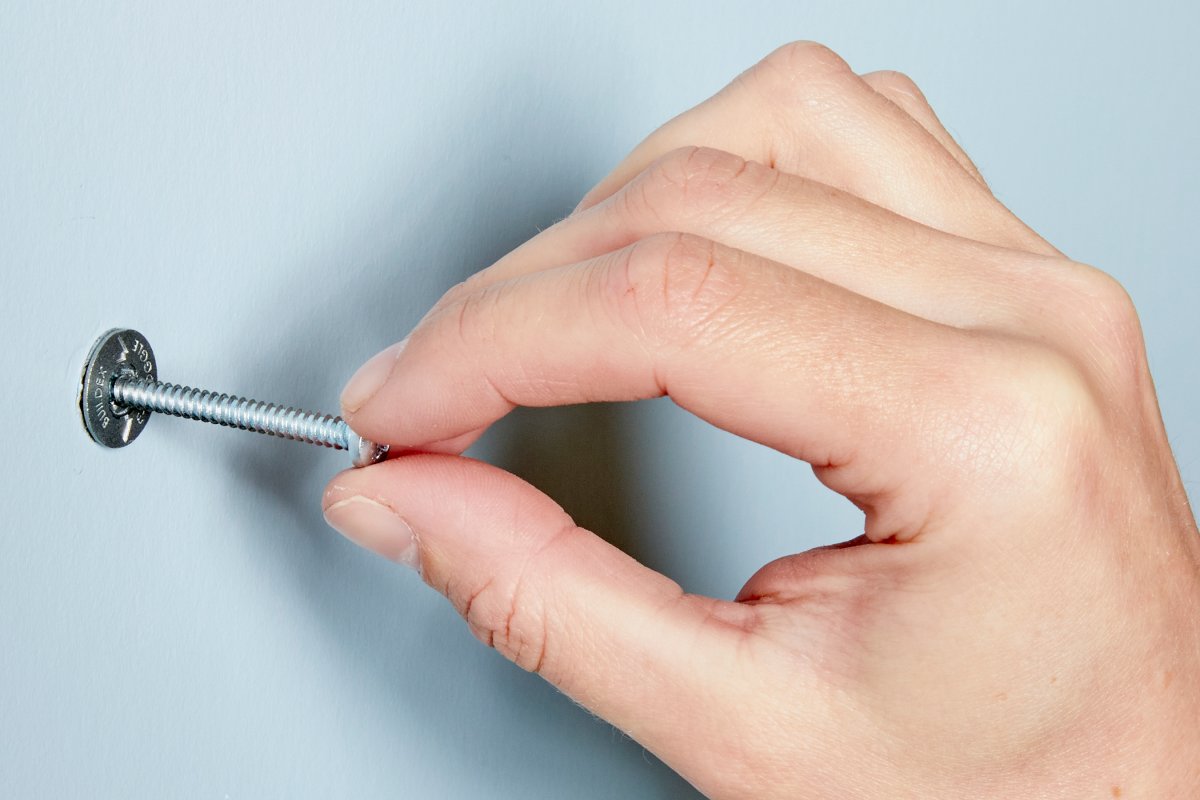
Start by trying to unscrew the anchor from the wall. Use a screwdriver that fits the anchor head well. Turn the screwdriver slowly counterclockwise. If the anchor moves, keep unscrewing it gently. Avoid forcing it to prevent wall damage. Sometimes the anchor may not turn easily. In this case, try pushing it slightly while turning. This helps loosen it from the drywall.
Using A Drill Or Screwdriver
Use a drill with a proper bit to remove stubborn anchors. Set the drill to a low speed. Place the drill bit on the anchor head carefully. Drill slowly to avoid making a bigger hole. You can also use a manual screwdriver if a drill is not available. Apply steady pressure while turning. This method helps pull out the anchor with less damage. If the anchor breaks, you may need to patch the hole later.
Fixing Wall Damage After Removal
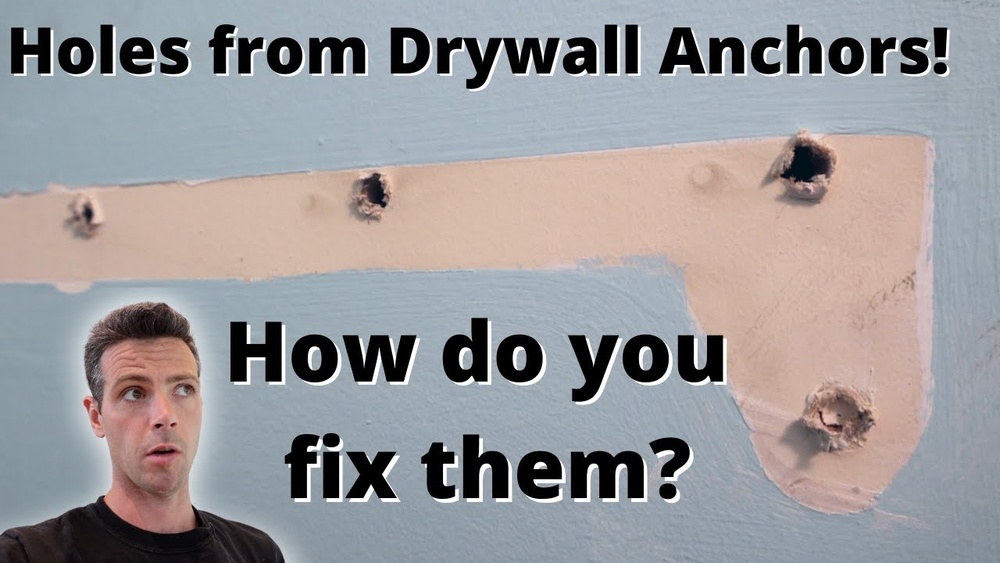
Removing wall anchors often leaves holes or small damage on your wall. Fixing these marks helps your wall look smooth and clean again. This step is important to restore the wall’s original look. A few simple tools and materials can fix the damage quickly.
Filling Holes
Start by cleaning the holes to remove dust and loose bits. Use a putty knife to apply wall filler or spackle into the holes. Press the filler firmly to fill the space completely. Let the filler dry for the time shown on the package. Avoid adding too much filler at once to prevent cracks.
Sanding And Painting
After the filler dries, gently sand the area with fine sandpaper. Sand until the wall feels smooth and even. Wipe away dust with a clean cloth before painting. Choose paint that matches your wall color for best results. Apply paint with a brush or roller in thin layers. Allow the paint to dry completely before touching the wall.
Tips To Avoid Wall Damage
Removing wall anchors can be tricky. The goal is to take them out without hurting the wall. Small mistakes can cause big holes or cracks. Follow these tips to keep your wall smooth and clean.
Use The Right Tools
Choose tools that fit the size of the anchor. A pair of pliers works well for most anchors. A screwdriver can help loosen stuck anchors. Avoid forcing tools that might damage the wall.
Pull Gently And Slowly
Pull the anchor out with a steady, gentle force. Ripping or yanking can tear the drywall. Take your time to avoid making the hole bigger.
Try Pushing Instead Of Pulling
Some anchors come out easier by pushing them inside the wall. This method hides the hole and prevents damage. Use a screwdriver to push anchors that are hard to remove.
Fill Holes Promptly
After removing the anchor, fill the hole quickly. Use spackle or wall filler to cover small holes. Smooth the surface with a putty knife for a neat finish.
Sand And Paint For A Clean Look
Lightly sand the dried filler to blend with the wall. Use matching paint to hide any marks. This step makes the wall look like new.

Credit: www.alwateenhome.com
Frequently Asked Questions
How Do I Safely Remove Wall Anchors?
To safely remove wall anchors, first unscrew the anchor if possible. Use pliers to pull it out gently. For stubborn anchors, push them into the wall cavity and fill the hole with spackle or putty.
What Tools Are Best For Removing Wall Anchors?
The best tools for removing wall anchors include pliers, a screwdriver, and a utility knife. Pliers help grip the anchor, screwdrivers can unscrew it, and utility knives clean around the hole for smooth repair.
Can Removing Wall Anchors Damage My Wall?
Yes, removing wall anchors can cause minor damage like holes or paint chipping. However, proper removal and filling the hole with spackle can restore the wall to its original condition effectively.
How Do I Repair Holes After Removing Anchors?
Fill the hole with spackling compound or wall putty using a putty knife. Let it dry, sand it smooth, and repaint the area to match the wall color for a seamless finish.
Conclusion
Removing unwanted wall anchors does not have to be hard. Use the right tools and gentle pressure. Take your time to avoid damaging the wall. Small holes can be fixed easily with putty or paint. Clean walls look better and feel fresh.
Keeping your space neat improves your home’s appeal. Now you know simple steps to handle wall anchors safely. Try these tips for a smooth, clean finish every time.