
Are you tired of your halltree wobbling or tipping over every time you use it? Anchoring your halltree to the wall is the simple solution that keeps it steady and safe.
In this guide, you’ll learn exactly how to secure your halltree quickly and easily, even if you’re not a DIY expert. By the end, you’ll have a strong, stable piece that stays put—making your entryway look neat and worry-free. Keep reading to find out the straightforward steps you can take right now to anchor your halltree securely.

Credit: www.bedbathandbeyond.com
Tools And Materials Needed
To anchor a hall tree to the wall safely, having the right tools and materials is important. This section lists what you need before starting the project. Preparing everything ahead saves time and effort. It also ensures a secure and stable installation.
Essential Tools
- Drill with appropriate drill bits
- Screwdriver or power driver
- Stud finder to locate wall studs
- Measuring tape for accurate placement
- Level to keep the hall tree straight
- Pencil to mark drilling spots
- Hammer for any necessary adjustments
Recommended Anchors And Screws
Choose anchors that match your wall type. For drywall, use heavy-duty plastic or metal anchors. For concrete or brick walls, use masonry anchors.
Pick screws that fit the anchors and the hall tree frame. Generally, 2 to 3 inch screws work well for most installations.
Ensure screws are strong enough to hold the weight of the hall tree and any items it will carry.
Preparing The Halltree
Preparing the halltree is the first step to secure it safely to your wall. This process helps avoid damage and ensures the halltree stays stable. Take your time to complete these tasks carefully.
Organizing your tools and clearing space around the halltree makes the work easier. A clean area prevents accidents and lets you move freely during installation.
Locate Mounting Points
Find the spots on the halltree designed for wall anchors. These are usually holes or brackets on the back. Mark these points clearly with a pencil. Proper marking helps align the halltree perfectly on the wall.
Check the halltree’s instructions if available. They often show recommended mounting points. Use a level to ensure the marks are straight and even.
Check For Stability
Test the halltree’s balance before anchoring it. Gently rock it to see if it wobbles or tilts. Unstable halltrees need extra support or adjustment before wall mounting.
Inspect the floor where the halltree will stand. A flat, solid floor adds stability. Use shims or pads if the floor is uneven to prevent rocking.
Selecting The Right Wall
Selecting the right wall is key to safely anchoring your halltree. Not all walls hold weight the same way. Choosing a strong wall ensures your halltree stays stable and secure. This step protects your furniture and walls from damage. Check the wall type and find the best spots to place anchors.
Identify Wall Type
First, know what kind of wall you have. Common walls are drywall, plaster, or brick. Drywall is soft and hollow behind the surface. Plaster walls are harder but may have wooden laths inside. Brick or concrete walls are very strong but need special anchors. Knowing your wall type helps pick the right tools and anchors.
Find Studs Or Use Drywall Anchors
Studs are wooden beams behind drywall that hold heavy items well. Use a stud finder to locate them. Anchoring into studs gives the most support. If you cannot find studs, use drywall anchors. These spread the load and hold better in hollow walls. Choose anchors rated for the weight of your halltree. Secure anchoring prevents accidents and keeps your halltree steady.
Marking And Drilling
Marking and drilling are important steps to anchor your hall tree to the wall safely. Proper marking ensures the screws go into the right places. Drilling pilot holes helps avoid cracks and makes screwing easier. These steps keep the hall tree stable and secure.
Measure And Mark Drill Spots
First, measure the spots on the wall where the anchors will go. Use a tape measure to get exact distances. Mark these points with a pencil. Make sure the marks line up with the hall tree’s anchor holes. Double-check the measurements to avoid mistakes. Accurate marks make drilling quick and precise.
Drilling Pilot Holes
Choose a drill bit that fits the anchor size. Drill small pilot holes on your marked spots. Drill slowly and straight to avoid wall damage. Pilot holes guide the screws and prevent the wall from cracking. Clean any dust from the holes before inserting anchors.
Installing Anchors
Installing anchors is a key step to secure your hall tree to the wall safely. Properly placed anchors hold the weight and keep the hall tree stable. This part of the process requires care and precision.
Insert Wall Anchors
First, mark the points on the wall where you want to place the anchors. Drill holes of the correct size for your anchors. Push the wall anchors into the holes gently. Make sure they fit snugly without forcing them.
Secure Anchors Firmly
Next, tighten the anchors using screws or bolts. Use a screwdriver to turn the screws slowly. Stop when the anchors feel tight and do not move. This ensures the hall tree will stay in place without wobbling.
Mounting The Halltree
Mounting the halltree securely to the wall keeps it stable and safe. This step prevents tipping and protects your home. Follow simple instructions to anchor it properly. Preparation and careful handling make the job easier and faster.
Align And Attach To Wall
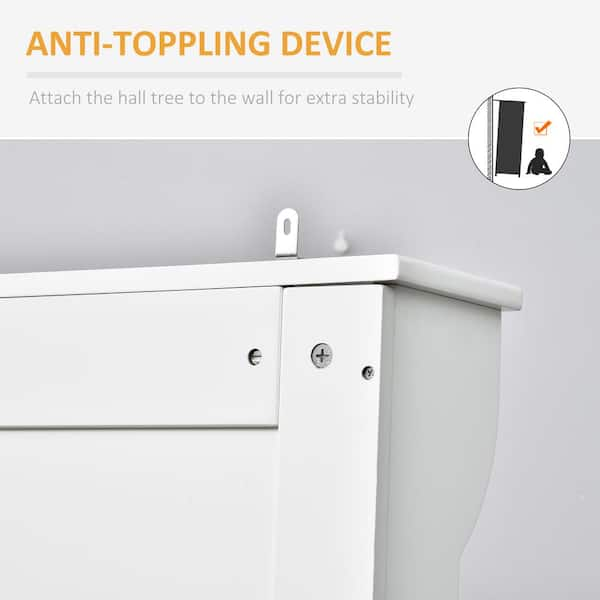
Place the halltree against the wall in the desired spot. Check that it stands straight and fits well. Use a level to ensure perfect alignment. Mark the wall through the mounting holes on the halltree. Drill holes at the marked points. Insert wall anchors if needed for extra support. Hold the halltree in place and attach it using screws provided.
Tighten Screws Safely
Use a screwdriver or drill to tighten the screws. Turn slowly to avoid stripping the screw heads. Tighten until the halltree feels firmly attached to the wall. Do not overtighten to prevent damage to the wall or furniture. Check all screws again after mounting. Confirm the halltree is steady and secure before use.
Safety Checks
Safety checks are important after anchoring a hall tree to the wall. They ensure the hall tree stays steady and safe. Skipping these checks can cause accidents or damage. Follow simple steps to confirm the hall tree is secure.
Test For Firmness
Push the hall tree gently from different sides. It should not wobble or move easily. Check if the screws and anchors hold tight. Any movement means the hall tree is not stable yet. Test each part connected to the wall carefully.
Adjust If Necessary
Find loose screws or anchors and tighten them. Use a screwdriver or drill to secure fasteners well. Add extra anchors if the wall feels weak. Make sure the hall tree sits flush against the wall. Repeat the firmness test after adjustments.
Credit: www.homedepot.com
Maintenance Tips
Proper maintenance keeps your hall tree safe and sturdy for years. Simple care steps prevent damage and extend its life. Regular checks catch problems early. Small fixes stop bigger issues.
Regular Inspection
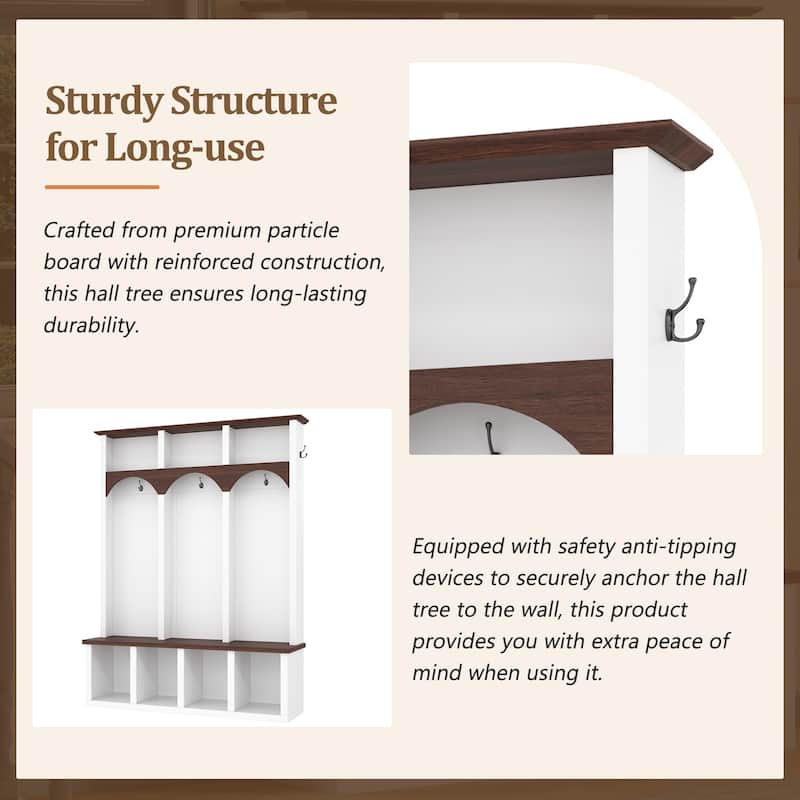
Look over the hall tree often. Check for cracks, loose parts, or signs of wear. Inspect the wall anchors and screws carefully. Notice any wobbling or movement. Early spotting helps avoid accidents.
Tighten Loose Screws
Use a screwdriver to tighten any loose screws. Focus on those holding the hall tree to the wall. Secure screws improve stability. Tight screws reduce noise and movement. Make this a monthly habit for safety.
Credit: www.overstock.com
Frequently Asked Questions
How Do I Securely Anchor A Hall Tree To The Wall?
Use wall anchors or screws suitable for your wall type. Find studs with a stud finder for maximum support. Attach the hall tree firmly with brackets or mounting plates to prevent tipping or wobbling.
What Tools Are Needed To Anchor A Hall Tree?
You will need a drill, screws, wall anchors, a stud finder, a screwdriver, and a level. These tools help ensure the hall tree is securely mounted and properly aligned on the wall.
Can I Anchor A Hall Tree On Drywall Alone?
Yes, but use heavy-duty wall anchors or toggle bolts. Anchoring into drywall alone is less secure than using studs. Always check weight limits and anchor types for safety.
How High Should I Anchor A Hall Tree To The Wall?
Anchor the hall tree at a height that aligns with its mounting brackets. Typically, this is around the upper back panel to ensure stability. Measure carefully before drilling to avoid errors.
Conclusion
Anchoring a hall tree to the wall keeps it steady and safe. Use the right tools and follow steps carefully. Check the wall type before drilling. Secure screws tightly to avoid wobbling. Take your time and stay patient during the process.
A well-anchored hall tree lasts longer and holds better. This simple task improves your home’s organization and safety. Now, your hall tree stands strong and ready for daily use.


