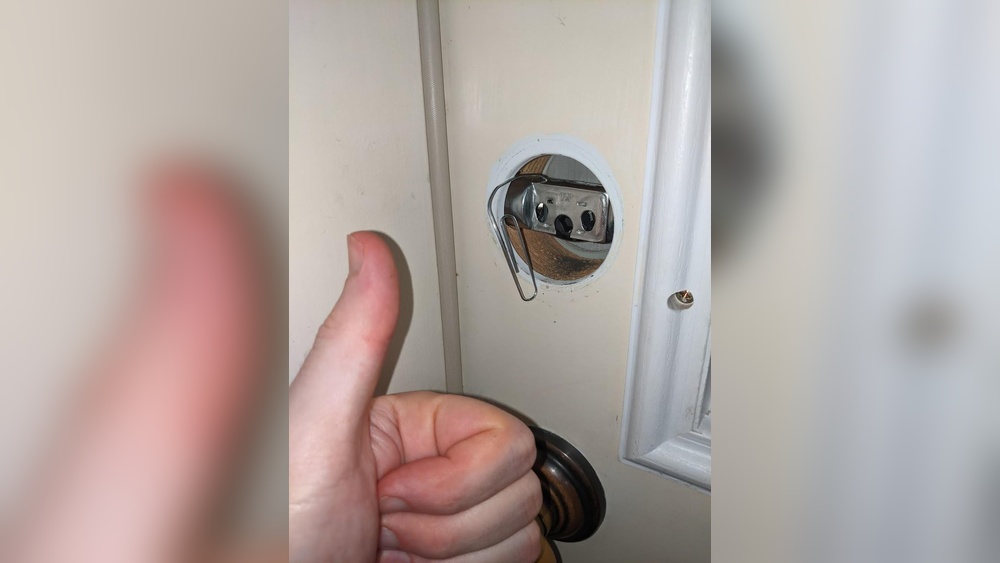
Have you ever found yourself locked out because you lost your deadbolt key? It can be frustrating and stressful, especially when you need to get inside quickly.
But don’t worry—you don’t have to call a locksmith right away. You’ll learn simple and effective ways to remove a deadbolt lock without a key. By the end, you’ll feel confident handling this situation on your own, saving time and money.
Keep reading to discover the step-by-step methods that anyone can use.

Credit: diy.stackexchange.com
Tools Needed
Removing a deadbolt lock without a key requires specific tools. These tools help you work safely and efficiently. Having the right equipment makes the task easier.
Flathead Screwdriver
A flathead screwdriver is essential. It helps remove the screws holding the lock in place. Choose one with a sturdy handle for better grip.
Drill And Drill Bits
A drill with metal drill bits is useful. It allows you to bore through the lock cylinder. Use the right size bit to avoid damage to the door.
Pliers
Pliers help grip and pull parts of the lock. Needle-nose pliers work well for tight spaces. They can also bend or twist metal pieces.
Hammer
A hammer helps tap tools or break parts of the lock. Use a small hammer for control. This tool is handy for loosening stuck components.
Utility Knife
A utility knife can cut through sealants or tape. It helps clean up edges after removing the lock. Always handle the knife carefully to avoid injury.
Identify Your Lock Type
Identifying your lock type is the first step in removing a deadbolt lock without a key. Each lock has a different design and method of removal. Knowing the type helps you choose the right tools and techniques. This saves time and prevents damage to your door.
Deadbolt locks come in several common types. Some have visible screws, while others are hidden. Some locks have a keyhole on both sides, and others only on one side. Recognizing these details guides your removal process.
Single Cylinder Deadbolt
This type has a keyhole on the outside and a thumb turn on the inside. It is the most common deadbolt found in homes. Removing it usually involves unscrewing the interior thumb turn plate first.
Double Cylinder Deadbolt
This lock has a keyhole on both sides. It requires a key to open from either side. Removing it often needs a key or special tools to access the screws inside.
Keyless Deadbolt
Keyless deadbolts use a keypad or combination code. They do not have a traditional keyhole. Removal may involve detaching the keypad and unscrewing hidden fasteners.
Smart Deadbolt
Smart deadbolts connect to apps or remote controls. They often have a keyhole backup. Removing them may require disconnecting batteries before unscrewing the lock parts.
Remove The Deadbolt Cover
Removing the deadbolt cover is the first step to take off a deadbolt lock without a key. This cover hides the screws and locking parts inside. Taking it off lets you see the lock’s inner mechanism.
Most deadbolt covers fit tightly. They need careful handling to avoid damage. Use the right tools and gentle pressure to remove the cover safely.
Gather Necessary Tools
Prepare a flathead screwdriver or a small pry tool. These help you lift the cover without scratching the door.
Locate The Screw Holes
Check the deadbolt cover for visible screws. Some covers hide screws under small caps or plates.
Remove Screws Carefully
Turn screws counterclockwise with a screwdriver. Keep screws safe for reassembly later.
Gently Pry Off The Cover
Insert the flathead screwdriver under the cover edge. Apply light pressure to lift it slowly.
Inspect The Inside Of The Lock
With the cover off, you can see the lock parts. This view helps plan the next removal steps.
Use A Credit Card Method
The credit card method is a simple way to open a door with a deadbolt lock. It works best on spring bolt locks, but sometimes it helps with deadbolts too. This trick uses a flexible card to push the bolt back and open the door.
It requires no special tools. Just a card and some patience. Not every deadbolt will open this way, but it is worth trying before calling a locksmith.
Choose The Right Card
Use a plastic card that you do not mind damaging. Old gift cards or loyalty cards work well. Avoid using your bank or credit cards to prevent damage.
Insert The Card
Slide the card between the door frame and the edge of the lock. Aim for the gap near the bolt. Move the card slowly and wiggle it to find space.
Push The Bolt Back
Use the card to push the bolt back into the door. Apply gentle pressure and slide the card up and down. The goal is to push the bolt enough to open the door.
Try Door Movement
While pushing the bolt, try to open the door. A slight push or pull can help the bolt slip. Keep the card in place until the door opens.
Try Lock Picking Techniques
Trying lock picking techniques can help remove a deadbolt lock without a key. These methods need patience and a gentle touch. Understanding the basic tools and steps makes the process easier. Practice may be needed to get the feel of the lock’s mechanics.
Using A Tension Wrench
The tension wrench applies pressure inside the lock cylinder. Insert it into the lower part of the keyhole. Twist it gently in the direction the key usually turns. Keep steady pressure but do not force it hard. This pressure holds the pins in place while you pick them.
Inserting A Pick Tool
After applying tension, use a pick tool to lift the pins. Insert the pick into the top part of the keyhole. Feel each pin and lift it slowly until it clicks. Move the pick back and forth to set all pins correctly. Once all pins are set, the lock will turn open.
Drill Out The Lock
Drilling out a deadbolt lock is a direct way to remove it without a key. This method destroys the lock cylinder, allowing you to take off the lock quickly. It requires careful handling and the right tools to avoid damage to the door. Safety and precision matter most during the process.
Choosing The Right Drill Bit
Select a drill bit designed for metal. A high-speed steel (HSS) bit works well for most deadbolt locks. Start with a smaller bit, about 1/8 inch, to make a pilot hole. Then switch to a larger bit, around 3/8 inch, to drill through the lock cylinder. Picking the right size helps drill smoothly and prevents slipping.
Drilling Safely
Wear safety glasses to protect your eyes from metal shavings. Keep the drill steady and apply firm pressure. Drill straight into the center of the keyhole. Stop if you feel the drill bit slipping or the drill motor slowing. Take breaks to avoid overheating the drill bit. After drilling, you can remove the lock parts with pliers or a screwdriver.
Disassemble The Lock Mechanism
Disassembling the lock mechanism is a key step to remove a deadbolt without a key. It helps expose the internal parts. Once exposed, you can work on freeing the lock from the door. This step requires patience and some basic tools. Careful handling prevents damage to the door and lock parts.
Remove The Exterior Cover Plate
Start by locating the screws on the exterior cover plate. Use a screwdriver to take them out. Keep the screws safe for reassembly. Gently pull the cover plate away from the door. This reveals the inner parts of the lock.
Unscrew The Interior Thumb Turn
Find the screws holding the thumb turn on the inside. Remove these screws carefully. The thumb turn will come off easily afterward. This step gives you access to the lock’s core mechanism.
Extract The Deadbolt Cylinder
Look for the retaining screw on the edge of the door. Remove this screw to release the cylinder. Pull the cylinder straight out with steady force. This exposes the locking bolt inside the door.
Disassemble The Bolt And Housing
Locate screws on the bolt housing on the door’s edge. Unscrew and remove the housing carefully. Slide out the bolt from the door frame. This frees the lock mechanism from the door completely.
Replace Or Reinstall The Lock
Replacing or reinstalling a deadbolt lock is often the best choice after removing it without a key. This step restores security and ensures the lock works properly. It might feel tricky, but the process is straightforward and manageable with basic tools.
Choosing to replace the lock allows you to pick a new model that fits your needs. Reinstalling the old lock works if it is still in good condition and undamaged. Both options help secure your door again quickly.
Preparing The Door For The New Lock
Start by cleaning the door surface where the old lock was. Remove any screws, debris, or broken parts. Check the holes and make sure they are the right size for the new lock. A smooth, clean surface makes installation easier and more secure.
Installing A New Deadbolt Lock
Align the new deadbolt with the holes in the door. Insert the bolt and secure it with screws. Attach the exterior and interior parts of the lock. Tighten all screws firmly but avoid over-tightening. Test the lock by turning the key or knob to check smooth operation.
Reinstalling The Old Lock
Inspect the old lock for any damage or wear. Replace any broken parts like screws or the latch if needed. Follow the steps to fit the lock back into the door. Make sure it fits snugly and operates without sticking. Test the lock multiple times to confirm it works well.
Preventive Tips For Future Lockouts
Lockouts cause stress and waste time. Preventing them helps keep your day smooth. Simple habits and tools make a big difference. Prepare your home and yourself to avoid future lock problems.
Store Spare Keys Safely
Keep extra keys in trusted places. Give a spare key to a close family member. Use a secure lockbox outside your home. Avoid hiding keys in obvious spots.
Use Keyless Entry Systems
Consider installing keyless locks. These let you enter codes instead of keys. They reduce the risk of losing keys. Some models allow remote access and alerts.
Label Your Keys Clearly
Mark keys with simple labels. Use colors or tags for easy ID. Avoid labels that say “Home” or “House.” This keeps your keys safer from strangers.
Practice Lock And Key Checks
Make it a habit to check your keys before leaving. Confirm you have the right key for your door. This small step prevents many lockout moments.
Maintain Your Locks Regularly
Clean and oil locks every few months. Worn or stuck locks are harder to open. Regular care keeps locks working smoothly and lasts longer.

Credit: fast.parkavenuelocks.com

Credit: www.youtube.com
Frequently Asked Questions
How Can I Remove A Deadbolt Without A Key?
You can remove a deadbolt without a key by unscrewing the lock’s interior screws. Use a screwdriver to detach the lock’s interior knob or plate. Then, pull the lock mechanism out carefully. This method works if you have access to the lock’s inside part.
What Tools Are Needed To Remove A Deadbolt Lock?
Essential tools include a screwdriver, drill, and sometimes pliers. A drill helps if screws are stripped or hidden. A flathead screwdriver can pry off covers. Pliers assist in pulling out stubborn parts. Having these tools makes removing a deadbolt easier and faster.
Is It Legal To Remove A Deadbolt Without A Key?
Removing a deadbolt without a key is legal if you own the property. It is illegal if you do not have permission. Always ensure you have the right to alter or remove locks. When in doubt, consult a locksmith or property owner.
Can I Remove A Deadbolt Lock Without Damaging The Door?
Yes, you can remove a deadbolt without damaging the door by carefully unscrewing and dismantling the lock. Avoid using force or power tools aggressively. Gentle handling preserves the door’s finish and structure. Patience and proper tools are key to a damage-free removal.
Conclusion
Removing a deadbolt without a key can seem hard. But with the right tools and steps, it is possible. Stay calm and work carefully to avoid damage. Always try simple methods before using force. If you feel stuck, asking a professional is wise.
Knowing these tips helps you handle lock problems safely. Keep your home secure and be prepared for lock troubles. Practice these steps to save time and stress later.