Your light switches and sockets are touched countless times every day, yet they often get overlooked when it comes to cleaning. This can leave dirt, germs, and grime building up in places you use constantly.
But don’t worry—cleaning them is easier than you think. You’ll discover simple, safe, and effective ways to make your switches and sockets shine like new. Keep reading to learn how a small cleaning habit can make a big difference in your home’s hygiene and appearance.

Credit: www.brightsparkelectrician.co.uk
Safety First
Cleaning light switches and sockets requires extra care to avoid electric shock. Always turn off the power before wiping surfaces with a dry cloth. Avoid using water or wet materials near electrical parts to stay safe.
Turn Off Power
Always switch off the power before cleaning switches or sockets. Find the correct circuit breaker and turn it off. This stops any risk of electric shock. Confirm the power is off by flipping the switch and checking if the light or appliance responds. Never clean switches or sockets while the power is on. This step protects you from serious injury.
Use Protective Gear
Wear rubber gloves to keep safe from electricity. Gloves stop any chance of electric shock during cleaning. Use a dry cloth or a slightly damp cloth with mild cleaner. Avoid using too much water, which can cause damage or shock. Safety glasses can protect your eyes from dust or cleaner splashes. Always handle switches and sockets gently to avoid damage.
Gather Cleaning Supplies
Gathering the right supplies makes cleaning light switches and sockets safe and easy. Having all tools and solutions ready saves time and avoids distractions. Prepare everything before starting to ensure smooth cleaning.
Essential Tools
Use a soft cloth to wipe dust and dirt gently. Cotton swabs help reach small spaces around switches and sockets. A small brush removes stubborn grime without scratching surfaces. Keep a screwdriver handy if you need to remove switch covers. Wear rubber gloves to protect your hands from cleaning solutions.
Recommended Cleaning Solutions
Use a mild soap mixed with water to clean without damage. Avoid harsh chemicals that may harm plastic or metal parts. Rubbing alcohol works well to disinfect and dries quickly. Never spray liquids directly on switches or sockets to avoid electrical hazards. Apply solutions to cloth or swabs for safe cleaning.
Prepare The Area
Preparing the area is the first step to clean light switches and sockets safely. It helps avoid damage and keeps the process smooth. Take time to set up the space before starting. This makes cleaning easier and more effective.
Remove Covers
Turn off the power to the switch or socket. Use a screwdriver to carefully remove the cover plate. Place screws and covers in a safe spot. Removing covers allows better access to clean hard-to-reach spots. Handle covers gently to avoid cracks or breaks.
Dust And Debris Removal
Use a soft brush or a dry cloth to remove dust and dirt. Clean around the edges and inside the socket area. Avoid using water at this stage. Removing loose debris ensures a cleaner surface for deeper cleaning. This step prevents dirt from spreading during the process.
Credit: www.migros.ch
Cleaning Techniques
Cleaning light switches and sockets is simple with the right techniques. These areas collect dirt and germs fast. Regular cleaning keeps them safe and looking fresh. Use gentle methods to avoid damage and ensure a thorough clean.
Below are easy and effective ways to clean these common touchpoints in your home.
Wiping With Cloth
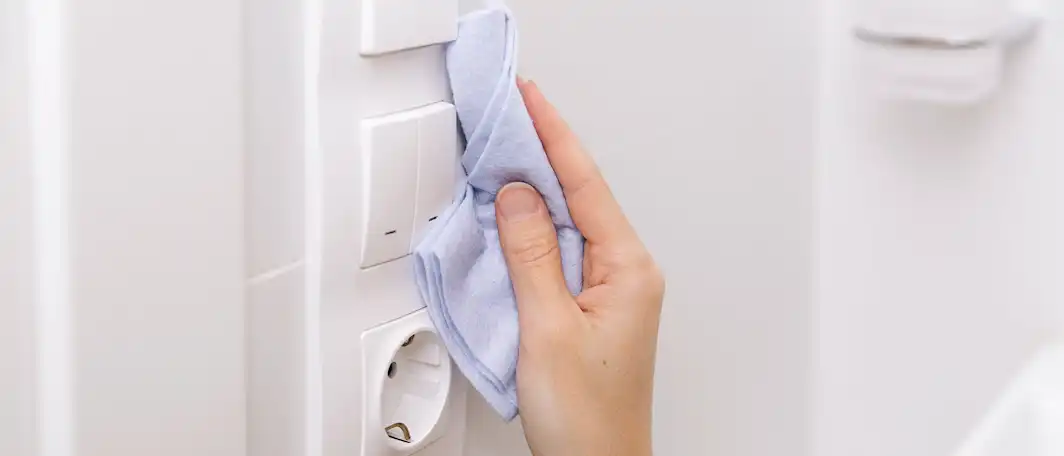
Use a soft, damp cloth to wipe the surface. Avoid soaking the cloth to prevent water from entering the socket. Move in gentle circles to lift dirt and oils. Dry the area with a dry cloth to stop moisture buildup. This method removes everyday dust and grime quickly.
Using Cotton Swabs
Cotton swabs reach small spaces around switches and sockets. Slightly dampen the swab with water or mild cleaner. Carefully clean edges and crevices where dirt hides. Replace swabs often to avoid spreading dirt. This technique cleans hard-to-reach spots well.
Dealing With Stubborn Stains
Use a mix of mild soap and water for tough stains. Apply the solution with a cloth or cotton swab. Rub gently to avoid damaging the surface. Avoid harsh chemicals that may harm plastic or paint. Rinse with a damp cloth and dry thoroughly. Stubborn marks become easier to remove with patience.
Drying And Reassembly
After cleaning light switches and sockets, drying and reassembly are key steps. Moisture left inside can cause damage or electrical issues. Take time to ensure everything is completely dry before putting parts back together.
Careful reassembly keeps your switches and sockets working safely and smoothly. Follow simple steps to finish the job right.
Ensure Complete Dryness
Use a dry cloth to wipe the switch and socket surfaces. Check inside the cover for any damp spots. Allow the parts to air dry for at least 30 minutes. Avoid using heat sources like hair dryers. They can damage plastic or wiring. Confirm there is no moisture before moving on.
Reattach Covers Properly
Align the cover plate with the switch or socket carefully. Press it firmly to snap or screw it back in place. Tighten screws just enough to hold the cover securely. Do not overtighten and crack the plate. Test the switch or socket to ensure it works well. Proper reassembly protects your electrical parts and keeps your home safe.

Credit: www.youtube.com
Maintenance Tips
Keeping light switches and sockets clean is important for safety and appearance. Regular care stops dirt buildup and prevents damage. Follow simple maintenance tips to keep them working well and looking good.
Regular Cleaning Schedule
Set a cleaning routine for switches and sockets. Wipe them gently every two weeks with a soft, dry cloth. Use a slightly damp cloth for stubborn dirt, but never soak the area. Regular cleaning keeps dust and germs away. It also helps find problems early before they get worse.
Avoiding Damage
Never use harsh chemicals or abrasive tools on switches or sockets. These can scratch surfaces or harm the internal parts. Always turn off power before cleaning to avoid shocks. Avoid spraying cleaners directly onto the switch or socket. Instead, apply cleaner on the cloth first. Handle switches gently to prevent loosening or breaking them.
Frequently Asked Questions
How Do I Safely Clean Light Switches?
Turn off the power at the breaker before cleaning. Use a dry or slightly damp cloth with mild soap. Avoid excessive moisture to prevent electrical hazards. Never spray cleaner directly on switches.
What Materials Are Best For Cleaning Sockets?
Use a dry microfiber cloth or a soft brush. Avoid water or liquid cleaners to prevent damage or shocks. For stubborn dirt, use a cotton swab lightly dampened with rubbing alcohol.
How Often Should Light Switches Be Cleaned?
Clean light switches at least once a month. This prevents grime buildup and reduces germs. Increase cleaning frequency in high-traffic or shared areas for better hygiene.
Can I Use Disinfectant Wipes On Switches?
Yes, disinfectant wipes are safe if not overly wet. Wipe gently and avoid moisture seeping into the switch. Allow the surface to dry completely before turning power back on.
Conclusion
Cleaning light switches and sockets keeps your home safe and fresh. Dirt and germs build up quickly on these surfaces. Regular cleaning stops the spread of bacteria and improves your home’s look. Always turn off the power before you start.
Use gentle cleaners to avoid damage. Small efforts make a big difference in hygiene. Keep switches and sockets clean for a healthier living space. Simple steps protect your family and extend the life of your fixtures. Stay safe, stay clean!


