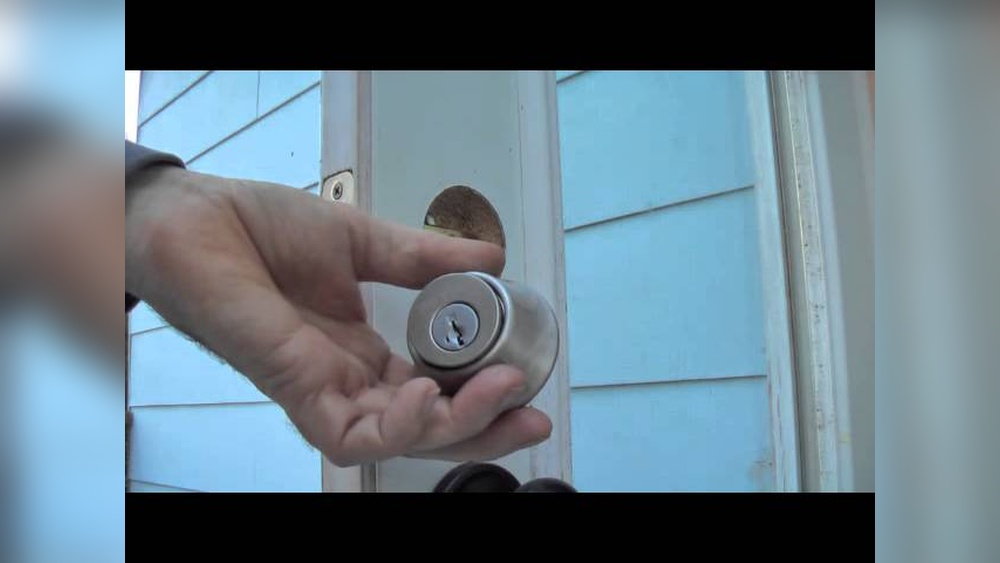
Is your deadbolt feeling loose or wobbly? A shaky lock isn’t just annoying—it can put your home’s security at risk.
You might think fixing it is complicated or requires a professional, but tightening a deadbolt is something you can do yourself, quickly and easily. You’ll discover simple steps to make your deadbolt secure again, giving you peace of mind every time you lock your door.
Keep reading to learn exactly how to tighten your deadbolt and protect what matters most.
Credit: www.youtube.com
Signs Of A Loose Deadbolt
A loose deadbolt can cause security risks and frustration. It may not lock or unlock smoothly. Spotting signs early helps prevent bigger problems. Watch for these common signs of a loose deadbolt.
Wobbling Lock Cylinder
The lock cylinder should stay firm when touched. A wobbling cylinder feels loose and unstable. This means screws or parts inside might be loose. It can make the lock less secure and harder to use.
Difficulty Turning The Key
If the key feels hard to turn, it signals a problem. A loose deadbolt can cause internal parts to misalign. This misalignment makes locking or unlocking tough. It may need tightening to work smoothly again.
Misaligned Strike Plate
The strike plate holds the bolt in place when locked. If it does not line up correctly, the bolt won’t fit well. This causes the door to feel loose or not close fully. Adjusting or tightening the plate helps fix this issue.

Credit: www.reddit.com
Tools Needed For Tightening
Tightening a deadbolt requires a few simple tools. These tools help adjust screws and keep parts moving smoothly. Having the right tools makes the job easier and faster.
Gathering these tools before starting saves time and avoids frustration. Each tool has a specific role in the tightening process.
Screwdrivers
Screwdrivers are essential for tightening screws on the deadbolt. Usually, a Phillips head screwdriver fits most deadbolt screws. Some deadbolts may need a flathead screwdriver. Choose the right size to avoid damaging screws.
Allen Wrench
Many deadbolts use small hex screws that require an Allen wrench. This tool fits into hex-shaped screw heads for tightening. Allen wrenches often come in a set with different sizes. Pick the size that fits the screws on your deadbolt.
Lubricant
Lubricant helps the deadbolt move smoothly after tightening. Use a graphite or silicone spray for best results. Avoid oil-based lubricants because they attract dirt. Apply a small amount to the bolt and keyhole.
Step-by-step Tightening Process
Tightening a deadbolt ensures your door stays secure and works smoothly. This process involves a few simple steps. Each step targets a specific part of the lock. Follow along to fix any looseness in your deadbolt quickly.
Remove The Deadbolt Cover
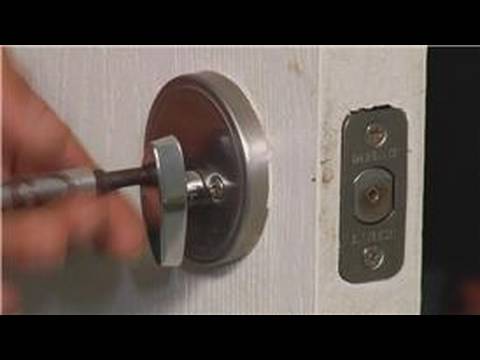
Start by locating the screws on the deadbolt cover. Use a screwdriver to remove these screws carefully. Take off the cover and set it aside. This reveals the internal parts of the lock for easy access.
Tighten Screws On The Faceplate
Next, find the screws on the faceplate of the deadbolt. Tighten each screw firmly with your screwdriver. Make sure the faceplate fits snugly against the door. Loose screws here can cause the deadbolt to wobble.
Secure The Lock Cylinder
Check the lock cylinder inside the door. Tighten the screws holding the cylinder in place. This step helps prevent the lock from shifting when used. Make sure the cylinder sits flush with the door surface.
Adjust The Strike Plate
Finally, look at the strike plate on the door frame. Tighten its screws to secure it firmly. If the deadbolt does not align well, adjust the plate’s position. Proper alignment allows the bolt to slide in smoothly.
Credit: www.doityourself.com
Testing The Lock After Tightening
After tightening a deadbolt, testing the lock is essential. This step ensures the lock works properly and keeps your door secure. Simple checks help confirm the deadbolt functions smoothly and stays stable. Testing also helps spot any problems early. Follow these steps to test your deadbolt after tightening.
Check Smooth Key Operation
Insert the key and turn it slowly. The key should turn without resistance or sticking. If it feels hard to turn, the lock may need more adjustment. Try turning the key several times to confirm smooth operation. A smooth key turn means the lock is aligned correctly.
Ensure Deadbolt Fully Extends
Turn the key to extend the deadbolt fully into the door frame. The bolt should slide out completely and fit tightly. Partial extension means the deadbolt might not secure the door well. Check the bolt movement several times to be sure it extends fully every time.
Verify Lock Stability
Grab the door handle and try to move the door. The deadbolt should hold the door firmly without wobbling. If the lock feels loose or shaky, tighten the screws again. A stable lock prevents forced entry and keeps your home safe.
Common Mistakes To Avoid
Tightening a deadbolt seems simple, but many people make avoidable mistakes. These errors can cause the lock to work poorly or even break. Knowing what to avoid helps keep your deadbolt secure and functioning well.
Overtightening Screws
Turning screws too tight can strip the holes or crack the door. This makes the lock loose over time. Tighten screws just until they are snug. Stop once you feel resistance. Use steady pressure to avoid damage.
Ignoring Misaligned Door Frame
A misaligned door frame causes the deadbolt to bind or not lock properly. Check the frame before tightening screws. Adjust the strike plate or hinges if needed. Fixing alignment ensures the deadbolt fits and locks smoothly.
Using The Wrong Tools
Using incorrect tools can damage screws or the lock itself. Use a screwdriver that fits the screw head exactly. Avoid power tools with high torque. Hand tools give better control and prevent damage.
Tips For Maintaining Deadbolt Security
Keeping your deadbolt secure helps protect your home and belongings. Small actions can stop big problems. Follow these tips to keep your deadbolt working well and strong against break-ins.
Regular care makes your lock last longer and work better every day.
Regular Inspection
Check your deadbolt often for signs of wear or damage. Look at the screws and the lock mechanism. Tighten loose screws to keep the lock firm. Make sure the bolt slides smoothly without sticking. Catching problems early saves money and stress later.
Lubricate Moving Parts
Apply a small amount of graphite or silicone spray inside the lock. Avoid oil-based lubricants that attract dust and dirt. Lubrication reduces friction and stops the lock from jamming. Clean old lubricant before adding new to keep the lock clean.
Upgrade To High-security Locks
Consider replacing old locks with high-security models. These locks resist picking and drilling better than standard ones. Choose locks with strong materials and complex designs. Upgrading adds an extra layer of safety to your home.
Frequently Asked Questions
How Do You Tighten A Loose Deadbolt Lock?
To tighten a loose deadbolt, first remove the screws on the faceplate. Then, realign the lock and reinsert the screws firmly. Finally, test the lock to ensure it’s secure and operates smoothly.
What Tools Are Needed To Tighten A Deadbolt?
You need a screwdriver, typically a Phillips head, to tighten screws. Optionally, a wrench may help with bolts. Having these tools makes adjusting the deadbolt quick and effective.
Can Tightening A Deadbolt Improve Home Security?
Yes, tightening a deadbolt enhances security by preventing wobble and misalignment. A snug deadbolt resists forced entry better and ensures the lock fully engages every time.
How Often Should Deadbolt Screws Be Tightened?
Check and tighten deadbolt screws every 6 to 12 months. Regular maintenance prevents loosening due to door movement and keeps the lock functioning properly.
Conclusion
Tightening a deadbolt keeps your home safe and secure. Small steps make a big difference in lock strength. Use the right tools and take your time. Check the lock regularly to avoid future problems. A well-tightened deadbolt works smoothly every day.
You can protect your home with simple care. Stay safe by keeping your locks in good shape.


