Are your kitchen wall cabinets feeling a bit unstable or uneven? Anchoring them to each other is the secret to creating a sturdy, seamless look that lasts.
When you connect your cabinets properly, you not only improve their strength but also make your kitchen safer and more attractive. You’ll discover simple, step-by-step tips to anchor your kitchen wall cabinets like a pro—no special tools or skills needed.
Keep reading, and you’ll have the confidence to tackle this project yourself and enjoy a perfectly aligned kitchen space.
Credit: www.homedepot.com
Tools And Materials Needed
Anchoring kitchen wall cabinets to each other requires specific tools and materials. Having the right equipment makes the job easier and safer. It also ensures strong and lasting connections between cabinets. Below, find a list of essential tools and materials needed for the task.
Essential Tools
- Power drill with drill bits
- Screwdriver or screw gun
- Clamps to hold cabinets in place
- Level to ensure cabinets are straight
- Measuring tape for accurate spacing
- Pencil for marking drill points
- Stud finder to locate wall studs
Required Materials
- Wood screws, 1 1/4 inch to 1 1/2 inch length
- Cabinet connector bolts or confirmat screws
- Wood glue (optional for extra strength)
- Shims to adjust cabinet alignment
- Metal brackets for additional support (optional)

Credit: www.reddit.com
Preparing Cabinets For Installation
Preparing kitchen wall cabinets for installation is a key step. It helps the cabinets fit well together and stay secure. Proper preparation saves time and prevents problems later. Take your time to get this step right before moving on.
Focus on the cabinet edges and how they will join. Check if the cabinets line up evenly. Mark where you will connect them. These small tasks make a big difference in the final result.
Check Cabinet Alignment
Place the cabinets side by side on a flat surface. Look closely at the top, bottom, and sides. The edges should line up straight and even. Use a level to check for any tilt or gaps. Fix any misalignment before attaching the cabinets. Proper alignment ensures a smooth, strong connection.
Marking Connection Points
Find the spots where the cabinets will join. These points usually fall near the cabinet frame edges. Use a pencil to mark these spots clearly. Mark both cabinets at the same height and distance. These marks guide where to drill pilot holes or insert screws. Accurate marking helps the cabinets hold tightly together.
Securing Cabinets Together
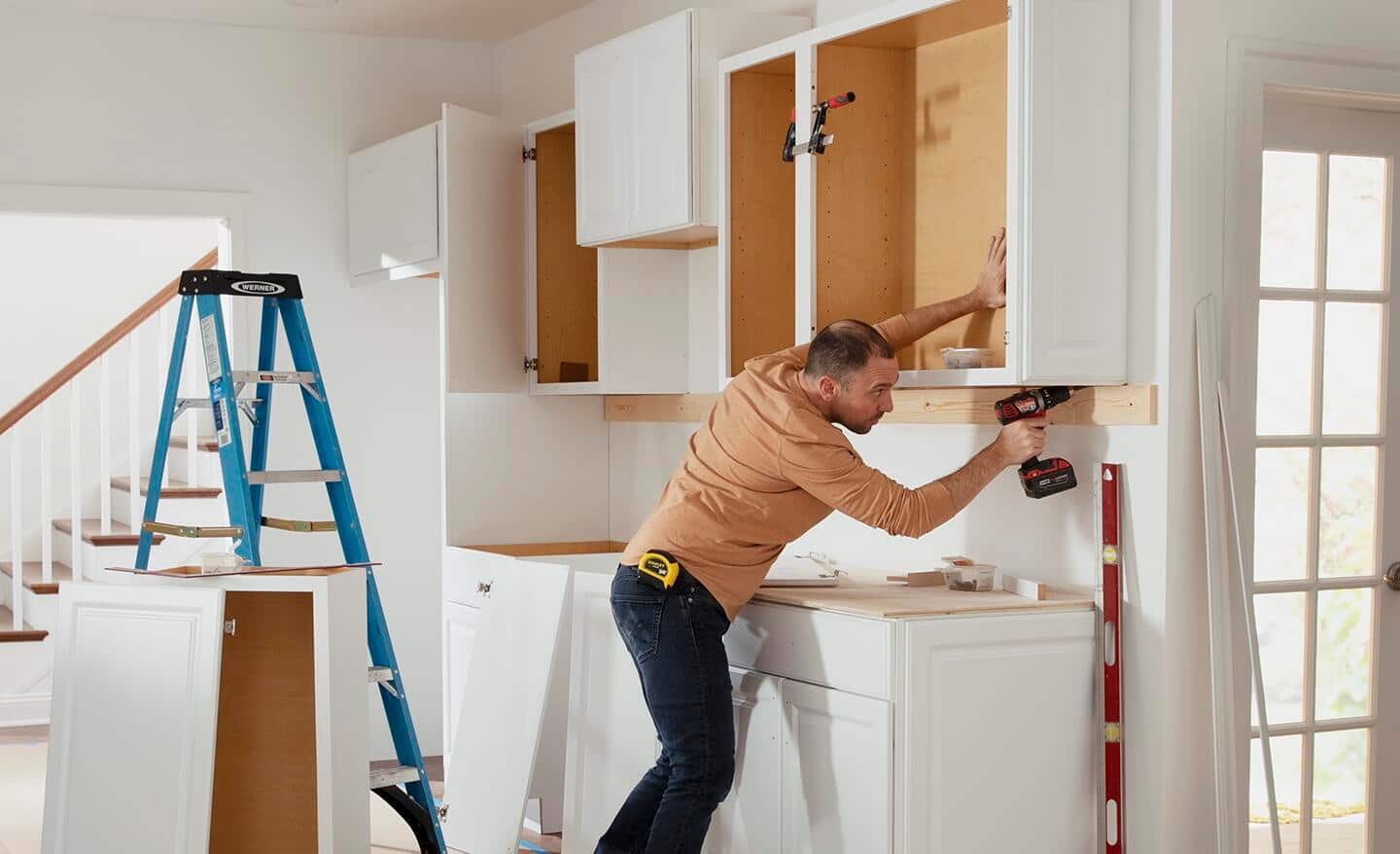
Securing kitchen wall cabinets together creates a strong, stable unit. Cabinets joined tightly look neat and hold up better over time. The process needs care and proper tools. This section explains how to connect cabinets firmly. Follow these steps for a solid kitchen setup.
Drilling Pilot Holes
Start by aligning the cabinets side by side. Mark the spots where screws will join the cabinets. Use a drill bit smaller than the screws to make pilot holes. These holes prevent wood from splitting. Drill slowly and keep the drill straight. Pilot holes make screwing easier and cleaner.
Using Clamps For Stability
Place clamps to hold the cabinets tight together. Clamps keep cabinets from moving while you work. Use enough clamps to keep the cabinets flush. Tighten clamps gently to avoid damage. Check that cabinet edges line up evenly. Clamps create a steady base for screwing.
Joining Cabinets With Screws
Choose screws long enough to go through both cabinets. Drive screws into the pilot holes slowly. Use a screwdriver or drill with low speed. Tighten screws until cabinets pull close but do not crack. Add screws at top and bottom for strong hold. Joining cabinets this way keeps them steady and safe.
Ensuring A Level And Secure Fit
Ensuring a level and secure fit is key when anchoring kitchen wall cabinets to each other. Cabinets that are not level will look uneven and may cause problems with doors and drawers. A secure fit keeps the cabinets stable and safe.
Take your time to check the level and make adjustments before tightening the screws fully. This careful process helps avoid mistakes and ensures a smooth installation.
Checking Levelness
Use a spirit level to check the top and bottom edges of the cabinets. Place the level on the cabinet edge and look for a bubble centered between the lines. Check both horizontal and vertical edges to confirm they are straight. If the bubble is off-center, the cabinet is not level. Repeat this for each cabinet before joining them together.
Adjusting And Tightening
Loosen screws slightly to make small adjustments. Shift the cabinet until the level shows it is straight. Hold the cabinets tight against each other to avoid gaps. Tighten the screws slowly, checking the level as you go. This keeps the cabinets aligned and firmly connected. Tighten all screws fully once the cabinets are level and secure.
Tips For Handling Common Issues
Anchoring kitchen wall cabinets to each other can be tricky. Common problems often arise during installation. Knowing how to handle these issues helps you get better results. The following tips address some of the most frequent challenges.
Dealing With Uneven Walls
Uneven walls cause gaps between cabinets. Use shims to fill these gaps. Shims are thin pieces of wood or plastic. Place them behind cabinets to level the surface. Check the cabinet alignment with a level tool. Adjust shims until cabinets sit flush against the wall. This method keeps cabinets stable and secure.
Fixing Misaligned Cabinets
Misaligned cabinets look unprofessional and cause problems. Loosen the screws connecting the cabinets. Gently shift the cabinets until their edges line up. Use a clamp to hold cabinets in place. Tighten the screws while checking alignment. Repeat this process for all cabinets. Proper alignment ensures a clean, seamless look.

Credit: www.youtube.com
Frequently Asked Questions
How Do You Anchor Kitchen Wall Cabinets Together?
To anchor kitchen wall cabinets, align them side-by-side, drill pilot holes through the cabinet frames, then screw them together using clamps for stability. This ensures a secure and seamless connection between cabinets, preventing gaps or movement.
What Tools Are Needed To Join Kitchen Wall Cabinets?
You need a drill, screws, clamps, a level, and a screwdriver. These tools help align, secure, and stabilize the cabinets when anchoring them side-by-side on the wall.
Can I Anchor Cabinets Without Removing Them From The Wall?
Yes, you can anchor cabinets without removal by accessing the inside edges. Drill pilot holes and screw cabinets together carefully to avoid damage or misalignment.
Why Is Anchoring Kitchen Wall Cabinets Important?
Anchoring cabinets prevents shifting and gaps, ensuring stability and a professional look. It also supports weight distribution and increases the longevity of your kitchen installation.
Conclusion
Anchoring kitchen wall cabinets to each other keeps them stable and safe. It makes installation easier and ensures the cabinets stay aligned. Tight connections prevent wobbling and damage over time. Using the right tools helps create strong, lasting bonds. This simple step improves your kitchen’s look and function.
Remember, careful work pays off with sturdy cabinets. Follow these tips for a neat and secure setup. Your kitchen will feel more organized and reliable. A small effort leads to big results in cabinet installation.