Have you ever hung a picture or shelf only to find the wall anchor loose and your item wobbling or even falling? It’s frustrating and can leave your walls damaged.
But don’t worry—fixing a loose wall anchor is easier than you think. You’ll discover simple, effective steps to secure your wall anchors firmly, so your decorations stay put and your walls stay strong. Keep reading, and you’ll learn how to handle this common problem quickly and confidently.

Credit: www.youtube.com
Causes Of Loose Wall Anchors
Loose wall anchors can cause pictures, shelves, or decorations to fall. Understanding why anchors loosen helps fix them correctly. Several factors can cause a wall anchor to become loose. Some issues start during installation. Others happen over time. Using the wrong anchor type also affects its hold.
Common Installation Mistakes
Many loose anchors result from poor installation. Drilling a hole too big weakens the anchor’s grip. Not pushing the anchor fully into the wall also causes looseness. Sometimes, the anchor is not the right size for the screw used. These errors reduce the anchor’s strength and stability.
Wear And Tear Over Time
Walls and anchors face pressure and movement daily. This natural wear can loosen even a properly installed anchor. Vibrations from doors closing or footsteps can shake anchors loose. Moisture or temperature changes may weaken the wall material. Old anchors lose grip and need replacement.
Unsuitable Anchor Types
Choosing the wrong anchor type causes loosening problems. Some anchors work best on drywall, others on brick or plaster. Using a plastic anchor on a heavy item can fail. Metal anchors hold better in some walls. Matching the anchor type to the wall and item weight is key.

Credit: www.instructables.com
Tools Needed For Repairs
Fixing a loose wall anchor requires a few basic tools. Having the right tools makes the repair easier and faster. You do not need many items, but using the correct ones helps a lot.
Basic Hand Tools
A screwdriver is essential. It helps remove or tighten the anchor. A drill can make holes or remove damaged anchors. Pliers are useful to pull out stuck anchors. A hammer might be needed to tap the anchor gently. A utility knife can clean the hole edges.
Specialty Repair Kits
Anchor repair kits come with all needed parts. These kits include new anchors and screws. Some kits have wall fillers or epoxy for fixing holes. They save time by providing the right materials. Kits often come with detailed instructions.
Safety Equipment
Safety glasses protect your eyes from dust and debris. Gloves keep your hands safe from sharp edges. A dust mask helps avoid breathing in particles. Always use safety gear to prevent injuries. Safety makes the repair process smooth and worry-free.
Quick Fixes For Loose Anchors
Loose wall anchors can cause objects to fall and damage your walls. Fixing them quickly saves time and prevents bigger problems. Some simple tricks restore the anchor’s grip fast. Use these quick fixes to secure loose anchors effectively.
Tightening The Anchor
Start by turning the screw back into the anchor. This can tighten the anchor and hold it firmly. Use a screwdriver to twist the screw clockwise. Do not overtighten, or the anchor may break. Check if the anchor feels snug against the wall.
Using Toothpicks Or Matches
Fill the hole with wooden toothpicks or matches. Break them to fit if the hole is small. Insert enough to fill the space tightly. Push the anchor back into the hole. The wood adds extra support and reduces movement.
Applying Wood Glue
Apply a small amount of wood glue inside the hole. Use a toothpick to spread the glue evenly. Insert the anchor and hold it in place. Let the glue dry for at least an hour. This strengthens the bond between anchor and wall.
Replacing The Anchor Properly
Replacing a loose wall anchor properly is key for a strong hold. It stops your items from falling and keeps your walls safe. Follow these steps to fix the problem right.
Removing The Old Anchor
First, remove the old anchor carefully. Use pliers to pull it out gently. If it does not come out easily, try pushing it inside the wall. This makes space for the new anchor. Clean the hole to remove dust and debris. A clean hole helps the new anchor hold better.
Choosing The Right Replacement
Select an anchor that fits the hole size. Use anchors made for your wall type, like drywall or plaster. Check the weight limit of the anchor. Pick one that can hold your item’s weight. This prevents the anchor from loosening again.
Installing New Anchors Securely
Insert the new anchor straight into the hole. Tap it lightly with a hammer if needed. Make sure it sits flush with the wall. Tighten the screw slowly to avoid damaging the anchor. Test the anchor by gently pulling on it. A secure anchor will not move or wiggle.
Preventing Future Looseness
Loose wall anchors can cause problems and damage walls over time. Preventing future looseness is easier than fixing a wall repeatedly. Focus on the right anchor choice, proper installation, and regular checks. These steps help hold items safely and keep walls strong.
Selecting Suitable Anchors
Choose anchors based on wall type and weight of the item. Drywall, plaster, and masonry need different anchors. Use heavy-duty anchors for heavy objects. Plastic anchors work for light items but avoid them for heavy loads. Correct selection stops anchors from loosening quickly.
Correct Installation Techniques
Drill holes the right size for anchors. Too big or small holes cause looseness. Insert anchors straight and flush with the wall. Tighten screws carefully. Over-tightening can damage the anchor or wall. Follow manufacturer instructions for best results.
Regular Maintenance Tips
Check anchors regularly for signs of looseness or damage. Tighten screws if they feel loose. Replace worn or damaged anchors immediately. Avoid hanging heavier items than the anchor can hold. This keeps walls secure and extends anchor life.
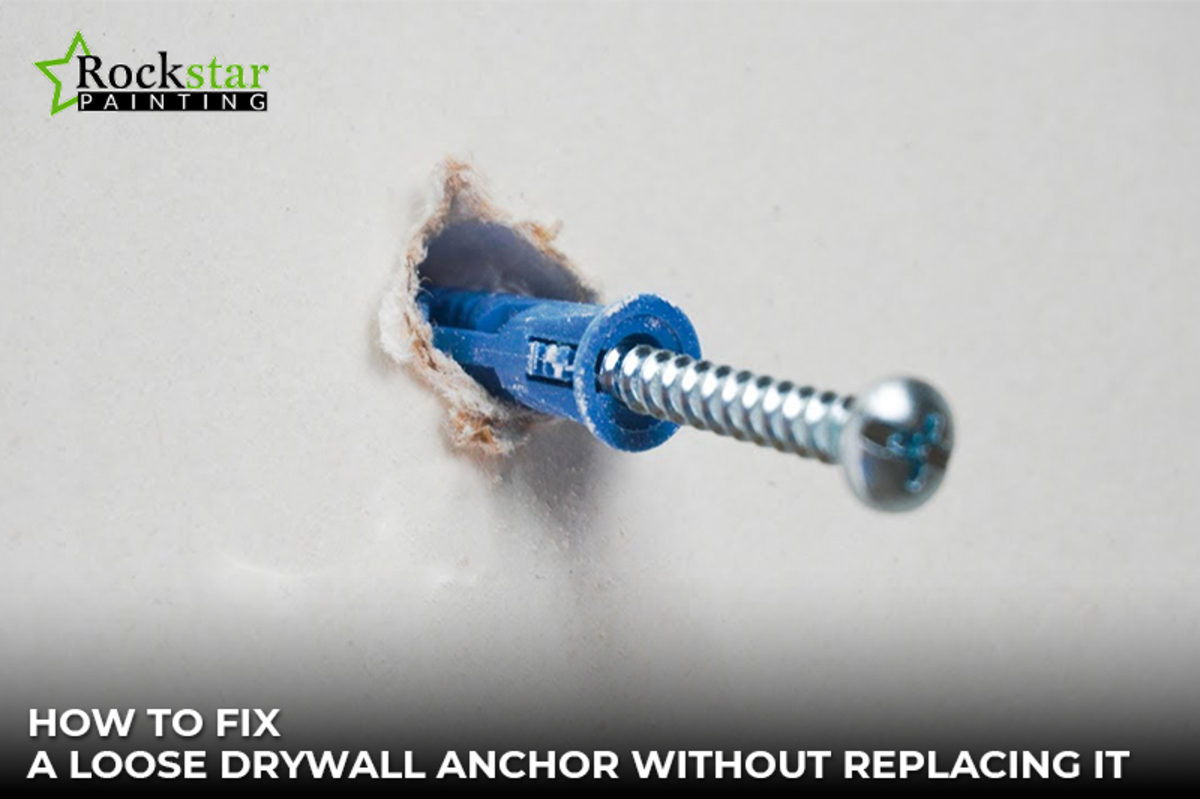
Credit: rockstarpaintingdenver.com
Frequently Asked Questions
What Causes A Wall Anchor To Become Loose?
Wall anchors loosen due to improper installation, using the wrong size, or weak wall material. Overloading or repeated stress also causes looseness. Moisture and vibrations can weaken the anchor’s grip over time, leading to instability.
How Can I Fix A Loose Wall Anchor Quickly?
To fix a loose anchor, remove it carefully, fill the hole with wood filler or epoxy, and reinstall a larger anchor. Alternatively, use a toggle bolt or molly bolt for better support in damaged walls.
Can I Reuse A Loose Wall Anchor Safely?
Reusing a loose anchor is not recommended. The hole may be enlarged or damaged, reducing holding strength. It’s safer to fill the hole and install a new anchor to ensure a secure and stable fix.
What Tools Do I Need To Fix A Loose Wall Anchor?
You’ll need a screwdriver, drill, wood filler or epoxy, and the correct size wall anchor. A putty knife helps fill holes smoothly. For heavier loads, toggle bolts and a drill bit may be required.
Conclusion
Fixing a loose wall anchor is simple with the right steps. Tighten or replace the anchor to secure your item. Use proper tools and check the wall material first. A strong anchor keeps your shelves or frames safe. Regularly inspect anchors to avoid damage or accidents.
Small repairs save time and money later. Now, you can fix loose anchors confidently and keep your walls sturdy.