Are you worried about your furniture tipping over or shifting on your brick walls? Securing your furniture properly can keep your space safe and organized, especially if you have kids or pets.
But anchoring furniture to a brick wall isn’t as simple as it sounds. You might wonder which tools to use or how to avoid damaging your walls. In this guide, you’ll discover easy, step-by-step tips to anchor your furniture firmly and safely.
By the end, you’ll feel confident tackling the job yourself and protecting your home from accidents. Keep reading to learn how to make your furniture rock-solid against your brick wall.
Choosing The Right Tools
Choosing the right tools is key to safely anchoring furniture to a brick wall. The right tools make the job easier and protect your wall. Using poor tools can cause damage or weak holds.
Understanding what anchors and tools to use helps ensure a secure fit. It saves time and avoids frustration during installation.
Types Of Anchors For Brick Walls
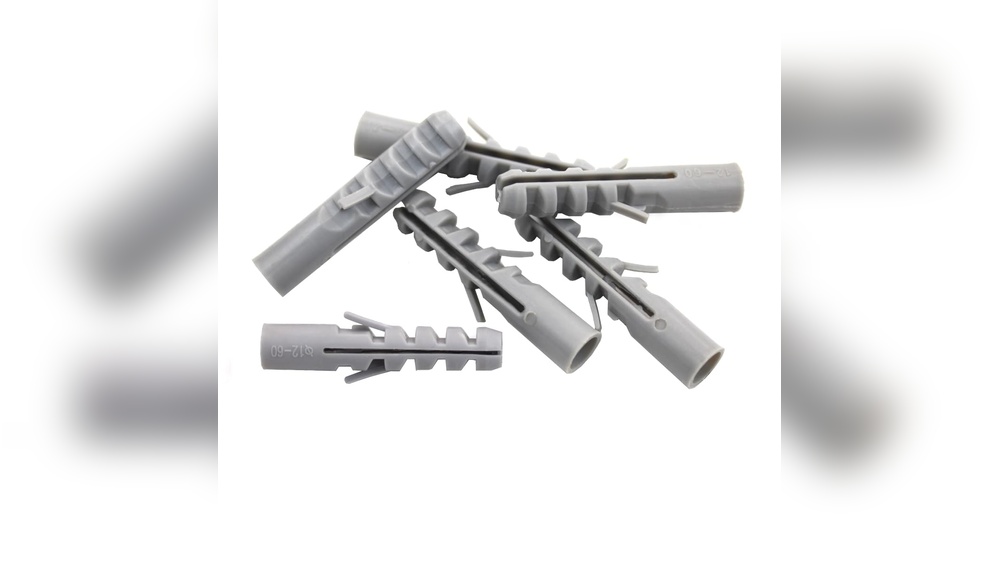
Plastic anchors work well for light furniture. They fit into drilled holes and hold screws tightly. Metal anchors offer stronger support for heavy items. Sleeve anchors expand inside the brick for a firm grip. Masonry screws go directly into drilled holes without anchors. Choose anchors based on the furniture’s weight and wall type.
Essential Tools Needed
A hammer drill is necessary to drill into hard brick. Use a masonry drill bit sized to your anchors. A screwdriver or drill driver helps to insert screws easily. A tape measure ensures correct placement and spacing. Safety glasses protect your eyes from dust and debris. A pencil marks drilling points for accuracy.

Credit: www.amazon.com
Preparing The Furniture And Wall
Preparing the furniture and wall is an important first step for safe anchoring. This process helps secure your furniture firmly to the brick wall. It also prevents accidents caused by tipping or falling. Proper preparation saves time and ensures a strong hold.
Selecting Furniture For Anchoring
Choose furniture that suits anchoring to a brick wall. Avoid very heavy or oddly shaped items. Look for pieces with flat backs for easy attachment. Furniture made of solid wood or metal works best. Check if the furniture has a sturdy frame to hold the anchors.
Locating The Brick Surface
Identify the exact brick area where you want to attach the furniture. Use a stud finder or tap the wall to find solid bricks. Avoid anchoring into mortar, as it is weaker. Mark the spots on the bricks with a pencil. Clear the wall surface of dust and dirt before drilling.
Marking And Drilling
Marking and drilling are crucial steps when anchoring furniture to a brick wall. Accurate marking ensures the anchors line up perfectly. Drilling carefully protects the brick from damage and keeps the anchor secure. Taking time in these steps makes the installation safe and strong.
Measuring And Marking Anchor Points
Measure the furniture’s anchor holes first. Use a tape measure for exact distances. Transfer these measurements to the wall with a pencil. Mark each anchor point clearly. Use a level to make sure marks are straight. Double-check all marks before drilling. Precise marks prevent mistakes and wasted effort.
Drilling Into Brick Safely
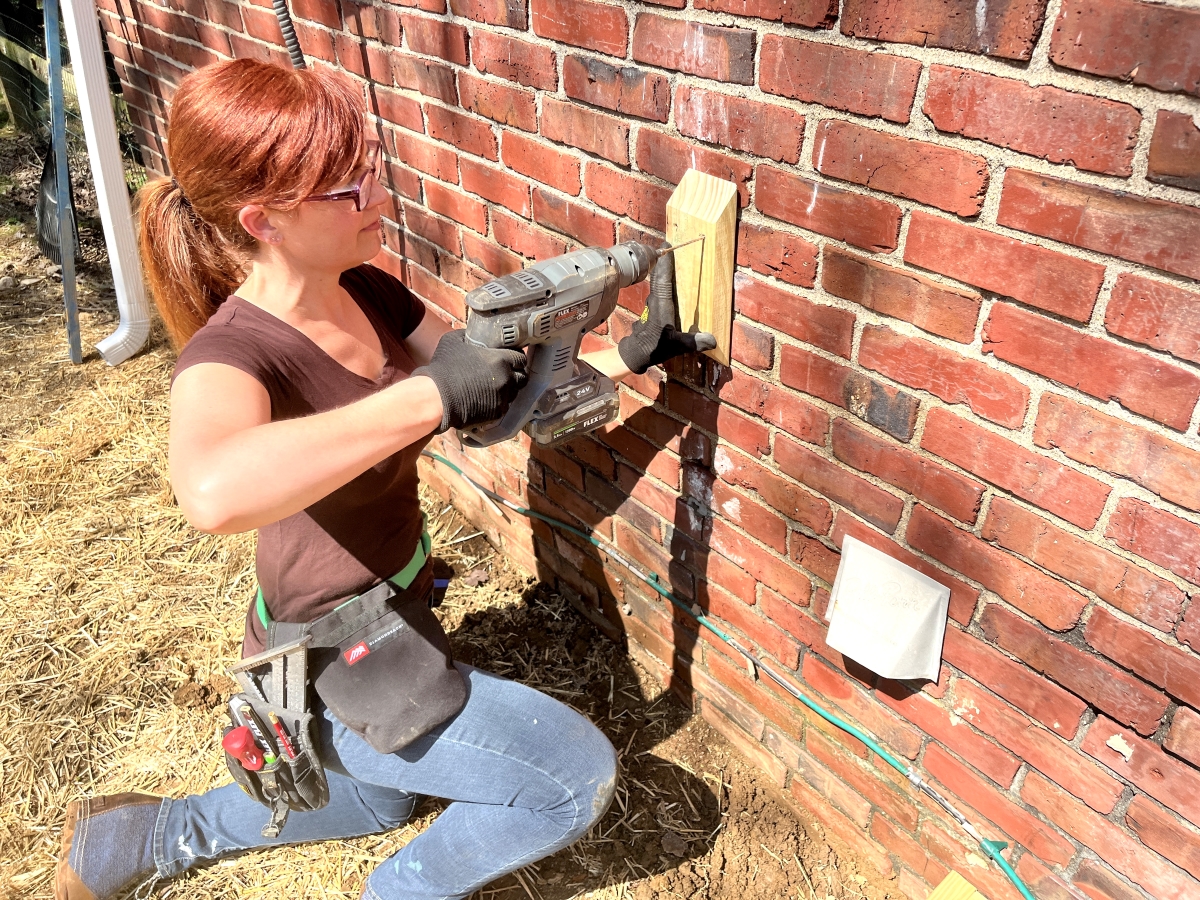
Select a masonry drill bit that matches your anchor size. Wear safety goggles and a dust mask. Use a hammer drill for best results. Start drilling slowly to avoid cracking the brick. Drill straight into the marked points. Remove dust from holes with a brush or blower. Drill to the correct depth for strong anchoring. Take breaks if the drill or brick gets too hot.

Credit: www.youtube.com
Installing Anchors And Brackets
Installing anchors and brackets is a key step to secure furniture to a brick wall. It keeps furniture stable and prevents accidents. The process requires care and the right tools. Follow these clear steps to do it safely and correctly.
Inserting Wall Anchors
Start by choosing the right wall anchors for brick. Use anchors made for masonry walls. Mark the spot on the brick where the anchor will go. Drill a hole using a masonry bit. The hole size must match the anchor size. Clean out dust from the hole. Push the anchor into the hole. Tap gently with a hammer until it fits flush.
Attaching Brackets To Furniture
Select sturdy brackets that fit your furniture size. Position the bracket on the furniture’s back or side. Mark holes for screws on the furniture. Drill pilot holes if needed. Screw the brackets firmly to the furniture. Use screws that match the bracket size and material. The bracket should hold tight without wobbling. Ready to connect to the wall anchors.
Securing Furniture To The Wall
Securing furniture to a brick wall keeps it safe and steady. This step stops furniture from tipping over. It also protects children and pets from accidents. You need the right tools and careful steps for good results.
Start by finding the right spots on the wall. Mark where the anchors will go. Then, match these marks with the furniture’s anchor points. This helps ensure a perfect fit and strong hold.
Aligning Furniture With Anchors
Place furniture close to the wall. Check the anchor marks on the wall. Make sure they line up with holes or brackets on the furniture. Adjust the furniture position as needed. This helps avoid drilling new holes later. Use a level to keep furniture straight. Accurate alignment makes securing easier and safer.
Tightening And Testing Stability
After placing the furniture, tighten the screws or bolts. Use a screwdriver or wrench. Tighten firmly but do not over-tighten. Over-tightening can damage the wall or furniture. Once tight, gently shake the furniture. Check if it moves or wobbles. If it does, tighten the fasteners more. Repeat testing until furniture feels solid and secure.
Safety Tips And Maintenance
Anchoring furniture to a brick wall adds safety and prevents accidents. Proper maintenance keeps the anchors strong and reliable. Follow safety tips to avoid damage to walls and furniture. Regular checks and careful installation make a big difference.
Regular Checks For Stability
Check the anchored furniture every few months. Look for any wobbling or loose screws. Tighten bolts and screws if needed. Inspect the wall for cracks or damage near the anchors. Early detection helps avoid accidents and costly repairs.
Avoiding Common Mistakes
Do not use the wrong type of anchors for brick walls. Avoid drilling too deep or too wide holes. Do not ignore the weight limits of your anchors. Avoid over-tightening screws, which can crack bricks. Follow manufacturer instructions carefully for best results.
Credit: www.bobvila.com
Frequently Asked Questions
What Tools Are Needed To Anchor Furniture To A Brick Wall?
You need a drill with a masonry bit, wall anchors, screws, a screwdriver, a hammer, and a level. These tools ensure secure attachment and proper alignment of furniture to the brick wall.
How Do I Choose The Right Anchors For Brick Walls?
Select anchors designed for masonry, like sleeve anchors or expansion bolts. They provide strong support and prevent damage to the brick while securing furniture safely.
Can I Anchor Furniture To Painted Brick Walls?
Yes, you can anchor to painted brick, but ensure the paint is stable. Drill carefully to avoid chipping and use appropriate anchors for a secure hold.
Is It Safe To Anchor Heavy Furniture To Brick Walls?
Yes, anchoring heavy furniture to brick is safe with proper anchors and installation. It prevents tipping and enhances stability, especially in homes with children or pets.
Conclusion
Anchoring furniture to a brick wall keeps your space safe and stable. It stops heavy items from tipping over and causing accidents. Use the right tools and follow the steps carefully. Take your time to measure and drill properly. This simple task helps protect your family and your furniture.
Try it yourself for a safer home environment. Small efforts make a big difference in safety. Now, your furniture will stay firmly in place.