Looking to add a towel hook to your wall but not sure where to start? You’re in the right place.
Installing a towel hook might seem simple, but doing it right makes all the difference. Imagine never having to deal with wet towels on the floor or cluttered countertops again. In this guide, you’ll discover easy, step-by-step instructions that anyone can follow—no special tools or skills needed.
Keep reading, and by the end, you’ll have a sturdy, perfectly placed towel hook that keeps your space neat and organized. Ready to make your bathroom or kitchen more functional? Let’s get started!
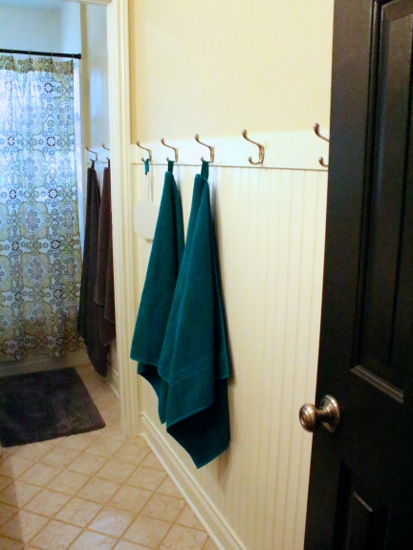
Credit: www.houseofhepworths.com
Choosing The Right Towel Hook
Choosing the right towel hook is important for your bathroom’s function and style. The right hook holds your towels well. It matches your bathroom decor. It lasts long without damage. Think about where you will place the hook. Consider what type fits your needs. Understand the materials and how strong the hook must be. These points help you pick the best towel hook for your wall.
Types Of Towel Hooks
There are many types of towel hooks. Single hooks hold one towel. Double hooks can hold two towels or a towel and a robe. Over-the-door hooks do not need drilling. Adhesive hooks stick to the wall without screws. Choose the type that fits your space and use.
Materials And Finishes
Towel hooks come in metal, plastic, and wood. Metal hooks are strong and last long. Plastic hooks are cheap and light but less durable. Wood hooks add a natural look but may wear out faster. Finishes like chrome, brass, or matte black protect hooks from rust. Pick a material and finish that match your bathroom style and resist moisture.
Weight Capacity Considerations
Check how much weight the towel hook can hold. Heavy towels or wet towels need stronger hooks. Metal hooks usually hold more weight than plastic. Adhesive hooks hold less weight than those fixed with screws. Choose a hook that supports the weight you need to avoid falling or damage.
Selecting The Best Location
Choosing the best place to install a towel hook matters a lot. It makes using the towel easy and keeps the room neat. Picking the right spot helps the hook hold strong and last longer. Think about who will use it and how often. The perfect location fits the room’s flow and style.
Height And Accessibility
Set the hook at a good height for all users. For adults, 48 inches from the floor works well. Kids need a lower spot, around 36 inches. Make sure it is easy to reach without stretching. Keep it near the sink or shower for quick access.
Wall Surface Types
Check the wall type before drilling. Drywall needs anchors for a strong hold. Tile walls require special drill bits to avoid cracks. Wood walls are the easiest to work with. Match the hook’s screws to the wall’s material for safety.
Avoiding Obstructions
Pick a spot clear of doors and cabinets. Avoid areas where towels may block light switches. Leave space around the hook so towels hang freely. Check for pipes or wires behind the wall before drilling. Safety first, always.
Gathering Necessary Tools
Before installing a towel hook, gather all the needed tools. Having the right tools helps make the job easier and safer. It also ensures the towel hook stays secure on your wall. This section covers the basic tools needed and some optional tools for different wall types.
Basic Tools Required
Start with a drill or screwdriver to fix screws into the wall. A pencil is useful to mark the spot for the hook. A tape measure helps place the hook at the right height. Use a level to keep the hook straight. Wall anchors may be needed to hold screws firmly. These are the main tools you will need in most cases.
Optional Tools For Different Walls
For drywall, use drywall anchors to avoid damage. Masonry walls need a hammer drill and masonry bits. Stud finders help locate wall studs for stronger mounting. If your wall is tiled, a tile drill bit prevents cracking tiles. Choose tools based on your wall type for a safe install.

Credit: www.amazon.com
Preparing The Wall
Preparing the wall is an important first step to install a towel hook. A clean and well-marked wall ensures the hook stays secure and straight. Taking time to prepare prevents mistakes and saves effort later.
Cleaning The Surface
Start by cleaning the wall where the hook will go. Use a damp cloth to remove dust and dirt. A clean surface helps the hook stick better and keeps the wall smooth. Avoid using harsh cleaners that can damage paint or wallpaper.
Marking Drill Points
Next, mark the spots for drilling holes. Hold the towel hook against the wall. Use a pencil to mark where screws will go. Check these points twice before drilling. Accurate marks keep the hook stable and balanced.
Using A Level For Accuracy
Use a level to make sure the hook will be straight. Place the level on top of the hook. Adjust the hook until the bubble is centered. Straight hooks look better and hold towels evenly. This step is quick but very helpful.
Installing The Towel Hook
Installing the towel hook is a simple task that anyone can do with the right tools. It helps keep towels organized and easy to reach. The process involves drilling holes, inserting anchors, and attaching the hook securely to the wall. Follow these steps carefully for a strong and lasting hold.
Drilling Holes
Mark the spot where you want the towel hook. Use a pencil and a level for accuracy. Choose a drill bit that matches the size of the anchors. Drill straight into the wall at the marked points. Drill slowly to avoid damaging the wall surface.
Inserting Anchors
Push the wall anchors into the drilled holes. Tap gently with a hammer if needed. Make sure the anchors fit snugly and sit flush with the wall. Anchors provide extra grip and support for the screws. They prevent the hook from pulling out under weight.
Attaching The Hook
Align the towel hook with the anchors. Insert screws through the hook’s base into the anchors. Tighten the screws using a screwdriver. Check that the hook is firm and does not wobble. Your towel hook is now ready to use.
Testing And Adjustments
After installing the towel hook, testing and adjustments are key. This step ensures the hook stays firmly on the wall. It also confirms the hook can hold towels without falling. Taking time here prevents damage to your wall and towel hook.
Checking Stability
Gently pull the towel hook to check its strength. Apply light pressure from different angles. The hook should not wiggle or feel loose. If it moves, the fixings might not be tight enough. Stability is important for daily use and safety.
Making Necessary Adjustments
Tighten screws or anchors if the hook feels loose. Use a screwdriver to secure all fasteners firmly. If the hook still moves, remove it and check the wall anchors. Replace weak anchors with stronger ones for better support. Repeat the stability test after each adjustment.
Maintenance Tips
Maintaining your towel hook keeps it strong and looking nice. Small care steps help the hook last longer. A clean, well-checked hook holds towels safely every day. Follow these simple tips to care for your towel hook.
Cleaning The Hook
Wipe the hook with a soft cloth often. Use mild soap and water for dirt or stains. Avoid harsh chemicals that can damage the finish. Dry the hook fully after cleaning to stop rust. Regular cleaning keeps the hook shiny and fresh.
Inspecting For Wear
Look closely at the hook for any cracks or bends. Check if the screws are tight and secure on the wall. Loose screws can cause the hook to fall. Fix or replace worn parts quickly. Routine checks prevent accidents and extend hook life.
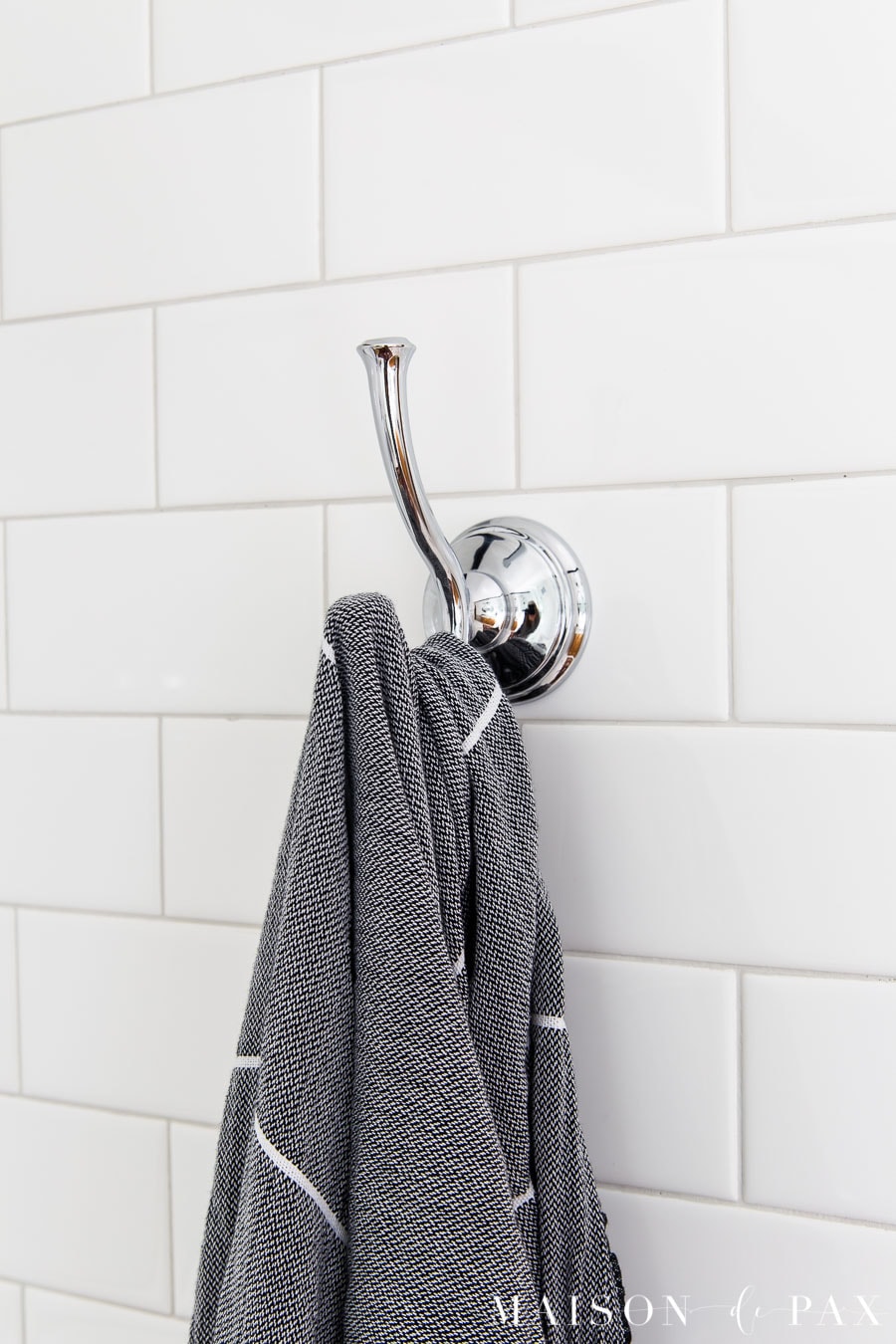
Credit: www.maisondepax.com
Frequently Asked Questions
How Do I Choose The Right Spot For A Towel Hook?
Select a location at a comfortable height and near the shower or sink. Ensure the wall surface is smooth and sturdy to support the hook securely.
What Tools Are Needed To Install A Towel Hook?
You will need a drill, screws, wall anchors, a screwdriver, a pencil, and a level for accurate placement and secure installation.
Can I Install A Towel Hook On Drywall Without Studs?
Yes, use appropriate wall anchors designed for drywall. These provide strong support and prevent the hook from pulling out under weight.
How Do I Avoid Damaging Tiles When Installing Hooks?
Use a masonry drill bit and drill slowly to prevent cracks. Mark the spot carefully and avoid drilling near grout lines.
Conclusion
Installing a towel hook on the wall is simple and quick. Choose the right spot and use proper tools for a strong hold. Mark the place carefully to keep it straight. Drill holes, insert anchors, and screw the hook firmly.
This small task adds convenience and keeps towels organized. Enjoy your neat bathroom with a sturdy towel hook. Try it yourself and see how easy it can be!