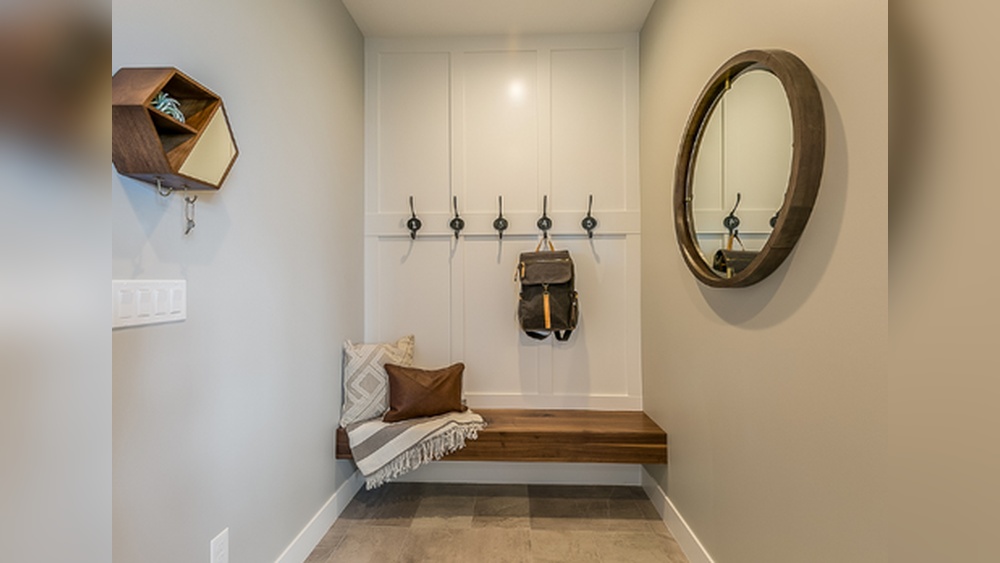
Are you struggling to figure out how far apart to hang wall hooks for your space? Getting the spacing just right can make a huge difference in both the look and function of your walls.
If hooks are too close, your items may look cluttered or get tangled. Too far apart, and you could be wasting valuable wall space or missing out on convenience. You’ll discover simple tips to find the perfect distance between hooks—making your walls organized, stylish, and easy to use.
Keep reading, and you’ll never have to guess where to place your hooks again!
Choosing The Right Wall Hooks
Choosing the right wall hooks is important for both function and style. The right hooks hold your items safely and match your room’s look. Picking hooks depends on what you want to hang, the wall type, and the room’s decor.
Consider the space and weight before choosing hooks. This helps avoid damage and keeps things organized. Below are key points to think about when selecting wall hooks.
Types Of Wall Hooks
Wall hooks come in many styles. Some hooks are simple and small. Others have multiple prongs for more hanging space. There are single hooks, double hooks, and even decorative hooks shaped like animals or letters. Choose the type that fits your needs and room style.
Weight Capacity Considerations
Each hook has a weight limit. Light hooks hold keys or hats. Heavy-duty hooks can hold coats or bags. Check the hook’s weight capacity before buying. Use stronger hooks for heavier items. This prevents hooks from falling or damaging walls.
Material And Design Choices
Hooks come in metal, wood, plastic, and more. Metal hooks are strong and last long. Wooden hooks add a natural look. Plastic hooks are lightweight and cheap. Choose materials that fit your room’s style and the item’s weight. The design also matters. Simple hooks suit modern rooms. Fancy hooks work well in classic settings.
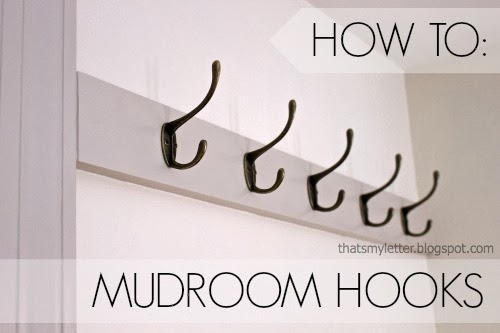
Credit: jaimecostiglio.com
Factors Influencing Hook Spacing
Spacing wall hooks correctly helps keep items safe and the wall looking neat. Several factors affect how far apart hooks should be. Understanding these factors ensures your hooks hold items well and look good.
Purpose And Item Size
The type of item you hang changes spacing needs. Large, heavy items need hooks placed wider for support. Small, light items can have hooks closer together. Think about what you want to hang before placing hooks.
Wall Material And Support
Different walls hold hooks differently. Drywall may need anchors and closer hook spacing for strength. Wood or brick walls allow hooks spaced farther apart. Always check wall strength to avoid damage or falling items.
Visual Balance And Aesthetics
Spacing affects how hooks look on the wall. Evenly spaced hooks create a balanced, neat appearance. Uneven spacing can make the wall look cluttered or messy. Measure and plan spacing to keep the display attractive.
Standard Spacing Guidelines
Knowing the right distance to hang wall hooks keeps your space neat and safe. Proper spacing stops items from overlapping or falling. It also helps the wall hold weight better. Use these standard guidelines for common hook uses.
Spacing For Light Items
Hooks for light things like keys or small bags should be about 4 to 6 inches apart. This distance gives each item enough space to hang freely. It also looks tidy and balanced on the wall. Avoid placing hooks too close to stop clutter.
Spacing For Heavy Items
Heavy objects need hooks spaced wider, about 8 to 12 inches apart. This spacing spreads the weight and reduces strain on the wall. It also lowers the chance of hooks bending or pulling out. Use strong anchors for heavy loads.
Spacing For Multiple Hooks
When hanging many hooks in a row, keep them 6 to 8 inches apart. This distance suits mixed items with different sizes and weights. It creates a clean look and makes each hook easy to use. Plan spacing based on the items you want to hang.
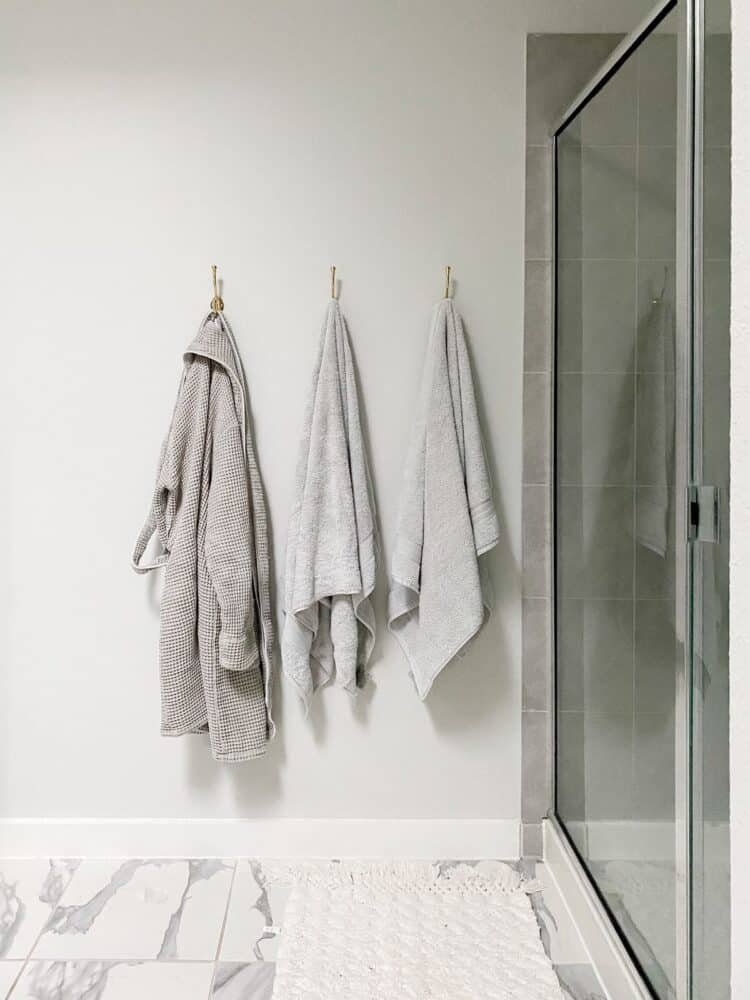
Credit: www.loveandrenovations.com
Measuring And Marking For Accuracy
Measuring and marking for accuracy is key when hanging wall hooks. Proper measurement ensures hooks are spaced evenly and look balanced. It helps avoid mistakes and saves time. Taking time to measure and mark carefully creates a neat, professional look on your wall.
Tools Needed
Gather a tape measure, pencil, and a level. A pencil marks spots without damaging the wall. A tape measure helps find exact distances. A level keeps hooks straight on the wall. Having these tools ready makes the job easier and precise.
Marking Techniques
Measure the desired distance between hooks first. Mark the spot lightly with a pencil. Use small dots instead of thick lines. Mark each spot clearly but gently on the wall. Double-check measurements before drilling or nailing. This prevents misplaced hooks and uneven spacing.
Leveling The Hooks
Place the level on the marked spots. Adjust marks to keep the line straight. A level ensures hooks are not crooked. Check both vertical and horizontal alignment. Straight hooks improve the overall appearance of your wall display.
Installation Tips For Stability
Installing wall hooks properly ensures they hold weight safely and last longer. Stability depends on using the right tools and techniques. Small steps during installation make a big difference in hook performance. Follow these tips to hang hooks that stay secure and protect your walls.
Anchors And Fasteners
Choose anchors based on your wall type and hook weight. Drywall needs plastic or metal anchors to prevent holes from widening. Use heavy-duty anchors for heavier items. Screws must fit anchors snugly to avoid loosening over time. Always use fasteners rated for the load you plan to hang.
Avoiding Wall Damage
Mark hook spots carefully before drilling or nailing. Use a level to keep hooks aligned. Drill pilot holes to reduce wall cracks and splits. Avoid placing hooks too close to edges or studs where damage is more likely. Patch holes with spackle if you move hooks later.
Securing Hooks Properly
Insert hooks straight into anchors or studs for maximum grip. Tighten screws until firm but not overtightened to prevent damage. Test hooks by gently pulling before use. Adjust spacing so weight distributes evenly across all hooks. Proper securing keeps hooks stable under daily use.
Creative Hook Arrangements
Creative hook arrangements can turn plain walls into stylish spaces. Thoughtful placement of hooks adds both charm and function. You can create patterns that fit your style and needs.
Choosing the right spacing helps hooks look neat and balanced. It also makes hanging items easier and more efficient.
Symmetrical Layouts
Symmetrical layouts place hooks evenly on both sides. This style gives a clean, organized look. Measure equal distances between hooks for balance. It works well for entryways or hall walls. Symmetry creates calm and order in any room.
Asymmetrical Designs
Asymmetrical designs use uneven spacing and varied heights. This style feels playful and modern. Mix large and small hooks for visual interest. It suits creative spaces like studios or kids’ rooms. Asymmetry offers a casual, unique vibe.
Functional And Decorative Patterns
Combine function with decoration by arranging hooks in patterns. Shapes like circles, zigzags, or waves add flair. Space hooks to hold different items comfortably. Use colorful or shaped hooks to enhance style. Patterns make hooks both useful and eye-catching.
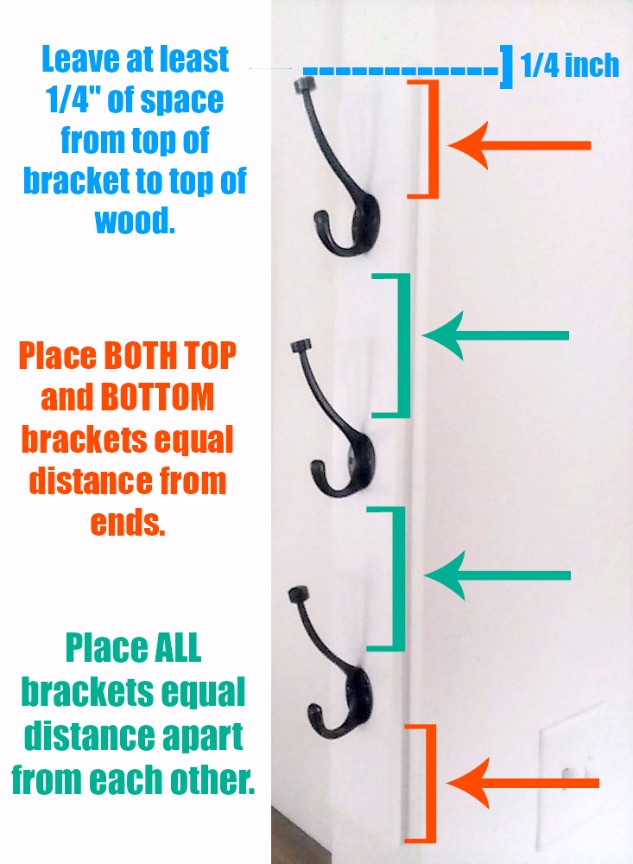
Credit: stowandtellu.com
Frequently Asked Questions
How Far Apart Should Wall Hooks Be Spaced?
Wall hooks should be spaced 6 to 12 inches apart for small items. For larger items, space hooks 12 to 18 inches apart. Proper spacing ensures weight distribution and prevents overcrowding on the wall.
What Determines The Spacing Between Wall Hooks?
Spacing depends on item size, weight, and wall space. Heavier or larger items need more distance between hooks. Consider the wall’s load capacity and the hook type for secure hanging.
Can Spacing Affect Wall Hook Stability?
Yes, spacing affects stability. Hooks too close can cause clutter and weak support. Proper spacing spreads the load, preventing damage and ensuring hooks hold items safely.
How To Measure Spacing For Multiple Wall Hooks?
Measure the total width of items to hang. Divide this by the number of hooks plus one. Mark equal intervals on the wall for balanced and neat hook placement.
Conclusion
Choosing the right distance between wall hooks makes a big difference. Too close, and items may overlap or look cluttered. Too far apart, and you waste space on the wall. Measure your items first to find the best spacing. Keep hooks level for a neat appearance.
Use the right hooks for the weight you hang. Proper spacing helps your room stay tidy and organized. Small changes can make your wall look better and work well. Try different distances to see what fits your space best.


