Are you looking to add a touch of greenery to your patio but don’t know where to start? Installing a plant hook on your patio wall is an easy and stylish way to hang your favorite plants and brighten up your outdoor space.
Whether you want to showcase vibrant flowers or trailing vines, a well-placed plant hook can transform your patio instantly. In this guide, you’ll learn simple steps to install a plant hook securely and effortlessly. Keep reading, and you’ll have your plants hanging beautifully in no time!

Credit: gardencenterlanes.com
Tools And Materials Needed
Installing a plant hook on your patio wall needs the right tools and materials. These help make the job easier and safer. Choosing the correct items also ensures the hook stays strong and holds your plants well.
Selecting The Right Plant Hook
Pick a hook made for outdoor use. Metal hooks with a rust-resistant coating last longer. The hook size should match the plant weight. Heavy plants need bigger, stronger hooks. Small hooks work for light pots or hanging baskets.
Essential Tools For Installation
You need a drill with masonry bits for concrete or brick walls. A hammer and wall plugs help secure the hook. A screwdriver fits most hooks’ screws. A tape measure helps place the hook at the right height. A pencil marks the drill spots on the wall.
Safety Gear To Use
Wear safety glasses to protect your eyes from dust. Gloves protect your hands from sharp tools and rough walls. Use a dust mask to avoid inhaling wall dust. Wear sturdy shoes for good footing on the patio.
Choosing The Perfect Spot
Choosing the perfect spot for your plant hook on a patio wall is important. The right place keeps your plants safe and healthy. It also makes your patio look nice and tidy.
Assessing Wall Material
Check what your patio wall is made of. Some walls are brick, others are wood or concrete. Each material holds hooks differently. Use anchors or screws made for your wall type. This prevents damage and keeps hooks strong.
Considering Plant Size And Weight
Think about how big and heavy your plant is. Heavy plants need stronger hooks and solid walls. Small plants can use lighter hooks. Place hooks where they can hold the plant without falling.
Checking Sunlight And Water Access
Plants need sunlight and water to grow. Choose a spot that gets enough light for your plant type. Make sure you can easily water the plant. Avoid places that are too dark or hard to reach.
Preparing The Wall
Preparing the patio wall is the first step to install a plant hook securely. A well-prepared surface helps the hook stay strong and hold your plants safely. Take your time to get the wall ready before drilling or fixing anything.
Cleaning The Surface
Clear dust, dirt, and loose paint from the wall. Use a brush or cloth to wipe the area. A clean surface helps the hook stick better and keeps screws tight. Avoid wetting the wall too much, as dampness can weaken the fixing.
Marking Drill Points
Decide exactly where the hook will go. Hold the hook against the wall and mark the holes with a pencil. Double-check the marks to avoid mistakes. Precise marks ensure easier drilling and a secure fit for the plant hook.
Using A Level For Accuracy
Use a level tool to check your marks. Make sure the marks are straight and even. A level hook looks better and holds plants evenly. This step saves you from crooked hooks and uneven plant hanging.
Drilling And Anchoring
Drilling and anchoring are key steps when installing a plant hook on a patio wall. Proper drilling ensures a secure hold. Anchors support the hook and keep it stable. Follow these steps to drill and anchor correctly.
Selecting The Right Drill Bit
Choose a drill bit that matches your wall type. For brick or concrete, use a masonry bit. For wood, a standard twist bit works well. The drill bit size should fit the anchor size. This prevents holes from being too big or small.
Drilling Into Different Wall Types
Hard walls like brick or concrete need steady pressure. Drill slowly to avoid cracks. For drywall, use light pressure and avoid deep holes. Check for wires or pipes before drilling. Safety first to prevent accidents or damage.
Inserting Wall Anchors Properly
Push anchors fully into the drilled hole. Tap gently with a hammer if needed. Make sure anchors sit flush with the wall surface. This keeps the hook firm and prevents wobbling. Tighten screws slowly to secure the hook in place.
Attaching The Plant Hook
Attaching the plant hook to your patio wall is a simple task that enhances your outdoor space. It holds your plants securely and adds charm to the area. This process needs careful steps to ensure the hook stays strong and steady.
Securing The Hook With Screws
Start by placing the hook on the desired wall spot. Mark the holes where screws will go. Use a drill to make pilot holes. These holes help screws go in easily without cracking the wall.
Next, insert the screws through the hook’s holes. Tighten them with a screwdriver or drill. Make sure the hook is flush against the wall. Loose screws can cause the hook to fall.
Ensuring Stability And Support
Check the hook for any wiggle after screwing it in. The hook should feel firm and not move. If it moves, tighten the screws more.
For heavy plants, use wall anchors inside the pilot holes. Anchors give extra grip in the wall. This prevents the hook from pulling out under weight.
Test the hook by gently pulling down on it. It should hold strong without shifting. A secure hook means your plant stays safe and your patio looks great.

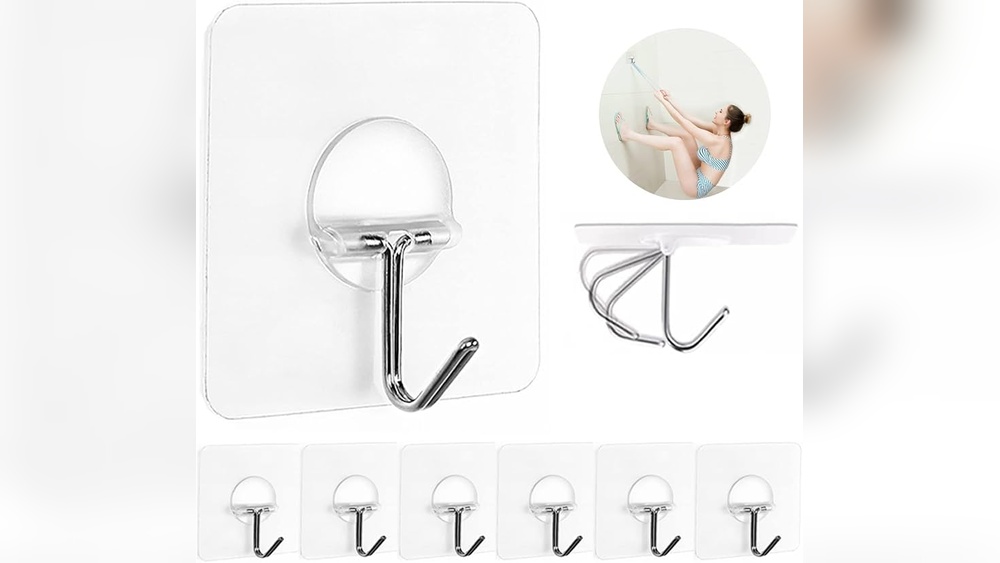
Credit: www.amazon.com
Hanging Your Plant
Start by choosing a strong hook and mark its spot on the patio wall. Drill a hole, insert a wall plug, then screw in the hook securely. Hang your plant carefully to enjoy a fresh and green patio space.
Choosing Suitable Plant Hangers
Select plant hangers that fit your patio wall and plant size. Metal hooks work well for heavy pots. Plastic or nylon hangers suit lighter plants. Make sure hangers have strong support and grip. Check that the hanger’s length matches your desired plant height. Avoid hangers that rust or break easily. Choose styles that complement your patio decor.
Balancing And Adjusting The Plant
Hang the plant carefully on the hook. Hold the pot steady to avoid spills. Adjust the hanger to keep the plant straight. Use a level to check balance if needed. Shift the pot slightly to find the best position. Secure the plant so it doesn’t swing or tilt. Proper balance helps the plant grow evenly and look nice.
Maintenance Tips
Keeping your plant hooks in good shape helps your patio stay safe and pretty. Regular care stops damage and keeps hooks strong. Simple checks and small actions protect your investment and plants.
Checking Hook Stability Regularly
Look at each hook often. Make sure it stays tight in the wall. Gently shake the hook to test if it moves. Tighten screws or bolts if needed. Loose hooks can fall and hurt plants or people.
Protecting Hooks From Weather Damage
Rain and sun can wear out hooks fast. Use rust-resistant hooks or paint them with weatherproof paint. Cover hooks during heavy rain or snow. Clean hooks of dirt and rust every few months. This keeps them strong and lasting longer.

Credit: www.amazon.com
Frequently Asked Questions
How Do I Choose The Right Plant Hook For My Patio Wall?
Choose plant hooks based on wall material and plant weight. Metal hooks suit brick walls, while plastic works for drywall. Always check load capacity to ensure safety and durability for your plants.
What Tools Are Needed To Install A Plant Hook?
You need a drill, screws, wall anchors, a screwdriver, and a measuring tape. A level helps ensure the hook is straight. These tools make installation quick and secure.
Can I Install Plant Hooks On All Patio Wall Types?
Most patio walls like brick, wood, or concrete support plant hooks. Use appropriate anchors for each wall type to avoid damage. Confirm wall strength before hanging heavy plants.
How High Should I Place Plant Hooks On My Patio Wall?
Place hooks at eye level or slightly higher for best visibility. Ensure enough space below for plant growth and watering. Adjust height based on plant size and wall space.
Conclusion
Installing a plant hook on your patio wall is simple and quick. Choose the right spot and use proper tools for safety. Secure the hook firmly to hold your plants well. This small step adds charm and life to your outdoor space.
Enjoy your green corner every day with ease. Keep your patio neat and welcoming with this easy fix. Try it yourself and see the difference it makes.