When you start any project, whether it’s fixing something at home or building a new piece of furniture, the right fasteners can make all the difference. But do you really know the different types of fasteners and which one suits your needs best?
Choosing the wrong fastener can lead to weak holds, wasted time, and even safety risks. That’s why understanding the 7 main types of fasteners is crucial for your success. Keep reading, and you’ll discover exactly what each type does and how to pick the perfect one for your next task.
This knowledge will save you frustration and help your projects hold strong every time.
Common Fastener Types
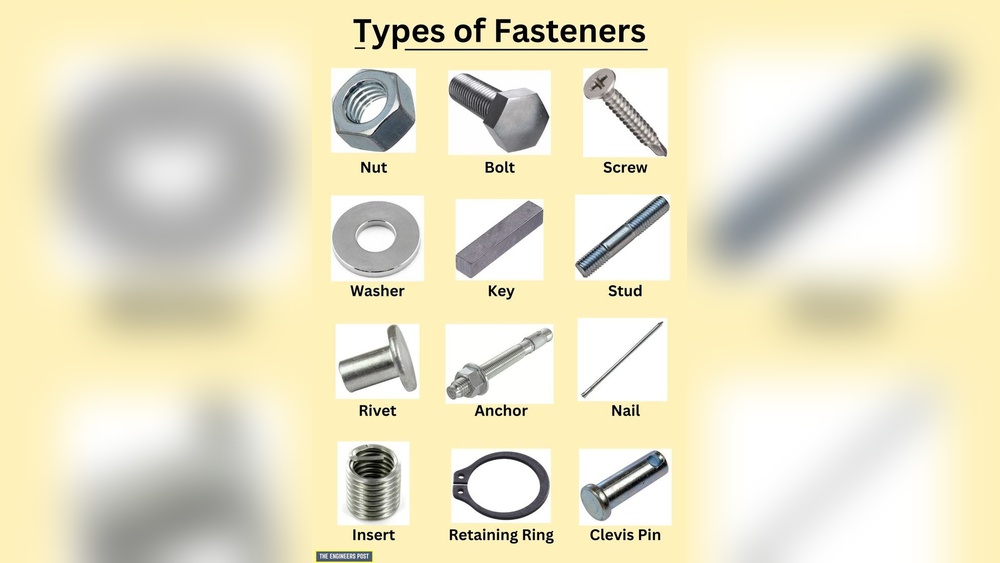
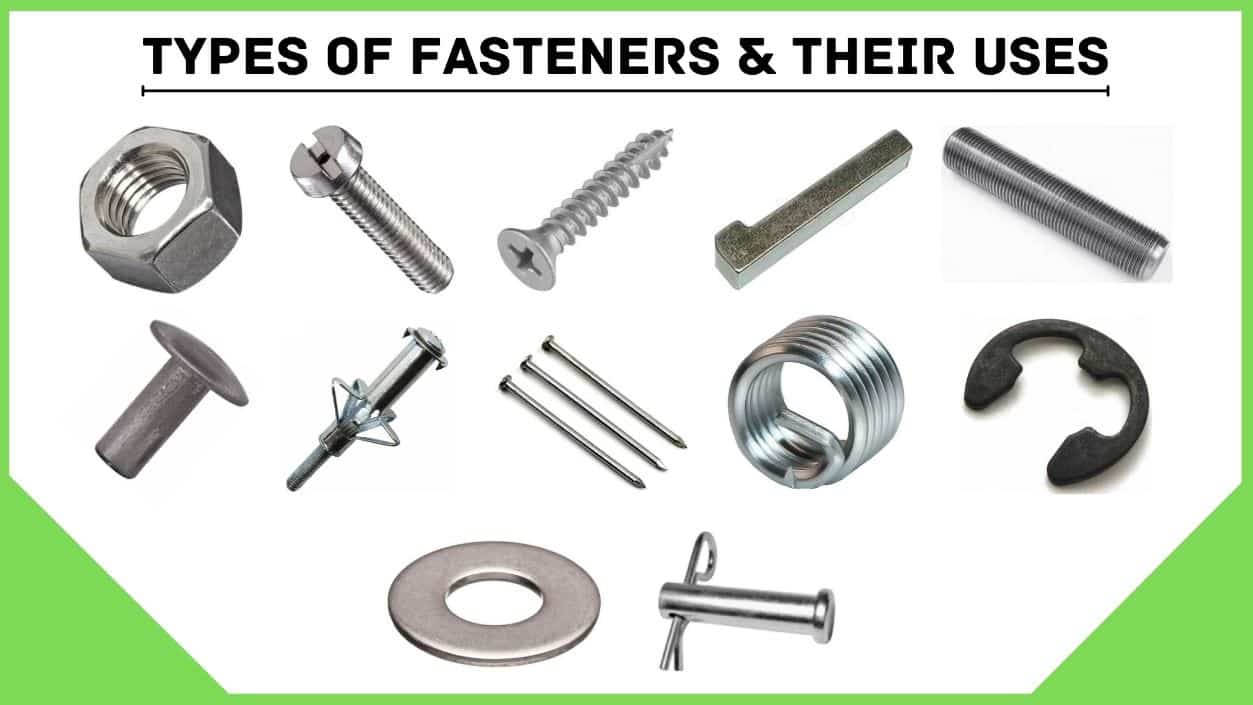
Fasteners hold things together. They come in many types and sizes. Each type serves a special purpose. Understanding common fastener types helps in choosing the right one for any project.
Screws
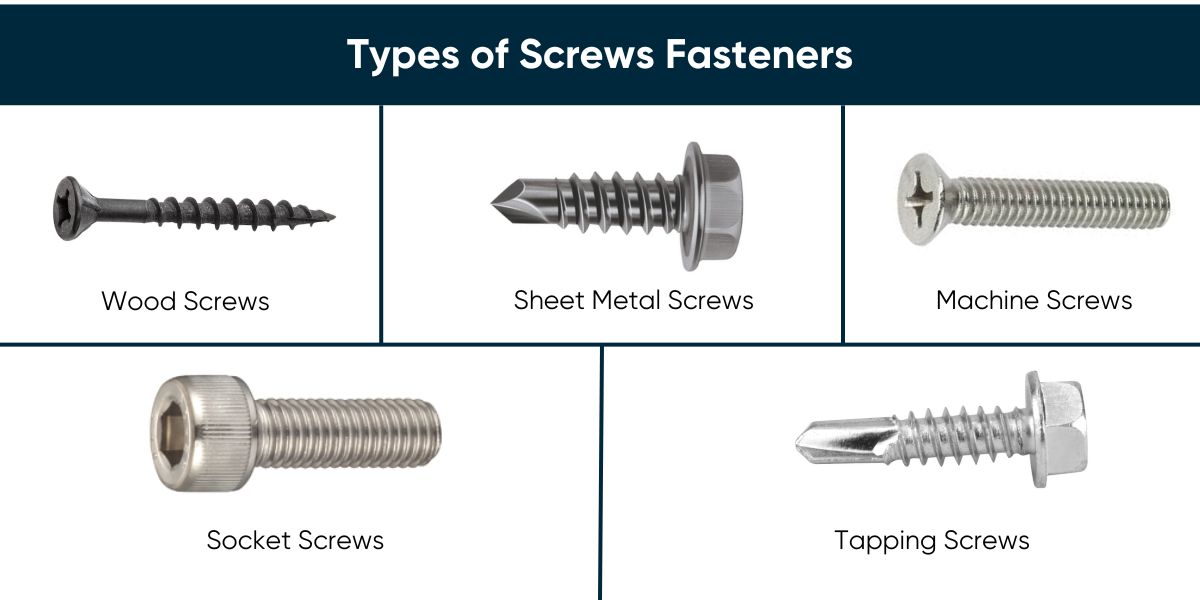
Screws have a spiral thread. They twist into materials for a tight hold. Used in wood, metal, and plastic. Different heads fit various tools. Screws are easy to remove and reuse.
Nails
Nails are smooth or ridged metal pins. They are hammered into wood or other soft materials. Nails hold pieces tightly but are harder to remove. Often used in construction and carpentry.
Bolts
Bolts are similar to screws but need nuts. They pass through objects to be fastened. Nuts tighten bolts for a strong bond. Common in machinery and heavy-duty tasks.
Washers
Washers are thin, flat discs. They spread the load of a bolt or screw. Washers protect surfaces from damage. They also help prevent loosening over time.
Rivets
Rivets join materials permanently. They are metal pins with a head on one end. Rivets are hammered or pressed to fasten. Used in metalwork and aircraft construction.
Clips
Clips hold parts without screws or nails. They snap or clamp pieces together. Clips allow easy assembly and disassembly. Found in automotive and electronics industries.
Anchors
Anchors secure fasteners in weak materials. They expand inside walls or concrete. Anchors provide strong support for screws and bolts. Ideal for hanging heavy objects safely.
Credit: www.theengineerspost.com
Choosing The Right Fastener
Choosing the right fastener is key to a strong and safe project. The wrong fastener can cause failure or damage. Consider the materials, loads, and environment before deciding. These factors help pick a fastener that fits the job perfectly.
Material Compatibility
Pick a fastener that matches the materials you join. Metal parts need metal fasteners that resist rust. Wood needs screws designed to grip fibers well. Using the wrong type can weaken the hold or cause corrosion over time.
Load Requirements
Know how much weight the fastener must hold. Light loads need small screws or nails. Heavy loads demand bolts or anchors with high strength. Choose fasteners rated for your load to avoid breaks or slips.
Environment Considerations
Think about where the fastener will be used. Outdoor projects need rust-resistant materials like stainless steel. Wet or humid places require corrosion-proof fasteners. Harsh environments mean choosing durable fasteners that last long.
Tools For Fastening
Fasteners hold materials together. Choosing the right tool helps install them correctly. Tools for fastening come in many types, each suited for specific fasteners.
Hand Tools
Hand tools are simple and easy to use. Screwdrivers fit screws and bolts. Wrenches tighten nuts and bolts securely. Pliers grip small parts and pull nails. Hammers drive nails into wood or other materials. These tools require manual effort but provide good control.
Power Tools
Power tools make fastening faster and easier. Electric drills drive screws quickly and with less effort. Impact drivers handle tough screws and bolts. Nail guns shoot nails rapidly into wood or other materials. These tools save time and reduce fatigue. They work well for large projects and hard materials.
Fastener Maintenance Tips
Fasteners are small but vital parts of many projects and machines. Proper care helps them last longer and work better. Simple maintenance can stop damage and keep fasteners strong. Follow easy tips to protect your fasteners and save money on repairs.
Preventing Rust
Rust makes fasteners weak and hard to use. Keep fasteners dry to stop rust. Use oil or rust-preventive spray on metal fasteners. Check fasteners often and clean off any rust spots. Replace fasteners that show too much rust to avoid failure.
Proper Storage
Store fasteners in a dry, cool place away from moisture. Use labeled containers to keep different types separate. Avoid mixing sizes or types in one box. Keep fasteners off the floor to prevent dirt and damage. Good storage helps find fasteners quickly and keeps them safe.
Common Mistakes To Avoid
Fasteners play a key role in any project. Using them incorrectly can cause problems. Avoiding common mistakes helps ensure strong and safe connections. Here are some common errors to watch out for.
Overtightening
Applying too much force can damage fasteners or materials. It can strip threads or break bolts. Tighten fasteners just enough to hold parts firmly. Use a torque wrench if possible for precise tightening.
Using Wrong Size
Choosing the wrong size fastener weakens the connection. Too small fasteners may not hold parts well. Too large ones can damage materials or be hard to fit. Always measure carefully and pick the right size.
Ignoring Material Type
Different materials require specific fasteners. Using the wrong type can cause corrosion or failure. For example, steel fasteners may rust on aluminum parts. Match fastener material to the parts for durability and safety.

Credit: www.youtube.com
Credit: bhansalitechno.com
Frequently Asked Questions
What Are The Most Common Types Of Fasteners Used?
The most common fasteners include bolts, screws, nuts, washers, rivets, nails, and clips. Each serves a specific fastening purpose.
How Do Screws Differ From Bolts In Fastening?
Screws typically thread directly into material, while bolts require nuts to secure. Screws often provide a tighter hold.
Why Are Washers Important In Fastener Assemblies?
Washers distribute load, prevent damage, and reduce vibration. They enhance the durability and reliability of fastened joints.
What Applications Use Rivets As Fasteners?
Rivets are ideal for permanent, strong joints in metalwork, aerospace, and construction. They resist loosening under vibration.
Conclusion
Fasteners hold things together every day. Knowing different types helps choose the right one. Screws, nuts, bolts, and nails serve many purposes. Each fastener fits specific tasks and materials. Using the correct fastener makes projects stronger and safer. Simple tools and fasteners build complex items easily.
Understanding these seven types saves time and effort. Now, you can pick the best fastener for your job.