Have you ever wondered if you can reuse fasteners like screws, bolts, or nails? It might seem like a simple question, but the answer could save you time, money, and even prevent damage to your projects.
Whether you’re fixing something at home or working on a bigger construction job, knowing when and how to reuse fasteners can make a huge difference. Keep reading, because you’re about to discover the key tips that will help you decide if your fasteners are good to go or if it’s time to replace them.
This knowledge will change the way you handle your tools and materials forever.

Credit: www.reddit.com
Types Of Fasteners
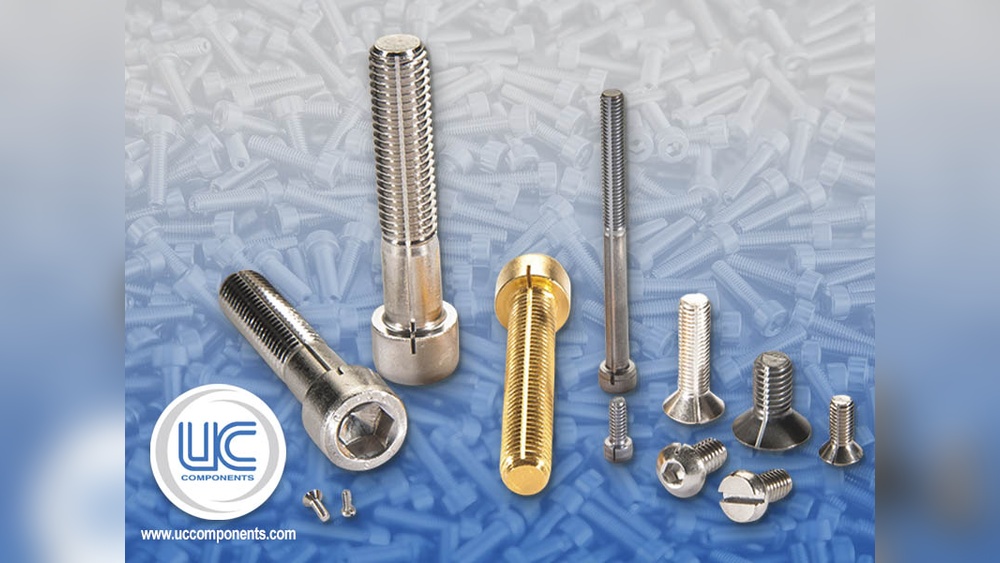
Fasteners come in many types and styles. Each type serves a specific purpose. Understanding these types helps decide if a fastener can be reused. The material and use affect its strength and durability.
Common Materials
Fasteners are made from metal, plastic, or composite materials. Steel is the most common metal used. Stainless steel resists rust and lasts longer. Brass and aluminum are softer but prevent corrosion. Plastic fasteners are light and flexible. The material affects how many times a fastener can be reused.
Usage And Wear Patterns
Fasteners face different forces like tension, shear, and vibration. Repeated use can cause wear or damage. Threads may strip or deform. Some fasteners loosen with use. Others hold tight even after removal. Wear depends on the material and how the fastener was used. Examining wear helps decide on reuse.
Credit: www.nord-lock.com
Factors Affecting Reuse
Reusing fasteners can save time and money. Still, several factors decide if a fastener is safe and effective to reuse. These factors ensure the fastener holds well and does not fail after reuse.
Checking these factors before reuse helps avoid problems like loosening or breaking. Understanding these points makes the reuse process safer and more reliable.
Material Integrity
Material integrity means the fastener’s strength and quality. Fasteners made of strong materials last longer. Any cracks or bends weaken the fastener. Once damaged, the fastener loses its strength. Using a weak fastener can cause failures in the structure.
Thread Condition
The threads on screws and bolts must be in good shape. Worn or stripped threads reduce grip and holding power. Check for smooth, clean threads without damage. Damaged threads make tightening difficult. They also increase the risk of loosening over time.
Corrosion And Damage
Rust and corrosion reduce fastener strength. Corroded fasteners may break under pressure. Look for signs of rust or pitting on the surface. Physical damage like dents or bends also matters. Such fasteners should not be reused to ensure safety.
Inspection Techniques
Inspection techniques are important to decide if fasteners can be reused safely. Proper checks help find damage or wear that is not easy to see. Different methods reveal different problems. Using the right technique keeps structures strong and safe.
Visual Checks
Visual checks are the simplest way to inspect fasteners. Look for cracks, rust, or bent parts. Check if threads are worn or stripped. Clear signs of damage mean the fastener should not be reused. Use good lighting and a magnifier if needed. These checks save time and catch obvious problems early.
Mechanical Testing
Mechanical testing measures the strength and durability of fasteners. It includes torque tests to see if the fastener tightens correctly. Tensile tests check how much force it can hold before breaking. These tests show if the fastener still works well. They require special tools but give accurate results.
Non-destructive Methods
Non-destructive methods find hidden defects without harming fasteners. Techniques like ultrasonic testing check inside the material. Magnetic particle inspection detects surface cracks. Dye penetrant testing highlights tiny cracks not visible to the eye. These methods keep the fastener intact and safe for reuse if no problems appear.
Safety Considerations
Safety is the top priority when reusing fasteners. Using old fasteners without proper checks can cause accidents. Fasteners must hold loads securely and resist stress. Understanding safety helps prevent failures and keeps structures strong.
Load And Stress Limits
Fasteners have limits on how much weight they can hold. Reused fasteners may have worn threads or cracks. These damages reduce their strength. Always check if a fastener can still handle the load. Never use a fastener that shows signs of stress or damage.
Manufacturer Guidelines
Manufacturers provide rules for safe reuse of fasteners. These guidelines include how many times a fastener can be reused. They also cover inspection methods and replacement signs. Follow these instructions strictly to ensure safety. Ignoring guidelines can lead to fastener failure.
Industry Standards
Industry standards set the safety rules for fasteners. These standards are made by experts and organizations. They describe testing and inspection procedures. Meeting these standards guarantees fastener reliability. Use fasteners that comply with the correct standards for your project.
Best Practices For Recycling
Recycling fasteners helps save resources and reduces waste. Following best practices ensures fasteners stay in good condition. Proper recycling also keeps your workspace clean and organized. Here are key steps to recycle fasteners effectively.
Cleaning And Preparation
Remove dirt, grease, and rust from fasteners before reuse. Use a wire brush or mild cleaner for thorough cleaning. Dry them completely to avoid corrosion. Clean fasteners perform better and last longer.
Storage And Labeling
Store fasteners in a dry, cool place to prevent rust. Use clear containers or bins for easy access. Label each container with fastener type and size. Organized storage saves time and reduces mix-ups.
Proper Disposal Of Damaged Fasteners
Do not reuse fasteners that are bent or cracked. Separate damaged fasteners for recycling or disposal. Check local recycling rules to dispose of metal safely. Proper disposal protects the environment and keeps tools safe.

Credit: www.reddit.com
Environmental Impact
Fasteners are small but important parts in many projects. Their environmental impact is often overlooked. Reusing fasteners can help reduce harm to nature. It saves resources and energy needed to make new ones. This section explores how reusing fasteners benefits the environment.
Benefits Of Reusing Fasteners
Reusing fasteners lowers the need for new metal production. Producing metals uses a lot of energy and water. It also creates pollution in air and water. Using old fasteners means less mining and less waste. It helps protect natural habitats and wildlife. It also saves money and resources.
Reducing Waste
Discarded fasteners add to landfill problems. They take a long time to break down. Reusing fasteners cuts down this waste. It prevents more trash from piling up. It also reduces the demand for new fasteners. Less manufacturing means less pollution and waste.
Tools And Equipment
Tools and equipment play a key role in deciding if fasteners can be reused. Proper tools help check fasteners for damage and wear. They also assist in cleaning and maintaining fasteners for another use. Using the right tools keeps fasteners safe and reliable.
Inspection Tools
Inspection tools help find cracks, rust, or bending in fasteners. A magnifying glass or jeweler’s loupe shows small defects clearly. Calipers measure diameter and length to check if fasteners meet size needs. Thread gauges test thread quality and pitch. These tools ensure fasteners still fit and work well.
Maintenance Equipment
Maintenance equipment cleans and prepares fasteners for reuse. Wire brushes remove rust and dirt. Ultrasonic cleaners reach tiny crevices and provide thorough cleaning. Lubricants reduce friction and prevent corrosion during reuse. Proper maintenance extends fastener life and improves safety.
Frequently Asked Questions
Can Fasteners Be Reused Safely?
Fasteners can be reused if they show no signs of damage. Always inspect threads, heads, and shafts for wear or corrosion before reuse. Using compromised fasteners risks joint failure and safety hazards. When in doubt, replace fasteners to ensure strength and reliability.
Which Fasteners Are Best For Reuse?
Fasteners made from durable materials like stainless steel or high-grade alloys are better for reuse. Avoid reusing fasteners that deform, strip, or corrode easily. Bolts, screws, and nuts designed for multiple uses often have markings indicating their reusability.
How To Check Fasteners For Reuse Suitability?
Inspect fasteners for cracks, thread damage, and corrosion. Check for proper thread engagement and ensure the head isn’t rounded or stripped. Use a thread gauge or visual inspection to confirm integrity before deciding to reuse.
What Risks Come From Reusing Damaged Fasteners?
Reusing damaged fasteners can cause joint loosening, structural failure, or safety hazards. Damaged threads reduce holding power, increasing the chance of parts separating. Always prioritize safety by discarding any fastener that shows signs of wear or damage.
Conclusion
Fasteners can sometimes be reused, but with caution. Check each fastener for damage or wear before reuse. Weak or bent fasteners may cause problems later. Using old fasteners saves money but risks safety. For critical projects, new fasteners are the safer choice.
Proper inspection helps decide if reuse is okay. Remember, safety should always come first in your work. Choose wisely to keep your projects strong and lasting.