Have you ever wondered how important documents stay neatly organized without falling apart? If you’ve struggled with messy stacks of papers or flimsy clips that just don’t hold up, understanding what a prong fastener is can change the way you manage your files.
This simple yet powerful tool keeps your papers secure and easy to access. Keep reading, and you’ll discover how a prong fastener can make your life easier, save you time, and keep your documents looking professional.
Credit: www.staples.com
Prong Fastener Basics
Prong fasteners are simple tools used to hold papers together. They help keep documents neat and organized. Understanding their basics can make office tasks easier.
These fasteners are common in offices and schools. They come in different shapes and sizes. Knowing their design and materials helps choose the right one.
Definition And Design
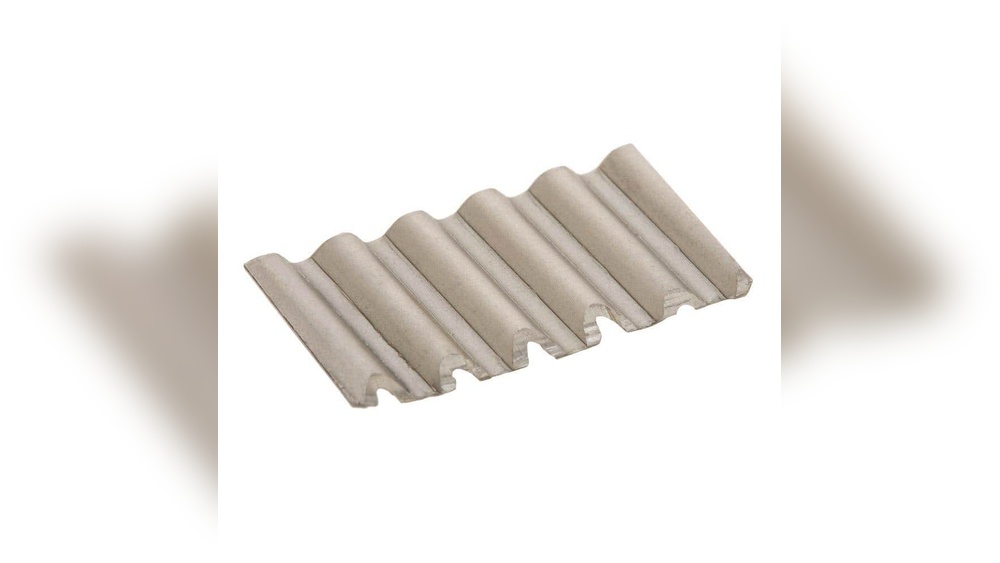
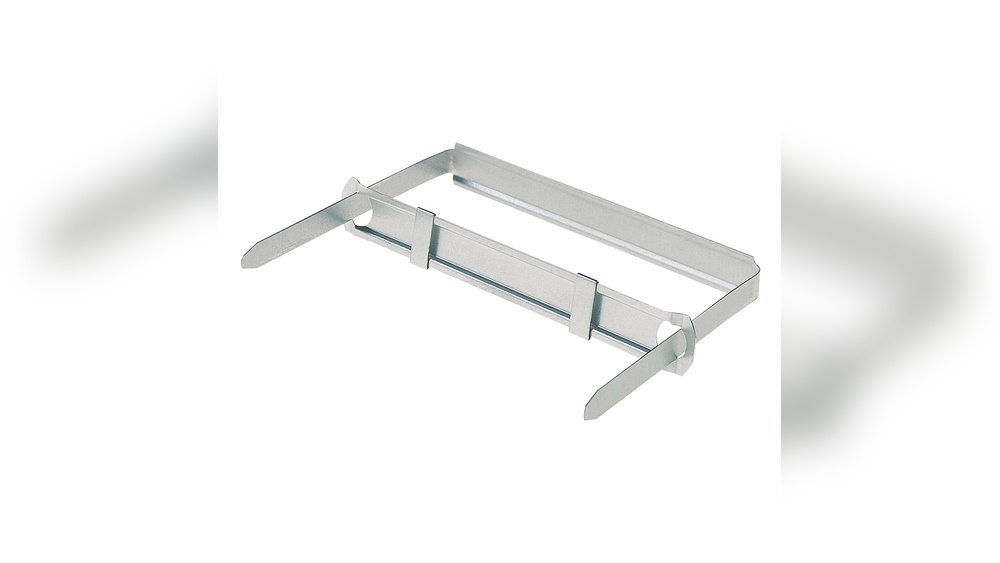
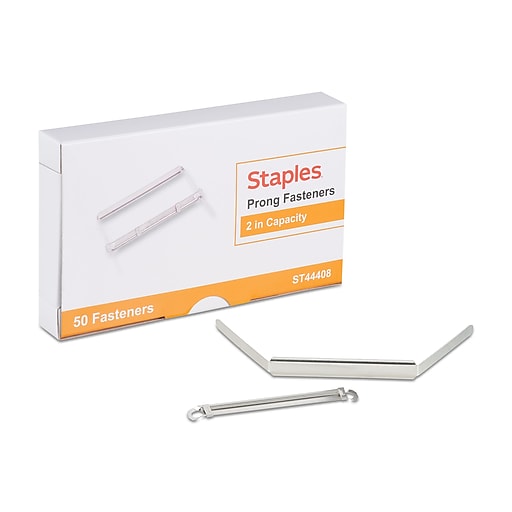
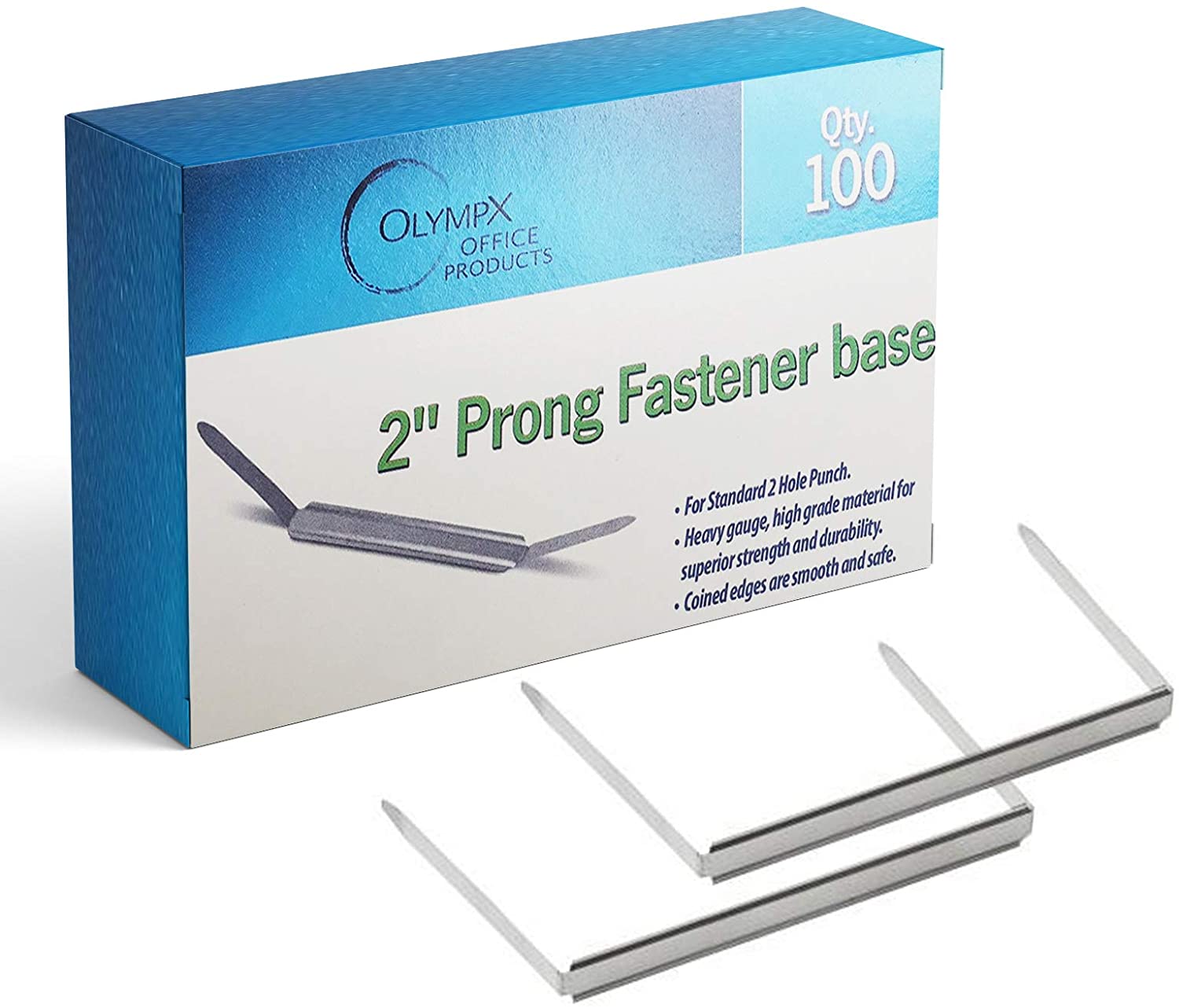
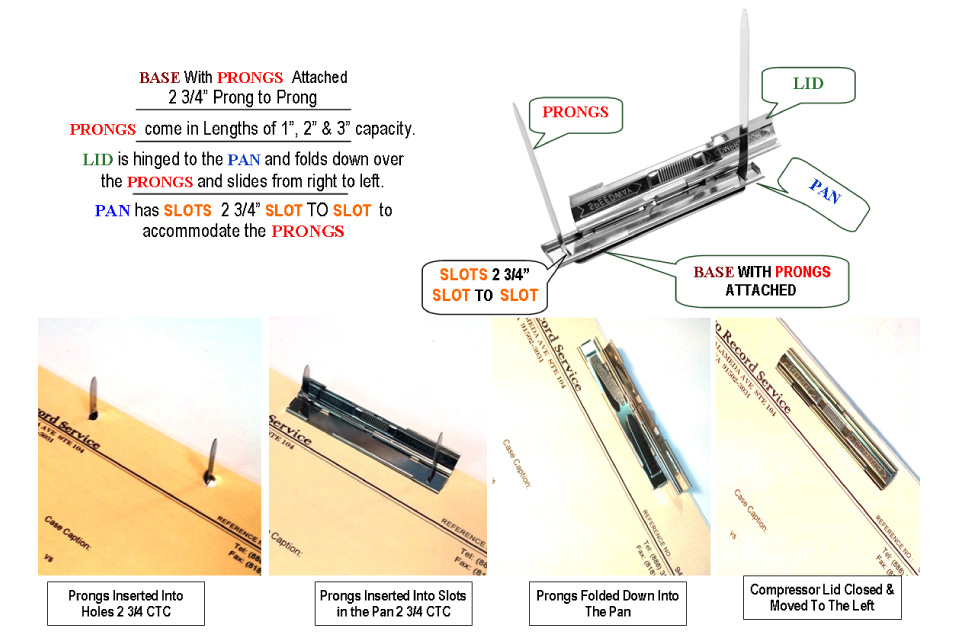
A prong fastener is a small metal device. It has two thin arms called prongs. These prongs bend to secure papers firmly. The base of the fastener is flat and fits into holes.
To use it, punch holes in papers first. Insert the prongs through the holes. Then bend the prongs down to lock papers in place. This design keeps papers from slipping out.
Common Materials
Most prong fasteners are made of steel. Steel provides strength and lasts a long time. Some are coated with nickel to prevent rust. Others use brass for a shiny look.
Plastic prong fasteners also exist. They are lighter but less durable. Choosing the right material depends on the task and budget.
Types Of Prong Fasteners
Prong fasteners come in different types to suit various binding needs. Each type offers unique features for organizing papers efficiently. Understanding these types helps choose the right fastener for your project.
Two-prong Fasteners
Two-prong fasteners have two metal arms that hold papers securely. These are common in offices for binding small stacks. The prongs go through punched holes and bend to lock papers in place.
They are simple to use and remove without damaging documents. Ideal for light to medium paper loads, they keep papers neat and easy to flip through.
Four-prong Fasteners
Four-prong fasteners provide extra holding power with four metal arms. These are perfect for thicker or heavier paper stacks. More prongs mean better stability and less chance of papers slipping out.
They are often used in reports, presentations, and legal files. Like two-prong fasteners, they bend to secure papers but offer stronger support.
Specialty Variations
Specialty prong fasteners include unique designs for specific tasks. Some have wider prongs for larger paper sizes or reinforced metal for heavy use. Others come with colored prongs for easy identification.
These variations help customize organization and improve efficiency. Specialty fasteners suit different office environments and personal preferences.
Applications And Uses
Prong fasteners are small but very useful tools. They help hold papers and materials together. Their design makes them easy to use in many different ways. Below are some common applications and uses for prong fasteners.
Office And Filing Systems
Prong fasteners keep papers neat and organized in offices. They secure documents without punching too many holes. Many offices use them to bind reports and files. These fasteners help in sorting and storing papers safely. They are easy to open and close for quick access.
Crafting And Diy Projects
Crafters use prong fasteners to connect materials like paper and fabric. They allow parts to move while staying connected. Fasteners are perfect for scrapbooks and handmade cards. They add a professional touch to craft projects. Simple to use, they save time in crafting tasks.
Industrial Uses
In industries, prong fasteners hold documents and product samples. Factories use them to keep papers together on the production floor. They help track materials and instructions easily. These fasteners are strong and reliable for heavy use. Their durability makes them ideal for industrial settings.
Advantages Of Prong Fasteners
Prong fasteners offer many benefits that make them a popular choice for binding papers or documents. They are reliable and efficient. These fasteners keep your documents secure and organized.
Durability And Strength
Prong fasteners are made from strong metal. They hold papers tightly without bending or breaking. This durability ensures documents stay intact for a long time. They work well even with thick stacks of paper.
Ease Of Use
Using prong fasteners is simple and quick. Just punch holes, insert the prongs, and fold them flat. No special tools are needed. This saves time and makes organizing easy.
Cost-effectiveness
Prong fasteners are affordable and last a long time. You don’t need to replace them often. They are a budget-friendly way to keep papers neat and secure.
Choosing The Right Prong Fastener
Choosing the right prong fastener helps secure your documents or materials safely. Selecting the correct type depends on various factors. These include size, material, and how much weight the fastener can hold. Understanding these points ensures you pick the best fit for your needs.
Size And Length Considerations
Choose a prong fastener size based on the number of sheets or thickness. Too short, and it won’t hold the papers well. Too long, and it may bend or look untidy. Measure the stack thickness before selecting the prong length. Proper size keeps documents neat and secure.
Material Compatibility
Pick a prong fastener made from a material that matches the paper or folder type. Steel prongs work well for thick stacks and heavy use. Plastic prongs suit lighter loads and less frequent handling. Correct material prevents damage to documents and ensures durability.
Load Capacity
Load capacity means how much weight the fastener can hold. Heavy documents need fasteners with high load capacity. Light papers require less strong fasteners. Choosing the right load capacity keeps your materials safe without risk of tearing.
Credit: ringbinderdepot.com
Installation Tips
Installing a prong fastener correctly ensures your documents stay secure. Small mistakes can cause damage or loose papers. Follow these simple tips for a strong hold and neat look.
Proper Placement
Place the prong fastener where papers align evenly. Avoid edges or corners where pages may tear. Center it to keep papers balanced and easy to flip. Make sure the hole punch fits the prongs perfectly.
Tools Required
Use a hole puncher that matches the fastener size. A ruler helps to measure the exact spot. A flat surface makes work easier. Use scissors or a small knife to trim excess paper if needed.
Maintenance Advice
Check the fastener regularly for bending or rust. Keep it dry to prevent corrosion. Straighten prongs gently if they bend out of shape. Replace the fastener if it loses grip or breaks.
Comparing Prong Fasteners With Other Fasteners
Prong fasteners stand out among many office tools used to hold papers together. Understanding how they compare to staples, paper clips, and binder clips helps pick the right fastener for each task. Each fastener has its own strengths and best uses.
Versus Staples
Staples pierce through paper, holding sheets tightly. Prong fasteners fold through punched holes, securing papers without damage. Unlike staples, prong fasteners allow easy paper removal or addition. Staples create permanent binding, while prong fasteners are reusable. Prong fasteners work well for thick stacks; staples may bend or jam.
Versus Paper Clips
Paper clips slide onto paper edges without holes. Prong fasteners need punched holes for use. Paper clips are quick to attach but may slip off. Prong fasteners hold papers firmly and keep them aligned. Paper clips work best for small stacks; prong fasteners manage larger volumes better.
Versus Binder Clips
Binder clips clamp papers tightly, no holes needed. Prong fasteners require holes and fold over the paper. Binder clips are easy to remove and reuse but bulkier. Prong fasteners keep papers flat and organized inside folders. Binder clips suit temporary binding; prong fasteners fit for filing.
Credit: www.speedwayfilefasteners.com
Frequently Asked Questions
What Is A Prong Fastener Used For?
A prong fastener secures papers or documents in folders. It keeps pages organized and prevents slipping. It’s common in offices and schools for neat document management.
How Does A Prong Fastener Work?
A prong fastener has metal prongs that pierce paper holes. You fold the prongs over the papers to lock them. This simple mechanism holds documents tightly in place.
What Materials Are Prong Fasteners Made From?
Prong fasteners are typically made from durable metal. Steel or aluminum are common for strength and rust resistance. Some have plastic components for added flexibility and ease of use.
Can Prong Fasteners Be Reused?
Yes, prong fasteners can be reused multiple times. You simply unfold the prongs, remove or add papers, then fold them back. This makes them eco-friendly and cost-effective for document handling.
Conclusion
Prong fasteners hold papers and materials firmly in place. They work by bending metal prongs through holes. These fasteners come in various sizes and types. They are easy to use and reuse multiple times. Many offices and schools rely on them daily.
Knowing what a prong fastener is helps organize documents better. Simple, effective, and affordable—prong fasteners keep things neat. Try one for your next filing task. You’ll find it saves time and effort.