If you work with aircraft maintenance or restoration, you know how important it is to have fasteners that are both secure and easy to remove. That’s where Dzus fasteners come in.
They hold panels tightly in place but allow quick access when you need it. But how do you install them correctly so they do their job perfectly? In this guide, you’ll discover simple, step-by-step instructions that make installing aircraft Dzus fasteners straightforward and hassle-free.
Keep reading, and you’ll gain the confidence to handle these fasteners like a pro, saving you time and avoiding costly mistakes.
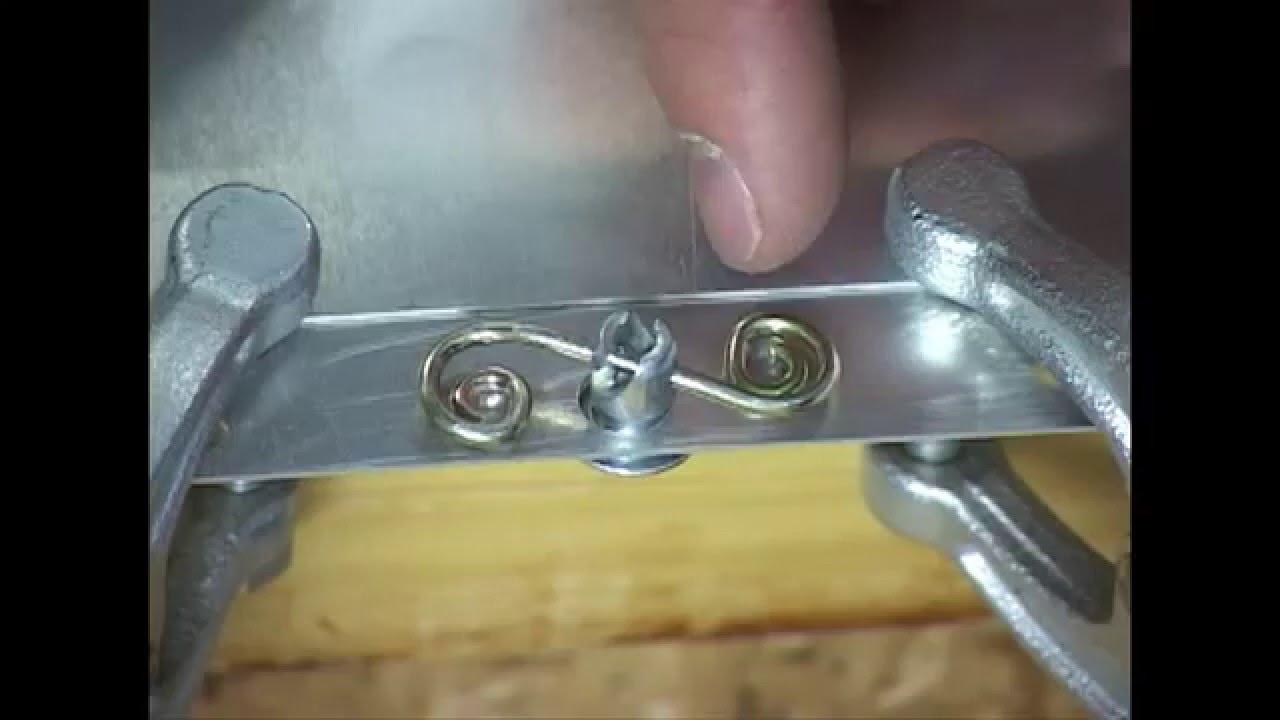
Credit: www.youtube.com
What Are Dzus Fasteners
Dzus fasteners are small, quick-release fasteners used in aircraft. They hold panels and parts securely but allow easy removal. This makes maintenance faster and simpler. These fasteners work by twisting and locking into place. You can open them by twisting the button or knob. Their design provides a strong hold with a simple action.
Types Of Dzus Fasteners
There are several types of Dzus fasteners. The most common are button and flush types. Button fasteners have a raised head for easy grip. Flush fasteners sit flat with the surface. This helps reduce drag on aircraft surfaces. Some fasteners use pins, others use springs for locking. Each type suits different panel thickness and uses.
Common Uses In Aircraft
Dzus fasteners are used on many aircraft parts. They secure access panels, cowls, and fairings. These fasteners hold control surfaces like flaps and ailerons. They are common in engine and cockpit areas. Their quick-release feature helps during inspections and repairs. Technicians can remove parts without tools or damage.

Credit: www.flaps2approach.com
Tools Needed For Installation
Installing aircraft Dzus fasteners requires specific tools to ensure a secure fit. Using the right equipment makes the process smoother and safer. Below are the main tools needed for installation.
Essential Hand Tools
Start with a Dzus fastener driver or a flat-head screwdriver that fits the fastener slot. A rivet gun or rivet puller might be needed for some installations. Needle-nose pliers help to hold small parts firmly. A ruler or measuring tape ensures precise placement of fasteners. A drill with the correct drill bits is necessary to make holes for mounting. Keep a small hammer handy for light taps if needed.
Safety Equipment
Wear safety glasses to protect your eyes from flying debris. Gloves guard your hands from sharp edges and tools. Hearing protection is important when using power tools. Use a dust mask if drilling into metal or composite materials. Ensure your workspace is well-lit to avoid mistakes and accidents. Clean, sturdy work gloves improve grip and comfort during installation.
Preparing The Surface
Preparing the surface is a crucial step before installing aircraft Dzus fasteners. A clean and well-marked surface ensures the fasteners fit securely and last longer. Taking time to prepare the surface properly prevents problems later during installation and use.
Cleaning And Inspecting
Start by cleaning the area where you will install the fasteners. Use a mild solvent or cleaner to remove dirt, grease, and old paint. Dirt or oil can stop the fasteners from holding tightly.
After cleaning, check the surface for damage. Look for cracks, dents, or corrosion. Any problem should be fixed before moving on. A smooth, solid surface gives the best support for the fasteners.
Marking Fastener Locations
Use a ruler and pencil to mark where each fastener will go. Marking helps keep the fasteners evenly spaced and aligned. This makes the panel or cover fit better.
Double-check your marks to avoid mistakes. Poor placement can cause the fasteners to fail or the panel to sit unevenly. Clear, precise marks save time and effort during installation.
Step-by-step Installation
Installing aircraft Dzus fasteners requires careful attention to detail. Each step ensures the fastener works securely and lasts long. Follow these simple steps for proper installation. This guide breaks down the process into easy parts.
Drilling And Deburring Holes
Start by marking the hole positions on the panel. Use a drill with the correct size bit for the fastener. Drill straight and clean holes without damaging the panel. Remove any sharp edges by deburring the holes. Smooth holes help the fastener fit tightly and prevent damage.
Installing Receptacles
Insert the receptacle into the drilled hole carefully. Make sure it fits flush with the panel surface. Secure the receptacle with rivets or screws as needed. Check that the receptacle does not move or wiggle. Proper installation ensures a strong hold for the fastener pin.
Attaching Fastener Pins
Align the fastener pin with the receptacle. Push the pin into the receptacle until it snaps in place. Turn the pin slightly to lock it securely. Test the fastener by pulling gently to check its hold. A well-attached pin keeps panels tight and safe during flight.
Tips For Proper Alignment
Proper alignment is key when installing aircraft Dzus fasteners. It ensures the fastener holds parts securely and prevents damage. Misalignment can cause parts to sit unevenly or lead to wear over time. Taking time to align the fastener correctly improves safety and extends part life.
Follow these tips to achieve perfect alignment and avoid common mistakes during installation.
Ensuring Flush Fit
Check the panel edges and fastener holes before installing. Both surfaces must be clean and smooth for a flush fit. Insert the fastener carefully, making sure it sits flat against the panel. A flush fit prevents gaps that cause vibration and noise. Use gentle pressure to avoid bending the fastener or panel.
Avoiding Over-tightening
Fasten the Dzus fastener until it feels snug, not forced. Over-tightening can strip threads or deform the panel. Stop tightening as soon as the fastener locks in place firmly. Use a torque wrench if possible, following manufacturer torque specifications. Proper tightness ensures a secure hold without damaging parts.
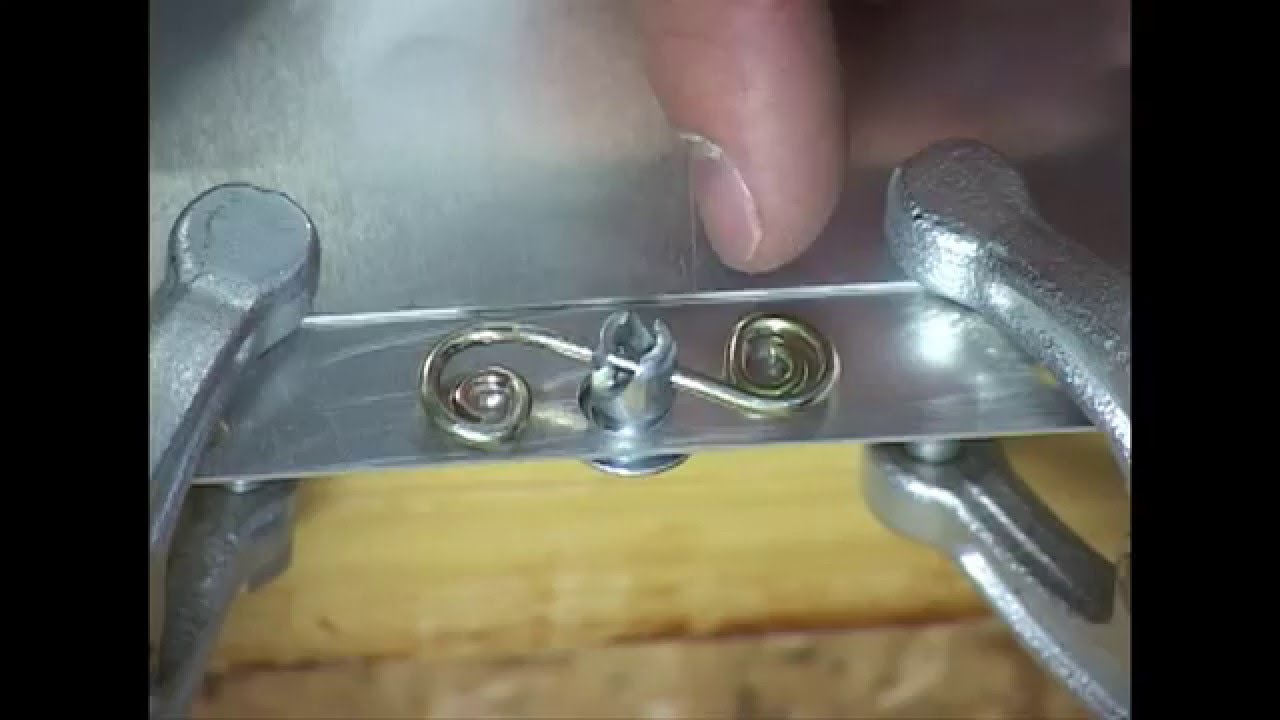
Credit: www.youtube.com
Testing Fastener Function
Testing the function of aircraft Dzus fasteners is a critical step after installation. It ensures that the fasteners hold parts securely. It also confirms that they work properly under stress. This step avoids problems during flight and maintenance.
Checking Engagement
First, check the fastener’s engagement with the panel. Turn the fastener handle until it clicks into place. The handle should rotate smoothly without too much force. If it feels loose or too tight, adjust the fastener or panel alignment.
Make sure the fastener grips the panel firmly. Gently try to move the panel by hand. A properly engaged fastener keeps the panel steady and does not allow any wobble.
Verifying Security
Next, verify the security of the fastener under light pressure. Press around the panel edges near the fastener. The panel must not shift or lift from its position. If it moves, the fastener might be loose or incorrectly installed.
Use a visual inspection to check for gaps between the panel and frame. No gaps should appear if the fastener is secure. Check that the fastener’s spring and latch are intact and working well.
Maintenance And Troubleshooting
Maintaining aircraft Dzus fasteners ensures safety and longevity. Regular checks keep fasteners secure and working properly. Troubleshooting helps fix issues before they cause bigger problems. Follow simple steps to keep fasteners in top shape.
Routine Inspections
Inspect Dzus fasteners every flight or maintenance session. Look for signs of wear, corrosion, or damage. Check if fasteners are loose or hard to turn. Clean fasteners with a soft cloth and mild solvent. Replace any fasteners that show cracks or broken parts. Proper lubrication helps fasteners move smoothly.
Common Issues And Fixes
Fasteners may become loose due to vibration. Tighten fasteners by hand or with the correct tool. If fasteners are stuck, apply light lubricant and work gently. Broken springs or cams require full fastener replacement. Avoid forcing fasteners to prevent damage. Use only approved parts for repairs.
Frequently Asked Questions
What Tools Are Needed To Install Aircraft Dzus Fasteners?
You need a Dzus fastener driver, a drill, rivet gun, and safety goggles. These tools ensure a secure and proper installation.
How Do You Align Aircraft Dzus Fasteners Correctly?
Align the fastener with the panel hole and ensure the spring engages smoothly. Proper alignment prevents damage and ensures secure fastening.
What Are Common Mistakes When Installing Dzus Fasteners?
Common errors include misalignment, over-tightening, and using wrong fastener sizes. Avoid these to maintain panel integrity and fastener function.
How Often Should Aircraft Dzus Fasteners Be Inspected?
Inspect fasteners during regular maintenance checks or after panel removal. Frequent inspections ensure reliability and prevent in-flight issues.
Conclusion
Installing aircraft Dzus fasteners is straightforward with clear steps. Always check the fasteners for damage before use. Tighten them securely but avoid over-tightening. These fasteners keep panels safe and easy to remove. Regular inspection ensures they work well over time.
Follow the instructions carefully for best results. This simple process helps maintain aircraft safety and efficiency. Take your time, and the fasteners will hold firmly. Simple tools and patience make the job easier. Now, you can install Dzus fasteners with confidence.