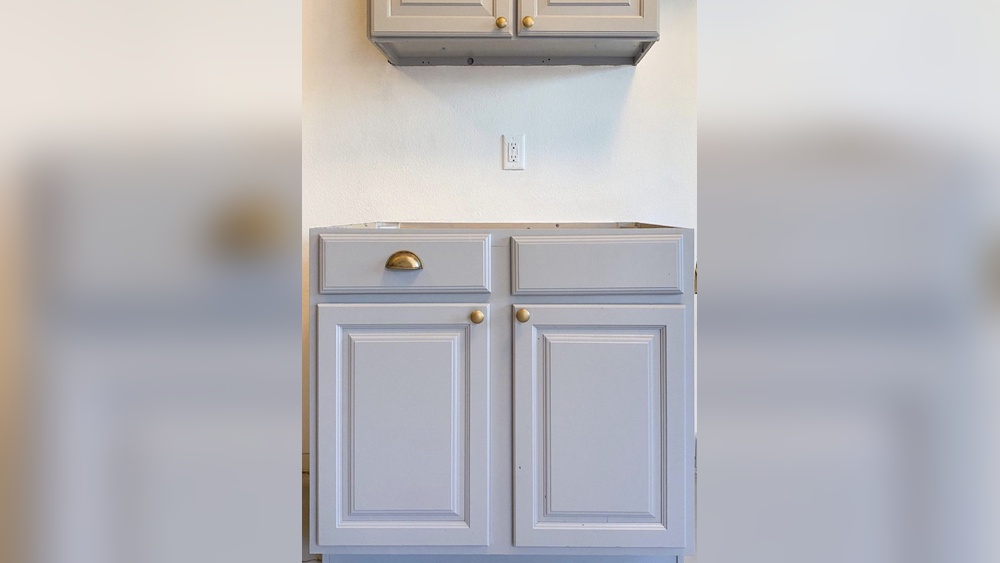
Thinking about giving your cabinet hardware a fresh, stylish look without replacing it? You might have heard about Rub ‘n Buff—a wax metallic finish that can transform ordinary surfaces into eye-catching accents.
But can you use Rub ‘n Buff on your cabinet hardware? The answer is yes, and it’s easier than you might think. You’ll discover how this simple product can breathe new life into your hardware, the best way to apply it for a lasting finish, and tips to avoid common mistakes.
Ready to upgrade your cabinets with a professional-looking metallic shine? Keep reading to learn exactly how you can make it happen.
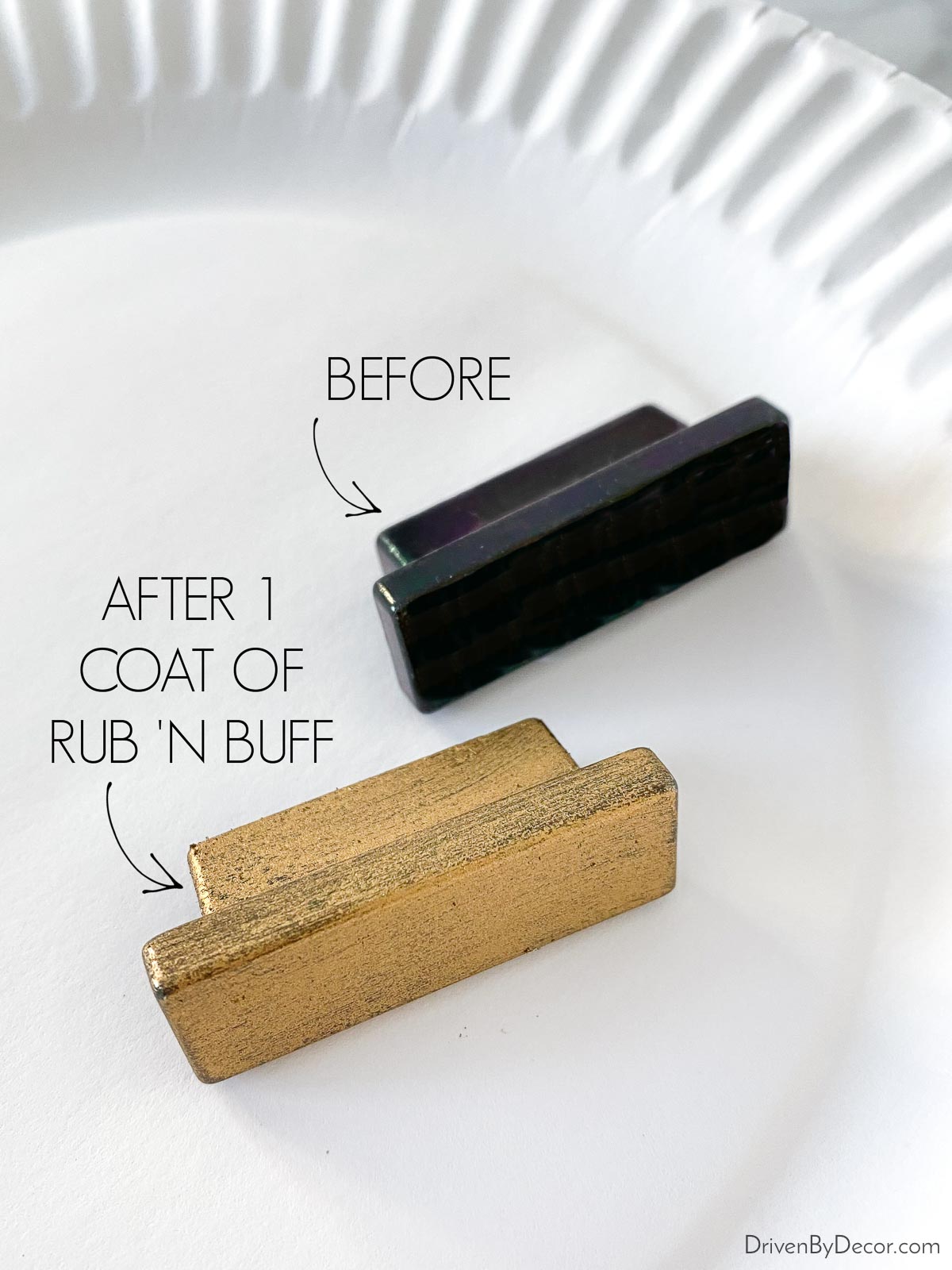
Credit: www.drivenbydecor.com
Rub And Buff Basics
Rub And Buff is a popular product used for adding metallic finishes. It can transform cabinet hardware with ease. This wax-based formula offers a rich, shiny look. Many people use it to refresh old knobs and handles. It works on many surfaces, including wood, metal, and plastic.
Understanding Rub And Buff helps you decide if it fits your project. It is easy to apply and dries fast. The product comes in small containers and a range of colors. You only need a little to cover each piece. Its smooth texture allows for even coverage without streaks.
What Is Rub And Buff
Rub And Buff is a wax metallic finish. It gives items a polished, antique, or modern look. The product contains fine metallic powders mixed with wax. This combination creates a shiny, durable finish. It applies like a paste and buffs to a soft sheen. The finish lasts long without chipping or fading.
You apply it by rubbing a small amount onto the surface. It sticks well to metal, wood, and plastic. The finish can be matte or glossy, depending on how much you buff. Many crafters and DIYers choose it for its easy use and quick results.
Why Choose Rub And Buff For Hardware
Rub And Buff offers a fast way to update cabinet hardware. It covers scratches and dull spots well. The product makes hardware look like new or vintage metal. It comes in various colors like gold, silver, and bronze. This lets you match your room’s style perfectly.
It requires no special tools or skills. A soft cloth or your finger works for application. The wax finish resists wear and fingerprints. It also dries quickly, so you can finish projects in one session. This product saves money by restoring hardware instead of buying new pieces.
Preparing Cabinet Hardware
Preparing cabinet hardware is a key step before applying Rub and Buff. Proper preparation ensures the finish sticks well and looks smooth. Taking time to clean and sand hardware can improve the final result significantly. This process removes dirt, grease, and old coatings that block adhesion.
Cleaning And Removing Old Finish
Start by cleaning the hardware with warm, soapy water. Use a soft brush to remove grime and dust. For oily residues, use rubbing alcohol or a degreaser. Removing old paint or finish is crucial. You can use a paint stripper or gently scrape it off with a plastic scraper. Make sure all old finish is gone before moving on.
Sanding For Better Adhesion
Light sanding helps Rub and Buff stick to the surface. Use fine-grit sandpaper, around 220 grit. Sand the hardware gently to roughen the surface. This creates tiny scratches that improve adhesion. After sanding, wipe the hardware clean with a damp cloth. Let it dry completely before applying Rub and Buff.
Applying Rub And Buff
Applying Rub And Buff on cabinet hardware is a simple way to refresh old pieces. This product adds a metallic sheen that looks professional and polished. The process requires some basic tools and careful technique for the best results. Small steps lead to a smooth and lasting finish.
Tools You’ll Need
- Rub And Buff metallic wax
- Soft cloth or paper towel
- Foam brush or your finger (with gloves)
- Lint-free cloth for buffing
- Fine sandpaper (optional for roughening surface)
- Protective gloves
- Spray lacquer for sealing (optional)
Step-by-step Application
- Clean the hardware thoroughly to remove dust and grease.
- Lightly sand smooth or shiny surfaces for better grip.
- Squeeze a small amount of Rub And Buff onto a cloth or brush.
- Apply a thin, even layer over the hardware surface.
- Work in small sections as the product dries fast.
- Use a clean cloth to buff the surface to a shine.
- Apply additional layers for deeper color or sheen.
- Seal with spray lacquer if the hardware gets frequent use.
Tips For Achieving A Smooth Finish
- Use a light touch to avoid uneven patches.
- Buff gently in circular motions for shine.
- Work quickly to blend before drying.
- Apply thin layers; thick coats may crack or peel.
- Allow each layer to dry fully before adding more.
- Seal with lacquer to protect the finish and extend life.
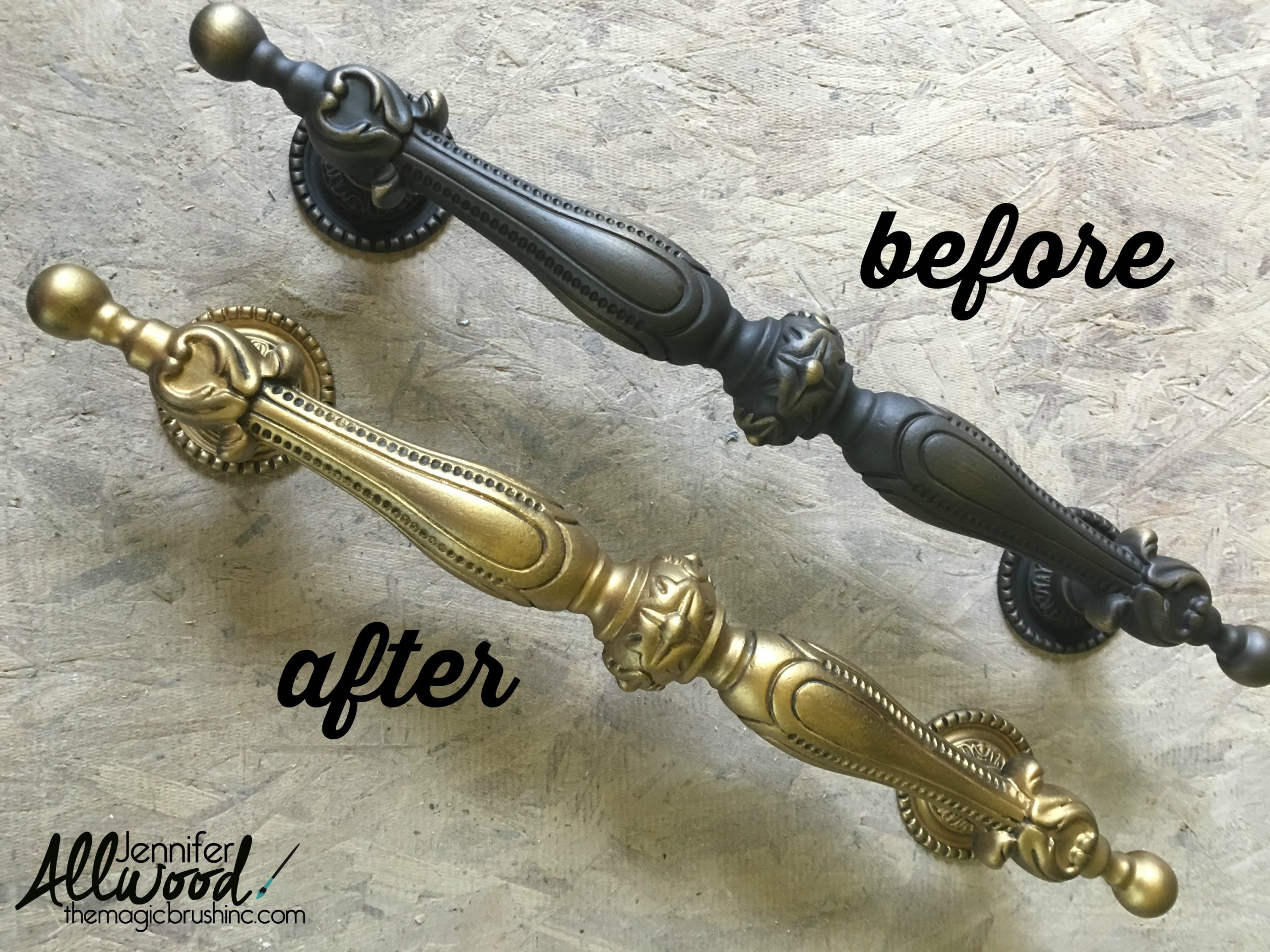
Credit: jenniferallwoodhome.com
Enhancing The Finish
Enhancing the finish of cabinet hardware with Rub and Buff brings new life to old pieces. This product adds a rich metallic look that stands out. It works well on metals that have texture or a slight roughness. Smooth surfaces might need light sanding to help the finish stick better. The key is careful application and proper buffing to reveal the full beauty of the finish.
Buffing Techniques
Start by applying a small amount of Rub and Buff on a clean cloth or your finger. Spread it evenly over the hardware surface with gentle pressure. Work in small sections to avoid drying too fast. After applying, wait a minute to let it settle slightly. Use a soft, dry cloth to buff the area in circular motions. Buffing brings out the metallic shine and smooths the texture. Repeat as needed to deepen the color and enhance details.
Adding Shine And Depth
Buffing not only adds shine but also creates depth in the finish. Light rubbing highlights raised areas while leaving darker tones in crevices. This contrast makes the hardware look more natural and aged. You can control the amount of shine by how much you buff. More buffing equals a brighter, polished look. Less buffing keeps a subtle, antique appearance. This flexibility allows you to match your cabinet style perfectly.
Protecting Your Work
Protecting your work after applying Rub and Buff on cabinet hardware is crucial. This step ensures your finish lasts longer and keeps its shine. Without proper protection, the finish can wear off from daily use. Sealing your work guards against scratches, tarnishing, and moisture damage. It also makes cleaning easier and maintains the metallic look you want. Taking time to seal the finish pays off in durability and appearance.
When To Seal The Finish
Seal the finish once the Rub and Buff is fully dry. This usually takes about 15 to 30 minutes. Wait until the surface feels dry and no longer sticky. Sealing too soon can ruin the finish or cause smudging. If the hardware is used often, sealing is necessary. For decorative pieces, sealing adds extra protection and shine.
Best Sealants For Durability
Clear lacquer spray is a popular choice for sealing Rub and Buff. It dries fast and forms a hard, protective layer. Polyurethane sealers also work well and provide strong protection. Choose a water-based polyurethane for less odor and easy cleanup. Avoid heavy or colored sealants that may hide the metallic shine. Always test the sealant on a small area first to check for any reaction.
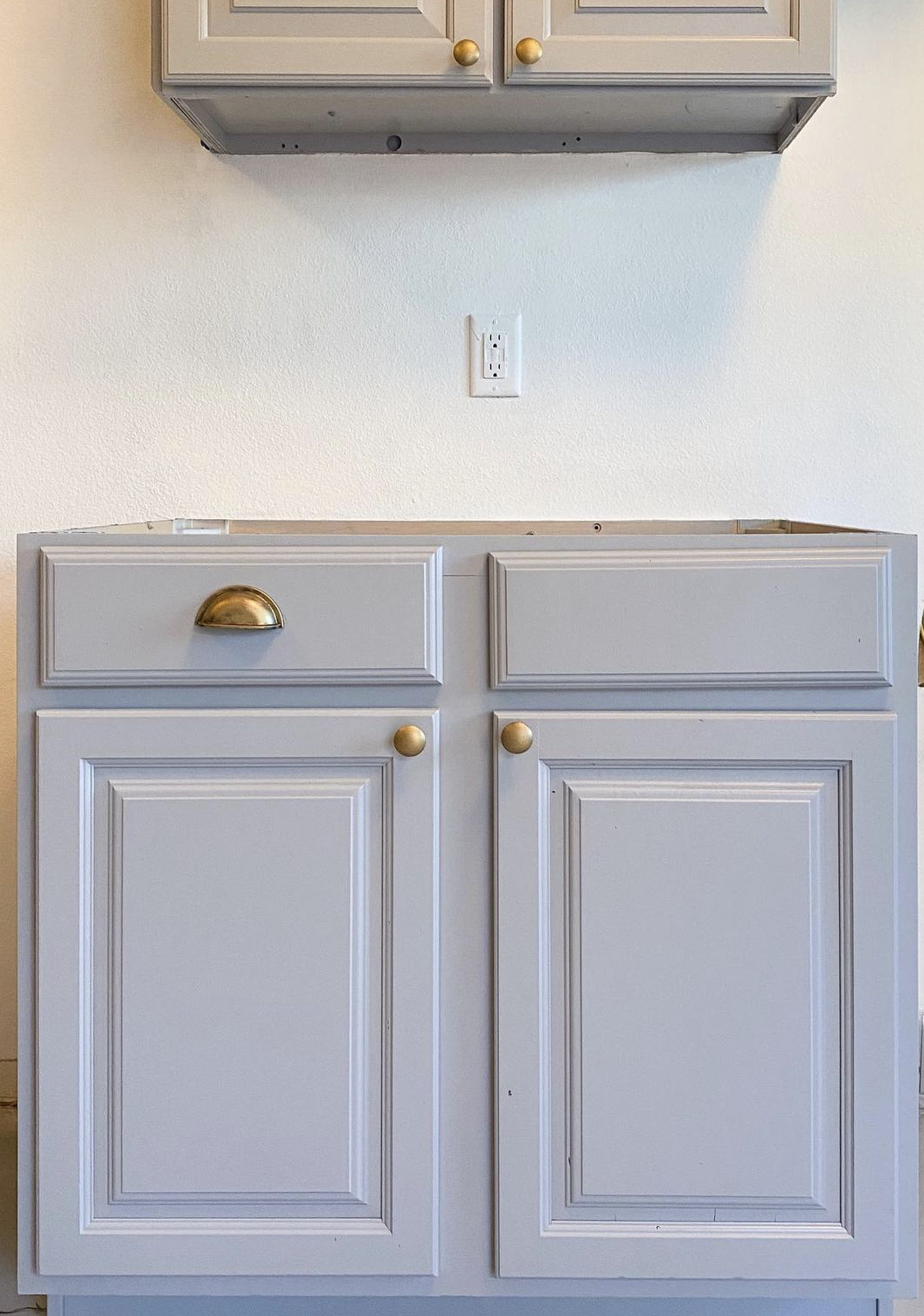
Credit: www.classyclutter.net
Common Mistakes To Avoid
Using Rub and Buff on cabinet hardware can give a fresh metallic look. Avoiding common mistakes helps get a smooth, lasting finish. These errors often cause uneven color or peeling. Learning what to avoid saves time and effort. Below are key mistakes to watch out for.
Applying Too Much Product
Applying too much Rub and Buff causes clumps and uneven coverage. A small amount goes a long way. Start with a tiny dab on a cloth or finger. Spread it thinly and evenly across the hardware surface. Excess product takes longer to dry and may peel off easily. Thin layers dry faster and look more natural. Buff gently to bring out the shine without overloading the surface.
Ignoring Surface Preparation
Surface preparation is crucial for good adhesion. Dirt, grease, or old finishes block Rub and Buff from sticking well. Clean hardware thoroughly with soap and water or rubbing alcohol. Dry completely before applying the product. Lightly sanding glossy or smooth surfaces helps the product grip better. Skipping this step risks peeling or flaking later. Proper prep creates a smooth base for a beautiful finish.
Comparing Rub And Buff With Other Methods
Comparing Rub And Buff with other finishing methods helps find the best choice for cabinet hardware. Each method offers unique benefits and drawbacks. Understanding these can guide you in achieving a beautiful, durable finish. The two popular options are Rub And Buff and spray paint. Both change the look of hardware but work differently.
Rub And Buff Vs Spray Paint
Rub And Buff is a wax-based metallic finish applied by hand. It gives a rich, antique look with a soft sheen. Spray paint covers surfaces with a smooth, even coat. It comes in many colors and finishes like matte, satin, or glossy.
Rub And Buff works well on metal hardware with texture. It highlights details and adds depth. Spray paint works better on smooth surfaces and large areas. It creates a uniform color and hides imperfections.
Pros And Cons For Hardware Use
Rub And Buff’s pros include easy application on small items and a unique metallic glow. It dries fast and requires no special tools. The finish may wear off on frequently touched hardware unless sealed. It needs careful rubbing to avoid uneven spots.
Spray paint’s pros include quick coverage and strong adhesion with primers. It lasts longer on handles and knobs that see daily use. Cons are strong fumes during application and longer drying times. Spray paint may obscure fine details on hardware.
Choosing between Rub And Buff and spray paint depends on your hardware’s material, use, and desired look. Rub And Buff suits decorative pieces with less handling. Spray paint fits heavy-use hardware needing durable color.
Creative Uses Beyond Cabinet Hardware
Rub and Buff is a versatile product that shines beyond cabinet hardware. Its metallic finish adds charm to many surfaces. Creativity finds new ways to use this wax-based metallic finish. It works well on wood, metal, and even plastic. These creative uses bring fresh life to old and plain items.
Furniture Accents
Use Rub and Buff to highlight details on furniture. Apply it on edges, carvings, or moldings. This adds a subtle glow that catches the eye. Old dressers, tables, and chairs get a new look. Even small touches on knobs or handles make a difference. It works well on both painted and bare wood surfaces. The finish blends smoothly and lasts long.
Decorative Projects
Rub and Buff transforms many decorative items easily. Picture frames, candle holders, and vases gain a metallic sheen. Use it on craft projects to add depth and shine. It works great on holiday ornaments and DIY gifts. The wax formula allows for easy application and quick drying. Light rubbing builds up the finish to the perfect brightness. This method lets creativity flow with endless options.
Frequently Asked Questions
Can You Use Rub N Buff On Metal?
Yes, you can use Rub ‘n Buff on metal to create a metallic finish. Lightly sand smooth metal for better adhesion. Apply in thin layers, then buff to shine. Seal with lacquer if needed to protect the finish.
How To Prep Hardware For Rub N Buff?
Clean hardware thoroughly with soap and water. Dry completely. Lightly sand smooth or glossy surfaces for better adhesion. Remove dust before applying Rub ‘n Buff.
What Surfaces Can Rub N Buff Be Used On?
Rub ‘n Buff works on metal, wood, glass, ceramics, plaster, and painted surfaces. Clean and prep surfaces for best results.
How Do I Make My Cabinet Hardware Look New?
Clean hardware with mild soap and water. Lightly sand to remove rust or old finish. Apply Rub ‘n Buff for a fresh metallic look. Buff gently to desired shine. Seal with clear lacquer to protect the finish and keep hardware looking new longer.
Conclusion
Rub and Buff works well on cabinet hardware when properly applied. Clean and prep the surface for best results. A thin layer gives a smooth, shiny finish. Buff gently to enhance the metallic look. Seal the finish if hardware faces heavy use.
This simple method refreshes old hardware affordably. Experiment with colors for unique styles. Using Rub and Buff keeps your cabinets looking fresh. Try it to add subtle shine and charm.