Have you ever wondered how certain parts stay firmly in place without coming loose, even under pressure or movement? The secret often lies in a small but mighty component called a captive fastener.
If you want to understand how these fasteners can make your projects safer, more efficient, and easier to maintain, you’re in the right place. Keep reading to discover what a captive fastener is, why it matters, and how it can transform the way you work with assemblies.
This simple yet powerful tool might just be the solution you didn’t know you needed.
Credit: www.designworldonline.com
Captive Fasteners Explained
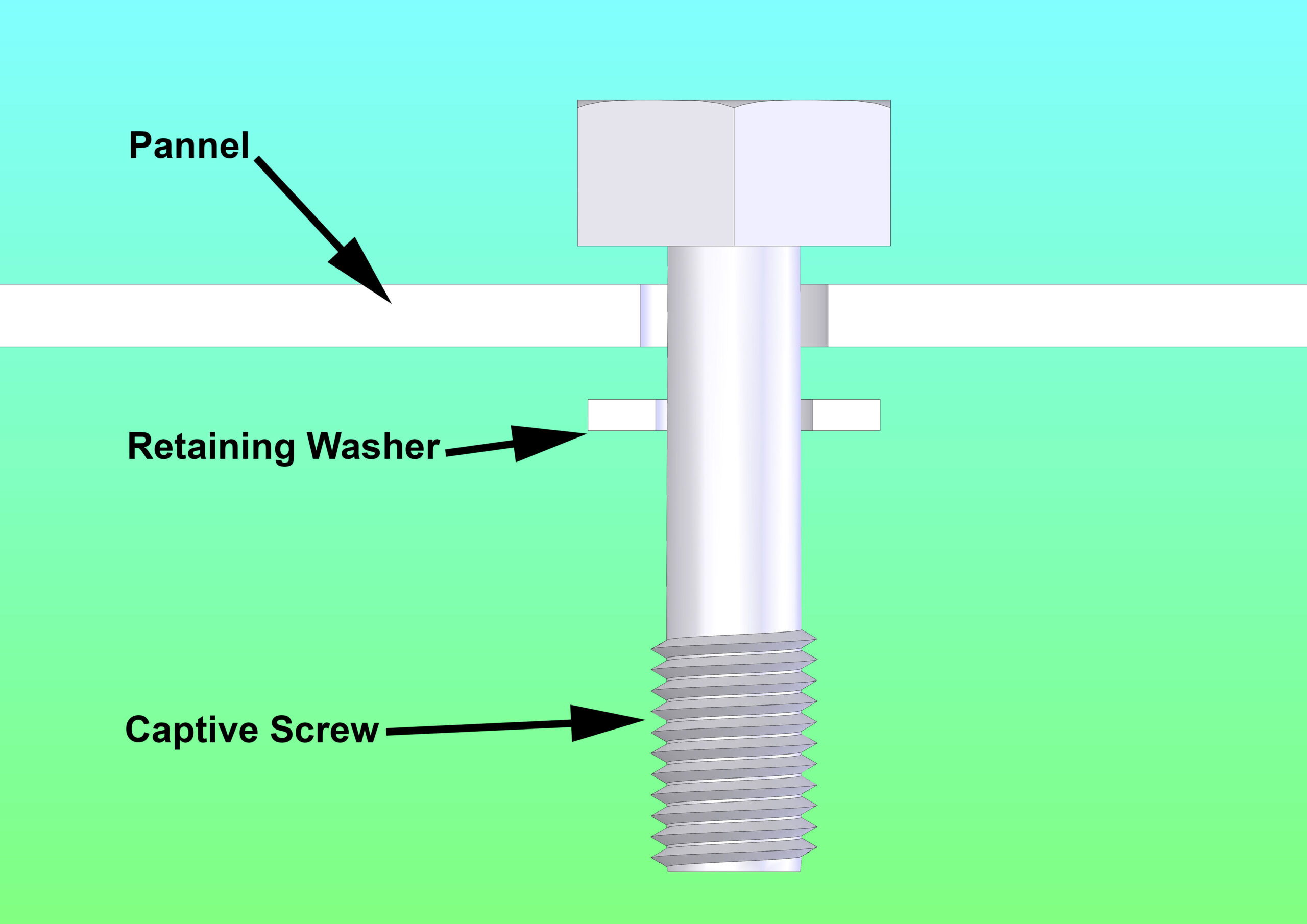
Captive fasteners are special types of screws or bolts. They stay attached to one part, even when loosened. This feature helps prevent loss during assembly or repair. Captive fasteners improve safety by reducing loose hardware risks.
These fasteners are common in electronics, machinery, and automotive industries. They make maintenance easier and faster. Understanding their types and materials helps choose the right fastener for your project.
Basic Concept
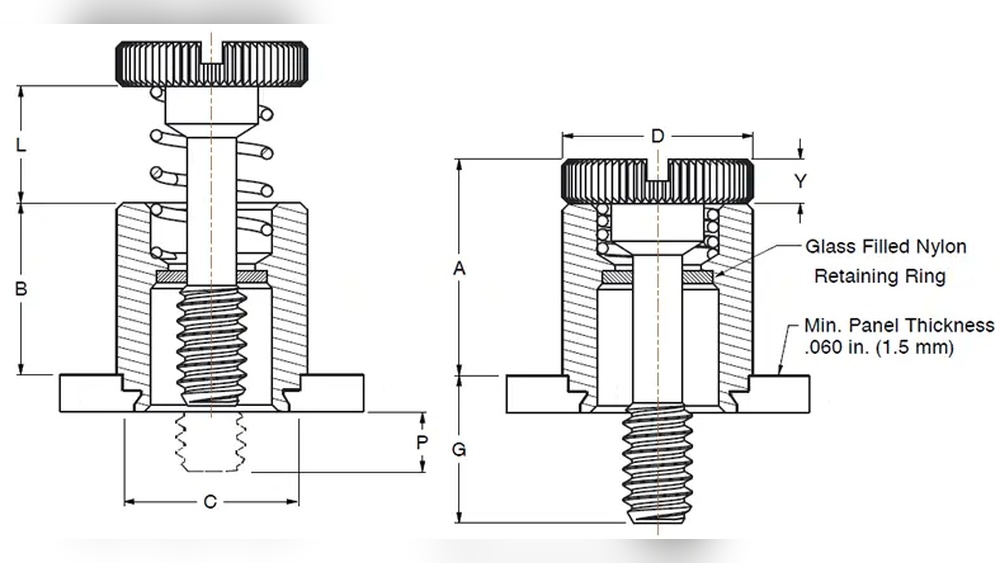
A captive fastener is designed to remain fixed in one place. It does not fall out when unscrewed. This ensures parts stay together during work or transport. The fastener usually fits into a hole or slot tightly. It may have a collar, clip, or retainer to keep it in place.
Common Types
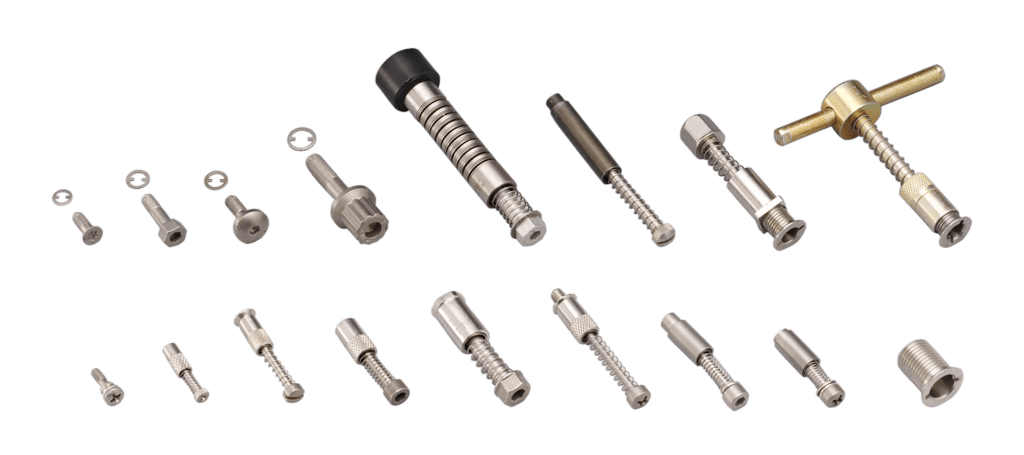
There are many types of captive fasteners. Examples include captive screws, captive bolts, and captive nuts. Some have a spring or clip to hold them. Others use a special head or collar design. Each type suits different uses and materials. Choosing the right type depends on the application and environment.
Materials Used
Captive fasteners are made from strong materials. Common choices include stainless steel, brass, and aluminum. Stainless steel resists rust and corrosion well. Brass offers good conductivity and looks attractive. Aluminum is light and resists corrosion but is softer. Material choice depends on strength, environment, and cost.
Benefits Of Captive Fasteners
Captive fasteners offer many advantages in various industries. They keep components secure and prevent parts from getting lost. These fasteners improve the overall assembly process and make maintenance easier. Below are key benefits of using captive fasteners.
Enhanced Safety
Captive fasteners stay attached to the panel or part. This prevents loose screws from falling and causing accidents. Workers avoid injury risks from dropped fasteners. Equipment remains safe and reliable during use. Safety standards improve with captive fasteners in place.
Improved Efficiency
Assembly and disassembly become faster with captive fasteners. No need to find or replace lost screws. This reduces downtime in production or repair work. Workers spend less time handling fasteners. The process flows smoothly and saves effort.
Cost Savings
Captive fasteners reduce lost parts expenses. Fewer replacements and fewer delays lower costs. Maintenance becomes quicker and less expensive. The longer lifespan of components saves money. Overall, captive fasteners help cut operational costs.
Applications Across Industries
Captive fasteners find use in many industries. They provide secure and reliable fastening solutions. Their design prevents loss of small parts during assembly or maintenance. This feature saves time and cuts costs. Industries with strict safety and quality standards benefit greatly from captive fasteners.
These fasteners improve efficiency in product assembly and repair. They help maintain product integrity under various conditions. Their applications range from small electronics to large aerospace components. Each industry uses captive fasteners in unique ways to meet specific needs.
Electronics
Captive fasteners secure delicate electronic parts safely. They prevent screws from falling into sensitive areas. This reduces the risk of damage during assembly or service. Devices like laptops, smartphones, and cameras often use these fasteners. They help keep devices compact and easy to open for repairs.
Automotive
In the automotive industry, captive fasteners ensure parts stay in place. They are used in dashboards, lighting, and engine components. These fasteners withstand vibrations and temperature changes. This improves vehicle safety and durability. Mechanics find them useful for quick assembly and maintenance.
Aerospace
Aerospace parts require fasteners that do not loosen easily. Captive fasteners meet strict aerospace standards for reliability. They help secure panels, instruments, and control systems. Their design prevents fastener loss during flight checks. This ensures aircraft safety and reduces maintenance time.
Medical Devices
Medical devices demand fasteners that stay secure and clean. Captive fasteners prevent screw loss in critical equipment. They are used in surgical tools, diagnostic machines, and implants. These fasteners support device hygiene and easy disassembly. This helps with regular cleaning and repairs.

Credit: www.accu.co.uk
Installation Techniques
Installing captive fasteners requires precise techniques to ensure strong and reliable connections. These fasteners stay attached to one part, making the installation process unique. Choosing the right method depends on the application, volume, and equipment available.
Manual Methods
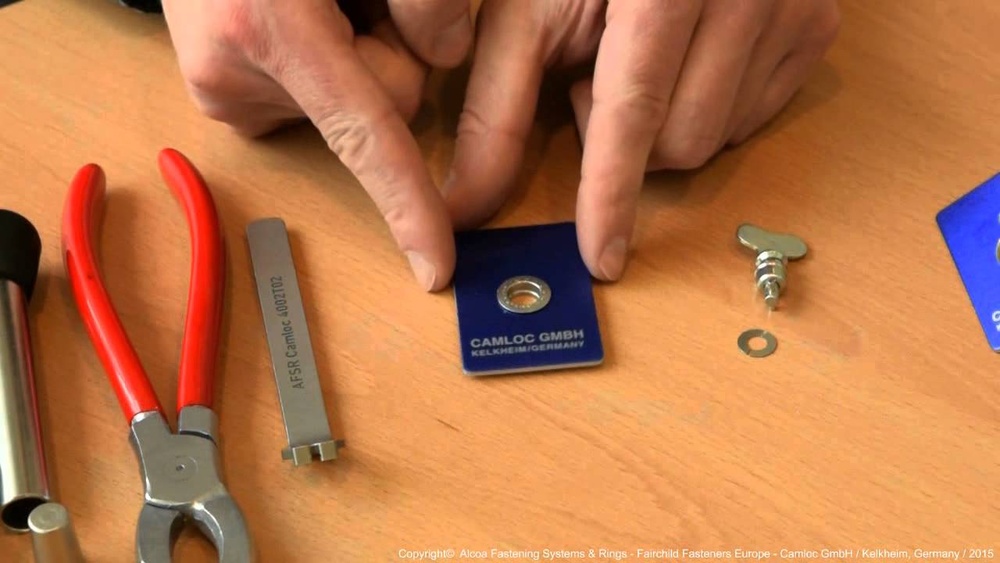
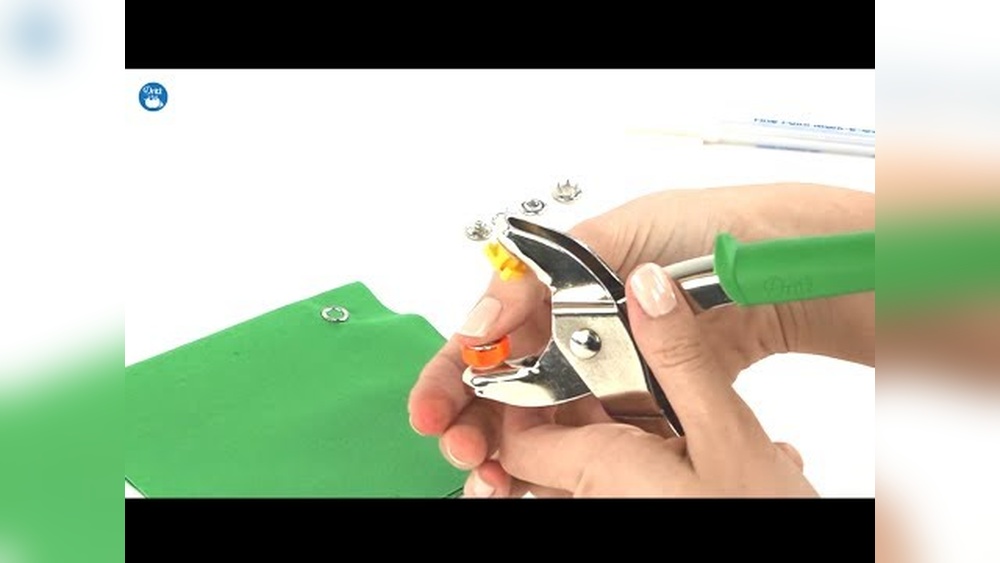
Manual installation is common for small projects or repairs. It involves simple tools like hand presses or screwdrivers. The fastener is placed in the hole, then pressed or screwed until secure. This method gives good control and is easy to learn. It works best with fewer parts and less frequent use.
Automated Processes
Automated installation suits large production lines. Machines insert and secure fasteners quickly and consistently. These systems use pneumatic or hydraulic presses to apply exact pressure. Automation reduces errors and saves time. It also improves safety by limiting manual work. This method fits high-volume manufacturing environments.
Best Practices
Always check the fastener size and type before installation. Clean the parts to remove dirt or oil. Use the recommended tools and follow pressure guidelines. Avoid over-tightening, which can damage the fastener or material. Test the connection to ensure it holds firmly. Proper training improves installation quality and reduces mistakes.
Troubleshooting Common Issues
Troubleshooting common issues with captive fasteners helps keep machines working well. These fasteners hold parts tightly and avoid loss during use. Problems can cause delays and repairs, so quick fixes save time and money.
Check the fastener regularly for signs of problems. Understanding common issues helps fix them easily. Below are frequent problems and simple ways to solve them.
Misalignment
Misalignment happens when the fastener does not fit the hole properly. This can cause the fastener to jam or not hold parts securely. Check the hole and fastener size before installation. Use tools to guide the fastener straight. Avoid forcing the fastener into the wrong position.
Wear And Tear
Wear and tear happen from repeated use or harsh conditions. The fastener may become loose or damaged over time. Look for cracks, bends, or worn threads. Clean the fastener to remove dirt or rust. Replace fasteners that show heavy wear to keep parts safe.
Replacement Tips
Choose the right replacement fastener for your machine. Match the size, type, and material exactly. Use new fasteners to avoid future problems. Install replacements carefully with proper tools. Test the fastener after installation to ensure a secure fit.
Credit: www.howmet.com
Future Trends In Captive Fasteners
The future of captive fasteners is full of exciting changes. These small parts play a big role in many industries. Advances in design and materials will make them stronger and easier to use. The focus on sustainability will also shape how these fasteners are made and used. Let’s explore the key trends shaping this field.
Innovative Designs
New designs aim to simplify installation and removal. Fasteners will become more reliable under stress and vibration. Some designs will allow tools to work faster and with less effort. Manufacturers focus on making fasteners that fit more applications. Ease of use and safety are top priorities.
Material Advancements
Materials for captive fasteners are improving constantly. Stronger metals and composites are emerging. These materials resist corrosion and wear better than before. Lightweight materials help reduce overall product weight. New coatings extend the life of fasteners in harsh environments.
Sustainability Focus
Eco-friendly materials are becoming popular in fastener production. Recycling and reuse of fasteners help reduce waste. Companies work to lower energy use during manufacturing. Designs that last longer reduce the need for replacements. Sustainable practices are becoming a key industry standard.
Frequently Asked Questions
What Is A Captive Fastener Used For?
A captive fastener secures parts without losing the screw during assembly or maintenance. It improves efficiency and safety by preventing dropped fasteners in machinery or electronics.
How Does A Captive Fastener Work?
It features a retaining mechanism that holds the fastener within a panel or component. This design keeps the fastener attached even when loosened or removed.
What Are Common Types Of Captive Fasteners?
Common types include captive screws with washers, retaining rings, or bonded heads. Each type suits different applications, offering secure attachment and easy handling.
Why Choose Captive Fasteners Over Regular Screws?
Captive fasteners prevent fastener loss, reduce assembly time, and enhance safety. They are ideal for equipment requiring frequent access or where dropped parts cause damage.
Conclusion
Captive fasteners keep parts together securely and safely. They save time by staying attached during use. These fasteners reduce the risk of losing small pieces. Engineers and workers trust them for reliable assembly. Understanding captive fasteners helps in choosing the right tool.
They improve efficiency and safety in many projects. Simple but important components in manufacturing and repair work. Remember, small parts can make a big difference.