If you work with aircraft or precision machinery, you know how tricky Hi Lok fasteners can be to remove. These small but strong fasteners hold critical parts together, and getting them out without causing damage requires the right tools and techniques.
You’ll discover simple, step-by-step methods to safely remove Hi Lok fasteners. Whether you’re a beginner or a pro, mastering this process will save you time, prevent costly mistakes, and keep your projects running smoothly. Ready to learn the secrets to hassle-free Hi Lok fastener removal?
Let’s dive in.

Credit: www.youtube.com
Hi Lok Fasteners Basics
Hi Lok fasteners are special screws used in aircraft and machines. They hold parts tightly and need precise removal. Understanding their basics helps avoid damage.
These fasteners come in different types and serve many purposes. Knowing their uses and problems makes removal easier and safer.
Types And Applications
Hi Lok fasteners include bolts, pins, and screws. Each type fits certain parts and loads. Some are for lightweight panels, others for heavy structures.
They appear in aircraft wings, engines, and landing gear. The choice depends on strength and vibration resistance. Proper use ensures safety and durability.
Common Challenges
Removing Hi Lok fasteners can be tricky. They often get stuck due to corrosion or tight fitting. Wrong tools can damage threads or heads.
Care must be taken to avoid stripping or breaking them. Sometimes special wrenches or lubricants help. Patience and correct methods reduce risk.
Tools Needed For Removal
Removing Hi Lok fasteners requires specific tools. Using the right equipment makes the task easier and safer. This section lists the tools needed to remove these fasteners effectively.
Essential Equipment
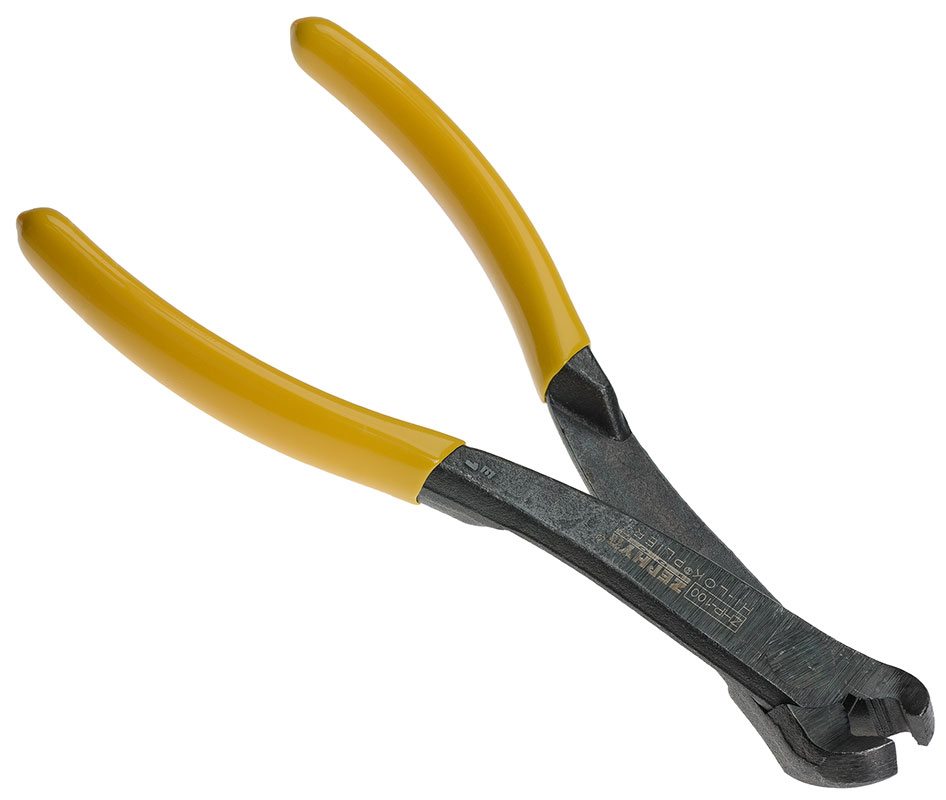
Start with a Hi Lok removal tool designed for these fasteners. It grips the collar and shaft firmly. A torque wrench helps apply the correct force without damage. A set of flathead and Phillips screwdrivers may be needed for some fastener types. Needle-nose pliers assist in holding or pulling small parts. Use a small hammer to gently tap if the fastener is stuck. A clean cloth helps wipe dirt or grease around the fastener.
Safety Gear
Safety glasses protect your eyes from metal fragments. Work gloves prevent cuts and improve grip. Ear protection may be necessary if using power tools nearby. Wear long sleeves to avoid scratches on your arms. Always ensure your workspace has good lighting to see clearly. These items keep you safe and comfortable during removal.
Preparation Steps
Removing Hi Lok fasteners needs careful preparation. This step makes the process safer and easier. Proper preparation saves time and avoids damage to parts.
Start by understanding the condition of the fasteners and the tools required. Preparing your workspace ensures better control and accuracy. Follow clear steps to get ready for removal.
Inspection Tips
Check each Hi Lok fastener closely before removal. Look for signs of wear, corrosion, or damage. Identify any fasteners that may need special attention. Note the type and size of fasteners. This helps to select the correct tools. Inspect surrounding parts to avoid accidental harm during removal.
Workspace Setup
Choose a clean, well-lit area for the work. Organize all tools and equipment within reach. Use a stable workbench to hold parts securely. Keep a tray or container ready for removed fasteners. Clear the area of unnecessary items to prevent accidents. Ensure good ventilation if using chemicals or lubricants. Proper setup improves safety and efficiency.
Removal Techniques
Removing Hi Lok fasteners can be tricky without the right techniques. These fasteners are designed for secure holds, so careful removal is important. Different methods work best depending on the situation. Below are effective removal techniques for Hi Lok fasteners.
Manual Methods
Manual removal involves hand tools like wrenches or pliers. Start by loosening the fastener gently. Use a torque wrench for better control. Avoid using too much force to prevent damage. Turn the fastener counterclockwise to unscrew it. Manual methods work best for fasteners with accessible heads. Take your time to avoid stripping the threads.
Power Tool Approaches
Power tools speed up the removal process. Use an electric or pneumatic screwdriver with the correct bit size. Set the tool to low torque first. Increase torque if the fastener does not loosen. Avoid over-tightening to prevent damage. Power tools work well for many fasteners but watch for slipping. Keep the tool steady to maintain grip.
Handling Stubborn Fasteners
Stubborn fasteners need extra care. Apply penetrating oil to loosen rust or dirt. Let the oil sit for a few minutes. Use heat carefully to expand the metal and ease removal. Tap the fastener lightly with a hammer to break bonds. Use locking pliers for a stronger grip. If all else fails, drilling out the fastener may be necessary.
Preventing Damage
Removing Hi Lok fasteners requires care to avoid damage. Damage can harm the materials around the fastener or break the fastener itself. Taking steps to protect both helps keep the parts safe and saves time on repairs.
Protecting Surrounding Materials
Use soft padding around the fastener to shield nearby surfaces. Avoid harsh tools that can scratch or dent the material. Work gently to keep the area intact and clean. Keep tools steady and aligned with the fastener axis. This control prevents slipping and accidental damage.
Avoiding Fastener Breakage
Apply steady pressure when loosening Hi Lok fasteners. Sudden force can snap the fastener or damage its threads. Use the correct tool size to fit the fastener head perfectly. Lubricate the fastener before removal to reduce resistance. Check the fastener condition and replace if it shows cracks or wear.

Credit: www.youtube.com
Troubleshooting Issues
Troubleshooting issues with Hi Lok fasteners is key to safe and effective removal. These fasteners can pose challenges like stripping or corrosion. Knowing how to handle these problems saves time and prevents damage.
Dealing With Stripped Fasteners
Stripped fasteners lose their grip, making removal tough. Use a precision screwdriver that fits well. Avoid forcing the tool to stop more damage.
Apply penetrating oil to loosen the fastener. Let it sit for a few minutes. Tap lightly with a hammer to help oil reach inside.
If the head is badly stripped, try a rubber band for extra grip. Place it between the tool and fastener. Turn slowly and steadily.
Addressing Corrosion Problems
Corrosion makes fasteners stick and hard to move. Clean the area with a wire brush first. Remove loose rust and dirt.
Use a rust remover or penetrating fluid on the fastener. Wait for it to soak in thoroughly. Repeat application if needed.
Heat the fastener with a heat gun to expand metal. This can help break rust bonds. Cool down slowly before attempting removal.
Maintenance Tips Post-removal
After removing Hi Lok fasteners, proper maintenance is key. It keeps fasteners ready for reuse and ensures safety in future applications. Clean and inspect each fastener carefully. Store them correctly to avoid damage or loss.
Cleaning And Inspection
Start by wiping off dirt and grease. Use a soft brush for tight spots. Check for cracks, dents, or corrosion. Discard any fastener with visible damage. Look closely at the locking mechanism. It must work smoothly without resistance. Proper cleaning and inspection prevent failures later.
Storage Recommendations
Store fasteners in a dry, cool place. Avoid areas with high humidity or direct sunlight. Use labeled containers to keep sizes and types organized. Keep fasteners separated to prevent scratches and damage. Regularly check stored fasteners for rust or wear. Proper storage extends their life and saves time during next use.
Credit: www.aircraft-tool.com
Frequently Asked Questions
What Tools Are Needed To Remove Hi Lok Fasteners?
You need a Hi Lok removal tool or a suitable drill bit. Safety glasses and gloves are also recommended. Proper tools ensure efficient and safe fastener removal without damaging the surrounding material.
How Do I Safely Remove Hi Lok Fasteners?
First, secure the workpiece and wear safety gear. Use the removal tool to unscrew or drill out the fastener carefully. Avoid excessive force to prevent damage to the hole or adjacent parts.
Can Hi Lok Fasteners Be Reused After Removal?
No, Hi Lok fasteners are generally single-use. Removing them usually damages the locking feature. Always replace with new fasteners to maintain proper strength and safety.
What Is The Best Method To Remove Seized Hi Lok Fasteners?
Apply penetrating oil and let it sit for several minutes. Use the Hi Lok removal tool gently to loosen the fastener. Avoid using excessive force to prevent damage or stripping.
Conclusion
Removing Hi Lok fasteners requires care and the right tools. Follow each step slowly to avoid damage. Always check the fastener and work area before starting. Taking your time helps keep parts safe and secure. Practice makes the process easier over time.
Keep safety in mind to protect yourself. With patience and focus, you can remove Hi Lok fasteners successfully. This skill saves time and effort on future projects.