Have you ever wondered how materials like wood or metal stay firmly joined without nails or screws showing? Corrugated fasteners might be the secret behind those strong, hidden connections.
If you’re looking for a simple, reliable way to hold things together—whether in construction, crafts, or repairs—understanding what corrugated fasteners are used for could change the way you work. Keep reading, and you’ll discover why these small tools can make a big difference in your projects.
Types Of Corrugated Fasteners
Corrugated fasteners come in different types. Each type suits specific jobs and materials. Knowing these types helps in choosing the right fastener for your project. Below are the main types of corrugated fasteners and their common uses.
Metal Corrugated Fasteners
Metal corrugated fasteners offer strong and durable connections. They often use steel or aluminum. These fasteners resist high pressure and heavy loads. Metal types work well in construction and industrial settings. They also resist heat and weather damage.
Plastic Corrugated Fasteners
Plastic fasteners are lightweight and flexible. They suit lighter materials and indoor uses. These fasteners resist rust and corrosion. Plastic types come in many colors and sizes. They are easy to install and remove.
Composite Materials
Composite corrugated fasteners combine metal and plastic traits. They offer strength and flexibility together. These fasteners work well in specialized projects. Composite types resist chemicals and extreme temperatures. They provide a balanced solution for many needs.

Credit: mytoolkit.co.uk
Applications In Construction
Corrugated fasteners play a key role in many construction projects. Their design allows for strong, reliable connections. Builders use them for various tasks that need durability and stability. These fasteners hold materials together tightly and resist harsh weather and wear.
Roofing And Cladding
Corrugated fasteners secure metal sheets on roofs and walls. They keep roofing panels in place during storms and strong winds. These fasteners prevent leaks by tightly joining sheets. They work well with corrugated metal, wood, and composite materials.
Wall Assemblies
In wall assemblies, corrugated fasteners attach panels and framing. They help hold siding, sheathing, and other layers firmly. These fasteners provide extra strength to walls. They improve the building’s overall stability and resistance to movement.
Insulation Support
Corrugated fasteners also support insulation materials inside walls and ceilings. They keep insulation from sagging or falling out. This helps maintain energy efficiency in buildings. Fasteners hold insulation securely against surfaces for better performance.
Uses In Packaging
Corrugated fasteners play an important role in packaging. They help keep items safe during shipping and storage. These fasteners work well with cardboard and other materials to secure packages firmly. Their strength and ease of use make them popular in many packaging tasks.
Securing Corrugated Boxes
Corrugated fasteners hold box flaps tightly closed. They prevent the box from opening during transport. This keeps the contents safe and clean. The fasteners fit well with the cardboard’s structure. This provides a strong seal without damaging the box.
Reinforcing Cartons
Cartons often need extra support to carry heavy items. Corrugated fasteners add this support easily. They strengthen weak points and edges. This reduces the chance of tears or breaks. Reinforced cartons protect goods better during handling.
Pallet Stabilization
Pallets carry many boxes together. Corrugated fasteners help keep boxes stable on pallets. They stop boxes from sliding or falling off. This reduces damage and loss in warehouses and trucks. Fasteners make stacking safer and more secure.

Credit: www.astor.co.za
Industrial And Automotive Uses
Corrugated fasteners play a vital role in industrial and automotive fields. Their unique shape and strength make them suitable for many uses. Industries rely on these fasteners for secure and durable joins. Automakers use them to improve safety and performance. The versatility of corrugated fasteners fits well with tough working conditions. They help in assembling parts, reducing vibrations, and creating lightweight structures.
Component Assembly
Corrugated fasteners connect different parts quickly and firmly. They hold together metal, plastic, and composite materials. Assembly lines benefit from fast and reliable fastening methods. These fasteners maintain strong bonds under pressure and stress. They ensure that components stay in place during use. Their design allows easy installation without special tools.
Vibration Reduction
Vibrations can damage machine parts and reduce vehicle comfort. Corrugated fasteners absorb and reduce these vibrations effectively. Their shape helps spread out forces evenly. This lowers the risk of loosening or breaking joints. Automotive parts, like engine mounts, often use these fasteners. They improve the lifespan of components by minimizing wear.
Lightweight Fastening Solutions
Weight matters in industries and vehicle design. Corrugated fasteners provide strong connections without extra bulk. Their lightweight nature helps reduce overall structure weight. This leads to better fuel efficiency and easier handling. They are ideal for parts where heavy fasteners are not suitable. Engineers choose them to keep designs both strong and light.
Benefits Of Corrugated Fasteners
Corrugated fasteners offer many benefits that make them popular in construction and woodworking. They provide strong connections and last a long time. Their design helps save both time and money. These fasteners are suitable for various projects and materials.
Strength And Durability
Corrugated fasteners hold materials tightly together. Their shape spreads the load evenly. This reduces the chance of material damage. They resist pulling and twisting forces well. This makes structures safer and more stable.
Cost-effectiveness
These fasteners cost less than many other types. They reduce the need for extra nails or screws. Less material means lower overall expenses. Their durability means fewer repairs and replacements. This saves money over the life of a project.
Ease Of Installation
Corrugated fasteners are quick and simple to use. They require less skill than some other fasteners. Their thin design makes them easy to position. Installation tools are common and easy to handle. This speeds up work and lowers labor costs.

Credit: www.ironwirenails.com
Choosing The Right Fastener
Choosing the right corrugated fastener is key to a strong and lasting connection. Different projects need different types of fasteners. Picking the correct one saves time and prevents damage. Consider several important factors before making a choice.
Material Compatibility
Fasteners must match the materials they join. Metal fasteners suit metal surfaces well. Wood requires fasteners designed to grip fibers. Using the wrong fastener can cause rust or weak joints. Check the materials before selecting the fastener type.
Load Requirements
Fasteners must handle the weight and stress placed on them. Light loads need simple fasteners. Heavy loads call for stronger, more secure fasteners. Understand the forces on the joint. Choose fasteners with enough strength and size to hold safely.
Environmental Factors
Weather and environment affect fastener choice. Outdoor use needs corrosion-resistant fasteners. Saltwater or humid areas require stainless steel or coated fasteners. Indoor environments allow for standard fasteners. Think about moisture, temperature, and chemicals around the joint.
Frequently Asked Questions
What Are Corrugated Fasteners Used For?
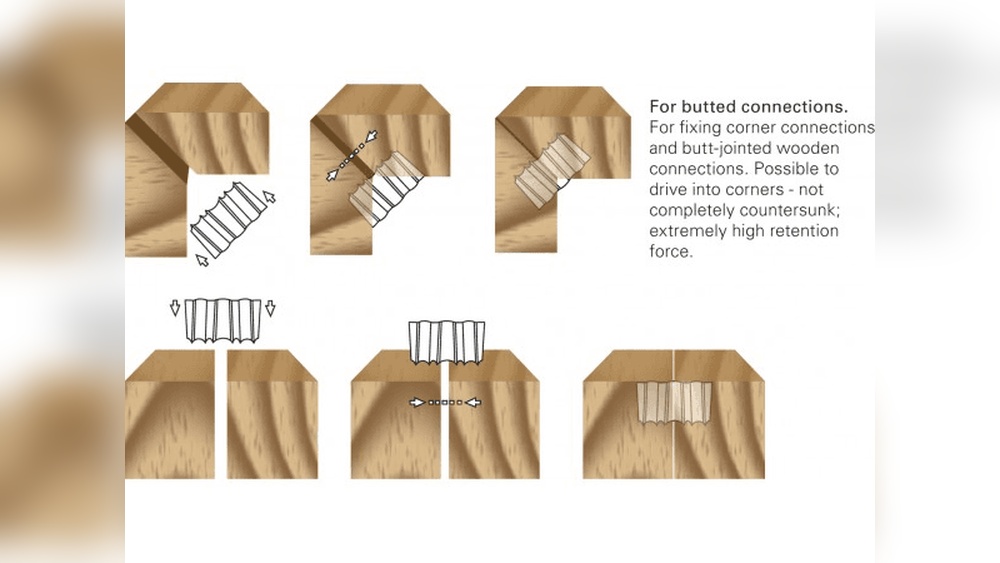
Corrugated fasteners are mainly used to join wood pieces. They provide strong, hidden connections in furniture and construction. These fasteners improve structural integrity without visible screws or nails, making them ideal for cabinetry and paneling.
How Do Corrugated Fasteners Improve Wood Joints?
They increase joint strength by distributing load evenly across the wood surface. The corrugated design prevents wood splitting and enhances stability. This results in durable, long-lasting wood connections suitable for heavy-duty applications.
Can Corrugated Fasteners Be Used In Furniture Making?
Yes, they are popular in furniture making for invisible joins. These fasteners allow quick assembly and disassembly without damaging wood. They are perfect for flat-pack furniture and custom wood projects requiring clean aesthetics.
Are Corrugated Fasteners Suitable For Hardwood?
Corrugated fasteners work well with hardwoods as they grip tightly. Their design ensures strong, secure joints in dense wood types. They help maintain the wood’s appearance while providing excellent mechanical strength.
Conclusion
Corrugated fasteners hold materials firmly together. They work well with wood, metal, and other surfaces. Builders use them to join parts quickly and safely. These fasteners help make structures strong and stable. Choosing the right type depends on the project needs.
Simple, reliable, and efficient—that sums up their use. Understanding their purpose helps in picking the best fastener. Small pieces that make a big difference in construction. Easy to install and cost-effective too. A smart choice for many building tasks.