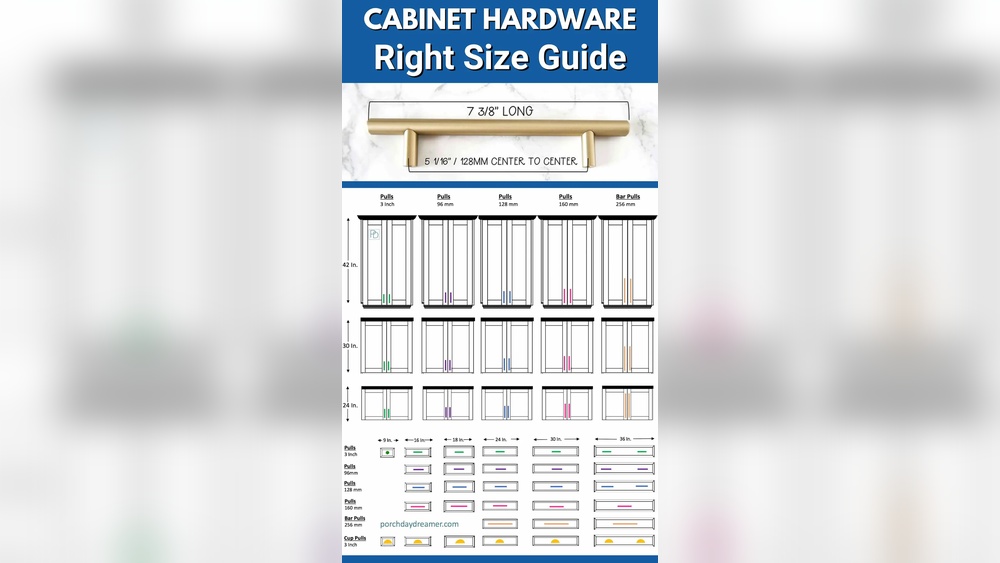
Choosing the right size cabinet hardware can make a big difference in how your space looks and feels. You might think it’s just about picking something that fits, but the truth is, the right size pulls your whole room together.
If your handles or knobs are too big or too small, it can throw off the balance and even make your cabinets harder to use. You’ll discover simple tips to find the perfect size for your cabinets. By the end, you’ll feel confident making a choice that looks great and works well every time.
Keep reading to unlock the secret to flawless cabinet hardware!

Credit: www.dekkorinc.com
Choosing The Right Hardware Size
Choosing the right size for cabinet hardware is important for both looks and function. Hardware that is too big or too small can affect how your cabinets feel and appear. The right size makes opening and closing easy. It also balances the style of your kitchen or bathroom. Understanding what size to pick helps you make the best choice for your space.
Factors Influencing Hardware Size
The size of your cabinet doors and drawers affects hardware size. Larger doors need bigger handles or knobs to look balanced. Smaller cabinets work better with smaller hardware. The style of your cabinets also matters. Modern cabinets often use sleek, slim hardware. Traditional cabinets may use larger, more detailed pieces.
The space between cabinet doors or drawers is key. Hardware should fit well without crowding. Think about how you use the cabinets. Heavy-use areas might need sturdier, larger hardware. Light-use spots can have smaller, delicate pieces. Finally, consider your hand size. Hardware should feel comfortable to grip and pull.
Common Hardware Sizes Explained
Cabinet knobs usually range from 1 to 1.5 inches in diameter. These sizes work well for most cabinets. Pull handles often come in 3, 4, or 5-inch lengths. The length refers to the distance between screw holes. Choose a length that matches your cabinet size and style.
Smaller hardware suits compact cabinets and drawers. Larger pieces fit wider cabinet fronts and tall doors. Standard screw spacing makes replacing hardware easy. Measure your current hardware before buying new pieces. This helps ensure a perfect fit without extra work.
Measuring Cabinets For Hardware
Measuring cabinets for hardware ensures a perfect fit and smooth use. Accurate measurements avoid mistakes and save time. It helps pick the right size handles or knobs for doors and drawers.
Tools You Need
Gather a tape measure, ruler, and pencil. Use a level to check straight lines. A notepad helps record measurements clearly. Good lighting is important to see details well. A step stool may be needed for tall cabinets.
Measuring Door And Drawer Dimensions
Start by measuring the width and height of cabinet doors. Measure at the widest points for accuracy. For drawers, measure width and height of the front panel. Note the thickness of doors and drawers too. Record each measurement carefully for later use. These numbers guide the choice of hardware size. Proper fit improves cabinet look and function.
Matching Hardware To Cabinet Style
Choosing the right size cabinet hardware depends a lot on the style of your cabinets. The hardware should fit the cabinet’s look and feel. It should also be comfortable to use. Different cabinet styles call for different hardware sizes and designs. Matching hardware to cabinet style helps make your kitchen or bathroom look balanced and complete.
Modern Cabinets
Modern cabinets often have clean lines and simple shapes. Slim and sleek hardware works best here. Long, straight pulls in small to medium sizes suit modern designs. Avoid big or ornate knobs. Hardware in matte black, chrome, or brushed nickel fits well. The size should be proportional to the cabinet door or drawer. Too big or too small can look off.
Traditional Cabinets
Traditional cabinets have classic details and curves. Choose hardware with more shape and decoration. Medium to large knobs and pulls with rounded edges look great. Antique brass or bronze finishes add warmth. Hardware can be a bit bigger to match the cabinet’s detailed style. Avoid very small or plain pieces. The hardware size should balance the cabinet’s rich design.
Custom And Specialty Cabinets
Custom cabinets vary in design and size. Hardware must fit the unique style and function. Measure carefully before choosing hardware size. Larger drawers might need bigger pulls for easy use. Small doors can have smaller knobs or handles. Specialty finishes or shapes can highlight custom designs. Always match hardware size to cabinet proportions and style for best results.

Credit: www.dekkorinc.com
Considerations For Functionality
Choosing the right size for cabinet hardware affects how well it works every day. Functionality means the hardware should be easy to use and comfortable to handle. This helps in making your kitchen or bathroom more user-friendly. Small or large hardware might look nice but can cause problems in use.
Ease Of Use
Hardware should be easy to grab and pull. Handles that are too small can be hard to hold, especially with wet or greasy hands. Large knobs might get in the way or feel awkward. The right size helps open cabinets smoothly and quickly. Think about how often you use the cabinet and choose hardware that fits your daily needs.
Ergonomics And Comfort
Comfort is key when choosing cabinet hardware. The shape and size should fit your hand well. Rounded edges and a smooth surface feel better than sharp or rough ones. Hardware that is comfortable reduces strain on your fingers and wrists. This is important for people who use cabinets many times a day or have joint problems.
Material And Finish Impact On Size
Choosing the right size for cabinet hardware depends a lot on the material and finish. These factors affect how the hardware fits and looks on your cabinets. Strong materials may need thicker sizes. The finish color and style can change how big or small the hardware appears.
Material Thickness And Durability
Thicker materials like solid brass or stainless steel often require larger hardware sizes. These materials offer better strength and last longer. Thin materials like aluminum can be smaller but may feel less sturdy. Heavy cabinet doors need hardware that can hold weight without bending or breaking. Durability matters for daily use. Choose sizes that match the material’s strength to avoid damage.
Finish Choices And Visual Balance
The finish affects the hardware’s visual size. Shiny finishes like chrome or polished nickel reflect light and can make small pieces look larger. Matte or brushed finishes absorb light, making hardware appear smaller. Dark finishes often look heavier and need balanced sizes to avoid overpowering the cabinet. Light finishes seem softer and can work well with smaller sizes. Match finish and size to keep a nice visual balance on your cabinets.
Installation Tips For Perfect Fit
Getting the right size cabinet hardware is only half the job. Installing it correctly ensures a clean, professional look. Small mistakes can cause misalignment or damage. Follow these simple tips for a perfect fit and smooth installation.
Marking And Drilling Holes
Start by measuring the exact spot for each piece of hardware. Use a pencil to mark the hole locations clearly. Double-check these marks before drilling. Use a drill bit that matches the screw size. Drill slowly to avoid splitting the wood or damaging the cabinet.
Aligning Hardware Properly
Place the hardware gently on the marked spots. Check that it sits flat and straight on the surface. Use a level or ruler to confirm alignment. Tighten screws evenly, one at a time. Avoid over-tightening, which can strip the holes or bend the hardware.
Troubleshooting Size Issues
Choosing the right size for cabinet hardware can be tricky. Sometimes, the hardware looks too big or too small. This can make your cabinets look off or cause problems when opening and closing doors.
Troubleshooting size issues helps fix these problems. It ensures your hardware fits well and works smoothly. Let’s explore common mistakes and how to adjust hardware for a better fit.
Common Mistakes To Avoid
Picking hardware without measuring first is a big mistake. Always measure the space and holes before buying. Using hardware that is too large can block the cabinet edges. Too small hardware might look weak and cheap.
Ignoring the style of your cabinet can also cause issues. Some designs need longer handles for balance. Others need short knobs to keep the look simple. Check these details to avoid errors.
Adjusting Hardware For Fit
Sometimes, hardware does not fit perfectly. You can fix this by changing the screw length. Longer screws help with thick doors. Shorter screws work better for thin doors.
Move the hardware slightly if holes don’t line up. Drill new holes carefully to avoid damage. Use fillers to cover old holes for a clean look. Adjusting hardware helps make it look natural and work well.

Credit: www.reddit.com
Frequently Asked Questions
What Size Cabinet Hardware Suits Standard Kitchen Cabinets?
Standard kitchen cabinets typically use hardware sized between 3 to 5 inches. This range fits most cabinet doors and drawers comfortably. Choosing the right size ensures easy grip and aesthetic balance. Always measure your cabinet dimensions before selecting hardware to ensure proper fit and function.
How To Measure Cabinet Hardware Size Accurately?
Measure the distance between the screw holes, known as the center-to-center measurement. This is the standard way to determine hardware size. Use a ruler or tape measure for precision. Accurate measurement prevents purchasing hardware that won’t fit your cabinets properly.
Does Cabinet Hardware Size Affect Functionality?
Yes, the size impacts ease of use and comfort. Larger hardware offers better grip and accessibility. Smaller hardware may look sleek but can be harder to handle. Choose a size that balances style with practicality for daily use.
Can I Mix Different Hardware Sizes On Cabinets?
Mixing sizes is possible but should be done thoughtfully. Use larger pulls on drawers and smaller knobs on doors for contrast. Consistency in style and finish is crucial to maintain a cohesive look. This approach adds visual interest without clutter.
Conclusion
Choosing the right size cabinet hardware matters a lot. It helps cabinets look balanced and work well. Small cabinets need smaller handles; big cabinets need bigger ones. Think about how you use your cabinets every day. Comfort and style should both guide your choice.
Correct hardware size makes your kitchen or room feel complete. Simple steps can improve your space’s look quickly. Take time to pick hardware that fits your needs best. This way, your cabinets will shine and stay practical for years.

