When you start any project, whether it’s fixing something at home or building furniture, choosing the right fastener can make all the difference. But with so many options out there, how do you know which one fits your needs best?
Understanding the different types of fasteners will save you time, effort, and frustration. You’ll discover the key fasteners used in everyday tasks and learn how to pick the perfect one for your job. Keep reading—your next project depends on it!
Credit: bhansalitechno.com
Common Fastener Types
Fasteners hold objects together in many projects and repairs. They come in different shapes and sizes. Each type has a special purpose and fits certain materials. Understanding common fastener types helps you pick the right one.
Nails And Their Uses
Nails are thin metal pins with sharp points. They join wood pieces quickly and firmly. Builders use them in framing, roofing, and flooring. Nails come in various lengths and thicknesses. Some have smooth shafts, others have ridges for extra grip.
Screws Varieties
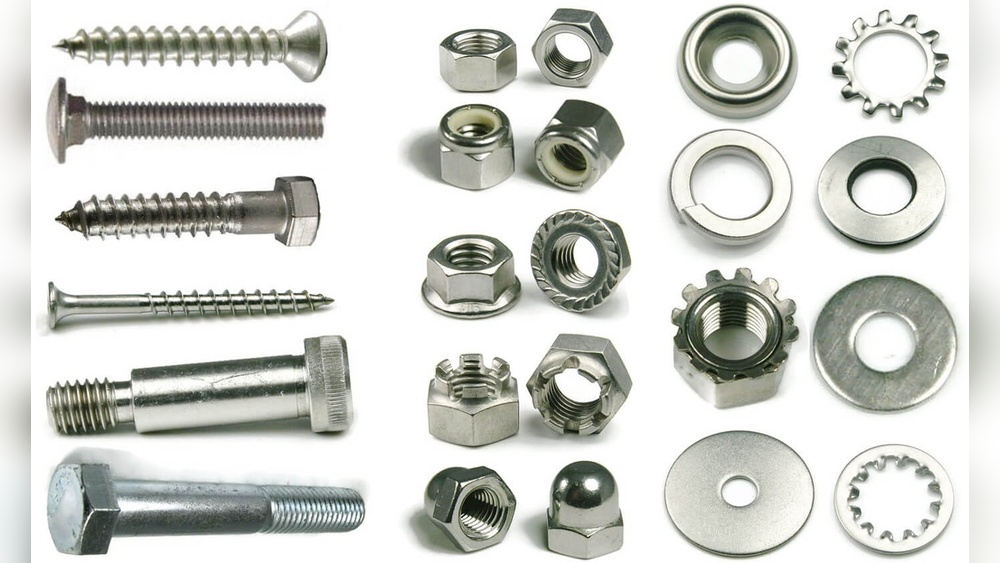
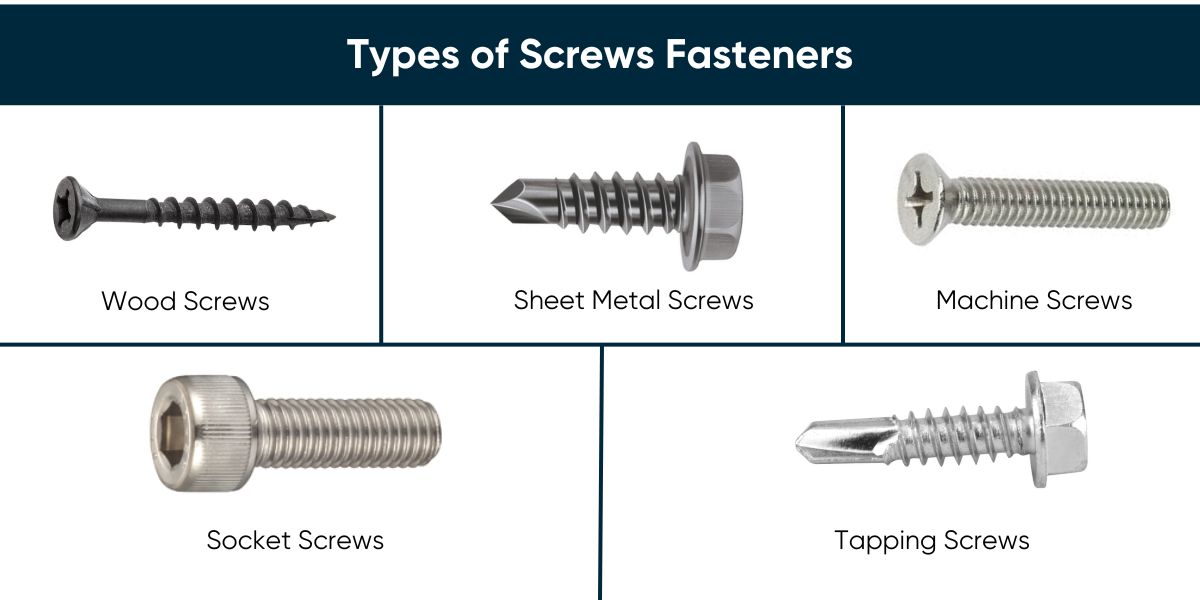
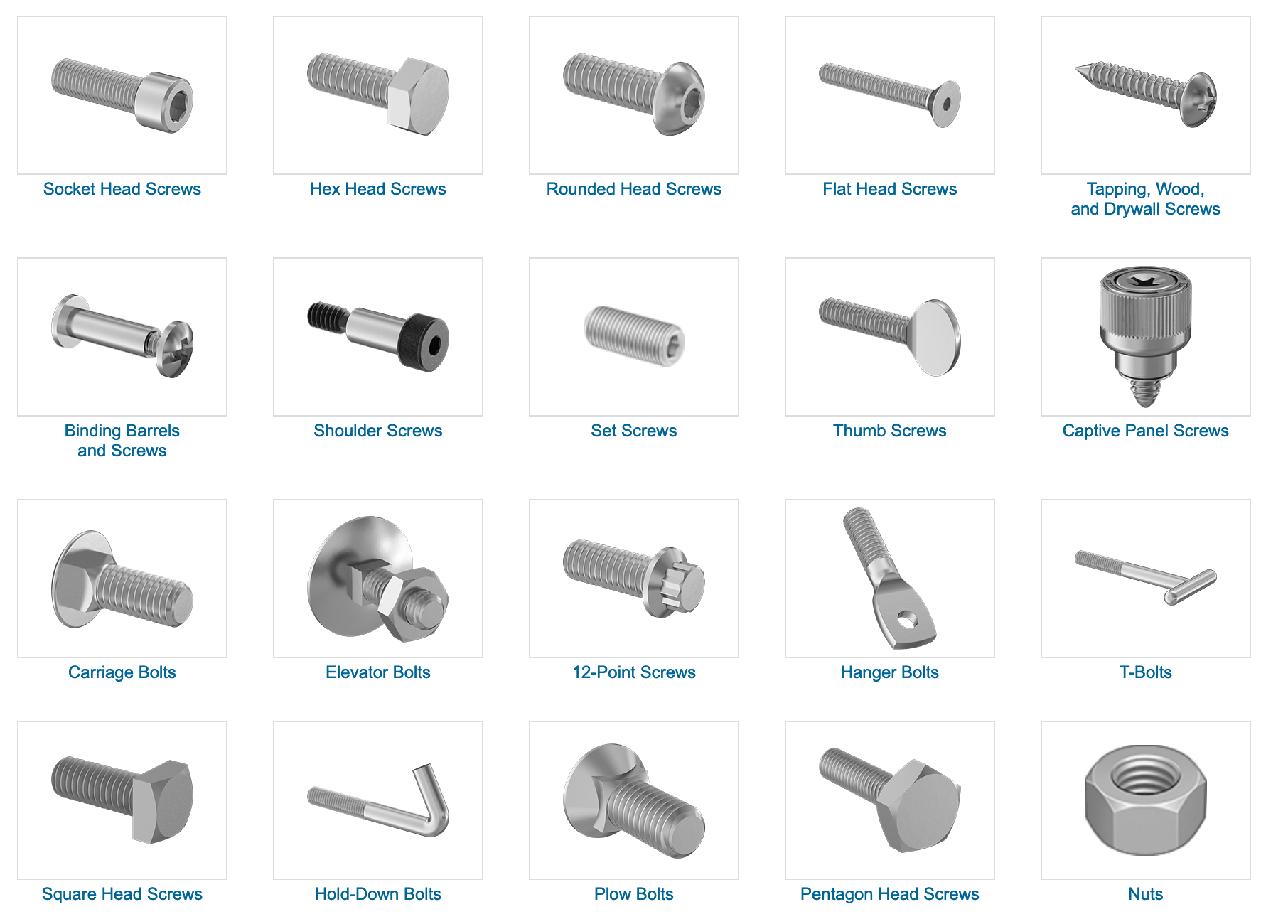
Screws have threads that dig into materials. They hold tighter than nails and can be removed easily. Wood screws, machine screws, and sheet metal screws are common types. Each type fits specific tasks and materials. Screws provide strong, lasting connections.
Bolts And Their Applications
Bolts are thick fasteners with external threads. They pair with nuts to clamp materials together. Bolts suit heavy-duty jobs like machinery and construction. They come in different grades for strength. Bolts create sturdy, reliable joints.
Washers And Spacers
Washers are thin discs placed under bolts or screws. They spread pressure and prevent damage to surfaces. Spacers keep parts apart at set distances. Both improve fastener performance and durability. They ensure tight, balanced connections.
Specialized Fasteners
Specialized fasteners serve unique purposes in construction, manufacturing, and repair. They provide secure connections that standard fasteners cannot achieve. These fasteners often handle specific tasks like heavy loads or permanent joints. Understanding their types helps you pick the right one for your project.
Rivets For Permanent Joints
Rivets join materials permanently. Once installed, they cannot be removed without damage. They are common in metalwork and aircraft assembly. Rivets hold parts tightly together under stress. They offer a strong and lasting bond.
Anchors For Heavy Loads
Anchors fix objects to walls or concrete. They support heavy weights safely. These fasteners expand inside holes to grip firmly. Anchors prevent slipping or pulling out. They are ideal for mounting shelves or machinery.
Clips And Clamps
Clips and clamps hold parts temporarily or semi-permanently. They allow quick assembly and disassembly. Clips snap into place easily. Clamps apply pressure to secure objects during work. Both help keep materials aligned and stable.
Pins And Cotter Pins
Pins connect parts allowing rotation or movement. Cotter pins lock other fasteners like nuts in place. They prevent loosening due to vibration. Pins are simple but vital in machinery and vehicles. Cotter pins add extra security to fastened joints.
Materials Used In Fasteners
Fasteners come in many materials, each serving a special purpose. The choice depends on strength, weight, and resistance needs. Some materials resist rust. Others offer light weight or good conductivity.
Understanding these materials helps pick the right fastener for any project. Here are the common materials used in fasteners and their key features.
Steel And Stainless Steel
Steel is strong and widely used in fasteners. It handles heavy loads well. Stainless steel resists rust and corrosion. It suits outdoor and wet environments. Both types offer durability. Steel fasteners are cost-effective and reliable for many tasks.
Brass And Copper
Brass fasteners resist corrosion and look attractive. They conduct electricity, making them good for electrical work. Copper also resists rust and offers good conductivity. Both materials are softer than steel. They work well in decorative or low-stress uses.
Plastic And Nylon
Plastic and nylon fasteners are lightweight and resist corrosion. They do not conduct electricity. Good for light-duty and indoor applications. These fasteners resist chemicals and moisture. They are easy to install and remove. Not suitable for heavy loads.
Aluminum Fasteners
Aluminum fasteners are light and resist corrosion. They do not rust like steel. Used in applications where weight matters. Aluminum is softer than steel but still strong. Ideal for aircraft and automotive parts. They offer good strength with low weight.
Choosing The Right Fastener
Choosing the right fastener is key to a strong and safe project. The right fastener holds parts together firmly. It also prevents damage and keeps everything stable over time. Different projects need different fasteners. Knowing the main factors helps you pick the best one.
Load And Strength Requirements
Consider how much weight the fastener must hold. Some fasteners handle heavy loads better than others. Check the strength needed for your project. Use strong fasteners for heavy or moving parts. Weak fasteners can break or loosen.
Environmental Considerations
Think about where the fastener will be used. Moisture, heat, or chemicals can affect fasteners. Choose fasteners made from materials that resist rust and corrosion. Stainless steel or coated fasteners work well outside. This helps fasteners last longer.
Compatibility With Materials
Match the fastener to the materials you join. Wood, metal, and plastic need different fasteners. Using the wrong fastener can cause damage. Some fasteners fit better with soft materials. Others are made for hard or thin materials.
Ease Of Installation
Pick fasteners that are easy to install. Some require special tools or skills. Simple fasteners save time and reduce errors. Consider how fasteners fit into your workflow. Easy installation helps finish projects faster.
Fastener Sizes And Standards
Fastener sizes and standards play a key role in choosing the right fastener. They ensure the parts fit and work together properly. Understanding these sizes and standards helps avoid mistakes and ensures strong connections.
Fasteners come in many sizes, threads, and lengths. Standards guide these measurements to keep them uniform across industries and countries. This section explains the main size types and standards used worldwide.
Metric Vs Imperial Sizes
Fasteners use two main measurement systems: metric and imperial. Metric sizes are measured in millimeters. Imperial sizes use inches. Metric is common in Europe and Asia. Imperial is mainly used in the United States. Knowing the system helps pick the correct fastener and tools.
For example, a bolt marked M6 means 6 mm diameter. An imperial bolt might be 1/4 inch. Mixing these can cause poor fitting or damage.
Thread Types And Pitch
Threads are the spirals on a fastener that hold it in place. Thread types vary by shape and angle. Common thread types include coarse and fine threads. Pitch means the distance between threads. It affects how tight the fastener grips.
Coarse threads have fewer threads per inch or millimeter. Fine threads have more. Fine threads provide better holding power in thin materials. Coarse threads are stronger in softer materials.
Length And Diameter
Length measures how long a fastener is from head to end. Diameter is the thickness of the fastener’s body. Choosing the right length and diameter is critical for strength and fit.
Too short fasteners may not hold parts securely. Too long fasteners might damage the material. The diameter affects the fastener’s strength and the size of the hole needed.
Industry Standards And Codes
Standards ensure fasteners meet quality and size rules. Organizations like ISO, ANSI, and DIN set these standards. They define size, thread form, strength, and material.
Using standard fasteners ensures compatibility and safety. Standards also help manufacturers produce parts that fit globally. Always check for the right standard before buying fasteners.
Credit: www.fusiondesigninc.com
Tools For Fastener Installation
Fasteners hold things together. Installing them needs the right tools. Choosing the correct tools helps make work faster and easier. It also ensures strong, secure connections.
Hand Tools
Hand tools are simple and easy to use. Screwdrivers are common for screws. Wrenches tighten nuts and bolts. Pliers grip, bend, or twist fasteners. These tools require manual effort but offer great control.
Power Tools
Power tools save time and energy. Electric drills drive screws quickly. Impact drivers handle tough bolts with force. Cordless tools offer freedom of movement. They are perfect for larger projects and heavy-duty tasks.
Specialized Equipment
Some fasteners need special tools. Rivet guns install rivets securely. Torque wrenches apply exact force to bolts. Thread lockers help keep screws from loosening. These tools ensure precision and reliability in fastening work.

Credit: www.nikofasteners.com
Frequently Asked Questions
What Are Common Types Of Mechanical Fasteners?
Mechanical fasteners include bolts, screws, nuts, washers, rivets, and clips. They join parts securely and allow easy disassembly. Each type serves specific applications based on strength, size, and material compatibility.
How Do Screws Differ From Bolts In Fasteners?
Screws are threaded fasteners that usually fasten directly into materials. Bolts require a nut for secure fastening. Screws often create their own threads, while bolts rely on pre-existing threads for stability.
What Materials Are Fasteners Commonly Made From?
Fasteners are commonly made from steel, stainless steel, brass, aluminum, and plastic. Material choice depends on strength needs, corrosion resistance, and environmental conditions. Steel is widely used for its durability and affordability.
Why Are Washers Used With Fasteners?
Washers distribute load evenly, prevent damage, and reduce loosening from vibration. They protect surfaces and improve fastening reliability. Different types include flat, lock, and spring washers for various functions.
Conclusion
Fasteners come in many shapes and sizes. Each type serves a different purpose. Choosing the right fastener helps make your project strong. Screws, bolts, nails, and clips all hold things together. Knowing their uses saves time and effort. Simple fasteners keep homes, cars, and gadgets working well.
Understanding these basics makes fixing and building easier. Keep these types in mind for your next task. The right fastener makes all the difference.
