Choosing the right size screws for your cabinet hardware might seem like a small detail, but it can make a huge difference in how sturdy and polished your cabinets look. If you’ve ever struggled with loose handles or knobs that just won’t stay put, this guide is for you.
You’ll learn exactly which screws work best for different types of cabinet hardware, so your installation is smooth, secure, and looks professional. Keep reading to avoid common mistakes and get your cabinets looking flawless with the perfect screw size every time.
Credit: www.etsy.com
Cabinet Hardware Types
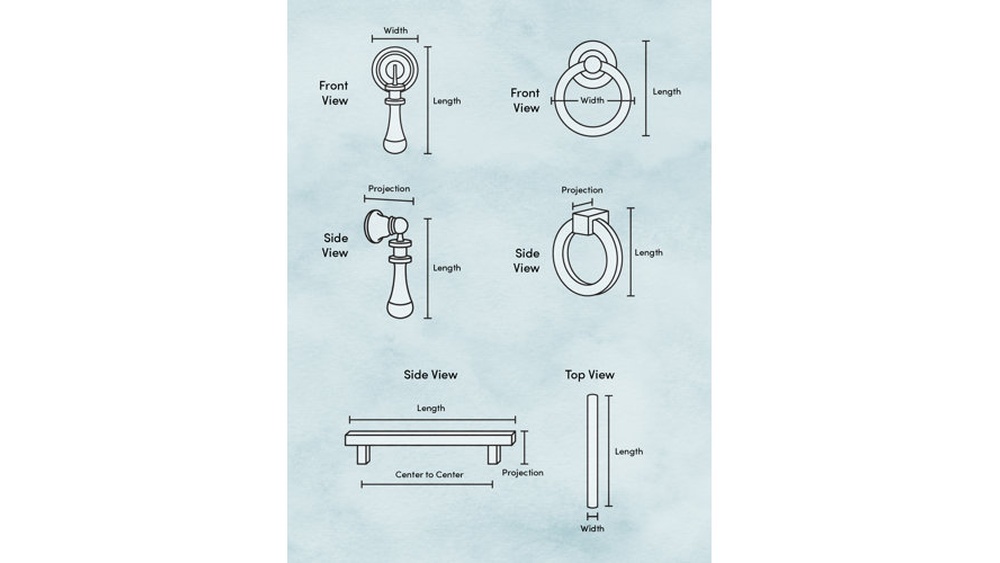
Cabinet hardware comes in many types, each with unique shapes and uses. Choosing the right hardware affects both style and function. Knowing the types helps pick the correct screw size for installation. Hardware types include knobs, pulls, handles, bars, and specialty pieces.
Each type requires different screw lengths and thicknesses. This ensures a secure fit and smooth operation. The right screw size prevents damage to cabinets and hardware. Let’s explore common cabinet hardware types and their screw needs.
Knobs And Pulls
Knobs are small pieces attached to cabinet doors or drawers. Pulls are longer and provide more grip space. Both types usually need screws 1 inch or shorter. The screw length depends on cabinet thickness and pull depth. Using the right screw size keeps knobs and pulls firm and stable.
Handles And Bars
Handles and bars offer larger grips for cabinets. They often have two screw holes for better support. Screws for handles and bars are usually longer, around 1 to 1.5 inches. This length fits most cabinet doors and drawer fronts. Proper screw length avoids hardware wobbling or loosening.
Specialty Hardware
Specialty hardware includes unique designs like glass pulls or decorative hooks. These often need special screws or custom lengths. Some may require shorter screws to avoid damaging delicate materials. Others need thicker screws for extra strength. Checking hardware instructions helps choose the right screws for specialty pieces.
Common Screw Sizes
Choosing the right screw size is key for cabinet hardware. Screws come in various sizes that fit different cabinet types and hardware styles. Understanding common screw sizes helps ensure a secure fit and smooth installation.
Cabinet screws vary by diameter, length, and thread type. Each factor affects how well the hardware attaches and holds. Knowing these details makes selecting screws easier and more accurate.
Diameter And Gauge
Diameter refers to the thickness of the screw. Cabinet hardware often uses screws from 6 to 8 gauge. The higher the gauge number, the thicker the screw. 6 screws suit lightweight knobs. 8 screws offer more strength for handles and pulls.
Length Options
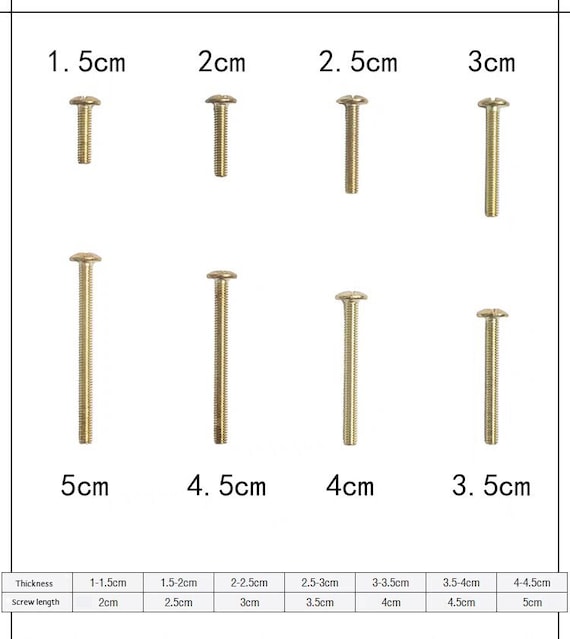
Screw length depends on cabinet thickness and hardware depth. Common lengths range from 3/4 inch to 1 1/2 inch. Short screws fit thin cabinet doors. Longer screws secure thicker doors or drawers. Always measure before buying to avoid screws that are too long or short.
Thread Types
Thread type affects grip and ease of installation. Most cabinet screws have coarse threads for wood. Coarse threads hold better in soft wood and prevent stripping. Fine threads suit metal or hard wood. Some screws combine coarse and fine threads for stronger hold.
Choosing Screw Length
Choosing the right screw length is key to secure cabinet hardware properly. The screw should be long enough to hold the handle or knob tightly. It must also avoid damaging the cabinet or door. This section explains how to pick the correct screw length for your cabinet hardware.
Measuring Cabinet Door Thickness
Start by measuring the thickness of the cabinet door. Use a ruler or tape measure for accuracy. Most cabinet doors range from 3/4 inch to 1 inch thick. The screw must be longer than this thickness to hold the hardware firmly. Note the exact measurement before selecting the screw.
Accounting For Drawer Fronts
Drawers often have thicker fronts than cabinet doors. Measure the drawer front thickness carefully. Add this measurement to the hardware thickness. The screw length should cover both the drawer front and the hardware depth. This ensures the screw reaches deep enough for a strong hold.
Adjusting For Backing Materials
Some cabinets have backing materials like plywood or particle board. These add to the total thickness that the screw must go through. Include the backing thickness in your screw length calculation. This prevents screws from being too short or too long. Choosing the right length protects the cabinet and hardware.

Credit: www.emoderndecor.com
Material Compatibility
Choosing the right screw size depends on the cabinet material. Different materials need different screws for a secure fit. Using the wrong screw can damage the cabinet or hardware. Understanding material compatibility helps pick the best screws for your project.
Wood Cabinets
Wood cabinets usually need longer screws. Screws between 1 inch and 1.5 inches work well. Use screws with coarse threads to grip the wood tightly. Avoid screws that are too long to prevent splitting the wood. Pre-drilling holes can stop cracking.
Metal Cabinets
Metal cabinets require machine screws or self-tapping screws. These screws fit into metal threads or create their own. Choose screws that match the thickness of the metal. Use washers to spread pressure and avoid dents. Shorter screws, around 0.5 to 1 inch, often suffice.
Glass Cabinets
Glass cabinets need special care. Use screws with rubber or plastic washers to protect the glass. Screws should be shorter and not too tight. Usually, 0.5 to 1 inch screws work best. Avoid drilling directly into the glass; use clamps or brackets instead.
Screw Head Styles
Screw head styles affect how you install cabinet hardware. The right head style helps the screw fit the tool perfectly. It also stops slipping or damage. Choosing the correct style makes your work easier and cleaner.
Different screw heads offer various grip types and looks. Some are common, while others provide extra strength or a low profile. Here are the main screw head styles used for cabinet hardware.
Phillips And Slotted
Phillips screws have a cross-shaped slot. This design helps the screwdriver stay in place. They are very common and easy to use for cabinet handles.
Slotted screws have a simple straight groove. They work with flathead screwdrivers. These screws are less common but still useful for some cabinet hardware.
Torx And Star
Torx screws have a star-shaped pattern. This shape gives excellent grip and reduces slipping. They are popular for stronger holds on cabinet hardware.
Star screws are similar to Torx but offer a slightly different fit. Both types help avoid stripping the screw head during installation.
Low Profile And Button Heads
Low profile heads sit nearly flush with the surface. This makes the hardware look smooth and clean. They work well with modern cabinet designs.
Button heads have a rounded top that stands out a bit. They add a decorative touch while still being functional. These heads are often used on drawer pulls and knobs.
Installation Tips
Installing cabinet hardware requires care and precision. Proper steps ensure a strong, neat finish. Follow these tips for best results and lasting installation.
Pre-drilling Holes
Always pre-drill holes before inserting screws. This prevents wood from splitting. Use a drill bit slightly smaller than the screw diameter. Mark the spot accurately to keep hardware aligned. Pre-drilling saves time and protects your cabinets.
Avoiding Over-tightening
Tighten screws just enough to hold hardware firmly. Over-tightening can strip the screw hole or damage hardware. Turn screws slowly and stop when resistance increases. This keeps your cabinet surface intact and hardware secure.
Using Washers And Spacers
Washers and spacers create space between hardware and cabinet surface. They prevent scratches and help align handles or knobs. Use them if screws are too long or if hardware sits unevenly. This small step improves both look and function.
Common Mistakes
Choosing the right size screws for cabinet hardware is vital. Many people make simple mistakes that cause problems. These errors can damage cabinets or make hardware loose. Knowing common mistakes helps avoid costly repairs and ensures a secure fit.
Using Incorrect Length
Screws that are too short will not hold hardware properly. The hardware can wobble or fall off. Screws that are too long can poke through the cabinet surface. This can cause injury or damage walls. Always measure the thickness before selecting screw length.
Wrong Thread Type
Cabinet screws come with different thread types. Wood screws have coarse threads for gripping wood firmly. Machine screws have fine threads and need nuts or tapped holes. Using the wrong thread type leads to weak connections. Choose screws with threads matching the cabinet material.
Ignoring Cabinet Material
Cabinets are made from solid wood, plywood, or particle board. Each material requires specific screw types for best hold. Particle board needs screws with wide threads to prevent splitting. Solid wood can handle standard wood screws. Ignoring the cabinet material risks stripping or cracking.
Where To Buy Screws
Finding the right screws for your cabinet hardware is easier when you know where to buy them. Many stores and online shops offer a variety of screws in different sizes and finishes. This helps you match your cabinet handles or knobs perfectly. Below are some places to check out for quality cabinet screws.
Local Hardware Stores
Local hardware stores carry common screw sizes for cabinet hardware. They offer quick access and the chance to see screws before buying. Staff can help you pick the right size and type. Examples include Home Depot, Lowe’s, and Ace Hardware. These stores often stock screws in popular sizes like 6 or 8, with lengths from 1/2 inch to 1 1/4 inches.
Online Retailers
Online retailers provide a wide range of screws for cabinet hardware. Websites like Amazon and eBay list many brands and sizes. Buying online allows easy price comparison and customer reviews. Many sellers offer bulk packs or single screws depending on your needs. Delivery options make it convenient to get screws directly to your door.
Specialty Suppliers
Specialty suppliers focus on hardware and fasteners for cabinets. They carry unique or hard-to-find screws, including metric sizes. These suppliers often offer higher quality or specialty finishes. Examples include Rockler Woodworking and Hardware or Kilian Hardware. Specialty stores are ideal for custom projects or unusual cabinet designs.
Maintenance And Replacement
Proper maintenance and timely replacement keep your cabinet hardware secure and functional. Regular checks help avoid damage and ensure smooth operation. Using the correct screw size is vital for lasting results.
Checking For Looseness
Loose screws can cause handles and knobs to wobble. Test each piece by gently pulling or twisting it. Tighten screws that feel loose using the right screwdriver. Avoid overtightening to prevent stripping the screw or wood.
Replacing Stripped Screws
Stripped screws no longer hold hardware firmly. Remove damaged screws carefully with pliers or a screw extractor. Replace them with screws of the same diameter and length. Choose screws made from durable materials to resist wear and tear.
Upgrading Hardware
Upgrading cabinet hardware can refresh your space. When changing hardware, measure screw size before removal. New hardware may need different screw lengths or diameters. Keep original screws as a backup in case replacements don’t fit perfectly.

Credit: www.amazon.com
Frequently Asked Questions
What Size Are The Screws For Cabinet Handles?
Cabinet handle screws typically measure 8-32 in diameter and come in lengths of 1 to 1. 5 inches. Choose length based on cabinet thickness.
Should I Use A 8 Or 10 Screw?
Choose 8 screws for lighter tasks and thinner materials. Use 10 screws for heavier loads and thicker materials. Always match screw size to your project needs for secure fastening.
What Size Screws For Attaching Cabinets?
Use 8 or 10 screws, 1½ to 2½ inches long, for securely attaching cabinets to wall studs.
What Is The 1/3 Rule For Cabinet Pulls?
The 1/3 rule for cabinet pulls means placing the pull one-third from the drawer or door edge. This ensures balanced, ergonomic hardware placement.
Conclusion
Choosing the right screw size ensures your cabinet hardware stays secure. Screws that are too short or too long can cause damage. Measure the thickness of your cabinet door and hardware before selecting screws. Most cabinets need screws between 1 inch and 1.
5 inches. Use screws designed for wood or metal, depending on your cabinet type. Proper screw length makes installation easier and improves durability. Take time to pick the best screws for your project. This small step helps your cabinets look and work better for years.