If you’ve ever struggled with a loose cabinet door or a wobbly chair, you know how important fastener screws are in keeping things sturdy. But do you really know how to use them the right way?
Using the wrong technique can lead to stripped screws or weak holds, wasting your time and effort. You’ll discover simple, step-by-step tips to master fastener screws like a pro. By the end, you’ll feel confident tackling your next project with ease and precision.
Ready to make every screw count? Let’s dive in.
Choosing The Right Screw
Choosing the right screw is important for every project. The right screw holds materials tightly and lasts longer. Using the wrong screw can cause damage or weak joints. This guide helps you pick the best fastener screw for your work.
Types Of Fastener Screws
Screws come in many types. Wood screws are for wood projects. Machine screws work with metal parts. Sheet metal screws fasten thin metal sheets. Drywall screws secure drywall panels. Each type has a unique shape and thread pattern.
Materials And Coatings
Screws are made from different materials. Steel screws are strong and common. Stainless steel resists rust and works outdoors. Brass screws look nice and resist corrosion. Some screws have coatings like zinc or black oxide for extra protection.
Matching Screws To Materials
Match screws to the material you join. Use wood screws for wood. Choose metal screws for metal pieces. Drywall screws fit drywall panels. For outdoor jobs, pick rust-resistant screws. Proper matching improves strength and durability.
Credit: bdnfasteners.com
Tools Needed For Screw Installation
Installing screws requires the right tools to work well and safely. Using proper tools makes the job easier and faster. It also helps avoid damage to the screw or the material. Below are the main tools needed for screw installation.
Screwdrivers And Drivers
Screwdrivers come in many types and sizes. Choose one that fits the screw head perfectly. Common types include flathead and Phillips. Manual screwdrivers work well for small jobs. For larger tasks, use a powered driver. It saves time and effort. Always pick a screwdriver or driver with a comfortable handle.
Drills And Bits
Drills help insert screws quickly, especially in hard materials. Use the correct drill bit size for pilot holes. This prevents wood from splitting or cracks forming. Drill bits come in many types for wood, metal, and plastic. Make sure the drill bit matches the screw size and type. Cordless drills offer more freedom of movement on the job.
Additional Accessories
Some accessories make screw installation easier and safer. A magnetic bit holder keeps screws on the driver. This stops screws from falling and getting lost. A depth stop helps place screws at the right depth. Safety glasses protect your eyes from dust and debris. A workbench or clamp holds materials steady while you work.
Preparing The Work Surface
Preparing the work surface is an important step before using fastener screws. It helps ensure a strong hold and prevents damage to the materials. Taking time to prepare properly saves effort later and gives a cleaner finish.
Cleaning And Marking
Start by cleaning the surface of dust and dirt. Use a cloth or brush to remove loose particles. A clean surface helps the screw grip better and stops slipping.
Next, mark the exact spot where the screw will go. Use a pencil or marker for clear, visible marks. This guides your drilling and keeps screws straight.
Pre-drilling Holes
Pre-drill holes that match the screw size. This prevents wood or other materials from splitting. Use a drill bit slightly smaller than the screw’s diameter.
Drill slowly and steadily to keep the hole straight. Pre-drilling also makes it easier to insert screws without extra force.
Avoiding Common Mistakes
Do not skip cleaning or marking. It leads to crooked screws or weak holds. Avoid using a drill bit that is too large or too small.
Do not force screws into hard surfaces without pre-drilling. This causes cracks or breaks. Take time to prepare for better results and safety.
Step-by-step Screw Installation
Installing a fastener screw is simple when you follow clear steps. Proper installation keeps your project strong and secure. Understanding each step helps avoid mistakes and damage.
Focus on aligning the screw, driving it correctly, and ensuring the right tightness. These steps work together to create a safe and lasting hold.
Aligning The Screw
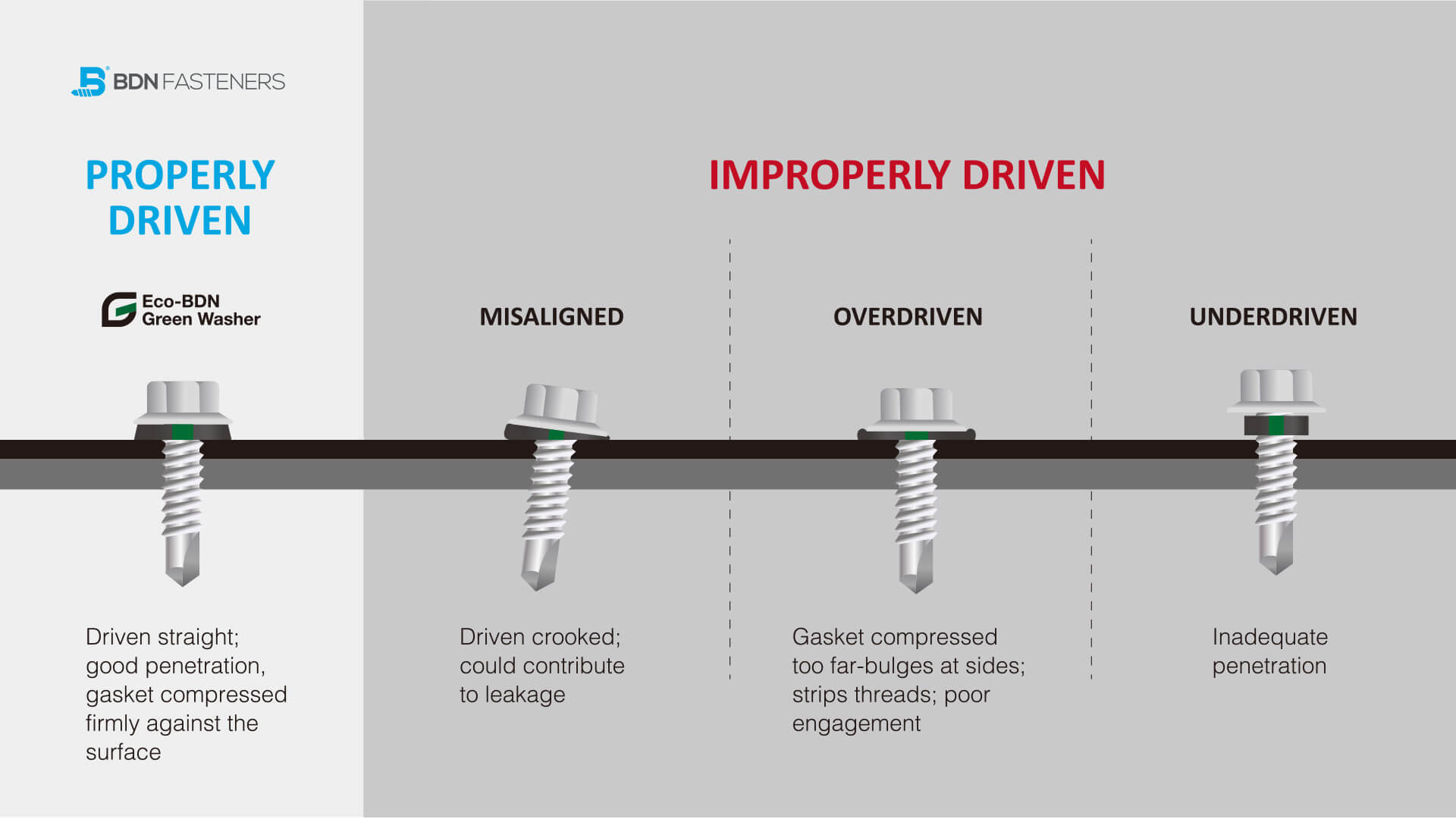
Start by positioning the screw straight over the hole. Make sure it is perpendicular to the surface. This prevents the screw from bending or slipping. Use a guide or pilot hole if needed. Correct alignment saves time and effort later.
Driving The Screw Properly
Use the right screwdriver or drill bit for your screw head. Apply steady pressure while turning the screw. Avoid forcing it too fast or slow. Keep the tool straight to prevent damage. Smooth, controlled turns work best.
Ensuring Tightness Without Damage
Stop tightening when the screw feels secure and snug. Avoid over-tightening, which can strip the threads or crack the material. Check that the screw head sits flush with the surface. Proper tightness holds parts firmly without harm.
Tips For Secure Assembly
Secure assembly is key to making your project last longer and stay strong. Proper use of fastener screws helps avoid loose parts and damage. Follow these tips to ensure your assembly is tight and reliable.
Using Washers And Anchors
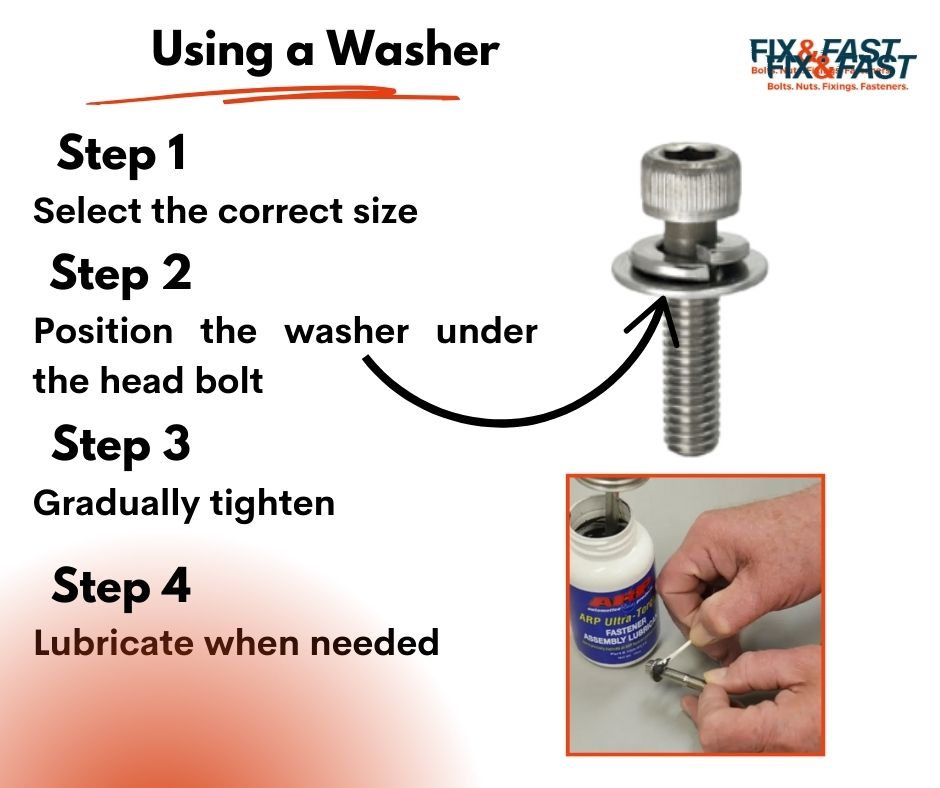
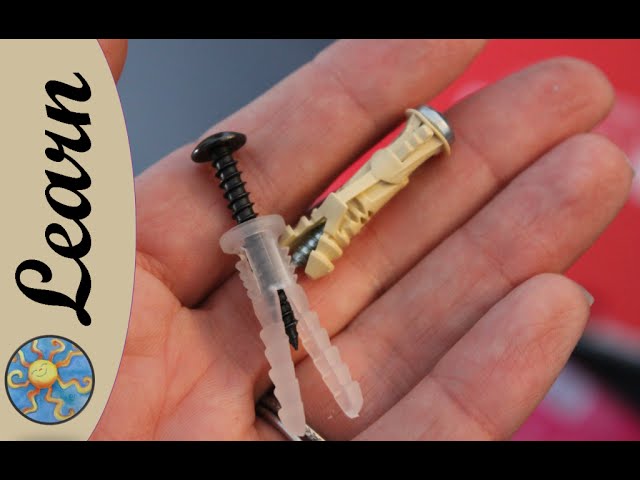
Washers spread the pressure from screws over a larger area. They protect the material from damage and prevent screws from pulling out. Anchors are essential for holding screws in soft materials like drywall. They give extra grip and stop screws from loosening over time.
Applying Lubricants
Lubricants reduce friction between the screw and material. They make driving screws easier and faster. Use a little oil or wax on the screw threads before inserting. This prevents stripping the screw head and reduces wear on tools.
Avoiding Over-tightening
Over-tightening can strip threads or break screws. Tighten screws until they are snug, then stop. Use a screwdriver or drill with a clutch to control the torque. Proper tightness keeps parts secure without causing damage.
Credit: www.fixandfast.co.uk
Troubleshooting Common Issues
Troubleshooting common issues with fastener screws can save time and prevent damage. Many problems occur during installation or removal. Knowing simple fixes helps maintain your projects and tools. This section covers solutions for frequent screw problems.
Stripped Screw Heads
Stripped screw heads happen when the screwdriver slips inside the screw. This makes the screw hard to turn or remove. Use a rubber band over the screw head to add grip. Another trick is to use a flathead screwdriver on a Phillips screw carefully. If these fail, try a screw extractor tool for tough jobs.
Loose Screws
Loose screws can cause parts to wobble or fall apart. Tighten the screw with the correct screwdriver size. If the screw keeps coming loose, add a small drop of thread-locking glue. For screws in soft wood, fill the hole with toothpicks and wood glue, then reinsert the screw. This creates a stronger hold.
Fixing Misaligned Screws
Misaligned screws can damage materials or weaken joints. Remove the screw carefully to avoid extra holes. Realign the parts before reinserting the screw. Use a pilot hole to guide the screw straight. A drill bit smaller than the screw helps prevent splitting the wood.
Maintaining Fastener Integrity
Maintaining fastener integrity is key to keeping structures strong and safe. Screws can loosen or weaken over time. Regular care helps prevent failures and costly repairs. Simple steps ensure your fasteners stay reliable and durable.
Regular Inspection
Check screws often for signs of wear or damage. Look for rust, cracks, or looseness. Tighten any loose screws to keep parts secure. Inspections catch problems early before they grow worse.
Replacing Damaged Screws
Remove screws that show damage or wear. Replace them with the correct size and type. Using the right screw keeps the structure safe and stable. Avoid reusing screws that no longer hold well.
Protecting Against Corrosion
Corrosion weakens screws and can cause failure. Use screws made of rust-resistant materials like stainless steel. Apply protective coatings or paints to exposed fasteners. Keep screws dry and clean to slow down rust formation.
Credit: www.youtube.com
Frequently Asked Questions
What Types Of Fastener Screws Are Commonly Used?
Common fastener screws include wood screws, machine screws, sheet metal screws, and self-tapping screws. Each type suits different materials and applications, ensuring secure fastening.
How Do You Choose The Right Fastener Screw?
Select a screw based on material, length, diameter, and thread type. Consider the load and environmental conditions for optimal performance and durability.
Can Fastener Screws Be Reused Safely?
Reusing fastener screws is possible if they are undamaged and retain their threads. However, it’s best to use new screws for critical or high-stress applications.
What Tools Are Needed To Use Fastener Screws?
Common tools include screwdrivers, power drills, and impact drivers. Choose the tool based on screw head type for efficient and secure fastening.
Conclusion
Using fastener screws correctly makes your projects strong and safe. Choose the right screw for your material and task. Always use the proper tools and apply steady pressure. Check that screws fit well and are tight. Avoid over-tightening to prevent damage.
Practice helps you gain confidence and improve skills. Small steps lead to better results. Keep these tips in mind for successful fastening every time.