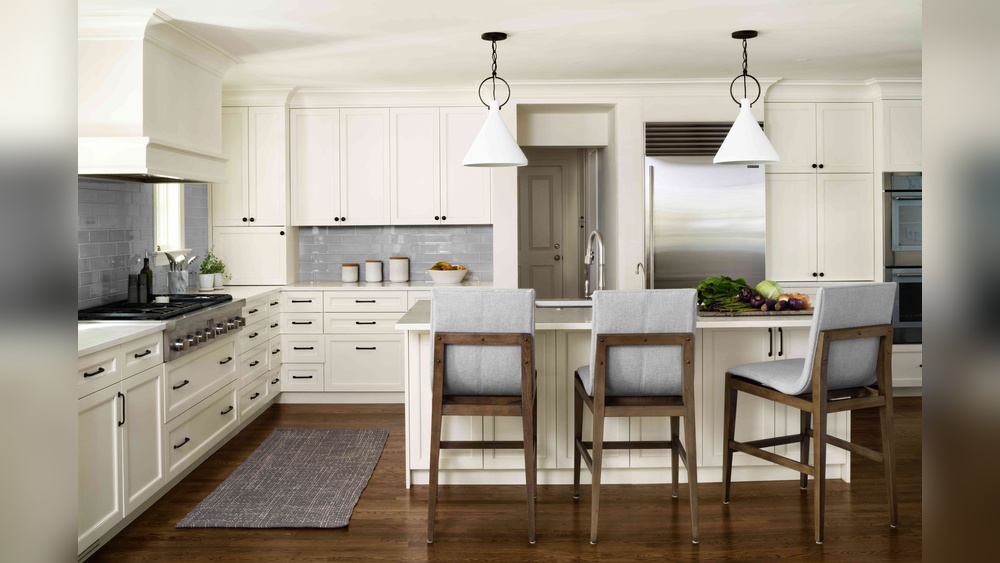
When you’re updating or building cabinets, you might wonder: should your cabinet hardware match the hinges? It’s a question that can feel tricky but makes a big difference in how your space looks and feels.
You want your kitchen or room to look polished and stylish, yet you don’t want to get stuck following strict rules that limit your creativity. The good news? There’s more flexibility here than you might think. You’ll discover practical advice and simple tips to help you decide whether matching your cabinet hardware and hinges is right for your style—and how to pull off a look that feels just right for your home.
Keep reading, and you’ll find the answers that make your design choices easier and more confident.
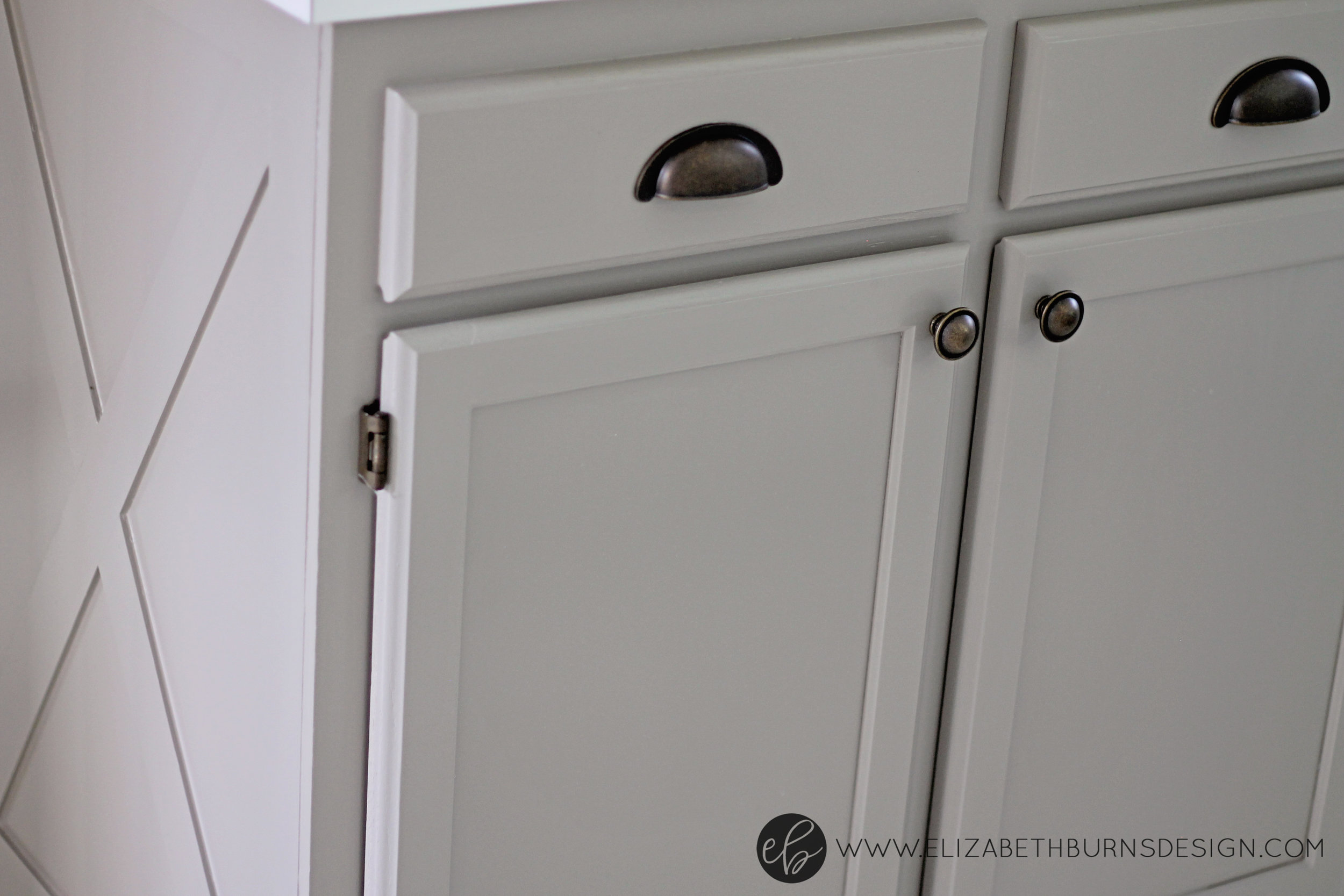
Credit: www.elizabethburnsdesign.com
Matching Hinges And Hardware
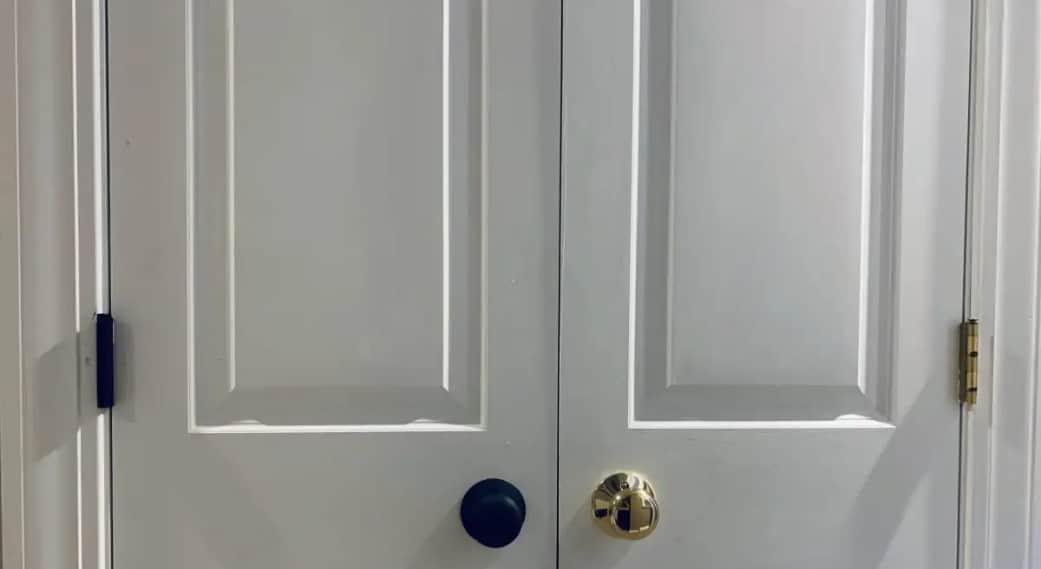
Choosing whether cabinet hardware should match hinges is a common question. Both elements affect the cabinet’s overall look. Matching them can create a cohesive style. Yet, mixing finishes can add character and interest to the space. Understanding when to match and when to mix is key to good design.
When Matching Matters
Matching hinges and hardware works best in formal or traditional kitchens. It creates a polished and unified look. Matching finishes help the eye move smoothly across the room. It also shows attention to detail. For modern designs, matching may feel too rigid. Still, in classic styles, it enhances the overall appeal.
Mixing Finishes
Mixing hardware finishes can make cabinets feel fresh and unique. It adds depth and personality to your space. For example, pairing bronze handles with black hinges gives a bold contrast. Mixing works well in casual or eclectic kitchens. Keep the finishes within the same tone family for balance. Avoid clashing metals that may look messy or unplanned.
Impact Of Visible Hinges
Visible hinges play a big role in the design. When hinges show, matching them with hardware looks intentional. It ties the entire cabinet together. In cases with hidden hinges, matching is less important. Hidden hinges let hardware stand out on its own. Consider how much the hinges will be noticed before deciding to match.
Choosing Cabinet Hardware
Choosing the right cabinet hardware can transform your kitchen’s look. It sets the tone and adds function. Hardware should fit your style and meet your needs. Think about comfort and ease of use as well as appearance.
Hardware comes in many shapes, sizes, and finishes. Picking the right pieces helps create a balanced, polished kitchen. Consider how knobs and pulls affect the overall design.
Knobs Vs Pulls
Knobs are small and simple. They work well on cabinet doors and smaller drawers. Pulls are longer and easier to grip. They suit larger drawers and cabinets. Pulls can add a modern or classic touch depending on style. Choose based on cabinet size and your comfort.
Finish Selection Tips
Select finishes that blend with your kitchen’s look. Brushed nickel and chrome offer a sleek, modern feel. Oil-rubbed bronze and brass bring warmth and tradition. Matte black adds a bold, contemporary edge. Avoid mixing too many finishes to keep a clean look. Focus on finishes that match or complement your hinges.
Complementing Kitchen Elements
Hardware should echo other kitchen features. Match or complement your faucet, lighting, and appliances. This creates a harmonious, cohesive space. Consider cabinet color and countertop materials too. Hardware that blends well ties the whole kitchen together. Small details make a big difference in style.
Hinge Placement Essentials
Hinge placement plays a key role in cabinet door function and style. Proper hinge positioning ensures smooth opening and closes the door securely. It also affects the door’s durability and weight support. Understanding hinge placement essentials helps choose the right hardware and avoid common problems like sagging or misalignment.
Number Of Hinges Needed
The number of hinges depends on the door size and weight. Small doors usually need two hinges. Larger or heavier doors require three or more hinges. Extra hinges add support and prevent the door from sagging. Too few hinges can cause stress on the cabinet frame and hardware.
Ideal Hinge Positions
Place the top hinge about 5 inches from the top edge of the door. The bottom hinge should sit 10 to 12 inches from the bottom. If you use a third hinge, position it midway between the top and bottom hinges. This layout balances the door and offers even support along its height.
Weight Distribution And Support
Hinges must distribute the door’s weight evenly. Proper placement reduces strain on each hinge and the cabinet frame. Balanced support helps the door open smoothly and last longer. It also prevents damage to the wood and hardware from uneven pressure.
Style And Design Considerations
Choosing cabinet hardware involves more than just function. Style and design play key roles in creating a balanced look. Matching or contrasting your cabinet hardware and hinges affects the room’s overall feel. Understanding design principles helps you make smart decisions that fit your space.
Architectural Consistency
Architectural consistency means matching hardware to the room’s style. Hinges and handles should blend with cabinet design. For traditional kitchens, classic brass or bronze finishes create harmony. Modern spaces often benefit from sleek, minimal hardware in matte black or stainless steel. Consistent design supports a unified, polished appearance.
Mixing Metal Finishes
Mixing metal finishes has become popular in design. It adds depth and interest without feeling chaotic. Pairing brushed nickel hinges with oil-rubbed bronze handles can work well. The key is to keep finishes within the same tone or intensity. Contrast should feel intentional, not random. Balanced mixing highlights unique details and prevents monotony.
Trends In Cabinet Hardware
Current trends favor bold and simple styles. Matte black hardware remains trendy for its versatility. Gold and brass accents add warmth and luxury. Slim, linear handles offer a modern, clean look. Vintage-inspired knobs bring character to classic kitchens. Staying aware of trends helps refresh your space without overwhelming it.
Practical Tips For Installation
Installing cabinet hardware correctly makes a big difference in your kitchen’s look and function. Proper installation ensures your doors open smoothly and last longer. Follow simple tips to install hinges and handles with care. This section covers tools needed, step-by-step DIY hinge fitting, and how to avoid common mistakes.
Tools And Materials
Gather all tools before starting. You will need a screwdriver, drill, measuring tape, and pencil. Also prepare the hinges, screws, and cabinet hardware. A level helps keep everything straight. Use a center punch to mark screw holes for better accuracy. Having the right tools saves time and avoids damage.
Diy Hinge Fitting
Start by measuring where the hinges will go. Mark the spots on the cabinet and door with a pencil. Pre-drill holes to prevent wood from splitting. Attach the hinge to the door first, then align the door on the cabinet frame. Secure the hinges tightly but do not over-tighten screws. Test the door to make sure it opens and closes smoothly.
Avoiding Common Mistakes
Do not rush the process. Incorrect measurements cause misaligned doors. Avoid drilling holes too close to edges. This can crack the wood. Match hinge placement on all doors for a uniform look. Check screw tightness regularly to prevent loosening. Keep hinges clean and lubricated to reduce noise and wear.
Credit: buildingandinteriors.com

Credit: www.elizabethburnsdesign.com
Frequently Asked Questions
Do Cabinet Handles And Hinges Have To Match?
Cabinet handles and hinges do not have to match exactly. Choose finishes that complement your design style and overall decor. Mixing finishes can add character and uniqueness to your space. Focus on balance and personal taste for the best look.
What Is The 1/3 Rule For Cabinet Hardware?
The 1/3 rule for cabinet hardware means placing handles one-third from the drawer or door edge. This ensures balanced look and easy use.
What Is The 7 11 Hinge Rule?
The 7-11 hinge rule places three hinges: one 7 inches from the top, one 11 inches from the bottom, and one centered. This ensures balanced door support and prevents sagging.
What Should Cabinet Hardware Match?
Cabinet hardware should match the overall kitchen style and finish. Coordinate hardware finishes with faucets and fixtures for a cohesive look. Handles suit large doors; knobs work best on smaller doors. Hinges and knobs don’t need to match exactly but should complement each other visually.
Conclusion
Choosing whether cabinet hardware should match hinges depends on your style. Matching creates a neat, uniform look. Mixing finishes adds contrast and character. Both options work well if balanced thoughtfully. Think about your kitchen’s colors and materials. Select hardware that feels right for your space.
Trust your eye and personal taste. Your cabinets will look great either way.