When you’re ready to upgrade your cabinets with new hardware, one question often trips people up: what size are cabinet hardware screws? Getting the right screw size is crucial.
If the screws are too short, your handles won’t hold firmly. Too long, and they might poke through the other side or damage your cabinets. You want a perfect fit that keeps your hardware secure and your cabinets looking great.
You’ll learn exactly how to choose the right screw size for your cabinet knobs and pulls, avoid common mistakes, and make your installation smooth and hassle-free. Keep reading to make sure your next cabinet upgrade is flawless!
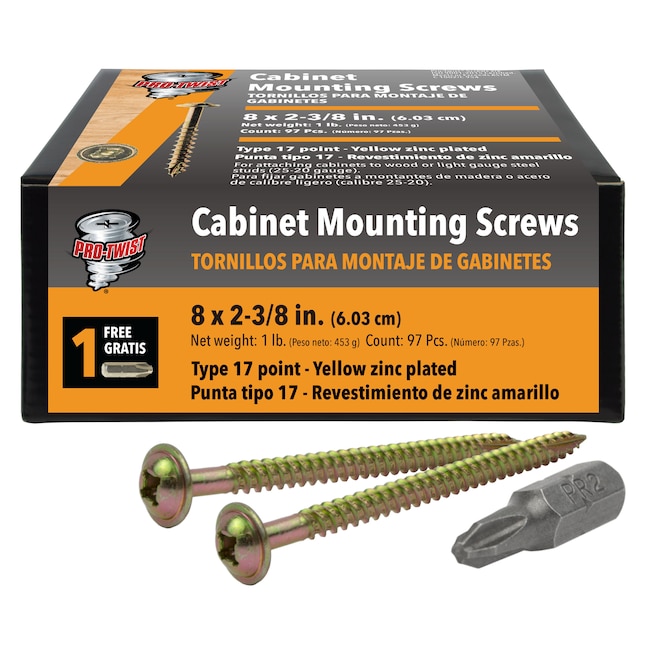
Credit: www.lowes.com
Common Screw Sizes
Cabinet hardware screws come in various sizes to fit different types of handles and knobs. Choosing the right screw size ensures a secure fit and smooth installation. Knowing common sizes helps you avoid errors and saves time during projects.
Standard Diameter Options
The most common screw diameters for cabinet hardware are 6, 8, and 10. The 8 size is the most popular for handles and knobs. These sizes fit most pre-drilled holes in cabinet doors and drawers. Diameter affects how tightly the hardware holds onto the surface.
Typical Lengths For Cabinets
Screw lengths usually range from ¾ inch to 1½ inches. The length depends on the thickness of the cabinet door or drawer front. Short screws may not hold the hardware firmly. Long screws can poke through the other side, which causes damage.
Metric Vs Imperial Sizes
Cabinet hardware screws come in both metric and imperial measurements. Imperial sizes use inches and fractions, common in the United States. Metric sizes use millimeters and are common in Europe and Asia. Always check which system your hardware requires to avoid mismatches.

Credit: www.amazon.com
Choosing The Right Size
Choosing the right size for cabinet hardware screws is key to a secure and neat installation. The screws must fit the cabinet material and the hardware perfectly. Too short screws won’t hold well. Too long screws may damage the cabinet or show inside. Proper sizing avoids common problems like loose handles or stripped threads.
Focus on three simple steps to pick the right screw size: measure the cabinet thickness, check the manufacturer specs, and balance the screw length with the fit. Each step helps ensure the hardware stays firmly attached and looks great.
Measuring Cabinet Thickness
Measure the thickness of your cabinet door or drawer front. Use a ruler or tape measure for accuracy. Note the exact thickness in millimeters or inches. This helps determine the minimum screw length needed to go through the cabinet material.
Always measure at the spot where the hardware will attach. Cabinet thickness can vary. Accurate measurement prevents screws that are too short or too long.
Checking Manufacturer Specs
Look for screw size recommendations from the hardware maker. Most manufacturers list the exact screw length and diameter. This information is usually on the product packaging or website.
Follow these specs closely to avoid buying incorrect screws. Using the recommended size ensures a proper fit and strong hold.
Balancing Length And Fit
Choose a screw length that matches the cabinet thickness plus the hardware depth. The screw should pass through the cabinet material and thread fully into the hardware.
Do not use screws that are too long. They may poke inside the cabinet or damage the surface. Avoid screws that are too short as they won’t hold the hardware securely.
Types Of Cabinet Screws
Cabinet screws come in different types designed for specific uses. Choosing the right type ensures your hardware stays secure and looks good. Each type has unique features for various cabinet materials and styles.
Cabinet And Wafer Head Screws
Cabinet screws have a flat or slightly rounded head. Wafer head screws are thinner with a wider surface area. They sit flush against the cabinet hardware, giving a neat finish. These screws provide strong holding power without damaging the cabinet surface.
Material Choices
Screws come in steel, brass, and stainless steel. Steel screws are strong and affordable. Brass screws resist corrosion and add a decorative touch. Stainless steel is best for damp areas because it resists rust. Pick a material that matches your cabinet environment and style.
Avoiding Drywall Screws
Drywall screws are not made for cabinets. Their thin shafts can easily break or strip. They have sharp threads that may damage wood or cabinet materials. Use screws labeled for cabinetry or woodwork to ensure durability and proper fit.
Screw Length Guidelines
Cabinet hardware screws usually come in 8 size with lengths from 1/2 to 1 inch. Choosing the right length depends on your cabinet’s thickness. Using screws that are too long or short can cause damage or loose handles.
Calculating Proper Length
Choosing the right screw length is key for cabinet hardware.
The screw must pass through the hardware and cabinet material.
Measure the thickness of your cabinet door or drawer front first.
Add the thickness of the hardware base to this measurement.
This total helps find a screw that fits snugly without extra length.
Adjusting For Door And Drawer Thickness
Cabinet doors vary in thickness, from thin to thick.
Drawers can also differ, especially with added liners or panels.
Use screws longer than the total thickness by at least 1/4 inch.
This ensures the screw holds firmly without sticking inside the cabinet.
If the door is very thin, shorter screws prevent damage or splits.
Common Length Recommendations
Standard cabinet hardware screws usually range from 3/4 inch to 1 1/4 inch.
Most cabinet doors use 1 inch screws for good hold and safety.
Drawers often require slightly longer screws, around 1 1/4 inch.
Handles with thick bases may need screws up to 1 1/2 inch.
Always check the screw length before installation to avoid issues.
Installation Tips
Installing cabinet hardware screws correctly ensures a strong hold and a clean look. Follow simple steps to avoid common mistakes and damage.
Proper installation helps your hardware last longer and function better. Focus on using the right tools and methods for the best results.
Locating Wall Studs
Find the wall studs before drilling. Use a stud finder or tap the wall to hear a solid sound. Screwing into studs gives better support for heavy cabinets.
If you cannot reach a stud, use wall anchors for extra strength. This prevents screws from loosening over time.
Pre-drilling Pilot Holes
Always pre-drill pilot holes before inserting screws. This prevents wood from splitting and makes screwing easier. Use a drill bit slightly smaller than the screw diameter.
Drill straight and only as deep as the screw length. Pilot holes guide screws and keep hardware aligned correctly.
Proper Screw Driving Techniques
Use a screwdriver or drill with the right bit size. Apply steady pressure and keep the tool straight to avoid stripping the screw head.
Turn screws slowly near the end to avoid over-tightening. Over-tightening can damage the cabinet or hardware threads.
Credit: www.reddit.com
Avoiding Common Issues
Choosing the right cabinet hardware screws is crucial for a smooth installation. Avoiding common problems saves time and effort. Understanding how to handle screws ensures the hardware fits perfectly. Below are key tips to prevent issues during your project.
Preventing Stripped Threads
Stripped threads weaken the hold of screws. Use the correct size screw for your hardware. Tighten screws gently with steady pressure. Avoid forcing screws into holes that are too small. Pre-drill pilot holes to protect the wood and threads.
Handling Screws That Are Too Long
Screws that are too long can damage cabinet interiors. Measure the door or drawer thickness before buying screws. Cut long screws carefully with a hacksaw or screw cutter. Test the length by inserting the screw before final installation.
Ensuring Hardware Stability
Loose hardware can cause handles to wobble or fall off. Use screws that fit snugly without over-tightening. Check the hardware alignment before tightening screws fully. Replace worn screws with new ones of the same size for a secure fit.
Custom Drilling And Adjustments
Custom drilling and adjustments are essential when installing cabinet hardware screws. Every cabinet has different thickness and design. Standard screws may not fit perfectly. You can make precise changes to ensure a secure and neat fit. These adjustments help avoid damage and improve the overall look of your cabinets.
Drilling For New Hardware
Start by marking the exact spot for new hardware holes. Use a drill bit that matches the screw size. Drill slowly to avoid splitting the wood. Check the depth to prevent drilling too far. Proper drilling creates a clean hole for the screw to fit tightly.
Cutting Screws To Size
Screws often come longer than needed. Use a hacksaw or wire cutters to trim screws to the right length. Smooth rough edges with a file to prevent damage. Shortening screws prevents them from poking through cabinet backs. Always measure twice before cutting to avoid mistakes.
Adapting To Unique Cabinet Designs
Some cabinets have unusual thickness or materials. Adjust screw length based on the cabinet’s depth. For thick doors, use longer screws or extra washers. Thin materials need shorter screws to avoid damage. Custom adjustments ensure hardware fits securely and looks professional.
Resources And References
Finding the right resources and references is key to understanding cabinet hardware screws. Reliable information helps pick the correct screw size for your project. Clear guides and trusted sources save time and avoid mistakes.
This section offers useful tools and links. These resources make it simple to choose and use the right screws for cabinets.
Screw Size Conversion Charts
Conversion charts help compare different screw measurements. They show sizes in inches, millimeters, and gauge numbers. These charts clarify how screw lengths and diameters match across systems.
Using a conversion chart avoids confusion when hardware specs vary. It ensures you get the exact screw size needed for your cabinet handles or knobs.
Recommended Brands And Suppliers
Trusted brands offer quality screws that fit well and last long. Many hardware stores and online suppliers carry these reliable options. Choosing known brands reduces the risk of stripped screws or poor fit.
Some suppliers provide detailed product info and customer reviews. These help confirm the screw size and type before buying. Quality suppliers also offer replacement screws if needed.
Helpful Videos And Tutorials
Step-by-step videos show how to measure, select, and install cabinet screws. Visual guides explain screw lengths and installation tips clearly. Videos often cover common problems and easy fixes.
Tutorials from experienced DIYers and professionals boost your confidence. They provide practical advice for smooth hardware installation. Watching these helps avoid common errors with screw sizes.
Frequently Asked Questions
What Size Are Most Cabinet Handle Screws?
Most cabinet handle screws are size 8 with lengths typically ranging from 1 to 1. 5 inches, depending on door thickness. Choose screws long enough to pass through the cabinet material and secure the handle firmly without protruding inside. Always check the handle manufacturer’s specifications for exact sizing.
What’s Bigger, A 8 Or A 10 Screw?
A 10 screw is bigger than a 8 screw. The 10 has a larger diameter and greater thickness.
What Size Screws For Cabinet Mounting?
Use 8 gauge cabinet screws, typically 1 to 1. 5 inches long. Choose length based on cabinet door thickness. Select zinc-plated steel or durable material for strength. Avoid drywall screws. Use wafer or cabinet head screws for secure mounting and proper hold.
Is Cabinet Hardware Standard Size?
Cabinet hardware sizes vary, but many knobs and pulls use standard screw sizes like 8-32. Always check specific hardware specs.
Conclusion
Choosing the right cabinet hardware screw size matters a lot. Too short screws won’t hold the handle firmly. Too long screws may damage the cabinet inside. Always measure door thickness before buying screws. Check the hardware manufacturer’s recommended screw size.
Using the correct size prevents stripped threads and loose handles. Keep a few different screw lengths handy for future needs. Proper screw size helps your cabinets look neat and last longer. Simple steps lead to a better cabinet hardware fit every time.