Are you curious about how things stay firmly in place, whether in your home, your car, or even your favorite gadgets? Understanding the types of fastening can help you choose the right method to secure materials quickly and safely.
Whether you’re a DIY enthusiast or just want to know more about everyday objects, this guide will break down the most common fastening types in simple terms. By the end, you’ll feel confident knowing exactly which fastening method suits your needs best.
Keep reading to discover the secrets behind strong, reliable connections!
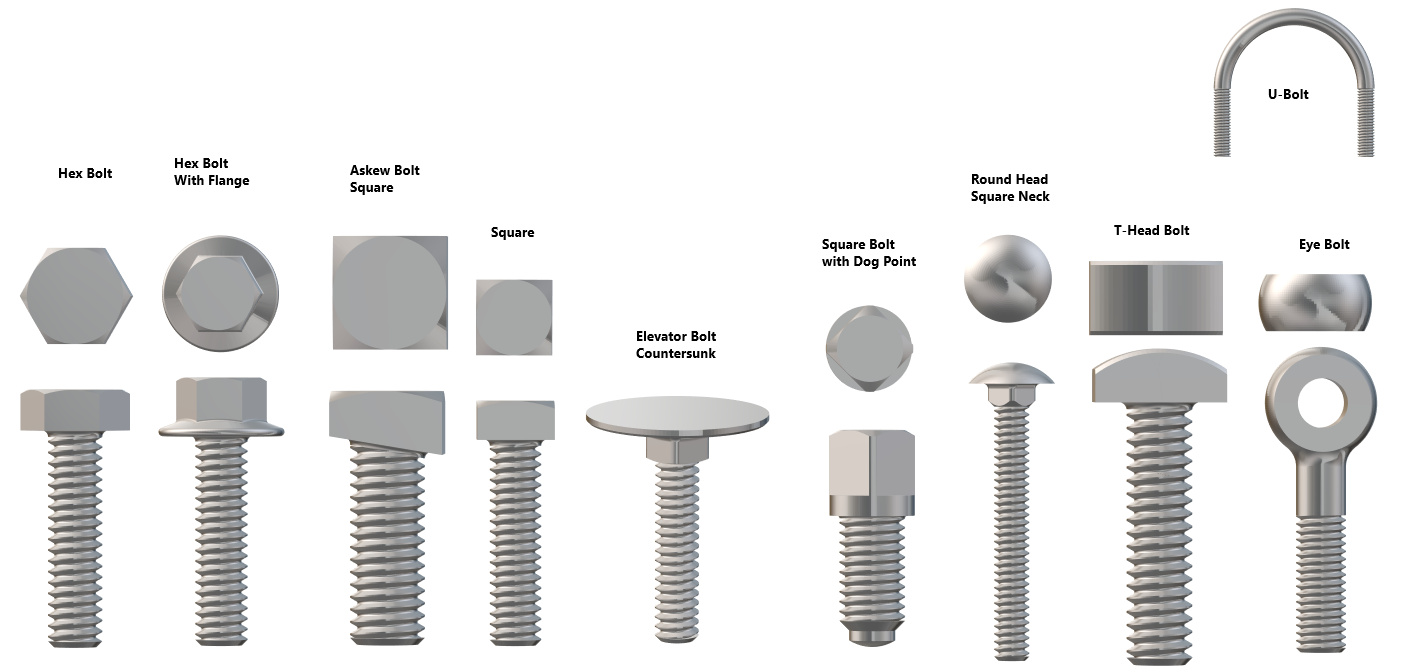
Credit: www.linquip.com
Mechanical Fasteners
Mechanical fasteners join two or more parts together. They provide strong and removable connections. This type of fastening is common in many industries. Mechanical fasteners allow easy assembly and disassembly of components.
Bolts And Nuts
Bolts are metal rods with external threads. Nuts have matching internal threads. Together, they clamp parts firmly. Bolts and nuts are strong and reliable. Used in construction, machinery, and vehicles. They come in many sizes and shapes.
Screws And Washers
Screws have helical threads and sharp tips. They cut into materials to hold parts tight. Washers sit under screw heads or nuts. Washers spread the load and protect surfaces. Screws and washers work well in wood, metal, and plastic.
Rivets
Rivets are permanent fasteners. They join parts by deforming one end after insertion. Rivets create strong, vibration-resistant joints. Common in aircraft, bridges, and metal structures. Riveting does not damage the joined materials.
Pins And Clips
Pins fit through holes to hold parts in place. Clips snap around pins or shafts to secure them. Both are easy to install and remove. Pins and clips prevent movement and maintain alignment. Used in machinery, automotive, and tools.
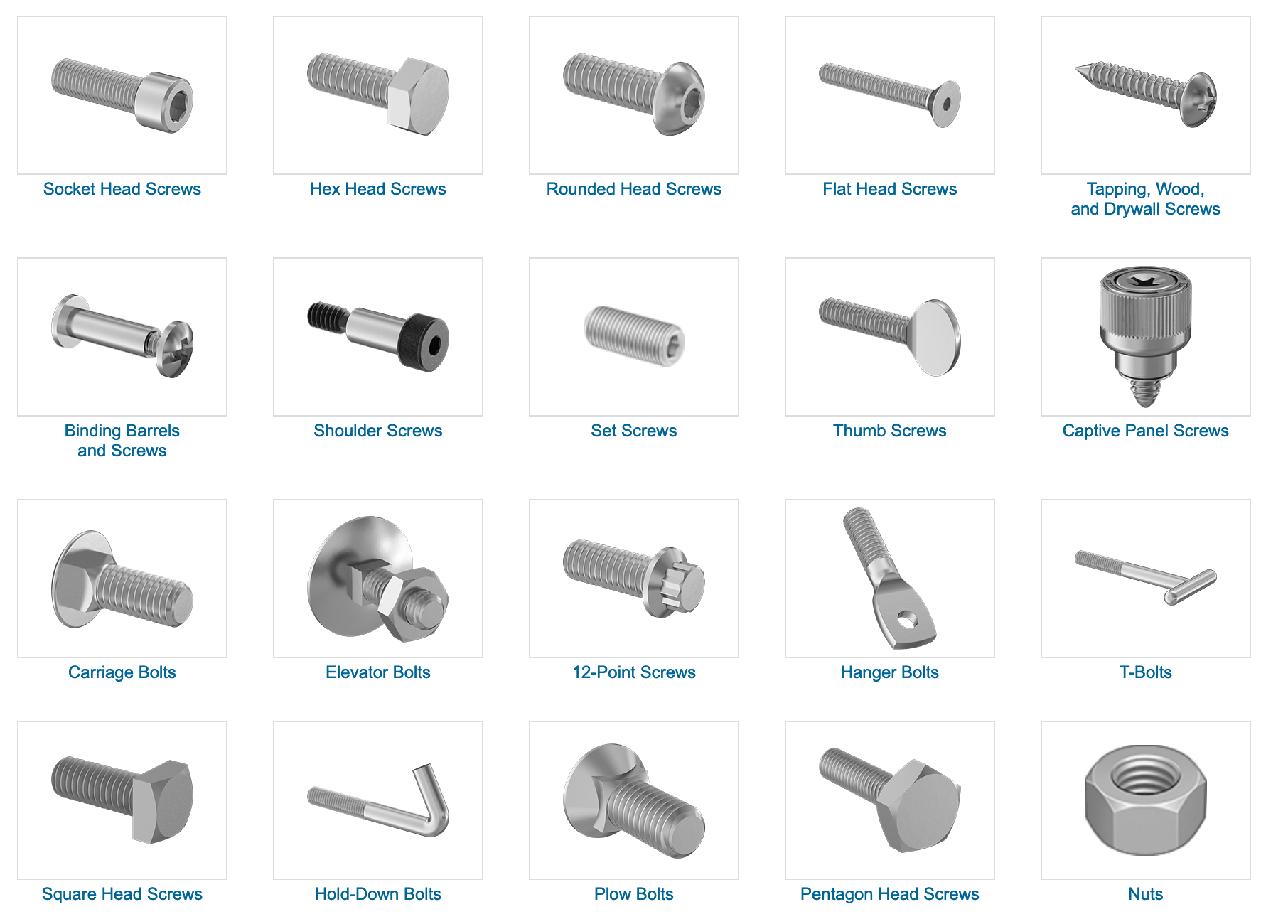
Credit: www.fusiondesigninc.com
Adhesive Fasteners
Adhesive fasteners join materials using sticky substances instead of mechanical parts. They work well on smooth surfaces and help spread stress evenly. These fasteners are common in industries like construction, automotive, and crafts. They offer a clean look without holes or screws.
Epoxy And Resin
Epoxy and resin create strong, durable bonds. They come as two parts that mix before use. This mix hardens to form a tough hold. Epoxy works well on metal, wood, and plastic. It resists heat and chemicals. Resin is often used in crafts and repairs. Both types set slowly, giving time to adjust parts.
Tape And Glue
Tape and glue provide quick and easy fastening. Tape sticks instantly and holds light to medium weight objects. Double-sided tape works between surfaces without showing. Glue comes in many forms, like liquid or gel. It bonds paper, fabric, and some plastics. These fasteners are perfect for temporary or small fixes.
Sealants
Sealants fasten and protect against water or air leaks. They fill gaps and create flexible joints. Sealants stay soft after drying to allow movement. They work on windows, doors, and pipes. Silicone and acrylic are common types. Sealants prevent damage from moisture and improve durability.
Welding And Soldering
Welding and soldering join metals by melting them together. These methods create strong bonds without using screws or nails. Both techniques suit different materials and tasks. They play a big role in construction, repairs, and manufacturing. Understanding their types helps choose the right method for each project.
Arc Welding
Arc welding uses an electric current to melt metals. It creates a strong bond by joining metal pieces. This method works well for thick metals. It requires a welding machine and protective gear. Arc welding is common in heavy industries and construction sites.
Tig And Mig Welding
TIG welding uses a non-consumable tungsten electrode to heat metals. It offers precise control and clean welds. MIG welding uses a wire that melts as it feeds into the joint. MIG is faster and easier for beginners. Both types work well for thin metals and detailed work.
Brazing And Soldering
Brazing and soldering join metals using a filler metal. The filler melts at a lower temperature than the base metals. Soldering is used for electronics and delicate items. Brazing provides stronger joints for plumbing and metalwork. Both methods do not melt the base metals, preserving their shape.
Magnetic Fasteners
Magnetic fasteners use magnets to hold items together quickly and securely. They offer easy opening and closing without the need for buttons or zippers. These fasteners are popular in clothing, bags, and even electronics. Magnetic fasteners combine strength with simplicity.
Magnetic Strips
Magnetic strips are long, thin bands with built-in magnets. They attach to surfaces or fabric and create a strong bond. These strips are common in wallets, folders, and display boards. They make opening and closing smooth and silent. Magnetic strips work well for lightweight objects that need frequent access.
Magnetic Clasps
Magnetic clasps are small fasteners often used in jewelry and accessories. They snap together easily and hold tightly. These clasps are great for bracelets, necklaces, and bags. Magnetic clasps add convenience and style without bulky hardware. Users appreciate their quick and secure fastening.
Hook And Loop Fasteners
Hook and loop fasteners are popular for their easy use and strong hold. They join two surfaces by pressing tiny hooks into loops. This type of fastening is common in clothes, shoes, and many household items. It offers quick opening and closing without tools or buttons. Hook and loop fasteners work well in many situations where speed matters.
Velcro
Velcro is the most famous hook and loop fastener brand. It uses small hooks on one side and soft loops on the other. When pressed together, they stick firmly. Velcro is easy to open and close many times without losing grip. It is useful for children’s clothing, sports gear, and even space suits. Velcro’s design helps in adjusting tightness quickly and safely.
Other Hook And Loop Types
Besides Velcro, many hook and loop fasteners vary in size and strength. Some have tiny hooks for delicate fabrics. Others use larger hooks for heavy-duty use. There are also adhesive-backed versions for sticking to surfaces. Some types resist water and heat better than others. These options make hook and loop fasteners fit many different needs.
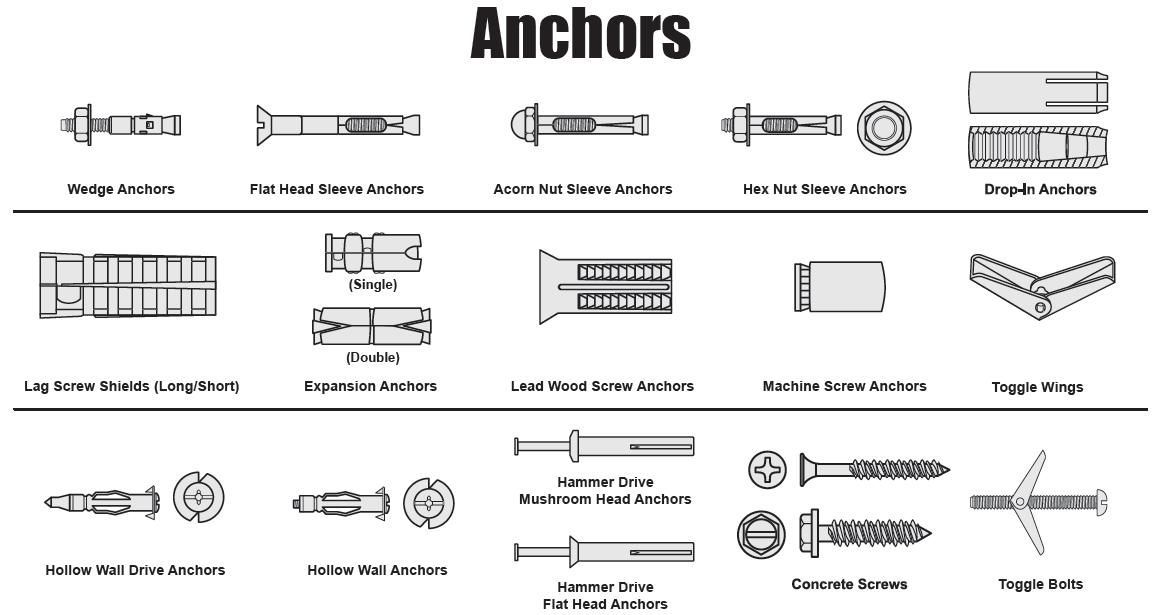
Credit: www.americanfastener.com
Specialty Fasteners
Specialty fasteners serve unique purposes beyond standard screws and bolts. They fit specific needs in industries like automotive, electronics, and construction. These fasteners offer quick assembly, strong holding power, or easy release. Understanding their types helps in choosing the right fastener for your project.
Snap Fits
Snap fits are plastic or metal connectors that lock parts together. They require no extra tools or hardware. You press parts together until they click into place. This fastener type saves time and costs during assembly. Snap fits are common in consumer electronics and toys.
Toggle Clamps
Toggle clamps hold objects firmly during work or transport. They use a lever and pivot system to create strong pressure. These clamps lock in place and release quickly. Toggle clamps are ideal for welding, woodworking, and machining tasks.
Expansion Anchors
Expansion anchors secure objects to concrete or masonry walls. They expand inside holes to grip tightly. These fasteners support heavy loads and resist vibration. Expansion anchors are used for mounting shelves, railings, and machinery.
Choosing The Right Fastener
Choosing the right fastener is crucial for any project. Fasteners hold parts together securely. Using the wrong type can cause failure. It is important to consider several factors to select the best fastener for your needs.
Material Compatibility
Fasteners must match the materials they join. Metal fasteners work well with metal parts. Wood screws are ideal for wooden pieces. Incompatible materials can cause corrosion or damage. Check if the fastener material reacts with the base materials.
Load And Strength Requirements
Consider the weight and force on the fastener. Heavy loads need stronger fasteners like bolts. Light loads can use nails or screws. Know the maximum stress the fastener must handle. This prevents loosening or breaking under pressure.
Environmental Factors
Think about where the fastener will be used. Outdoor fasteners need to resist rust and weather. Choose stainless steel or coated fasteners for moisture. Indoor fasteners can be less resistant. Extreme temperatures may affect fastener performance.
Frequently Asked Questions
What Are The Main Types Of Fastening Methods?
Fastening methods include mechanical, adhesive, and welding types. Mechanical fasteners use screws, bolts, and nails. Adhesive fasteners rely on glues and tapes. Welding fuses materials together. Each type suits different materials and applications, ensuring secure joints in various industries.
How Do Mechanical Fasteners Work In Fastening?
Mechanical fasteners join materials by physical force. They include screws, bolts, nuts, and rivets. These fasteners create strong, removable connections. They are ideal for metal, wood, and plastic. Mechanical fasteners allow easy disassembly and reassembly, making them versatile in construction and manufacturing.
What Is The Role Of Adhesive Fastening?
Adhesive fastening uses glue or tape to bond surfaces. It works well for materials sensitive to heat or pressure. Adhesives provide uniform stress distribution and can seal joints. This method is popular in automotive, electronics, and packaging industries for lightweight and flexible bonds.
When Is Welding Used For Fastening?
Welding fuses two materials by melting their surfaces. It is used mainly for metals and thermoplastics. Welding creates permanent, strong joints ideal for heavy-duty applications. It is common in construction, automotive, and manufacturing where durability is critical.
Conclusion
Fastening types vary widely to suit different needs. Nails, screws, bolts, and rivets each hold materials firmly. Choosing the right fastening depends on the project and materials. Simple fasteners work well for light tasks. Stronger fasteners suit heavy or load-bearing work.
Understanding these types helps you pick the best option. This knowledge makes your work easier and safer. Keep exploring different fasteners for better results. The right choice saves time and effort every time.


