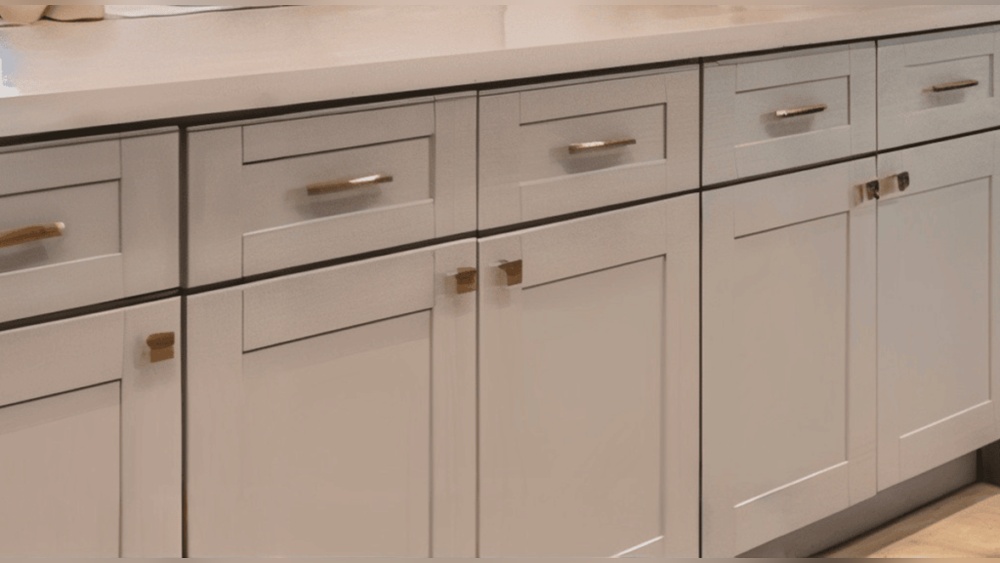
Are you ready to upgrade your cabinets with new hardware but worried about the challenges you might face? Installing your own cabinet hardware sounds simple, but it often comes with unexpected problems that can turn a quick project into a frustrating experience.
From misaligned handles to stripped screws, these common issues can waste your time and test your patience. You’ll discover the most frequent problems people encounter and how to avoid them, so your cabinet upgrade goes smoothly and looks professional. Keep reading to make sure your DIY project is a success from start to finish.
Common Installation Challenges
Installing your own cabinet hardware can be tricky. Many people face common problems that slow down the process. Knowing these challenges helps you prepare better and avoid mistakes.
Small errors can lead to big frustrations. Let’s explore some of the usual issues that happen during installation.
Misaligned Hardware
Misaligned hardware is a frequent problem. Handles or knobs may not line up evenly. This creates an unbalanced look that bothers the eye. Even a small misplacement is very noticeable. Careful measuring and marking can prevent this issue.
Incorrect Drill Hole Placement
Drilling holes in the wrong spot causes trouble. Misplaced holes can ruin the cabinet surface. They make it hard to attach hardware properly. Using a template or guide helps keep holes in the right place. Double-check measurements before drilling.
Loose Or Wobbly Fixtures
Loose hardware feels unstable and looks unprofessional. Screws that are too short or not tight enough cause this. Over time, loose fixtures may fall off. Tighten screws firmly but avoid stripping them. Proper tools and care ensure solid hardware.
Tools And Materials Issues
Installing your own cabinet hardware can feel simple at first. Tools and materials play a big role in how well the job goes. Problems start when the wrong tools or poor materials are used. These issues can cause delays, damage, or a bad fit. Understanding common tool and material problems helps avoid mistakes. This section covers key issues that often happen during installation.
Using The Wrong Tools
Using the wrong tools can ruin your work. A screwdriver that does not fit screws may strip them. Power drills without proper bits can crack wood or damage hardware. Wrong tools make the job harder and slower. It also increases chances of injury. Always use tools made for cabinet hardware installation.
Low-quality Hardware Problems
Low-quality hardware breaks easily. Cheap knobs or handles may not fit well or last long. Screws from poor brands can strip or rust quickly. These parts can ruin the look and function of cabinets. Investing in better hardware saves time and money later. Quality hardware fits better and stays strong.
Inadequate Measuring Equipment
Measuring tools must be accurate for good results. Rulers or tape measures with worn markings cause errors. Wrong measurements lead to holes in the wrong spots. This makes installation messy and wastes hardware. Use clear, precise measuring tools. Double-check measurements before drilling or fixing hardware.
Cabinet Surface Concerns
Installing your own cabinet hardware can be tricky because of cabinet surface concerns. The surface type and condition affect how well the hardware fits and lasts. Small mistakes can cause damage or poor results. Knowing about these issues helps you avoid problems and get better results.
Damaging Cabinet Finish
Drilling holes can chip or scratch the cabinet finish. Scratches and dents spoil the look and reduce cabinet value. Using the wrong tools or too much pressure causes damage. Protect the surface with tape before drilling. Use a sharp drill bit to make clean holes. Take care to prevent costly mistakes.
Dealing With Veneer And Laminate
Veneer and laminate surfaces are thin and fragile. These materials can peel or crack if handled roughly. Drilling holes requires extra caution to avoid breaking the top layer. Use a low drill speed and steady pressure. Clamp the cabinet door to stop movement. Small errors can ruin the entire surface.
Uneven Or Warped Surfaces
Uneven or warped cabinet surfaces make hardware installation hard. Screws may not hold well or hardware may not sit flat. This causes handles and knobs to wobble or stick out. Check the surface before starting. Sand down bumps or fill gaps to create a flat area. This step ensures secure and neat hardware fitting.

Credit: www.amazon.com
Design And Style Mistakes
Design and style mistakes can spoil the look of your cabinets. Choosing the wrong hardware affects the entire room. Small errors can make big differences in appearance and function. Paying attention to design details helps avoid these common problems.
Choosing Incompatible Hardware
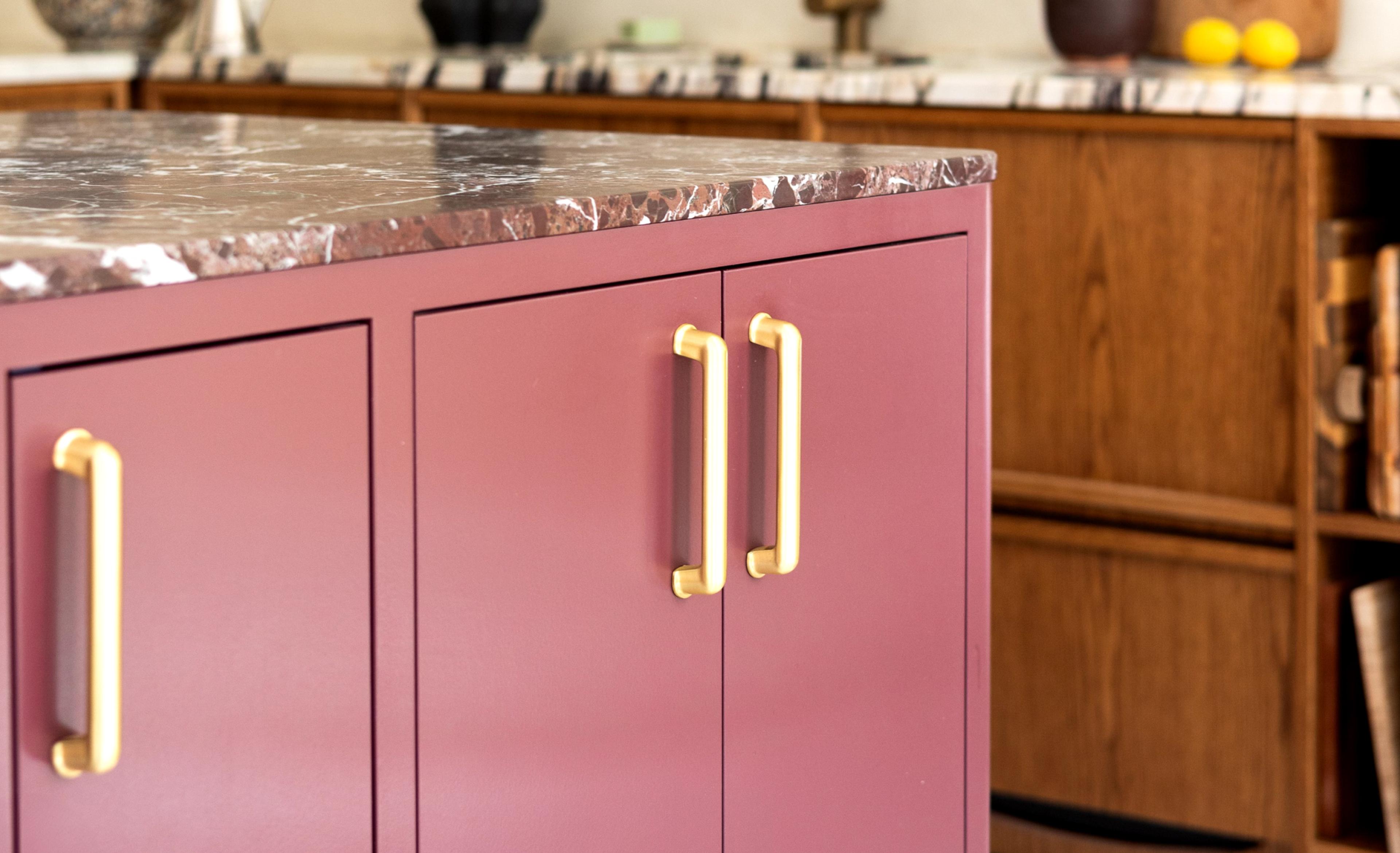
Hardware must match the cabinet material and style. Using modern handles on vintage cabinets can look odd. Size matters too. Too big or too small hardware disrupts the cabinet’s balance. Choose hardware that fits both the cabinet and room style.
Ignoring Ergonomics
Hardware should be easy to use. Handles placed too high or low cause discomfort. Sharp edges or awkward shapes make opening cabinets hard. Test hardware before installing to ensure comfort and ease. Good design includes both looks and function.
Overlooking Aesthetic Balance
Hardware should complement other room elements. Mixing too many styles creates a cluttered look. Match hardware finish with other fixtures for harmony. Consistency helps the space feel calm and put together. Balance keeps your cabinets attractive and stylish.
Tips To Avoid Installation Pitfalls
Installing your own cabinet hardware can be tricky. Small mistakes cause big problems. Avoid common pitfalls by following simple tips. These tips save time and money. They make sure your hardware fits and works well.
Careful preparation and checking details help a lot. Also, using instructions from the manufacturer ensures the right steps. Let’s explore key tips to make your installation smooth.
Preparing Before Installation
Clear your workspace before starting. Gather all tools and hardware in one place. Read through the entire project plan. Check for any damaged parts or missing items. Take your time to understand the steps.
Double-checking Measurements
Measure twice, drill once. Mark the exact spot for screws and handles. Use a ruler or measuring tape carefully. Confirm measurements align with cabinet design. Mistakes in measuring lead to holes in the wrong place.
Following Manufacturer Guidelines
Read the instructions included with your hardware. Follow each step exactly as shown. Use the recommended tools and screws. Don’t guess or skip steps. Manufacturer guidelines ensure the hardware fits and lasts.
Credit: schoolhouse.com
Credit: www.jennasuedesign.com
Frequently Asked Questions
What Are Common Issues When Installing Cabinet Hardware?
Common issues include misaligned holes, wrong screw sizes, and damaged cabinet surfaces. These mistakes cause poor fit and uneven hardware placement, affecting function and aesthetics.
How To Avoid Hardware Misalignment On Cabinets?
Use a template or jig to mark drill spots accurately. Measure twice, drill once. This ensures even spacing and proper alignment, improving the cabinet’s look and usability.
Why Does Cabinet Hardware Become Loose Quickly?
Loose hardware often results from using incorrect screws or over-tightening. Proper screw length and moderate tightening prevent stripping and maintain a secure fit over time.
Can Diy Cabinet Hardware Installation Damage Cabinets?
Yes, improper drilling or forcing hardware can cause scratches, cracks, or holes. Taking time, using correct tools, and following instructions minimize damage risks during installation.
Conclusion
Installing your own cabinet hardware can bring challenges and mistakes. Measuring wrong or using poor tools can cause damage. Taking time and being careful helps avoid these issues. Planning each step makes the process smoother. Learning from small errors will improve your skills.
Small problems do not ruin the whole project. Enjoy the satisfaction of completing the work yourself. Patience and attention lead to better results every time.