Are you staring at your kitchen cabinets, wondering what size hardware will fit just right? Choosing the perfect size for your cabinet knobs and pulls can change the whole look and feel of your kitchen.
But with so many options out there, how do you know what will work best for your space? This guide will help you find the ideal size that matches your cabinets perfectly, making your kitchen both stylish and easy to use.
Keep reading, and you’ll discover simple tips to make the right choice without any guesswork.
Choosing Cabinet Hardware Sizes
Choosing the right size for your kitchen cabinet hardware is important. The size affects both function and style. Small hardware may look delicate but can be hard to use. Large hardware is easier to grip but might overwhelm small cabinets. The goal is to find a balance that fits your kitchen’s look and your daily needs.
Types Of Cabinet Hardware
Cabinet hardware mainly includes knobs, pulls, and handles. Knobs are small and round, often used on drawers or cabinet doors. Pulls and handles are longer and help open larger doors or drawers easily. Some pulls have a simple bar design, while others feature more decorative shapes. The type you choose will affect the size needed for comfort and style.
Common Hardware Sizes
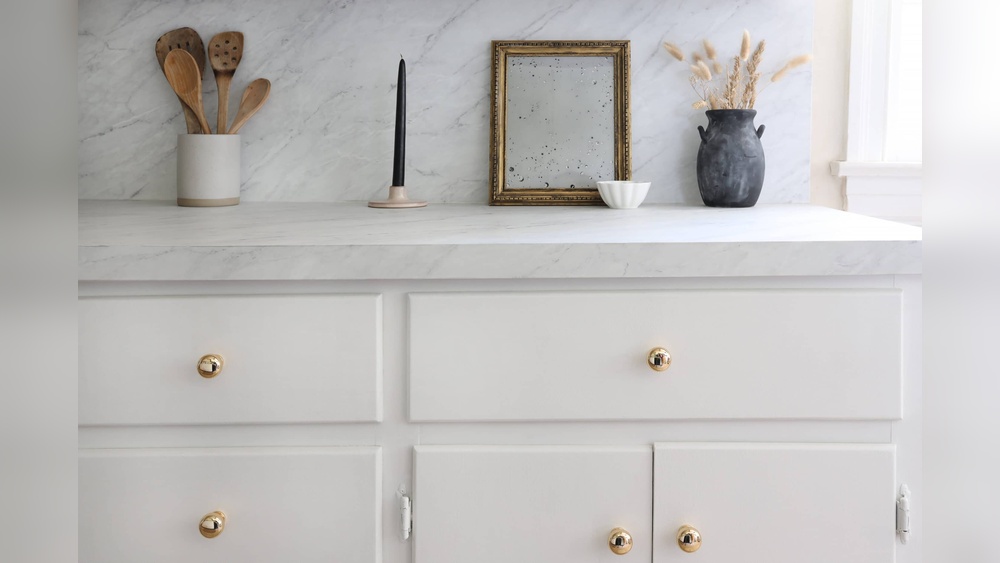
Knobs usually measure about 1 to 1.5 inches in diameter. Pulls vary more, typically from 3 to 5 inches long. The size depends on the cabinet door or drawer width. For narrow drawers, smaller pulls work best. Wider doors can handle bigger hardware for better grip. Measuring your cabinets before buying hardware helps ensure the best fit.

Credit: ccom.cat
Measuring For Hardware
Measuring for hardware is the first step to choose the right size for your kitchen cabinets. Accurate measurements ensure the handles or knobs fit well and look balanced. Taking careful measurements avoids mistakes and extra costs. This section explains how to measure cabinet doors and drawers correctly.
Measuring Cabinet Doors
Start by measuring the width and height of the cabinet door. Use a tape measure and note down the numbers in inches or centimeters. Next, decide where you want to place the hardware. Usually, handles go about two to three inches from the edge. Mark this spot lightly with a pencil. Measure the distance between screw holes on your current hardware. This helps find a replacement that fits perfectly. If you have no hardware yet, measure the door size to choose the right handle length. Larger doors often look better with longer handles.
Measuring Drawers
Measure the drawer front’s width and height first. Use a flat tape measure for accuracy. Decide on the hardware position. Handles typically go centered horizontally and vertically. For knobs, pick the center point or the corner, depending on style. Measure the screw hole distance if replacing existing hardware. Note if the drawer is shallow or deep, as this affects handle size choice. Drawers often need smaller handles than cabinet doors to keep a balanced look.
Matching Hardware To Cabinet Style
Choosing the right hardware size depends on your cabinet style. Hardware must match the look of your cabinets. The right size and design make cabinets look complete and neat. Small details like handles and knobs change the kitchen’s feel. Consider the style of your cabinets before picking hardware.
Modern Cabinets
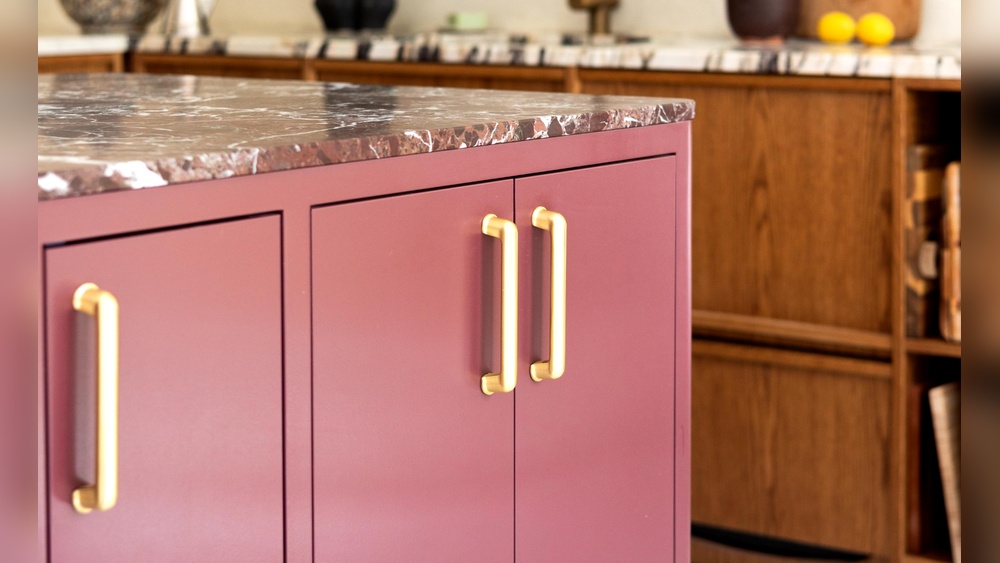
Modern cabinets usually have clean lines and flat surfaces. Slim, long handles work well with this style. Choose hardware that is simple and straight. Avoid bulky or ornate pieces. Metals like stainless steel or matte black fit perfectly. Keep sizes medium to large for easy use. This look favors minimalism and function.
Traditional Cabinets
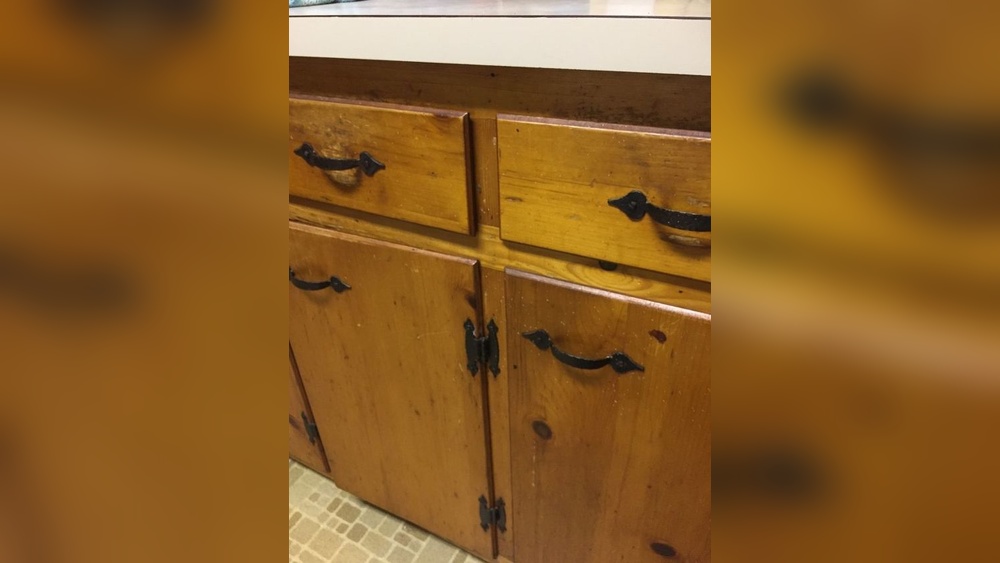
Traditional cabinets have more details and curves. Round knobs and decorative handles suit this style. Look for hardware with classic shapes and finishes like bronze or brass. Smaller sizes often look best here. The hardware should feel warm and inviting. It adds charm to carved wood and raised panels.
Transitional Cabinets
Transitional cabinets blend modern and traditional elements. Hardware should balance both styles. Choose pieces with simple shapes but warm finishes. Satin nickel or brushed chrome work well. Medium-sized hardware fits best. This style calls for versatility and subtle elegance. Hardware acts as a bridge between old and new.
Credit: www.handlesandmore.ca
Hardware Placement Tips
Choosing the right size for your kitchen cabinet hardware is only part of the process. Proper placement makes a big difference in how your cabinets look and feel. Good hardware placement helps you open doors and drawers easily. It also gives your kitchen a neat and balanced look.
Optimal Handle Placement
Place handles where your hand naturally grabs. For drawers, install handles in the center of the drawer front. On cabinet doors, put handles near the edge opposite the hinges. This position offers the best grip and ease of use.
Standard handle height is about 2 to 3 inches from the bottom or top edge. Keep handles consistent in height across all cabinets. This consistency creates a clean and organized appearance.
Knob Positioning
Knobs need less space than handles but require careful placement. Place knobs 2 to 3 inches from the corner of the door. For drawers, center the knob horizontally and vertically.
For tall cabinets, place knobs slightly higher for easier reach. Make sure all knobs align evenly for a polished look. Proper knob placement balances function and style well.
Materials And Finishes
Choosing the right materials and finishes for kitchen cabinet hardware matters a lot. These elements affect the look and feel of your kitchen. They also influence how long your hardware will last. Picking durable materials and appealing finishes can make your kitchen both stylish and functional.
Popular Hardware Materials
Metal is the most common material for cabinet hardware. It offers strength and a clean look. Brass is popular for its warm, golden color. Stainless steel resists rust and suits modern kitchens well. Zinc alloy is affordable and can mimic more expensive metals. Wood hardware adds a natural, cozy touch. Each material has unique qualities that fit different kitchen styles.
Finish Options
Hardware finishes protect against wear and tear. Satin nickel has a soft shine and hides fingerprints. Chrome is bright and easy to clean. Oil-rubbed bronze gives a dark, vintage look. Matte black creates a bold, modern statement. Brushed finishes hide scratches better than shiny ones. Choosing the right finish helps maintain your kitchen’s beauty over time.
Buying And Installing Hardware
Buying and installing kitchen cabinet hardware can change the look of your kitchen. Choosing the right size and style is important for both function and design. This section explains where to buy quality hardware and how to install it easily.
Where To Buy
Hardware is available in many stores. Home improvement shops offer a wide range of handles and knobs. Online stores provide more choices and customer reviews. Check the size and style before buying. Pick hardware that matches your cabinets and kitchen design.
Installation Tools And Tips
Gather simple tools like a drill, screwdriver, measuring tape, and pencil. Measure carefully to ensure holes align with your cabinet doors and drawers. Mark the spot before drilling. Drill slowly to avoid cracks. Tighten screws firmly but do not overtighten. Test the hardware to make sure it works well.
Troubleshooting Hardware Issues
Troubleshooting kitchen cabinet hardware issues can save time and money. Fixing small problems early keeps your cabinets working well. Knowing common problems helps you spot issues fast. Simple fixes can restore function without replacing all hardware.
Common Problems
Hardware can loosen over time from regular use. Screws may fall out or become stripped. Handles and knobs might tilt or shift. Hinges can squeak or not close smoothly. Sometimes hardware size doesn’t fit well. This causes poor alignment or weak hold.
Fixing Loose Or Misaligned Hardware
Start by tightening screws with a screwdriver. Use a drill carefully if screws are stuck. Replace stripped screws with slightly larger ones. Add a small wood filler if holes are too big. For misaligned handles, loosen screws, adjust position, then retighten. Hinges may need oil or replacement if stiff. Test hardware after fixing to ensure proper fit.
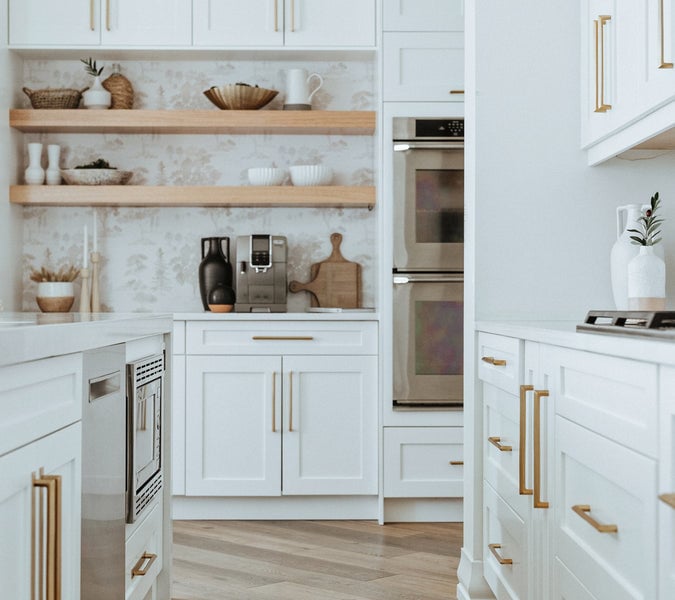
Credit: www.handlesandmore.ca
Frequently Asked Questions
What Size Cabinet Hardware Fits Standard Kitchen Drawers?
Standard kitchen drawers usually require hardware between 3 to 4 inches. This size offers a comfortable grip and suits most drawer styles. Choosing the right size ensures ease of use and aesthetic balance in your kitchen design.
How To Measure Kitchen Cabinet Hardware Correctly?
Measure the distance between the screw holes on your cabinet door or drawer front. This measurement is called the center-to-center distance. It determines the correct pull or knob size for your kitchen cabinets.
Does Cabinet Hardware Size Affect Kitchen Style?
Yes, hardware size impacts kitchen style. Larger handles suit modern kitchens, while smaller knobs fit traditional designs. Choosing the right size enhances your kitchen’s overall look and feel.
Can I Mix Different Sizes Of Cabinet Hardware?
Mixing sizes is possible but should be done carefully. Keep consistency in style and proportion to maintain a cohesive kitchen look. It’s best to match hardware sizes within similar cabinet groups.
Conclusion
Choosing the right size for kitchen cabinet hardware makes a big difference. It helps your kitchen look neat and work well. Small cabinets need smaller handles; big drawers need bigger ones. Keep your kitchen style and comfort in mind. Measure before you buy to avoid mistakes.
The right hardware fits your space and your needs. This way, your kitchen feels organized and easy to use every day. Simple steps lead to a better kitchen look and feel.