Are you struggling to keep your papers neat and organized? A fastener folder might be the simple tool you need.
Using one can save you time, protect your documents, and make your work look professional. You’ll learn exactly how to use a fastener folder step-by-step. By the end, you’ll feel confident handling your important papers like a pro. Keep reading to discover tips that will make your paperwork hassle-free and impress anyone who sees your files.
Choosing The Right Fastener Folder
Choosing the right fastener folder is key for efficient document organization. The right folder saves time and keeps papers secure. Understanding the types, materials, and size helps pick the best one for your needs.
Types Of Fastener Folders
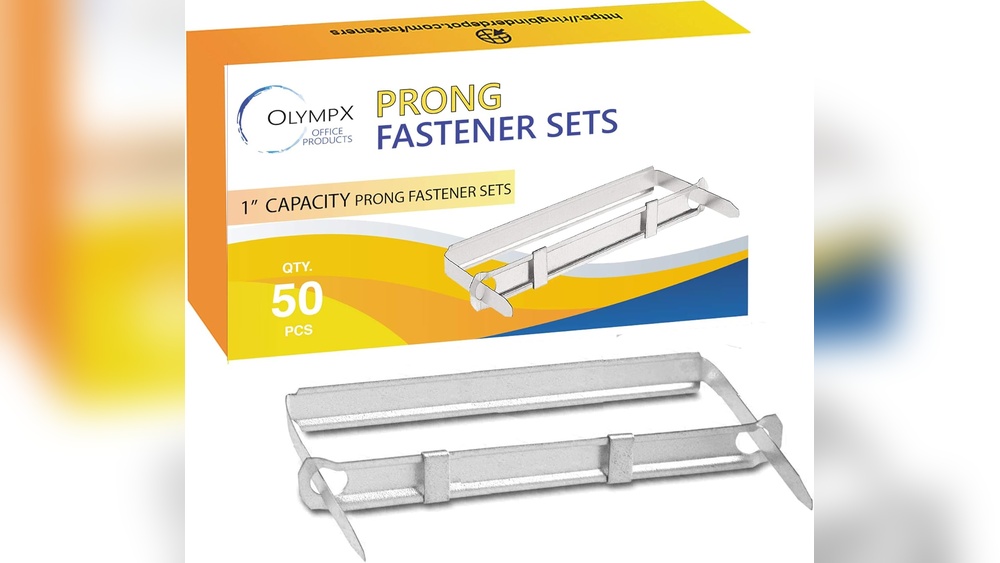
There are several types of fastener folders. Some have metal prongs to hold papers tightly. Others use plastic clips that are easy to open and close. Some folders have built-in pockets for extra storage. Choose a type that fits how you work.
Materials And Durability
Fastener folders come in different materials. Plastic folders resist water and last longer. Paper folders are lighter but can tear easily. Cardboard folders are strong but may get damaged by moisture. Pick a material that matches your environment and use.
Size And Capacity Considerations
Fastener folders come in various sizes. Some hold a few sheets, others store hundreds. Check the folder’s capacity before buying. Make sure it fits your documents without bending or tearing. A right-sized folder keeps papers neat and easy to find.
Setting Up Your Fastener Folder
Setting up your fastener folder correctly saves time and keeps documents safe. A well-organized folder helps you find papers quickly. Start by preparing the folder and sorting your documents.
Inserting Fasteners Correctly
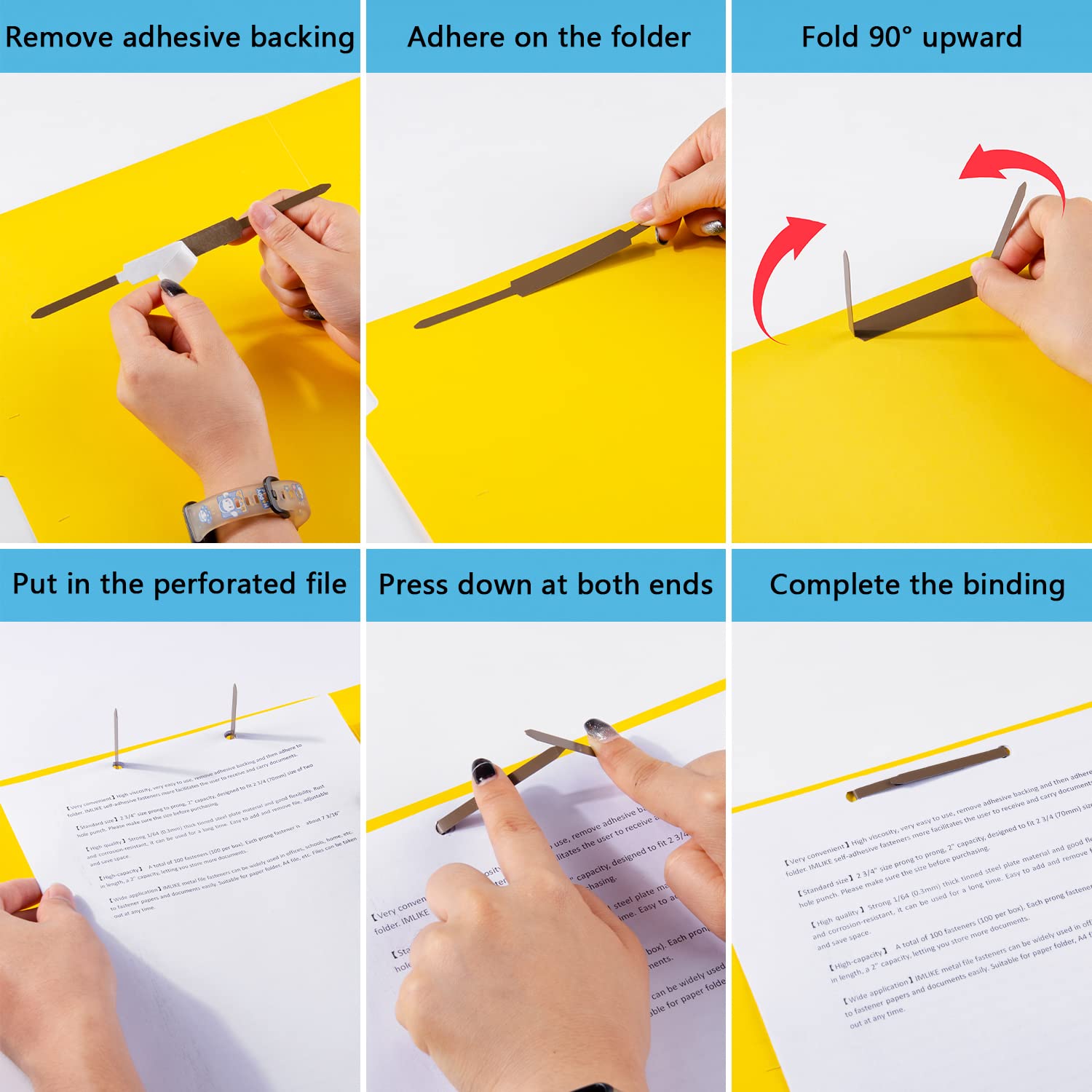
Open the fastener carefully. Place the papers evenly on the prongs. Avoid overloading the fastener to prevent damage. Close the prongs securely to hold papers tight. Check that no pages slip out easily.
Organizing By Document Type
Group similar papers together by type. Use separate sections for bills, contracts, or reports. Keep important documents at the front for easy reach. This method reduces time spent searching for papers.
Labeling For Quick Access
Use clear labels on each section or folder tab. Write short, simple titles that describe the contents. Labels help you identify documents without opening the folder. Update labels regularly to match your filing system.
Tips For Efficient Organization
Organizing a fastener folder can save time and reduce stress. Efficient methods help find items quickly. Simple habits keep your folder neat and useful. Follow these tips to stay organized and save effort.
Color Coding Strategies
Assign colors to different fastener types or sizes. Use colored labels or folders for quick ID. This method makes searching faster and easier. Consistent color use avoids confusion and mix-ups. Choose bright colors for better visibility.
Using Dividers And Tabs
Insert dividers to separate categories within the folder. Label tabs clearly for quick access to sections. This keeps small items from mixing together. Tabs allow easy flipping through the folder. Use sturdy dividers to prevent bending or tearing.
Maintaining Order Over Time
Review your folder regularly to keep it tidy. Remove unused or broken fasteners promptly. Replace worn labels and tabs for clarity. Set a schedule to check your folder weekly or monthly. Consistent care ensures long-term organization.
Credit: www.amazon.sa
Common Mistakes To Avoid
Using a fastener folder seems easy but mistakes can cause problems. Knowing what to avoid helps keep documents neat and safe. Here are common errors to watch out for.
Overstuffing The Folder
Putting too many papers inside can damage the folder. It makes closing hard and can tear the fasteners. Keep the folder light to protect your documents.
Ignoring Document Size
Using the wrong folder size causes bending or folding of papers. Match the folder size with your documents for a clean fit. This prevents damage and keeps papers flat.
Improper Fastener Use
Fasteners must be used carefully to hold papers well. Do not force the fasteners or skip closing them. Proper use keeps papers secure and easy to flip through.
Cleaning And Maintaining Fastener Folders
Cleaning and maintaining fastener folders helps keep them working well. Dirt and dust can cause jams and wear. Regular care extends the life of your folder. This saves money and prevents frustration during use.
Regular Cleaning Tips
Wipe the fastener folder with a soft cloth after each use. Remove any paper scraps stuck inside. Use a small brush to clean tight spots. Avoid using water or harsh chemicals on the folder. Keep the folder dry to prevent rust.
Repairing Damaged Fasteners
Check the fasteners for bends or breaks before use. Straighten bent fasteners carefully with pliers. Replace fasteners that are broken or missing. Using damaged fasteners can cause jams or poor binding. Keep spare fasteners handy for quick repairs.
Storage Best Practices
Store the fastener folder in a dry, cool place. Avoid stacking heavy items on top. Keep it in a protective case or box. This prevents dust buildup and physical damage. Proper storage ensures the folder stays ready for use.

Credit: www.youtube.com
Alternative Uses For Fastener Folders
Fastener folders are not just for standard paperwork. They offer many creative uses beyond simple filing. You can adapt them for various tasks to keep things neat and easy to find. Their design makes them perfect for organizing different types of materials quickly.
Creative Filing Solutions
Use fastener folders to store receipts or coupons by category. Sort bills or warranties for quick access. You can keep craft supplies like stickers or small papers inside. This method keeps your workspace tidy and saves time searching for items.
Portable Document Kits
Fastener folders make excellent portable kits. Carry important documents for meetings or appointments. Add notes, schedules, or forms you might need on the go. Their lightweight design fits easily in bags or briefcases.
Project-specific Organization
Assign one folder per project to keep all details in one place. Store plans, drafts, and reference sheets together. This approach helps track progress and avoids mixing papers. It makes project management simpler and more efficient.

Credit: www.youtube.com
Frequently Asked Questions
What Is A Fastener Folder Used For?
A fastener folder folds and organizes fasteners neatly. It ensures uniformity and improves presentation in packaging or crafts. This tool saves time and enhances efficiency in handling fasteners.
How Do You Operate A Fastener Folder?
To operate, place the fastener in the folder’s slot. Press the folder to fold the fastener edges evenly. Release and remove the folded fastener carefully for best results.
Can A Fastener Folder Handle Different Fastener Sizes?
Yes, many fastener folders support multiple sizes. Adjustable settings allow folding various fasteners accurately. Always check the folder’s specifications before use for compatibility.
Why Should I Use A Fastener Folder Regularly?
Regular use ensures consistent fastener folds, improving product appearance. It reduces manual effort and speeds up processing time. This consistency boosts overall productivity and quality.
Conclusion
Using a fastener folder can save time and keep papers neat. It helps you organize documents quickly and easily. Practice a few times to get comfortable with the tool. Choose the right fastener for your folder type. Keep your workspace clean for better results.
A fastener folder is a simple tool that makes work smoother. Try it today and see the difference in your organization.