When you’re working with cedar, choosing the right fasteners can make all the difference. The wrong nails or screws can cause stains, rust, or even weaken your project over time.
You want your cedar to look great and last for years, right? You’ll discover exactly which fasteners work best with cedar wood. By the end, you’ll feel confident picking the perfect fasteners that protect your investment and keep your project strong.
Keep reading to learn the secrets that pros use every day.
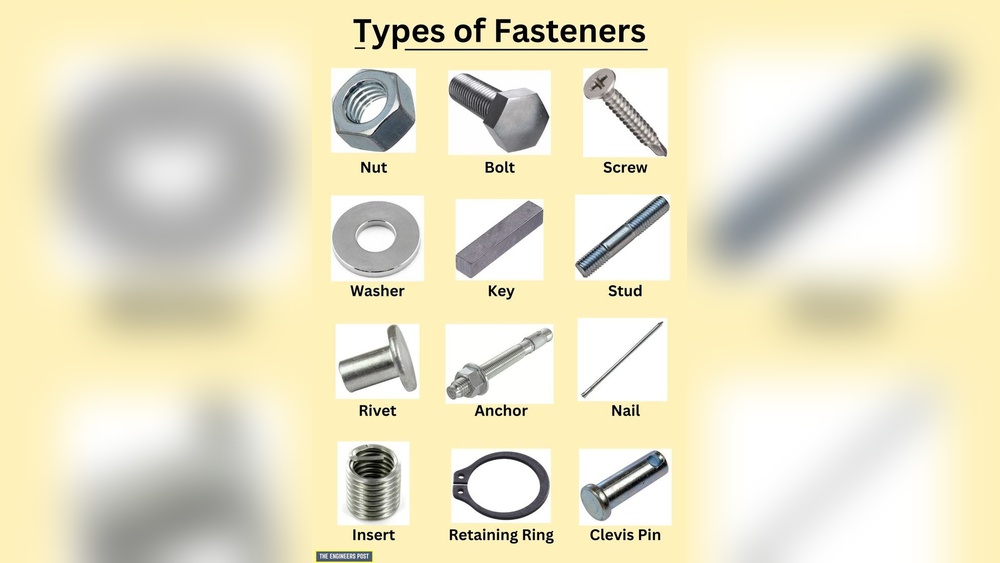
Types Of Fasteners For Cedar
Choosing the right fasteners is important for working with cedar wood. Cedar is soft and contains natural oils. These oils can react with some metals, causing stains or corrosion. Picking the right fastener helps keep your project strong and looking good for years.
Nails Suitable For Cedar
Galvanized nails are a good choice for cedar. They resist rust and hold well in soft wood. Stainless steel nails work even better. They do not rust or stain the wood. Avoid using plain steel nails. They can cause dark spots and weaken over time.
Screws Ideal For Cedar Projects
Use stainless steel or coated screws for cedar. These screws resist corrosion and last longer. Screws with sharp threads work best. They grip the wood without splitting it. Pre-drilling holes can prevent cracking in cedar. It makes driving screws easier and safer.
Specialty Fasteners
Some projects need special fasteners like ring shank nails. They hold better in soft cedar wood. Hidden fasteners are useful for decks and siding. They keep the surface smooth and clean. Copper fasteners also work well. Copper resists corrosion and matches cedar’s color nicely.
Credit: sbccedar.com
Materials That Resist Cedar’s Acidity
Cedar wood has natural acids that can cause rust and damage to fasteners. Choosing the right materials is important for long-lasting projects. Fasteners must resist cedar’s acidity to avoid corrosion and stains. This keeps the wood looking good and the structure strong.
Stainless Steel Benefits
Stainless steel fasteners resist rust and corrosion well. They do not react with cedar’s acids. This makes them ideal for outdoor use and wet conditions. Stainless steel lasts longer and keeps the wood clean. It is strong and holds pieces tightly together. The initial cost is higher but pays off over time.
Hot-dipped Galvanized Options
Hot-dipped galvanized fasteners have a thick zinc coating. This layer protects metal from cedar’s acidic effects. They are less expensive than stainless steel. These fasteners suit many outdoor projects. Zinc coating slowly wears off but still offers good protection. Use them where budget matters but durability is needed.
Coated Fasteners
Coated fasteners have special layers for extra protection. These coatings stop rust and resist cedar’s acids. Some coatings include epoxy or ceramic finishes. Coated fasteners are often cheaper than stainless steel. They work well for decks and fences. Choosing the right coating extends fastener life and keeps wood safe.
Choosing Fastener Size And Length
Choosing the right fastener size and length is key for working with cedar wood. Fasteners hold pieces together firmly and keep the wood safe. Using the correct size helps the fastener fit properly and supports the wood’s strength. The length should be enough to go through the cedar and secure it without causing damage.
Matching Thickness And Load
Select fasteners that match the thickness of the cedar pieces. Thicker wood needs longer fasteners to hold well. The load the joint will carry matters too. Heavy loads require strong, longer fasteners for safety. Short fasteners may fail under pressure. Choose size based on the cedar’s thickness and the weight it must bear.
Avoiding Wood Splitting
Using too long or thick fasteners can split cedar wood. Start with smaller pilot holes before driving fasteners in. This reduces pressure and prevents cracks. Choose fasteners with smooth shanks to avoid tearing the wood. Avoid oversized fasteners that push the wood apart. Correct size and careful installation protect cedar from splitting.

Credit: bearcreeklumber.com
Fastener Finishes And Coatings
Choosing the right fastener finishes and coatings is important for cedar projects. The finish protects the fasteners from damage and extends their life. It also affects how well the fasteners blend with the wood. Understanding finishes helps pick the best option for durability and look.
Corrosion Resistance
Cedar wood contains natural oils and acids. These can cause metal fasteners to rust quickly. Fasteners with corrosion-resistant coatings last longer. Stainless steel is a top choice because it does not rust.
Galvanized fasteners have a zinc coating. This layer protects the metal from moisture. Hot-dip galvanized fasteners offer better protection than electro-galvanized types. For outdoor or wet areas, corrosion resistance is key.
Aesthetic Considerations
The finish on fasteners affects the overall look of cedar projects. Some finishes match the wood color better than others. Brass or bronze fasteners add a warm tone that pairs well with cedar.
Clear or light-colored coatings help fasteners blend in. Dark finishes can create contrast, drawing attention to the fasteners. Choose a finish that fits the style and feel of the project.
Installation Tips For Longevity
Using the right fasteners with cedar wood is only half the job. Proper installation greatly increases the lifespan of your project. Small steps during installation prevent wood splitting and fastener failure. Focus on techniques that protect both the cedar and the fasteners.
Pre-drilling Techniques
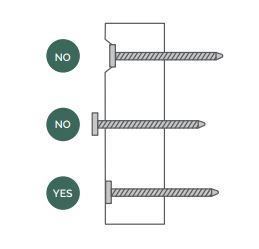
Pre-drilling holes is essential for cedar wood. It helps avoid splitting and cracking. Use a drill bit slightly smaller than the fastener. Drill straight and deep enough to fit the entire fastener. This creates a clean path for the fastener to enter smoothly. Pre-drilling also reduces wood stress and keeps the cedar strong.
Proper Driving Methods
Drive fasteners carefully to protect the wood and fastener. Use a screwdriver or drill with adjustable torque settings. Avoid over-driving, which can crush the wood around the fastener. Stop once the fastener is flush with the surface. Keep the fastener straight to ensure a tight hold. These methods preserve the wood’s integrity and prevent loosening over time.

Credit: www.youtube.com
Common Mistakes To Avoid
Choosing the right fasteners for cedar is key to a strong, lasting project. Mistakes can cause damage and shorten the wood’s life. Avoid common errors to keep your cedar looking great and holding tight.
Using Wrong Materials
Steel fasteners can rust and stain cedar. Avoid using regular steel nails or screws. Use stainless steel or hot-dipped galvanized fasteners. These resist corrosion and protect the wood. Copper fasteners also work well with cedar.
Ignoring Environmental Factors
Consider where the cedar will be used. Outdoor cedar faces rain, sun, and humidity. Choose fasteners that resist these conditions. Indoor projects need less corrosion resistance. Always match fasteners to the environment for best results.
Maintenance For Fastened Cedar Structures
Maintaining fastened cedar structures helps keep them strong and lasting. Cedar wood resists decay, but fasteners can wear out or rust over time. Regular care prevents damage and keeps the structure safe. Checking and fixing fasteners is key to good maintenance.
Inspecting For Rust And Damage
Rust can weaken metal fasteners and harm cedar wood. Look closely at screws, nails, and bolts for rust spots or breaks. Check where fasteners meet the wood for cracks or splits. Early detection stops small problems from growing. Use a flashlight to see hidden areas well.
Replacing And Repairing Fasteners
Replace rusty or broken fasteners as soon as you find them. Use stainless steel or coated fasteners made for cedar. These resist rust and hold better. Remove damaged fasteners carefully to avoid wood damage. Tighten loose fasteners to keep parts secure and stable. Repairing fasteners keeps cedar structures strong and safe.
Frequently Asked Questions
What Type Of Fasteners Work Best With Cedar Wood?
Stainless steel and coated screws resist cedar’s natural acids. They prevent rust and corrosion, ensuring long-lasting durability. Avoid plain steel fasteners as they can stain the wood. Choose fasteners designed for outdoor use to maintain cedar’s appearance and strength.
Can I Use Galvanized Nails With Cedar?
Yes, but stainless steel is preferred. Galvanized nails resist rust but may corrode over time with cedar’s tannins. Stainless steel nails offer better protection and avoid staining. For outdoor or high-moisture projects, stainless steel fasteners provide the best results.
Why Avoid Regular Steel Fasteners With Cedar?
Regular steel fasteners react with cedar’s natural oils, causing rust and stains. This reaction can damage the wood’s appearance and weaken the joint. Using corrosion-resistant fasteners like stainless steel or coated screws prevents these issues and prolongs the life of cedar projects.
Are Stainless Steel Screws Necessary For Cedar Decks?
Yes, stainless steel screws prevent rust and staining on cedar decks. Cedar’s natural tannins react with less resistant metals, causing corrosion. Stainless steel offers strength and durability, ensuring your deck stays secure and visually appealing over time.
Conclusion
Choosing the right fasteners keeps cedar strong and lasting. Stainless steel and coated screws resist rust and damage. Avoid nails that can split or stain the wood. Match fasteners to the outdoor or indoor use of cedar. This care makes your project look good and hold well.
Simple choices lead to better results and less worry. Remember, good fasteners protect the beauty of cedar wood.