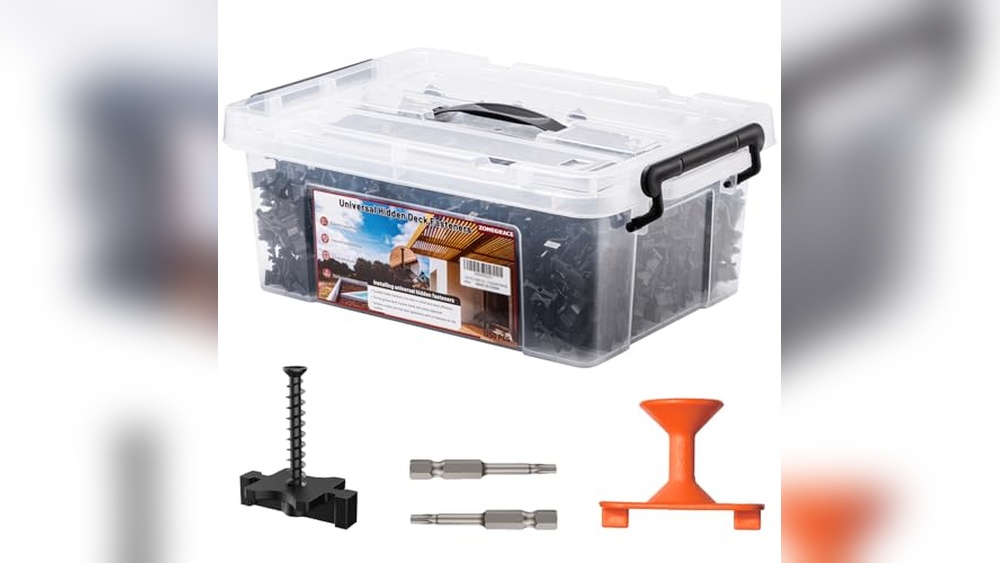
When you build a deck, the last thing you want is to see ugly fasteners ruining the smooth, clean look of your wood. You want your deck to look polished and seamless, like it’s made to impress.
But those screws and nails? They can be a real eyesore if not hidden properly. Imagine stepping onto your deck, feeling proud of the flawless surface beneath your feet—no visible fasteners, just beautiful wood. In this guide, you’ll discover simple, effective ways to hide fasteners and make your deck look professional.
Keep reading, and you’ll learn tricks that save you time, boost your deck’s appearance, and even make it safer to walk on. Ready to transform your deck? Let’s dive in.
Credit: www.fastenmaster.com
Choosing The Right Fasteners
Choosing the right fasteners is key to a strong, neat deck. Fasteners hold the wood together and affect the deck’s look and lifespan. Picking the right type helps hide the fasteners better. It also stops rust and wood damage. This guide covers types, materials, and size of fasteners for decks.
Types Of Fasteners For Decks
There are many fasteners for decks. Common ones include screws, nails, and hidden fasteners. Screws give a strong hold and are easy to remove. Nails are cheaper but can loosen over time. Hidden fasteners keep the surface smooth. They fit between deck boards, so no heads show.
Materials And Coatings
Fasteners must resist rust and weather. Stainless steel is strong and will not rust. Galvanized fasteners have a zinc coating to protect metal. Some have ceramic coatings for more durability. Choose materials that last long in wet or salty air. This keeps the deck safe and looking good.
Size And Strength Considerations
Fasteners must be the right size for the wood thickness. Too short fasteners won’t hold well. Too long fasteners can split the wood. Strong fasteners prevent boards from moving or warping. Check the load the deck will hold. Use heavy-duty fasteners for bigger or busy decks.
Credit: armadillodeck.com
Tools For Concealing Fasteners
Hiding fasteners improves the look of any deck. Using the right tools makes this task easier. Fasteners can be hidden without damaging the wood. Choosing the proper tools helps keep the deck safe and strong. Below are some key tools to consider for concealing fasteners effectively.
Hidden Fastener Systems
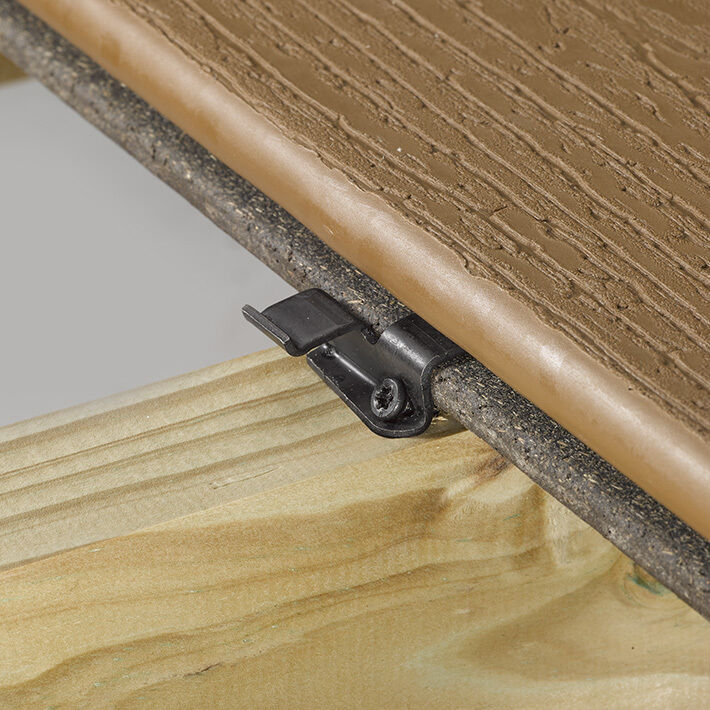
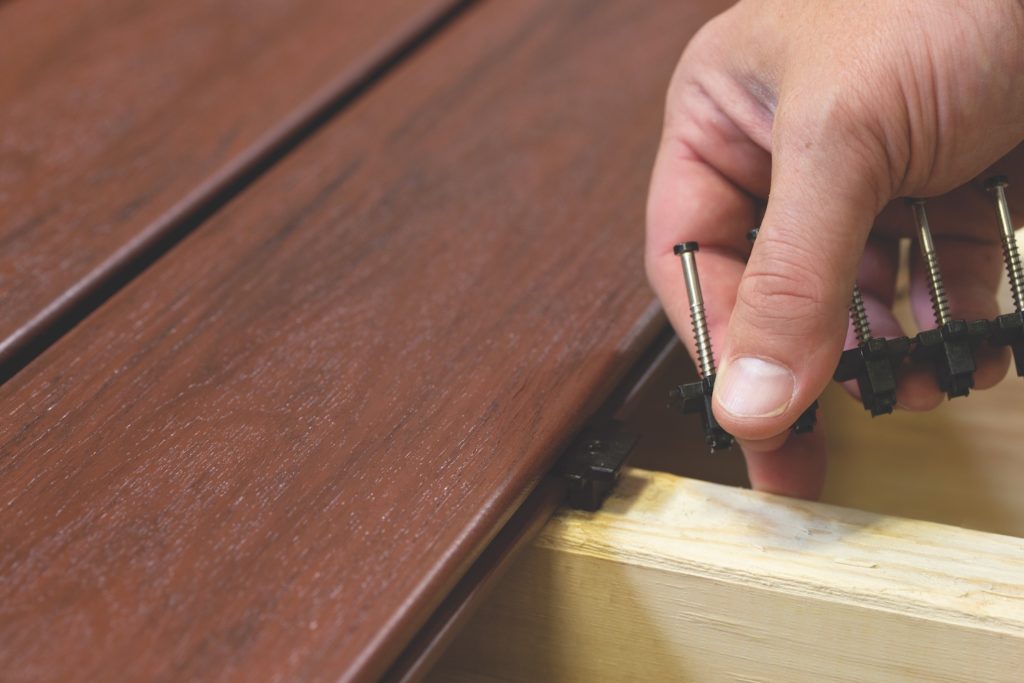
Hidden fastener systems are designed to keep screws out of sight. They attach deck boards without visible screws on top. These systems use clips or brackets that fit between boards. Fasteners secure the clips to the joists beneath. This method offers a clean, smooth surface. It also helps prevent wood splitting near screw holes.
Drills And Countersinks
Drills and countersinks prepare holes for hidden fasteners. A countersink creates a small recess for screw heads. This allows screws to sit flush or below the wood surface. Using a drill with the right bit size ensures precise holes. It reduces wood damage and helps fasteners fit tightly. This simple step improves the deck’s appearance and durability.
Specialized Clips And Brackets
Specialized clips and brackets hold deck boards firmly in place. They are made to fit specific decking materials. These tools hide fasteners between the boards for a smooth finish. Many clips allow for wood expansion and contraction. They prevent boards from warping or shifting over time. Using the right clips ensures a secure and neat deck surface.
Techniques For Fastener Concealment
Hiding fasteners is key to making your deck look neat and clean. Exposed screws or nails can spoil the beauty of the wood. Many techniques help conceal fasteners effectively. These methods keep your deck strong and visually appealing. They also protect the fasteners from weather damage.
Using Pocket Holes
Pocket holes are angled holes drilled into the wood. They let you screw boards together from the side, hiding the fasteners. This method works well for joining deck boards to the frame. Pocket holes keep the top surface smooth and free of screws. You need a special jig to drill these holes properly. The screws go into the pocket hole and stay out of sight.
Installing Hidden Clips
Hidden clips are small metal or plastic pieces. They hold the deck boards in place without visible screws. Clips attach to the side of the boards and the frame. This system allows the boards to expand and contract with weather changes. Hidden clips give a clean look because no screws show on top. They are easy to install and very durable.
Countersinking And Plugging
Countersinking means drilling a small hole so the screw head sits below the wood surface. After that, a wooden plug covers the hole. The plug matches the deck wood, blending perfectly. This technique hides screws while keeping the board firmly attached. It requires precise cutting and gluing of the plug. The result is a smooth, screw-free deck surface.
Deck Design Tips For Fastener Hiding
Hiding fasteners in deck building makes the deck look cleaner and lasts longer. Thoughtful design choices help cover screws and nails. Good planning saves time on fixes later. Use these deck design tips to hide fasteners smartly.
Spacing And Board Orientation
Place deck boards with small gaps between them. This hides fasteners in the seams. Align boards so fasteners fall under overlapping edges. Change board direction for a unique look and fewer visible fasteners. Proper spacing also helps wood expand and contract safely.
Using Composite Decking
Composite decking often has hidden fastener systems. These clips attach boards without visible screws. Use composite boards with groove edges for easy fastener hiding. This method keeps the surface smooth and safe. It also reduces wood damage from exposed nails or screws.
Incorporating Trim And Molding
Add trim along deck edges to cover fasteners. Use molding around steps and corners for a neat finish. Trim hides screw heads and nail spots well. Choose trim pieces that match your deck color and style. This approach improves both deck look and safety.
Maintenance Of Hidden Fasteners
Hidden fasteners keep your deck looking neat and smooth. They protect the wood and add strength. To keep your deck safe and lasting longer, regular care of these fasteners is key. Checking and maintaining hidden fasteners helps stop damage early. It also keeps the deck stable and beautiful for years.
Inspecting For Wear And Damage
Look closely at the deck surface for loose boards or movement. These signs show hidden fasteners might be worn out. Check for rust or discoloration on the boards. Use a screwdriver or tool to test the board’s firmness. Regular inspections catch problems before they grow bigger.
Replacing Concealed Fasteners
Remove damaged fasteners carefully without hurting the wood. Use the right replacement fasteners made for hidden decking systems. Follow the manufacturer’s instructions for installation. Tighten new fasteners firmly to keep boards secure. Replace fasteners one at a time for best results.
Protecting Against Moisture And Rust
Moisture causes rust and weakens fasteners over time. Clean your deck often to remove dirt and debris. Apply water-resistant sealant to protect wood and fasteners. Avoid standing water by ensuring proper deck drainage. Use stainless steel or coated fasteners for better rust resistance.

Credit: www.fastenmaster.com
Common Mistakes To Avoid
Hiding fasteners when building a deck improves its look and safety. Mistakes can spoil the deck’s appearance and cause damage. Avoid these common errors to get a clean, strong finish.
Overdriving Fasteners
Driving screws or nails too deep weakens the wood. It leaves holes that collect water and dirt. This causes wood to rot faster. Stop once the fastener is flush with the surface. Use the right tool speed and pressure for control.
Using Incompatible Materials
Fasteners and decking materials must match. Using the wrong metal causes rust and stains. For example, use stainless steel or coated screws with cedar or composite decks. This prevents corrosion and keeps the deck looking good longer.
Ignoring Manufacturer Guidelines
Every deck product comes with fastener instructions. Skipping these can cause poor fit or damage. Follow the size, type, and placement advice carefully. This ensures your deck stays secure and lasts many years.
Frequently Asked Questions
How Can I Hide Deck Fasteners Effectively?
You can hide deck fasteners using hidden fastener systems or by screwing through the deck board edges. These methods create a clean, smooth surface and prevent visible screws or nails. Using color-matched plugs or wood fillers also helps conceal fasteners for a seamless deck appearance.
What Tools Are Needed To Hide Deck Fasteners?
Essential tools include a drill, hidden fastener clips, countersink bits, and a screw gun. You may also use a router for groove cutting and a hammer for tapping fasteners. Proper tools ensure precise placement and a professional, fastener-free look on your deck.
Are Hidden Fasteners Durable For Deck Construction?
Yes, hidden fasteners are durable and designed for outdoor use. They resist corrosion and securely hold deck boards, maintaining structural integrity. Using stainless steel or coated fasteners extends lifespan and prevents rust, ensuring your deck remains safe and attractive for years.
Can I Hide Fasteners On Composite Decks?
Absolutely, composite decks often require hidden fasteners to avoid damaging the surface. Specialized clips and screws designed for composite materials prevent splitting and maintain aesthetics. Always use manufacturer-recommended hidden fasteners for best results and warranty compliance.
Conclusion
Hiding fasteners makes your deck look clean and neat. Using the right tools and methods keeps wood safe and strong. Small details like hidden screws improve the deck’s style. Take your time and choose the best option for your deck.
A smooth, fastener-free surface feels better underfoot. This simple step adds value and beauty to your outdoor space. Enjoy building a deck that looks great and lasts long.