Have you ever come across the term “copper fastening” and wondered what it really means? Whether you’re working on a DIY project or exploring construction materials, understanding copper fastening can make a big difference.
It’s not just about using copper; it’s about how copper connects parts together for strength and durability. You’ll discover what copper fastening is, why it matters, and how it can benefit your projects. Keep reading, and you’ll gain clear insights that can help you make smarter choices.

Credit: www.homedepot.com
Copper Fastening Basics
Copper fastening plays a key role in construction and crafts. It involves joining materials using copper-made fasteners. These fasteners offer strength and resistance to rust. They are useful in both indoor and outdoor projects.
This section explains the basics of copper fastening. It covers what copper fastening means and the common types of copper fasteners.
What Is Copper Fastening
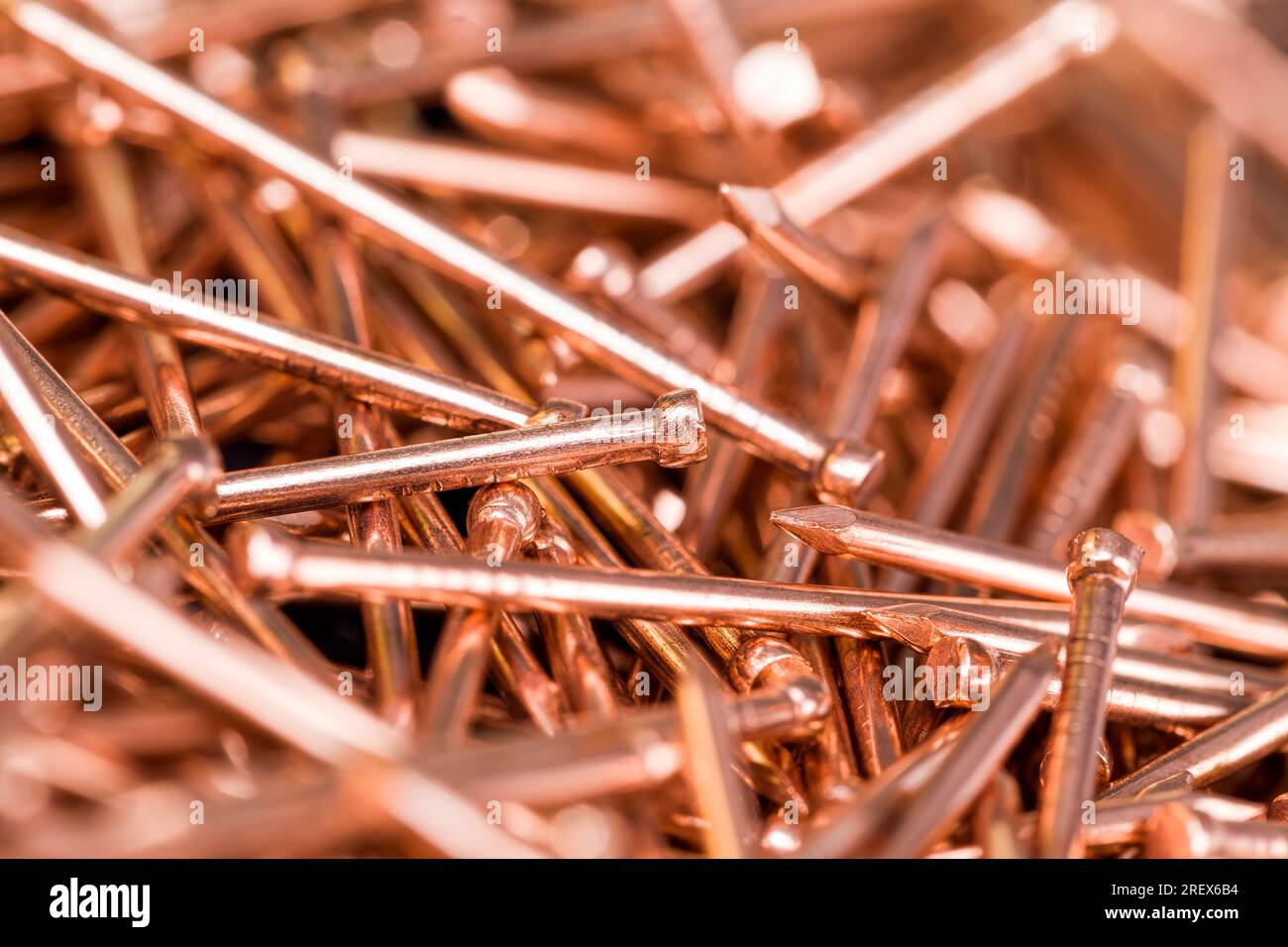
Copper fastening means using copper nails, screws, or rivets to hold parts together. Copper is soft but strong enough for many uses. It does not corrode easily, making it ideal for wet or outdoor environments. Copper fastening is common in roofing, electrical work, and furniture making.
Common Types Of Copper Fasteners
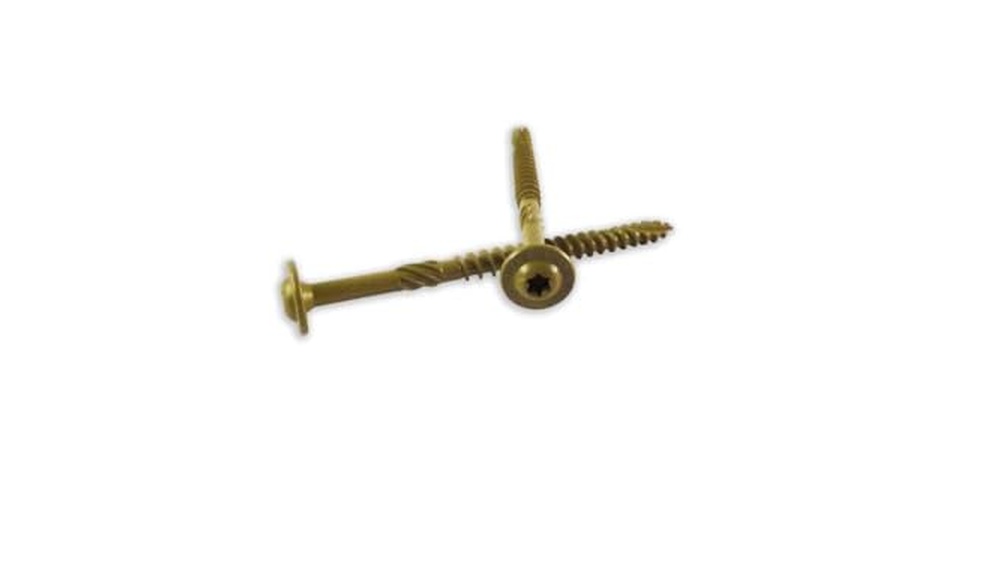
The most common copper fasteners include nails, screws, and rivets. Copper nails are popular for roofing and siding. Copper screws work well for wood and metal. Copper rivets provide a tight hold in heavy-duty tasks. Each type has specific uses and benefits.
Credit: www.alamy.com
Benefits For Builders
Copper fastening offers many benefits for builders. Using copper fasteners improves the quality and strength of construction. Builders find copper useful for its reliability and ease of use. These benefits make copper a smart choice for many building projects.
Durability And Longevity
Copper fasteners last a long time without breaking. They hold materials firmly in place for years. This strength helps buildings stay safe and stable. Copper does not weaken easily under pressure or weather changes.
Corrosion Resistance
Copper does not rust like steel or iron. It resists damage from water and air. This quality keeps fasteners strong even in wet places. Builders save time and money by avoiding frequent replacements.
Aesthetic Appeal
Copper fasteners add a nice look to finished work. Their warm color blends well with wood and other materials. Over time, copper develops a natural patina that many find attractive. This look adds value to buildings and projects.
Applications In Construction
Copper fastening plays a key role in many construction projects. It provides strong, durable connections that last a long time. Copper is valued for its resistance to corrosion and its ability to conduct electricity and heat efficiently. These qualities make copper fasteners ideal for specific applications in construction.
Using copper fasteners helps improve the safety and reliability of buildings. It also reduces maintenance costs. Below are some important uses of copper fastening in construction.
Roofing And Cladding
Copper fasteners are common in roofing and cladding work. They resist rust even in wet weather. This helps roofs stay secure for many years. Copper nails and screws hold metal sheets and tiles firmly in place. They prevent leaks and damage caused by wind or rain. Copper also matches well with metal roofs for a neat look.
Electrical Systems
Copper is an excellent conductor of electricity. Copper fasteners connect electrical wiring safely and efficiently. They reduce the risk of sparks and short circuits. These fasteners are often used in grounding systems and electrical panels. Their durability ensures long-lasting electrical connections in buildings.
Plumbing Connections
Copper fasteners secure pipes and fittings in plumbing systems. They resist corrosion caused by water and chemicals. Copper screws and clamps hold pipes tightly, preventing leaks. Using copper fasteners helps maintain clean water flow and avoids costly repairs. They are perfect for both residential and commercial plumbing.
Installation Tips
Installing copper fasteners correctly ensures a strong, lasting hold. It prevents damage to copper materials and keeps structures safe. Follow clear steps to get the best results.
Choosing The Right Fastener
Select fasteners made specifically for copper. Stainless steel or copper nails work best. Avoid using iron or regular steel fasteners. They can cause corrosion and stains.
Check the size and length carefully. Fasteners should be long enough to hold materials firmly. Too short fasteners may loosen over time.
Best Practices For Securing Copper
Drive fasteners straight and avoid over-tightening. Over-tightening can dent or crack copper sheets. Leave a small gap between the fastener head and copper surface.
Space fasteners evenly to spread pressure. This prevents warping or bending of copper pieces. Clean the surface before fastening to remove dirt or oils.
Tools And Safety Measures
Use a hammer or a pneumatic nailer suitable for copper fasteners. Ensure tools are in good condition for safe use. Wear safety glasses and gloves to protect eyes and hands.
Work in a well-lit area to avoid mistakes. Keep your workspace clean and organized. Follow all safety instructions for your tools and materials.
Common Challenges
Copper fastening offers many benefits, but it also has common challenges. These issues can affect the strength and lifespan of copper connections. Understanding these challenges helps in choosing the right methods and materials. It also ensures better performance and durability.
Preventing Galvanic Corrosion
Galvanic corrosion happens when copper touches different metals. This causes one metal to wear out faster. It weakens the fastening and can cause leaks or breaks. To prevent this, use barriers like plastic or rubber between metals. Choose metals that are close in the galvanic series. Proper coating and regular inspection also help stop corrosion.
Handling Copper Expansion
Copper expands and contracts with temperature changes. This movement can loosen fasteners over time. It may cause gaps or cracks in the structure. Allow space for copper to move during installation. Use flexible fasteners or clips that adjust with expansion. Checking and tightening fasteners regularly improves stability.
Cost Considerations
Copper fastening can be more expensive than other materials. The cost of copper and specialized fasteners adds up. Budgeting for copper projects requires understanding these costs. Balance quality with price to avoid future repairs. Consider long-term savings from copper’s durability and low maintenance.

Credit: www.youtube.com
Maintenance And Inspection
Maintenance and inspection play a key role in keeping copper fastenings strong and lasting. Proper care helps prevent damage and ensures safety. It also keeps the fastening looking good and working well over time.
Regular Checks
Check copper fastenings often for signs of wear or corrosion. Look for loose or missing parts. Tighten any screws or bolts that feel weak. Early detection stops small problems from growing.
Cleaning Techniques
Clean copper fastenings with a soft cloth and mild soap. Avoid harsh chemicals that can damage the metal. Rinse well with water and dry completely. This prevents buildup and keeps the copper shiny.
Repair And Replacement
Repair small damages quickly to avoid bigger issues. Replace fastenings if they show cracks or severe corrosion. Use the right tools and parts to keep the structure safe. Proper repair extends the life of copper fastenings.
Sustainability Aspects
Copper fastening offers many benefits beyond strength and durability. Sustainability plays a key role in its appeal. This section explores how copper fastening supports eco-friendly practices.
Recyclability Of Copper
Copper is highly recyclable. It can be melted and reused without losing quality. Recycling copper reduces the need for mining new materials. This lowers waste and conserves natural resources. Using recycled copper helps protect the environment.
Environmental Impact
Copper fastening has a lower environmental footprint than many metals. It resists corrosion, which means fewer replacements are needed. Less waste is produced over time. Copper also does not release harmful chemicals into the soil or water. Its natural properties make it a safer choice for nature.
Energy Efficiency
Producing copper requires less energy than some other metals. Recycling copper uses much less energy than mining ore. This reduces greenhouse gas emissions. Choosing copper fastening contributes to energy savings. It supports efforts to reduce climate change effects.
Frequently Asked Questions
What Does Copper Fastening Mean In Construction?
Copper fastening refers to using copper nails or screws to join materials. It offers corrosion resistance and durability, especially in roofing and marine applications.
Why Choose Copper Fastening Over Other Metals?
Copper fastening resists rust and corrosion better than steel or aluminum. It lasts longer and maintains strength in wet or salty environments, making it ideal for outdoor use.
How Is Copper Fastening Applied In Roofing?
In roofing, copper nails secure shingles or metal sheets. They prevent rust stains and increase the roof’s lifespan by resisting harsh weather conditions effectively.
Are Copper Fasteners Environmentally Friendly?
Yes, copper fasteners are recyclable and non-toxic. They have a low environmental impact and contribute to sustainable building practices by lasting longer and reducing waste.
Conclusion
Copper fastening means using copper materials to join parts tightly. It offers strong, long-lasting connections that resist rust and wear. This method works well in many projects, especially where durability matters. Choosing copper fasteners helps ensure safety and stability over time.
Remember, simple materials can make big differences in your work. Understanding copper fastening lets you pick the best option for your needs. Try it and see how it holds up in your next project.