When you’re preparing to pour concrete, one small step can make a huge difference in the strength and durability of your project. Do you know which fastener needs to be installed before the concrete even touches the surface?
Missing this crucial step can lead to costly repairs and weak structures down the line. You’ll discover exactly what fastener you need to install beforehand, why it matters, and how to get it right the first time. Keep reading to ensure your concrete work stands the test of time.
Types Of Fasteners For Concrete
Fasteners for concrete come in different types. Each type serves a specific purpose. Choosing the right fastener ensures strong, long-lasting holds.
Fasteners can be installed before or after concrete placement. Some must be set before the concrete is poured. Knowing these types helps in planning construction projects.
Mechanical Anchors
Mechanical anchors work by gripping the concrete tightly. They expand inside drilled holes. This expansion holds the fastener firmly in place. They are easy to install and reliable. Common types include wedge anchors and sleeve anchors. Mechanical anchors suit many construction needs.
Chemical Anchors
Chemical anchors use a special adhesive or resin. This glue bonds the fastener to the concrete. The adhesive fills cracks and gaps for a strong hold. Chemical anchors work well in cracked or weak concrete. They need curing time before full strength is reached. These anchors provide high load capacity.
Cast-in-place Anchors
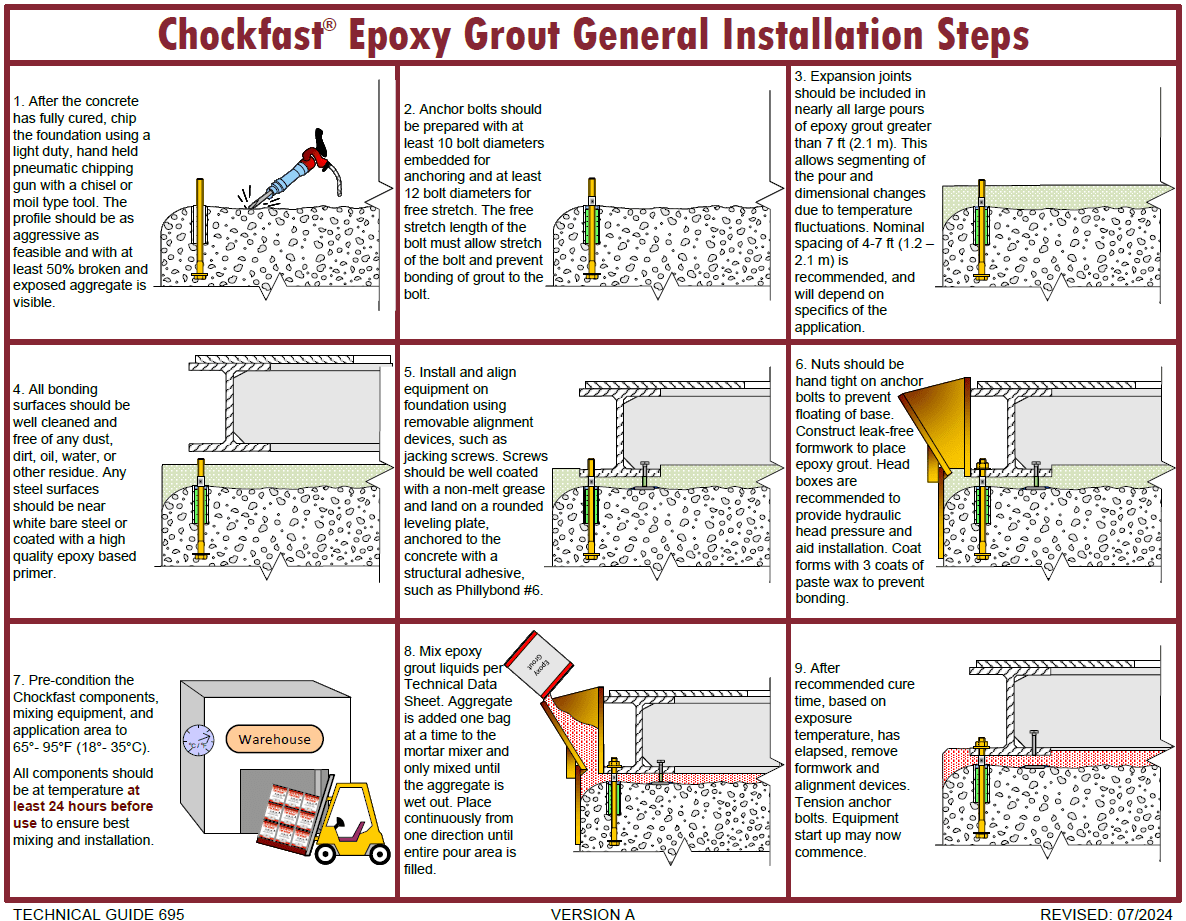
Cast-in-place anchors are fixed before concrete pours. They are set in the formwork or mold. Concrete hardens around the anchor, locking it in place. These anchors offer excellent strength and stability. Common types include anchor bolts and threaded rods. Cast-in-place anchors save installation time later.
Credit: itwperformancepolymers.com
Fasteners To Install Before Pouring
Fasteners play a key role before pouring concrete. They hold parts together and keep the structure strong. Installing the right fasteners ensures the concrete sets correctly. It also helps prevent cracks and movement.
Here are some important fasteners to install before concrete placement.
Embedded Anchors
Embedded anchors fix items into the concrete. They stay inside the concrete once it hardens. These anchors hold structural elements like beams and columns. Installing them before pouring saves time and effort. They provide a strong hold for heavy loads.
Form Ties
Form ties keep concrete forms stable. They hold the formwork sides together during pouring. Form ties stop the forms from moving or bulging. Removing them after the concrete sets is easy. They help maintain the desired shape of the concrete.
Rebar Supports
Rebar supports hold steel bars in place. Steel bars, or rebar, strengthen concrete structures. Supports keep rebar at the right height and position. Proper placement improves concrete strength and durability. Installing supports before pouring avoids rebar shifting.
Materials And Tools Needed
Installing fasteners before placing concrete requires the right materials and tools. Proper preparation ensures strong, lasting holds in the concrete. Knowing what to use simplifies the process and avoids mistakes.
Anchor Materials
Choose anchors made for concrete use. Common types include steel dowels and threaded rods. Use corrosion-resistant materials like stainless steel for outdoor projects. Anchors must fit the load and size needed. Select epoxy or mechanical anchors based on the project needs.
Installation Tools
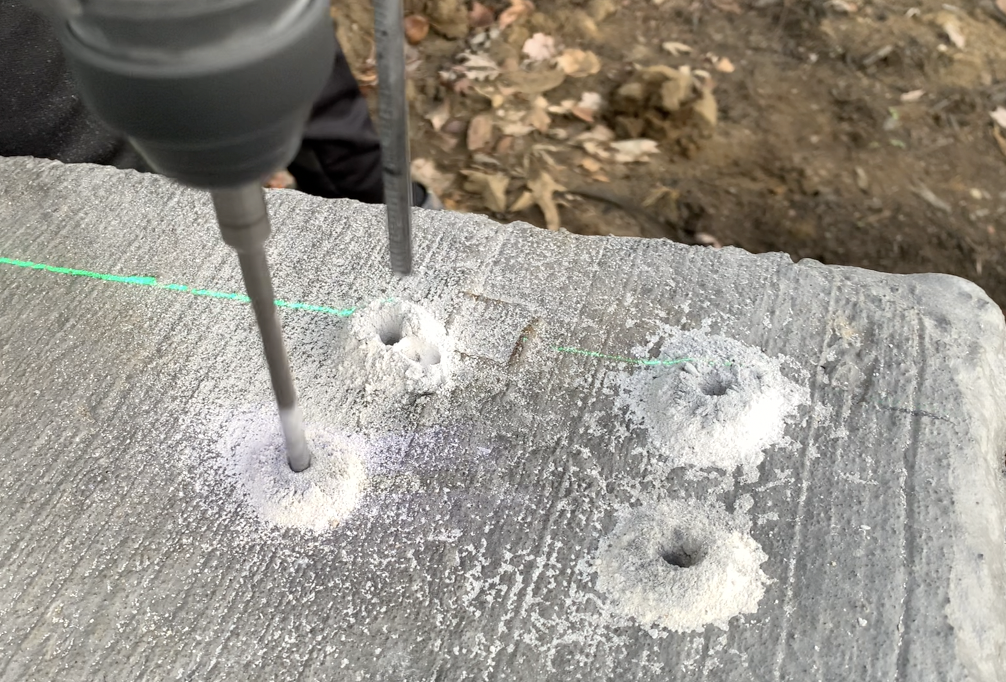
Drill with a hammer function is essential for making holes. Use a proper size drill bit matching the anchor diameter. A measuring tape and marker help place anchors accurately. A vacuum or blower clears dust from holes. Wrenches or impact drivers tighten anchors securely.
Safety Equipment
Wear safety glasses to protect your eyes from flying debris. Use gloves to avoid cuts and abrasions. Hearing protection reduces noise from drilling. Dust masks prevent inhaling concrete dust. Hard hats may be needed on construction sites.
Installation Techniques
Installing fasteners before concrete placement requires careful methods. Proper installation ensures strong hold and long-lasting results. Each step matters for a secure base and correct fitting. Follow clear techniques to avoid errors and save time.
Positioning Fasteners
Place fasteners exactly where the structure needs support. Use a template or guide for accurate spots. Mark the locations clearly on the formwork or base. Check measurements twice to prevent mistakes. Correct positioning avoids weak points in the concrete.
Securing Anchors
Fasten anchors tightly to prevent movement during concrete pouring. Use clamps or braces for extra stability. Make sure anchors stay in place until concrete hardens. Loose anchors cause shifting and weaken the installation. Secure anchors firmly for a strong hold.
Ensuring Proper Alignment
Align fasteners so they are straight and level. Use a spirit level or laser tool for accuracy. Misaligned fasteners affect the fit of attached parts. Double-check alignment before concrete placement. Proper alignment creates a smooth and safe installation.
Common Mistakes To Avoid
Installing fasteners before concrete placement requires careful attention. Mistakes can cause weak structures and costly repairs. Avoiding common errors ensures a strong hold and long-lasting results.
Incorrect Placement
Placing fasteners in the wrong spot leads to poor support. They must align with design plans exactly. Misplacement can cause misalignment of attached materials. Check measurements twice before installation.
Insufficient Embedment Depth
Fasteners must go deep enough into the concrete. Shallow embedment reduces holding power. This can cause fasteners to loosen or pull out. Follow manufacturer guidelines for proper depth.
Using Wrong Fastener Types
Different projects need specific fastener types. Using the wrong type weakens the structure. Choose fasteners suitable for concrete and load requirements. Avoid mixing fastener materials to prevent corrosion.
Inspection And Quality Checks
Inspection and quality checks are key steps before and after placing concrete. These steps ensure fasteners are correctly installed and secure. Proper inspection prevents costly mistakes and strengthens the structure. Checking fasteners carefully improves safety and durability.
Pre-pour Inspection
Before pouring concrete, inspect all fasteners closely. Check for correct placement and tightness. Make sure fasteners match project specifications. Look for any damage or rust that can weaken the hold. Confirm that fasteners do not move or shift easily. Proper positioning is crucial for the concrete to bond well.
Post-pour Verification
After concrete sets, verify that fasteners remain firm. Test their stability and strength gently. Look for any visible cracks or gaps around fasteners. Ensure no fastener has loosened or shifted during the pour. Record all findings for quality control. Post-pour checks maintain long-term safety and performance.
Applications And Use Cases
Fasteners set before concrete placement play a key role in many building projects. They hold structural parts firmly in place. Choosing the right fastener depends on the project type and its needs. Below are common applications where these fasteners prove vital.
Residential Construction
In homes, fasteners secure anchor bolts for walls and beams. They keep foundations strong and stable. Fasteners also fix plumbing and electrical fixtures before the concrete is poured. This makes future work easier and safer.
Commercial Projects
Office buildings and shops need fasteners for heavy equipment supports. Fasteners hold steel frames and curtain walls tightly. They help attach utility conduits and piping systems safely. Proper fasteners prevent costly repairs later.
Infrastructure Work
Bridges, tunnels, and roads use fasteners to anchor large steel reinforcements. These fasteners ensure the concrete can bear heavy loads. They also fix signs and guardrails before concrete sets. This ensures safety and long service life.

Credit: www.rodelta.com
Credit: atimprovements.com
Frequently Asked Questions
What Fastener Is Installed Before Concrete Pouring?
The embedment fastener, such as anchor bolts or threaded inserts, is installed prior to concrete placement. These fasteners ensure secure attachment of structures once the concrete sets.
Why Install Fasteners Before Concrete Placement?
Installing fasteners before concrete guarantees precise positioning and strong anchorage. It avoids costly adjustments and improves structural stability after curing.
How Are Fasteners Embedded In Fresh Concrete?
Fasteners are positioned and held firmly in place while the concrete is poured around them. This creates a solid mechanical bond upon curing.
Which Materials Suit Fasteners For Concrete Embedment?
Fasteners made from stainless steel or galvanized steel resist corrosion and offer durability in concrete environments, ensuring long-term performance.
Conclusion
Choosing the right fastener before pouring concrete is very important. It ensures strong, lasting support for your project. Anchors like cast-in-place bolts must be set early. This prevents costly fixes later on. Proper planning saves time and money. It also helps avoid damage to the structure.
Remember, small steps now lead to big results later. Always check fastener types and placement carefully. This simple action can improve your entire build.