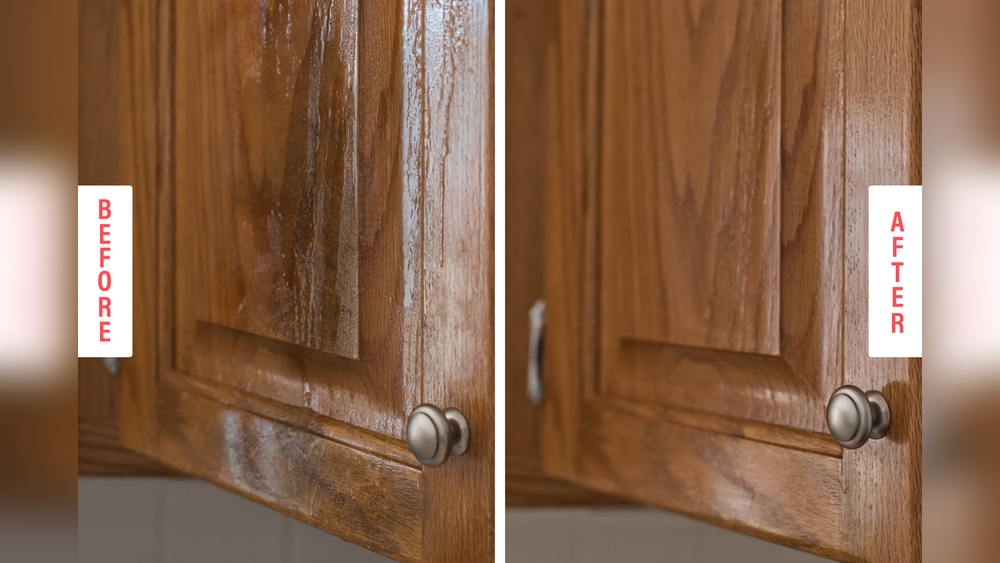
Are your cabinet handles looking dull and sticky because of grease buildup? You’re not alone.
Grease can sneak onto your cabinet hardware from cooking, leaving it grimy and hard to clean. But don’t worry—removing that stubborn grease is easier than you think. You’ll discover simple, effective ways to make your cabinet hardware shine like new again.
Keep reading, and you’ll learn quick tips that save you time and effort while bringing back the sparkle to your kitchen.
:max_bytes(150000):strip_icc()/debi-traub-kitchen-renovation-sink-window-1117_vert-ocms-2000-a7676236c9c548e3bbcc90e7b28b06ca.jpg)
Credit: www.marthastewart.com
Sources Of Grease On Cabinet Hardware
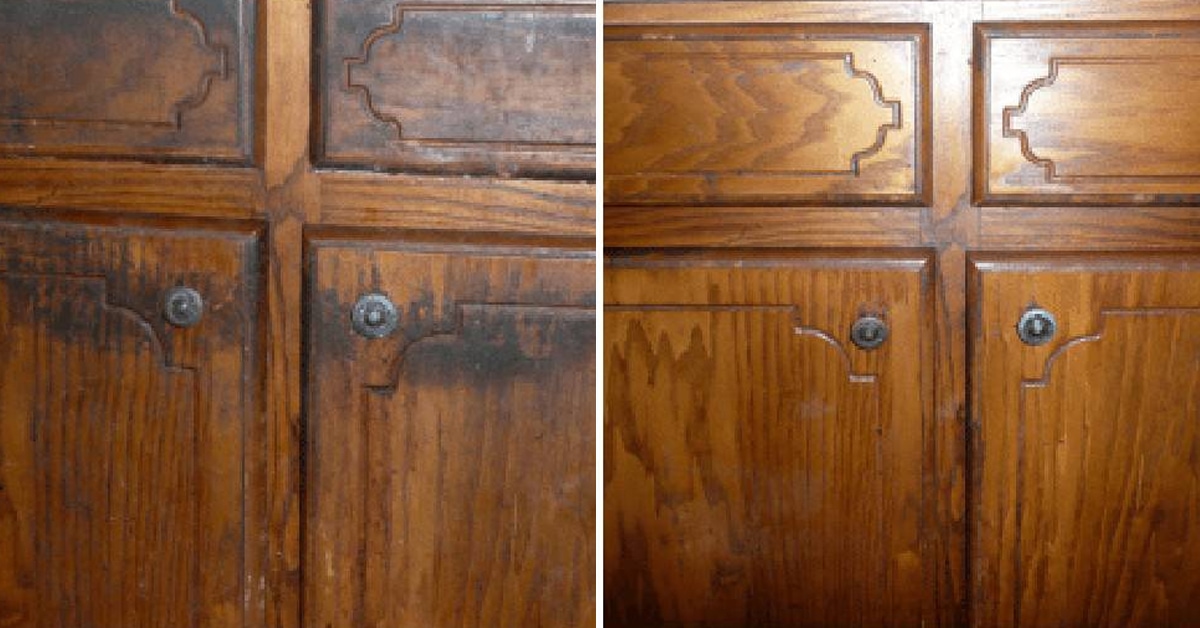
Grease on cabinet hardware is a common problem in many kitchens. It builds up slowly, making handles and knobs sticky and dirty. Understanding where this grease comes from helps in keeping your cabinets clean and shiny. Here are the main sources of grease on cabinet hardware.
Kitchen Cooking Residue
Cooking releases oils and fats into the air. These tiny droplets settle on cabinet handles and knobs. Over time, they create a greasy layer that attracts dust and dirt. Frying, sautéing, and grilling produce the most residue. Steam from boiling also carries grease particles to nearby surfaces.
Handling With Oily Hands
Touching cabinet hardware with oily or dirty hands spreads grease easily. Oils from skin or food stick to the handles. Frequent contact without cleaning increases the buildup. This type of grease is harder to notice until it feels sticky or looks dull.
Environmental Factors
Humidity and poor ventilation worsen grease accumulation. Moist air mixes with cooking oils and dust. This creates a thicker, sticky film on hardware. Kitchens with no exhaust fans or open windows trap grease in the air. Dust and grease together form a stubborn layer that needs regular cleaning.
Credit: www.everydaycheapskate.com
Tools And Materials Needed
Removing grease from cabinet hardware needs the right tools and materials. This helps clean the hardware well without damage. Having these tools ready makes the job faster and easier.
Cleaning Agents
Use mild dish soap to break down grease gently. White vinegar works well to cut through stubborn grease. Baking soda can scrub away tough spots without scratching. Avoid harsh chemicals that can harm finishes.
Soft Cloths And Brushes
Soft microfiber cloths prevent scratches on hardware surfaces. Old toothbrushes reach small crevices and detailed parts. Soft sponges help apply cleaning agents evenly. Avoid rough brushes that can damage the finish.
Protective Gear
Wear rubber gloves to protect your skin from cleaning agents. Use safety glasses if splashing is possible. Keep a towel nearby to wipe spills quickly. Safety helps you clean without harm or mess.
Step-by-step Cleaning Methods
Removing grease from cabinet hardware can be simple with the right steps. Follow these easy cleaning methods to restore shine and cleanliness. Each method uses common ingredients and tools you likely have at home. Choose the one that fits your needs and hardware type. Let’s start with the basics.
Basic Soap And Water Wash
Mix warm water with a few drops of mild dish soap. Dip a soft cloth or sponge into the solution. Gently scrub the cabinet hardware to loosen grease. Rinse with clean water and dry with a towel. Repeat if grease remains. This method works well for light grease build-up.
Using Vinegar Solutions
Combine equal parts of white vinegar and water in a spray bottle. Spray the solution on the hardware. Let it sit for 5 to 10 minutes. Use a soft brush or cloth to scrub away the grease. Rinse thoroughly with water and dry. Vinegar helps break down tough grease naturally.
Applying Baking Soda Paste
Mix baking soda with a small amount of water to form a thick paste. Apply the paste to greasy spots on the hardware. Let it sit for 10 to 15 minutes. Scrub gently with a soft brush or cloth. Rinse with water and dry well. Baking soda removes grease without harsh chemicals.
Commercial Degreasers
Choose a degreaser made for kitchen or metal surfaces. Follow the instructions on the product label. Usually, spray the degreaser on hardware and let it sit briefly. Wipe with a damp cloth and rinse if needed. Dry completely to avoid water marks. Commercial degreasers work fast on heavy grease.
Credit: www.thekitchn.com
Cleaning Different Hardware Materials
Cabinet hardware comes in many materials, each needing special care. Grease can build up and make handles look dirty. Cleaning these materials properly keeps your cabinets fresh and shiny. Different materials react differently to cleaners. Use gentle methods to avoid damage.
Metal Handles And Knobs
Metal handles need careful cleaning to avoid scratches. Use a soft cloth and warm soapy water. Gently rub the grease off. For tougher spots, try a small amount of baking soda paste. Avoid harsh chemicals that can dull the finish. Dry the metal well to stop rust.
Wooden Hardware
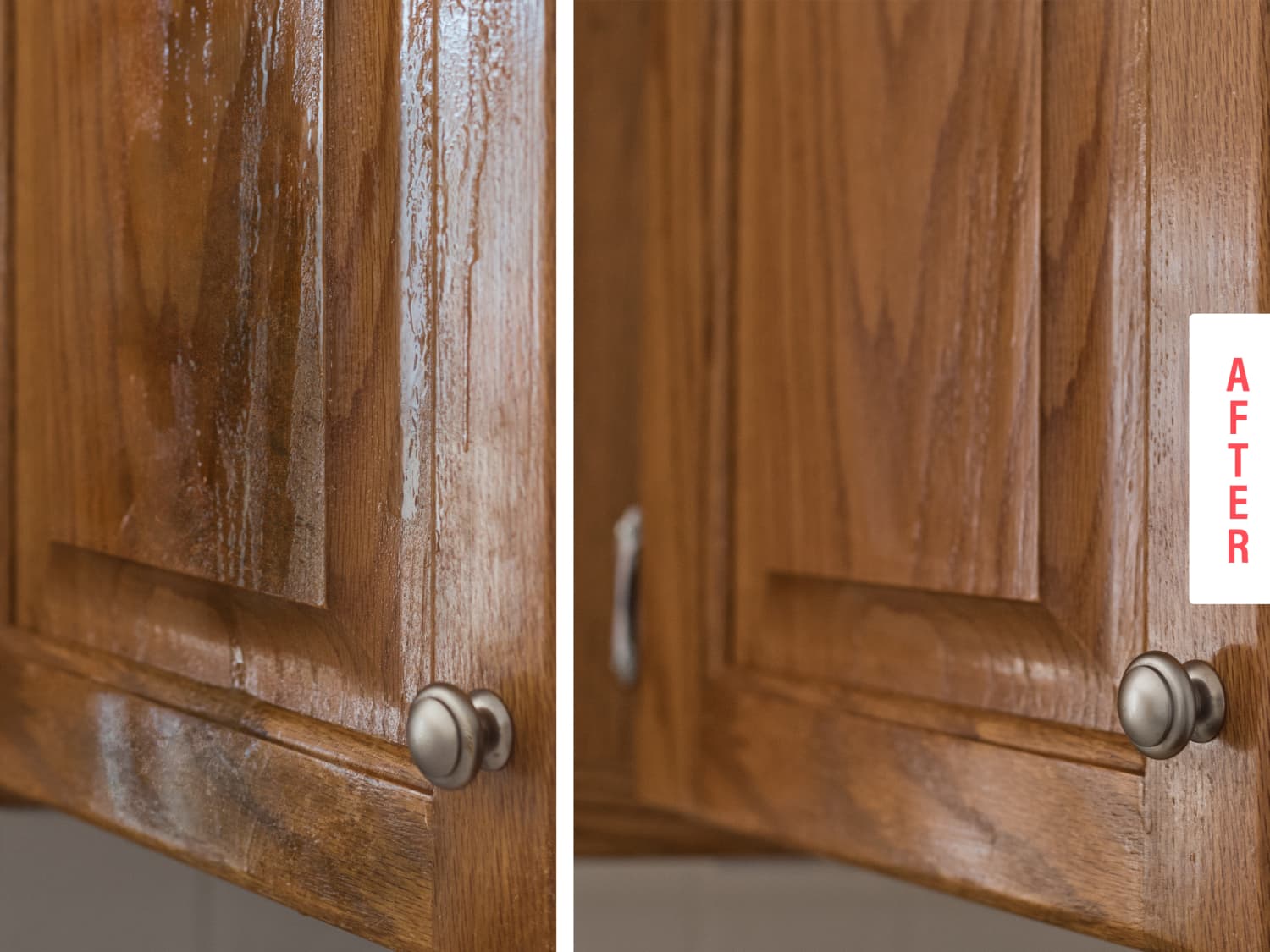
Wood needs gentle cleaning to protect its surface. Use a damp cloth with mild soap. Avoid soaking the wood to prevent warping. Wipe off grease softly and dry right away. Use wood polish to restore shine and protect the wood. Keep water away from joints and edges.
Plastic And Composite Materials
Plastic and composite hardware are easier to clean. Use warm water and dish soap with a soft cloth. Scrub gently to remove grease. Avoid abrasive sponges that can scratch the surface. Rinse well and dry with a clean towel. These materials can handle mild cleaners safely.
Preventing Future Grease Buildup
Preventing grease buildup on cabinet hardware keeps kitchens cleaner and extends hardware life. Small steps help avoid tough grease stains. Stay consistent and use simple methods to protect your cabinets.
Regular Cleaning Schedule
Clean cabinet hardware often to stop grease from settling. Wipe handles and knobs with a damp cloth every week. Use mild soap if needed to remove light grease. Frequent cleaning prevents thick layers of grime. It also keeps your kitchen fresh and neat.
Protective Coatings
Apply a thin layer of protective coating on hardware surfaces. Clear varnish or wax helps block grease and dirt. These coatings create a smooth surface that is easier to clean. Reapply coatings every few months for best results. This simple step reduces grease buildup significantly.
Proper Kitchen Ventilation
Good airflow helps reduce grease in the air. Use exhaust fans or open windows during cooking. Ventilation carries away grease particles before they reach cabinets. Keep vents clean to maintain strong airflow. Proper ventilation lowers grease buildup and improves kitchen air quality.
Troubleshooting Stubborn Grease Stains
Stubborn grease stains on cabinet hardware can be tricky to remove. Simple wiping might not work. These stains often settle deep into small crevices and rough surfaces. Using the right methods helps lift away tough grease. Patience and the right tools make a big difference.
Soaking Techniques
Soak hardware in warm, soapy water for 15 to 30 minutes. This softens and loosens the grease. Use mild dish soap to avoid damage. After soaking, gently rub the surface with a soft cloth. Repeat soaking if grease remains stubborn.
Using Toothbrush For Crevices
A toothbrush reaches tight spots and grooves easily. Dip the brush in soapy water or a vinegar solution. Scrub the crevices carefully to break up grease buildup. This method cleans areas a cloth cannot reach. Rinse and dry the hardware after scrubbing.
When To Replace Hardware
Sometimes grease stains remain despite cleaning efforts. Hardware with deep scratches or corrosion holds grease more. Replacement might be the best option in these cases. New hardware improves the kitchen’s look and hygiene. Choose easy-to-clean materials like stainless steel or coated metal.
Frequently Asked Questions
How Do I Remove Grease From Cabinet Hardware Safely?
Use warm soapy water and a soft cloth to clean grease gently. Avoid harsh chemicals to protect hardware finishes. For stubborn grease, try a vinegar-water solution or mild baking soda paste.
What Household Items Remove Grease From Cabinet Hardware?
Common items like white vinegar, baking soda, and dish soap effectively cut grease. These are safe, affordable, and non-toxic solutions for cleaning cabinet hardware quickly.
Can I Use Commercial Cleaners On Cabinet Hardware?
Yes, but choose cleaners labeled safe for metal or wood finishes. Test on a small area first to avoid damage or discoloration to your hardware.
How Often Should I Clean Grease Off Cabinet Hardware?
Clean your cabinet hardware every few weeks or as needed. Frequent cleaning prevents grease buildup, keeping hardware shiny and extending its life.
Conclusion
Cleaning grease from cabinet hardware is easier than it seems. Use simple ingredients found at home for safe, effective results. Regular cleaning keeps your hardware shiny and lasts longer. Small effort brings big changes to your kitchen’s look. Try these tips and enjoy fresh, clean cabinets every day.


