Are you ready to give your kitchen a fresh, stylish look without spending a fortune? Installing new cabinet hardware is one of the easiest and most effective ways to transform your space.
Whether you want sleek handles or classic knobs, changing your hardware can make your kitchen feel brand new. In this guide, you’ll discover simple, step-by-step instructions that anyone can follow—even if you’ve never done it before. By the end, you’ll have the confidence and know-how to upgrade your cabinets quickly and effortlessly.
Let’s get started and make your kitchen shine!
Credit: www.homedepot.com
Tools And Materials Needed
Before installing new kitchen cabinet hardware, gather all tools and materials. Proper preparation makes the process smooth and fast. Having the right tools helps avoid mistakes and saves time.
Types Of Cabinet Hardware
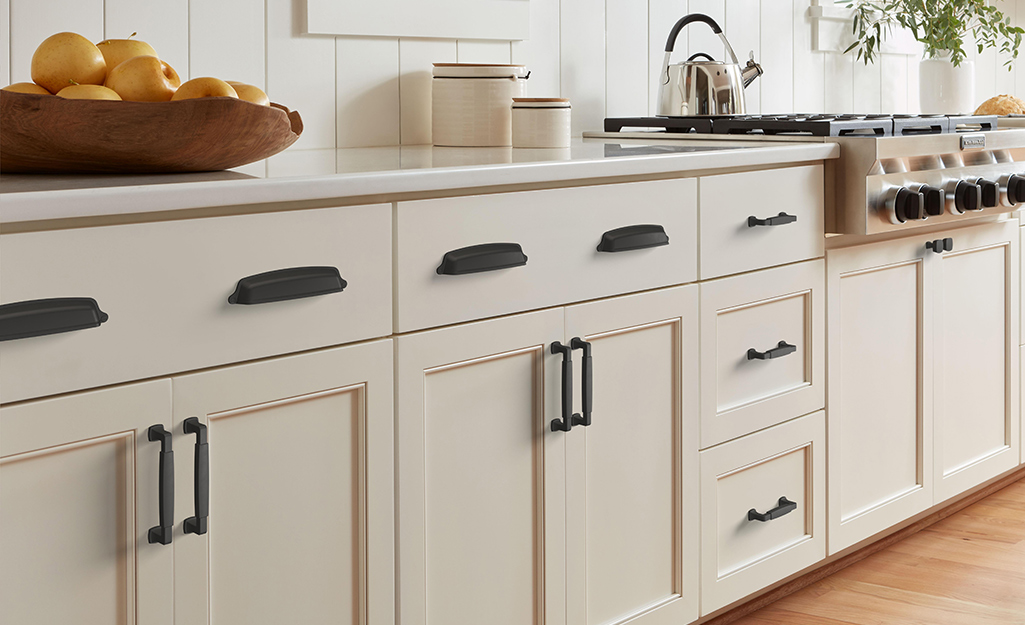
Choose the right cabinet hardware for your kitchen style. Common types include knobs, handles, and pulls. Knobs are small and round, easy to install. Handles and pulls offer more grip and style options.
Measuring Tools
Accurate measurements ensure hardware fits perfectly. Use a tape measure or ruler to mark drill holes. A pencil helps mark spots clearly. A level can keep hardware straight and even.
Drill And Screws
A drill makes installing screws quick and easy. Use a drill bit that fits your screws well. Keep extra screws handy in case some get lost or damaged. Choose screws that match the hardware size and cabinet material.
Safety Gear
Protect yourself during installation. Wear safety glasses to shield your eyes from dust and debris. Gloves protect your hands from sharp edges. Always work in a well-lit area to see clearly.
Credit: truepositiontools.com
Preparing The Cabinets
Preparing the cabinets is the first step in installing new kitchen cabinet hardware. This step ensures a smooth and clean installation. Proper preparation helps the new hardware look great and last longer.
Start by removing old hardware carefully. Clean the cabinet surface well. Check the cabinet doors for any damage or issues that need fixing. These actions set a strong base for your new hardware.
Removing Old Hardware
Use a screwdriver to remove screws from handles and knobs. Keep screws and old hardware aside in case you need them later. Remove all pieces gently to avoid damaging the cabinet surface. Take your time for a clean removal.
Cleaning The Surface
Wipe the cabinet surface with a damp cloth to remove dust. Use mild soap to clean grease or stains. Dry the surface completely with a soft cloth. Clean cabinets help the new hardware stick and look neat.
Inspecting Cabinet Doors
Look for scratches, dents, or loose parts on cabinet doors. Tighten loose screws or hinges. Fill small holes or cracks with wood filler. Smooth the surface with sandpaper if needed. Strong, smooth doors support the new hardware better.
Marking Drill Points
Marking drill points is a key step when installing new kitchen cabinet hardware. Accurate marks ensure handles and knobs fit perfectly. Mistakes here cause misaligned holes and wasted hardware. Take time to do this carefully. The right marks make the next steps easier and faster.
Measuring For Handles And Knobs
Start by measuring the exact spot for each handle or knob. Use a tape measure or ruler. Find the center or preferred position on the cabinet door or drawer. Measure twice for accuracy. Keep the measurements consistent for all pieces. This keeps the hardware aligned and neat.
Using A Template
A template helps mark drill points quickly and precisely. Use a ready-made template or make one from cardboard. Align the template with the edge or center of the cabinet. Mark the holes through the template openings. Templates reduce errors and save time. They are especially helpful for multiple doors.
Double-checking Measurements
Check all marks before drilling holes. Use your measuring tool to confirm each point. Look for equal spacing and alignment. Confirm the marks match the hardware size. Fix any errors before drilling. Double-checking prevents costly mistakes and keeps the project smooth.

Credit: www.youtube.com
Drilling Holes
Drilling holes is a key step when installing new kitchen cabinet hardware. It ensures the handles or knobs fit perfectly and stay secure. Careful drilling helps avoid damage to the cabinet surface. Taking time to prepare and drill accurately saves effort later. Follow simple tips for clean, precise holes.
Selecting The Right Drill Bit
Choose a drill bit size that matches the screw diameter. A bit too large will make the hole loose. A bit too small will make it hard to insert the screw. Use a drill bit designed for wood. This type cuts clean holes without splintering.
Drilling Carefully
Mark the drilling spot clearly with a pencil. Use a tape measure or template for even placement. Hold the drill steady and start slowly. Drill straight into the cabinet face. Avoid tilting the drill to keep the hole clean and straight.
Preventing Wood Splintering
Place a piece of masking tape over the drilling spot. This helps stop the wood from splintering. Drill slowly and do not force the bit. Back the drill out gently to clear wood chips. Sand the hole edges lightly for a smooth finish.
Attaching New Hardware
Attaching new hardware to your kitchen cabinets is a simple task that can update the whole look. It takes careful steps to ensure the handles and knobs fit well and work smoothly. Follow these steps to install your new cabinet hardware correctly and safely.
Aligning Handles And Knobs
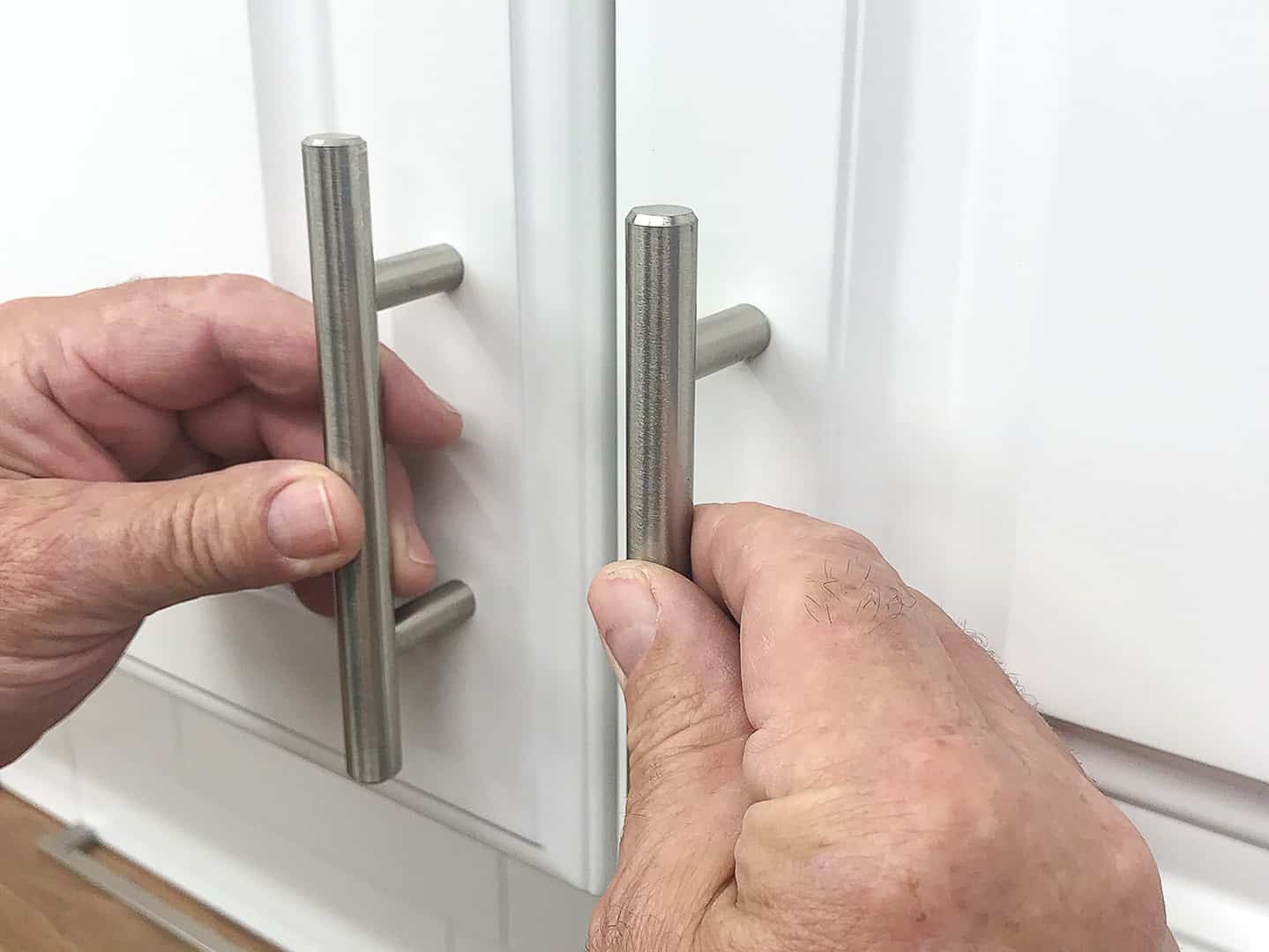
Start by placing the handle or knob on the cabinet door or drawer. Check if it lines up with the existing holes. Use a ruler or tape measure to keep everything straight. Mark the spot if you need to drill new holes. Proper alignment makes your cabinets look neat and professional.
Securing Screws
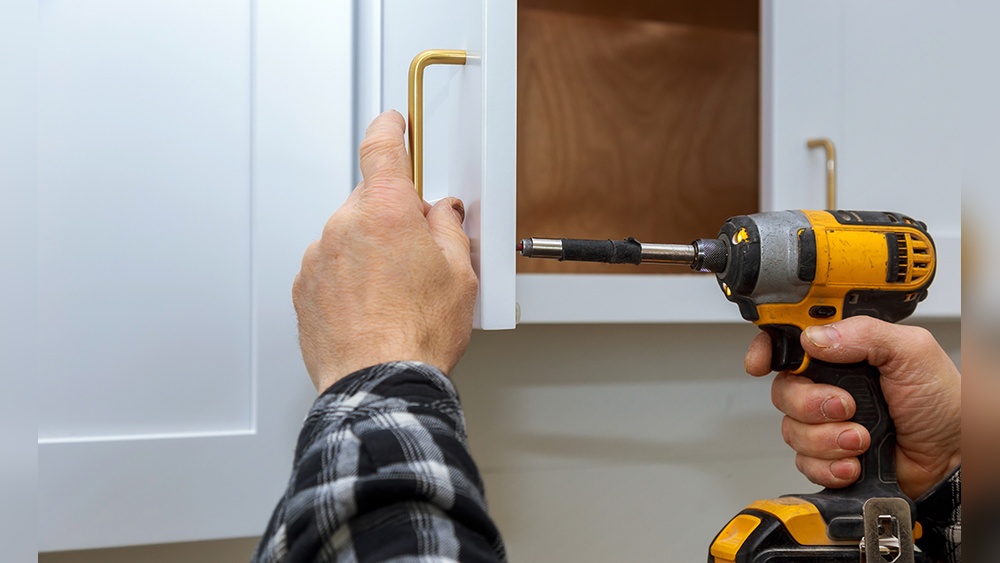
Insert screws through the back of the cabinet into the handle or knob. Tighten screws gently to avoid stripping the hole or damaging the hardware. Use a screwdriver that fits the screw head perfectly. Tighten until the hardware feels secure but do not over-tighten. This keeps the hardware stable and safe to use.
Checking For Stability
After attaching the hardware, pull and push it gently. Make sure it stays firm and does not wiggle. Loose hardware can cause damage over time. Tighten screws again if needed. Test each handle or knob to confirm it works well and feels solid.
Finishing Touches
Finishing touches are key to a perfect kitchen cabinet upgrade. They ensure your new hardware looks great and works well. Taking time here saves effort later. It also gives a neat, polished look to your kitchen.
Cleaning Residue
After installation, clean all dust and fingerprints. Use a soft cloth and mild cleaner. Avoid harsh chemicals that can damage the finish. Wipe gently around the hardware to keep it shiny.
Testing Functionality
Open and close each cabinet door and drawer. Check that handles and knobs feel secure. Notice any sticking or loose parts. Smooth operation means your hardware is installed correctly.
Adjusting If Necessary
Make small tweaks if hardware feels loose or uneven. Tighten screws with a screwdriver carefully. Align handles or knobs so they look straight. Proper adjustment improves both look and use.
Tips For A Professional Look
Installing new kitchen cabinet hardware can change the look of your kitchen. Small details make a big difference. Follow these tips for a neat and professional finish.
Simple steps help your cabinets look well put together. Attention to detail creates a polished appearance.
Consistent Hardware Styles
Choose hardware with the same style for all cabinets. Matching handles and knobs create a uniform look. Avoid mixing different finishes or shapes. Consistency helps your kitchen look planned and tidy.
Matching Screw Sizes
Use screws that fit your new hardware perfectly. Screws that are too long can damage cabinets. Too short screws make hardware loose. Keep extra screws of the right size for future fixes.
Maintaining Cabinet Integrity
Drill holes carefully to avoid splitting wood. Use a drill bit slightly smaller than the screw. Tighten screws gently to prevent cracks. Fill old holes properly if reusing cabinets. This keeps your cabinets strong and lasting.
Frequently Asked Questions
What Tools Do I Need To Install Cabinet Hardware?
You need a drill, screwdriver, measuring tape, pencil, and level. These tools ensure accurate placement and secure installation of your cabinet hardware.
How Do I Measure For New Cabinet Hardware?
Measure the distance between existing holes or desired handle placement. Use a ruler or tape to mark precise locations for drilling and installing hardware.
Can I Install Cabinet Hardware Without Drilling New Holes?
Yes, if your new hardware matches existing holes, no drilling is needed. Otherwise, you must drill new holes for proper fitting and stability.
How Do I Prevent Damage While Installing Cabinet Hardware?
Use painter’s tape over drill spots to avoid splintering. Drill slowly and carefully to maintain cabinet integrity and prevent surface damage.
Conclusion
Installing new kitchen cabinet hardware is simple and quick. Measure carefully and choose the right tools. Take your time to avoid mistakes. New handles or knobs can change the kitchen’s look. Enjoy the fresh and updated feel instantly. Small changes make a big difference in style.
Try this easy project to refresh your space today. You will feel proud of your work and results.