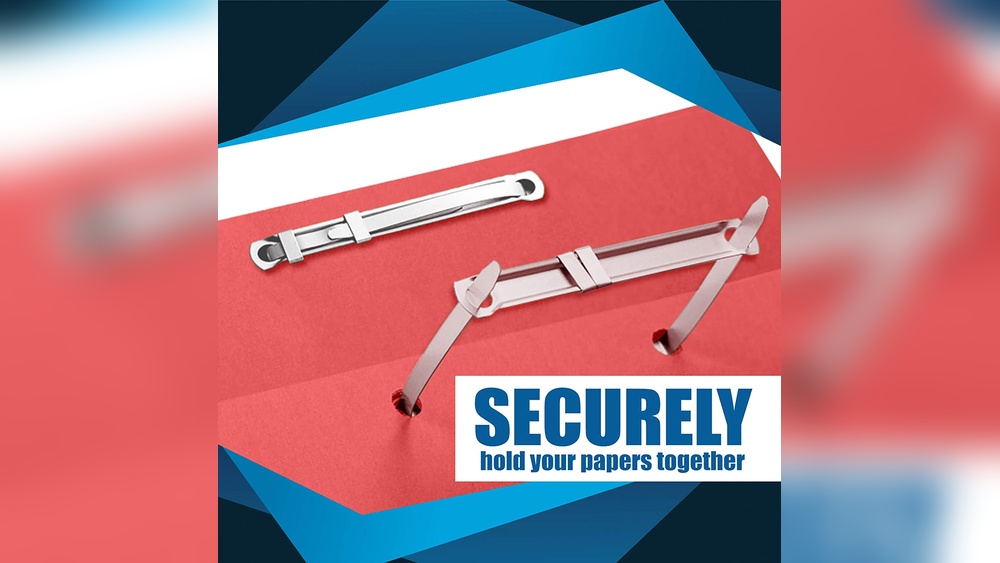
If you’ve ever struggled to keep papers neatly organized or found yourself wrestling with bulky folders, prong fastener compressors can be a game changer. These simple tools help you close prong fasteners quickly and securely, saving you time and frustration.
You’ll discover exactly how to use prong fastener compressors like a pro, so your documents stay perfectly fastened every time. Ready to make your paperwork easier and more efficient? Let’s dive in and unlock the secret to hassle-free organization.
Credit: www.commercialsalesny.com
Choosing The Right Prong Fastener Compressor
Choosing the right prong fastener compressor is important for efficient work. The right tool saves time and effort. It also ensures better results with your fasteners. Understanding different types and key features helps you pick the best one.
Types Of Prong Fastener Compressors
There are manual and electric prong fastener compressors. Manual compressors need physical force to operate. They are simple and affordable. Electric compressors use a motor to press the fasteners. They work faster and require less effort. Some models combine both options for flexibility. Choose based on how often you will use the tool.
Factors To Consider Before Buying
Check the compressor’s size and weight. Lightweight models are easier to handle for long jobs. Look at the pressure capacity. Higher pressure helps with thicker materials. Consider compatibility with different prong sizes. Some compressors work only with specific fasteners. Also, think about durability and build quality. A strong tool lasts longer and stands up to tough use.
Setting Up Your Compressor
Setting up a prong fastener compressor correctly is key for smooth operation. Proper setup helps avoid mistakes and saves time. It also improves safety during use.
Follow these steps carefully. They will guide you through preparing your workspace and installing the fastener cartridge. These steps make your work easier and more efficient.
Preparing The Workspace
Clear your work area. Remove any clutter or obstacles. This reduces risks and gives you space to move freely.
Make sure the surface is flat and stable. A steady base keeps the compressor steady during use. Good lighting helps you see details clearly.
Keep safety gear close by. Gloves and goggles protect your hands and eyes. Safety is very important when working with tools.
Installing The Fastener Cartridge
Turn off the compressor before installing the cartridge. This prevents accidental firing. Check the manual to find the cartridge slot.
Insert the fastener cartridge carefully. Push it in until it clicks or fits snugly. Do not force the cartridge if it does not fit.
Close the cartridge cover securely. This keeps the cartridge in place while working. After installation, turn on the compressor and test it on scrap material.
Step-by-step Usage Guide
Using a prong fastener compressor is simple. Follow these clear steps to bind your documents quickly and neatly. This guide helps you handle the tool with ease and get professional results every time.
Positioning The Compressor Correctly
Hold the compressor firmly in your hand. Place it over the prongs of the fastener. Make sure the prongs fit into the slots of the compressor. The tool should sit flat and stable on your papers.
Applying The Right Pressure
Press down gently but firmly on the handles. Avoid using too much force to prevent damaging the papers. Keep steady pressure until the prongs fold neatly. This step secures the papers without tearing them.
Securing Documents Efficiently
Check that all pages are aligned before fastening. Slide the fastener through the punched holes. Use the compressor to bend the prongs tightly. Confirm the papers do not slip out easily.

Credit: www.amazon.sg
Maintenance And Troubleshooting
Maintaining prong fastener compressors ensures they work well for a long time. Regular care prevents damage and saves money. Troubleshooting helps fix small problems before they grow.
Cleaning And Lubrication Tips
Keep the compressor clean to avoid jams and wear. Use a soft brush or cloth to remove dust and debris. Wipe the moving parts gently to keep them smooth.
Apply light machine oil on the joints and sliding parts. Avoid using too much oil; it can attract dirt. Clean and oil the compressor after every use for best results.
Common Issues And Fixes
The compressor may jam if fasteners stick together. Remove jammed fasteners carefully to avoid damage. Check for bent or broken prongs and replace them if needed.
If the compressor does not close properly, check the springs. Replace weak or broken springs to restore function. Loose screws can cause poor performance; tighten them as needed.
Safety Tips For Optimal Use
Using prong fastener compressors requires care to avoid accidents. Safety is key for effective and smooth work. Follow basic rules to protect yourself and others. Proper safety habits help prevent injuries and damage.
Protective Gear Recommendations
Always wear safety glasses to protect your eyes. Gloves keep your hands safe from sharp edges. Use ear protection if noise levels are high. Wear long sleeves and pants to avoid skin cuts. Closed-toe shoes help protect your feet from falling objects.
Safe Handling Practices
Hold the compressor firmly with both hands. Keep fingers away from moving parts. Do not force the tool; let it work smoothly. Check the tool for damage before use. Store the compressor in a dry, safe place after use. Keep the work area clean to avoid slips and falls.
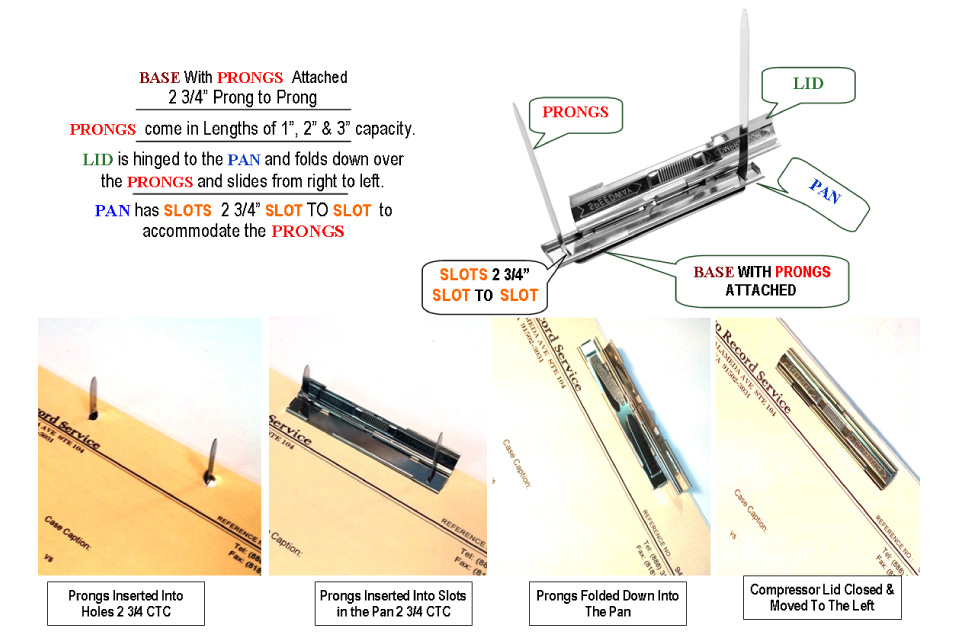
Credit: www.speedwayfilefasteners.com
Maximizing Efficiency
Maximizing efficiency with prong fastener compressors saves time and effort. It helps complete large tasks quickly and keeps your workspace neat. Simple steps can speed up your binding process and reduce mistakes. Organizing your materials well is key to working faster and smarter.
Speed Techniques For Bulk Binding
Group papers in even stacks before binding. This avoids constant adjustments and keeps the process smooth. Use a consistent rhythm when pressing down the compressor. Quick, steady motions reduce hand strain and speed up work. Keep the fasteners ready to insert without delay. Practice helps improve your pace and accuracy over time.
Organizing Materials For Faster Work
Sort papers by size and type before starting. Place fasteners, papers, and tools close together. This cuts down reaching and moving around. Use trays or folders to keep documents orderly. Label each stack clearly to find them easily. A clean, organized workspace helps focus and speeds up tasks.
Frequently Asked Questions
What Is A Prong Fastener Compressor?
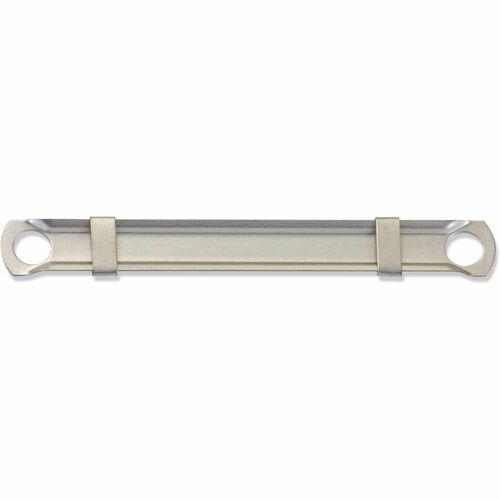
A prong fastener compressor is a tool used to securely close prong fasteners. It ensures documents stay neatly bound. The compressor applies even pressure, preventing damage. It is essential for office organization and document safety.
How Do You Properly Use A Prong Fastener Compressor?
To use it, place the fastener under the compressor’s jaws. Squeeze the handles firmly to close the prongs. Ensure the prongs are tight but not overly bent. This method keeps papers secure and prevents tearing.
Can Prong Fastener Compressors Be Used On All Fasteners?
Most compressors work with standard two- or four-prong fasteners. Check your tool’s compatibility before use. Using the wrong size can damage documents or the fastener. Always match the compressor to the fastener type for best results.
Why Should I Use A Prong Fastener Compressor?
Using a compressor saves time and effort in binding documents. It ensures a professional, clean finish without manual bending. This tool increases document durability and organization. It is ideal for offices handling large volumes of paperwork.
Conclusion
Using prong fastener compressors makes binding simple and neat. These tools help secure papers tightly and save time. Practice a few times to get comfortable with the process. Always choose the right size compressor for your documents. Keep your workspace clean for better results.
With regular use, your files will stay organized and professional. Give it a try and see the difference yourself. Small steps lead to big improvements in your office work.