Have you ever wondered exactly when cabinet hardware should be installed during your kitchen or bathroom makeover? Getting this timing right can save you time, effort, and even money.
Whether you’re a DIY enthusiast or working with professionals, knowing the perfect moment to add those handles and knobs makes a big difference in the final look and function of your cabinets. Keep reading to discover the key steps and insider tips that will help you install your cabinet hardware like a pro.
Your project deserves nothing less!

Credit: www.thriftydecorchick.com
Choosing Cabinet Hardware
Choosing the right cabinet hardware can change the look of your kitchen or bathroom. Hardware includes knobs, pulls, and handles. These small pieces add style and help open cabinets easily.
Think about how often you use your cabinets. Choose hardware that feels comfortable to hold. The finish should match your room’s design. Pick pieces that are strong and last long.
Types Of Cabinet Hardware
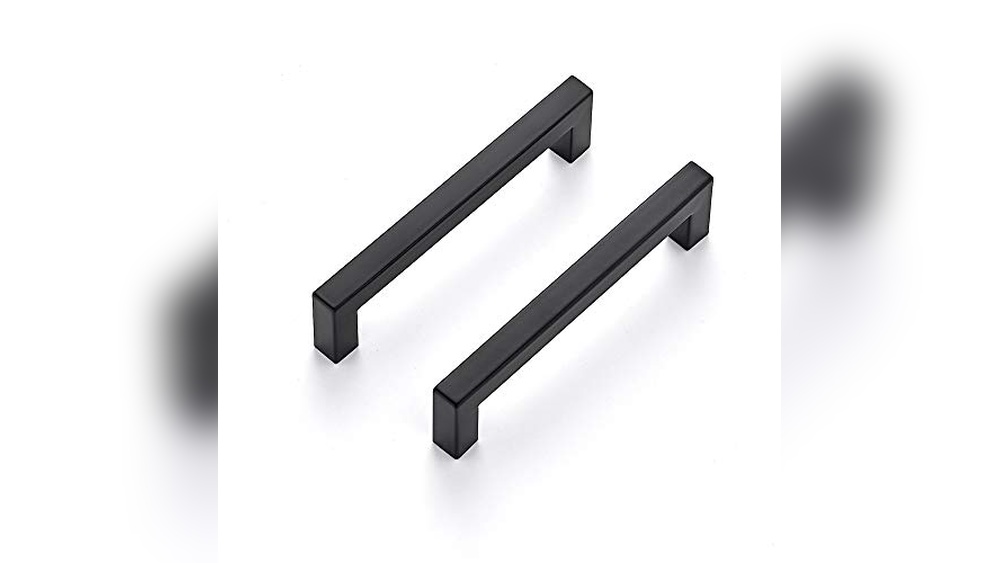
Knobs are small and round. They work well on cabinet doors. Pulls are longer and easier to grab. They fit well on drawers. Handles come in many shapes and sizes. Choose ones that fit your hand and style.
There are also cup pulls, bar pulls, and edge pulls. Each type changes the cabinet’s look. Choose hardware that fits your daily use and style.
Matching Hardware To Cabinet Style
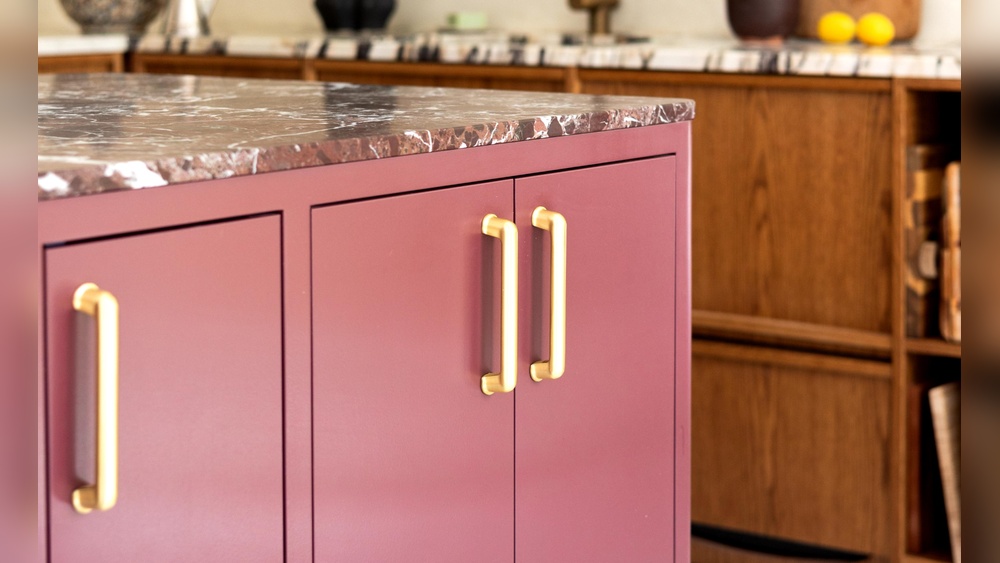
Match hardware style to your cabinets. Traditional cabinets look good with classic knobs. Modern cabinets pair well with sleek pulls. Rustic cabinets suit hardware with a rough finish.
Consider the cabinet color and material. Light cabinets look nice with bright or brushed hardware. Dark cabinets work well with shiny or matte finishes. The right match makes your cabinets stand out.
Preparation Before Installation
Preparing before installing cabinet hardware is key for a smooth job. Careful preparation saves time and avoids mistakes. It helps ensure the hardware fits well and looks great.
Two main steps make up this preparation: measuring and marking, and gathering necessary tools. Both are important for a successful installation.
Measuring And Marking
Start by measuring the cabinet doors or drawers carefully. Use a ruler or tape measure for accuracy. Mark the spots where the hardware will go using a pencil. Check measurements twice to avoid errors. Consistent marking keeps the hardware aligned and balanced. Take your time with this step to get perfect placement.
Gathering Necessary Tools
Collect all tools needed for the job before starting. Common tools include a drill, screwdriver, level, and measuring tape. Having everything ready prevents interruptions. Also, prepare the screws and hardware pieces for easy access. Check the instructions that come with your hardware for any special tools. Proper tools make the installation easier and faster.
Optimal Timing For Installation
Choosing the right time to install cabinet hardware helps avoid problems later. It makes the process smoother and saves time. Proper timing ensures a neat finish and fewer mistakes. It also helps coordinate with other tasks during renovation.
After Cabinet Assembly
Installing hardware right after cabinet assembly is common. Cabinets are stable and fully built at this point. It is easier to fit handles and knobs on solid surfaces. This way, hardware aligns perfectly with doors and drawers.
Waiting too long after assembly can cause delays. Hardware might get lost or damaged. Installing early keeps everything organized and ready for use.
Before Or After Painting
Deciding to install hardware before or after painting depends on your project. Installing before painting can slow down the process. Paint might get on the hardware, causing extra cleaning. It also risks paint buildup around screws and edges.
Installing after painting keeps hardware clean and shiny. It avoids paint stains and protects the finish. However, extra care is needed to avoid scratching fresh paint during installation.
Coordinating With Other Renovation Tasks
Hardware installation works best when planned with other tasks. Flooring, lighting, and plumbing affect cabinet use. Installing hardware too early can block access for other work. Too late installation may delay project completion.
Coordinate with electricians, plumbers, and painters for smooth workflow. This saves time and prevents damage. A well-timed installation fits perfectly in the renovation schedule.
Credit: www.cabinetknob.com
Installation Techniques
Installing cabinet hardware requires careful techniques to ensure a neat and lasting finish. Proper installation improves both function and style of your cabinets. Understanding these techniques helps avoid common mistakes during setup.
Aligning Handles And Knobs
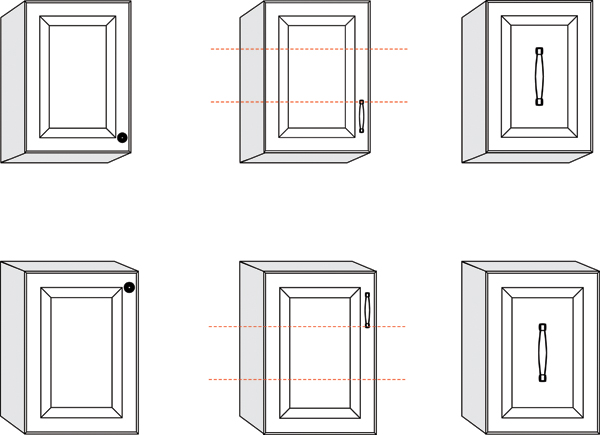
Start by measuring the exact spot for each handle or knob. Use a ruler or template for consistent placement. Mark the spots lightly with a pencil. Check alignment visually before drilling holes.
Handles should be level and evenly spaced. Knobs need to sit in the center of the door or drawer. Small errors in alignment can make cabinets look uneven and sloppy. Take your time to get it right.
Securing Hardware Properly
Choose screws that fit your hardware and cabinet thickness. Insert screws carefully to avoid stripping the holes. Tighten screws until hardware is snug but not too tight.
Loose hardware can wobble and cause damage. Over-tightening may crack wood or strip threads. Use a screwdriver for more control than a drill. Test the hardware by pulling gently once installed.
Common Installation Mistakes
Installing cabinet hardware might seem simple, but many make common mistakes. These errors affect the look and function of cabinets. Avoiding them saves time and effort.
Incorrect Placement
Hardware placed too high or too low looks odd. It can also make cabinets hard to open. Measure carefully before drilling holes. Use a template or guide for accuracy. Consistent placement gives a neat, professional look.
Loose Fittings
Loose screws cause handles to wobble or fall off. Tighten screws firmly but avoid over-tightening. Over-tightening can damage the hardware or cabinet. Check all fittings after installation to keep hardware secure.
Ignoring Cabinet Material
Different cabinet materials need different hardware types. Soft wood requires different screws than metal or MDF. Using wrong screws can crack or damage the surface. Choose hardware and screws designed for your cabinet material.

Credit: smart.dhgate.com
Maintaining Cabinet Hardware
Maintaining cabinet hardware helps keep your cabinets looking great. It also makes sure the handles and knobs work well for a long time. Regular care prevents damage and saves money on repairs. Small efforts can make a big difference in your kitchen or bathroom.
Cleaning Tips
Use a soft cloth to wipe cabinet hardware regularly. Avoid harsh chemicals that can ruin the finish. A mild soap with warm water works best. Dry the hardware fully to stop water spots. For stubborn dirt, use a soft brush gently.
Tightening And Adjustments
Check screws on handles and knobs every few months. Tighten any loose screws with a screwdriver. Loose hardware can cause damage or fall off. Adjust alignment if handles feel uneven or hard to use. Small fixes improve comfort and safety.
Frequently Asked Questions
When Is The Best Time To Install Cabinet Hardware?
Cabinet hardware is best installed after painting or staining cabinets. This prevents damage and ensures a clean finish. Install handles and knobs once cabinets are fully dry and cured.
Should Cabinet Hardware Be Installed Before Or After Cabinet Doors?
Install hardware after cabinet doors are hung to ensure proper alignment. This helps avoid drilling errors and makes adjustments easier during installation.
How Does Cabinet Hardware Installation Affect Kitchen Remodeling?
Installing hardware at the right time streamlines remodeling. It adds the final touch, enhancing cabinet aesthetics and functionality, improving overall kitchen appeal.
Can Cabinet Hardware Installation Be Done Diy?
Yes, cabinet hardware installation is a simple DIY task. With basic tools and careful measurements, most homeowners can install hardware accurately and efficiently.
Conclusion
Cabinet hardware is usually installed after cabinets are set in place. This step helps ensure proper alignment and function. Installing hardware too early can cause damage or misfit. Choosing the right time makes your project smoother and saves effort. Remember to check measurements before drilling holes.
A careful approach leads to a neat, professional look. Take your time and enjoy the process. Your cabinets will look great and work well for years. Simple steps like this improve your home’s style and usability.