Have you ever wondered what a fastener really is and why it’s so important in everyday things around you? Whether you’re fixing a loose chair, building a shelf, or just curious about how things hold together, understanding fasteners can make a big difference.
This simple but powerful tool is behind many of the objects you use daily, yet most people don’t know what it truly means. Keep reading, and you’ll discover exactly what a fastener is, why it matters to you, and how it plays a key role in making your world work smoothly.
Fastener Basics
Fasteners are small devices that hold things together. They are found in almost every product around us. Understanding fastener basics helps in choosing the right one for a job. This section explains what fasteners are and what they are made of.
Definition And Purpose
A fastener is a hardware device that joins two or more objects. It keeps parts in place securely. Fasteners can be temporary or permanent. Common examples include screws, bolts, and nails. They help build structures, furniture, and machines.
Common Materials
Fasteners come in many materials to fit different needs. Steel is the most common due to strength and durability. Stainless steel resists rust and corrosion, ideal for outdoor use. Brass offers good corrosion resistance and a neat look. Plastic fasteners are lightweight and resist chemicals but are less strong. The choice depends on the job’s environment and strength requirements.
Types Of Fasteners
Fasteners join two or more objects together. They hold parts in place securely. Different types of fasteners suit different tasks. Choosing the right fastener improves strength and safety.
Fasteners vary by design, use, and how they attach parts. Below are common fastener types and their features.
Mechanical Fasteners
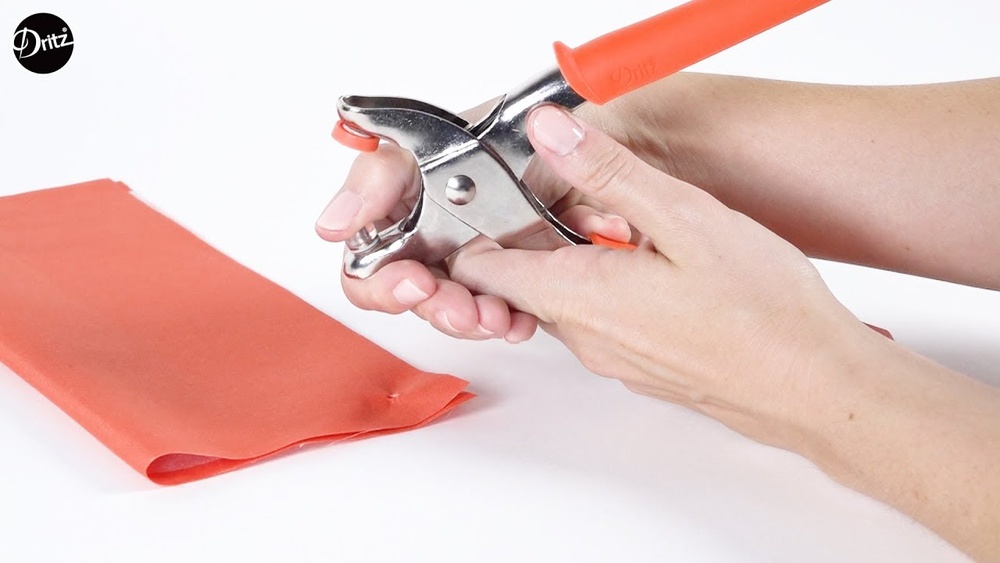
Mechanical fasteners physically hold materials using force or pressure. Examples include nails, staples, and clips. They do not require threading or glue. Mechanical fasteners are easy to install and remove. They work well for wood, fabric, and light metals.
Threaded Fasteners
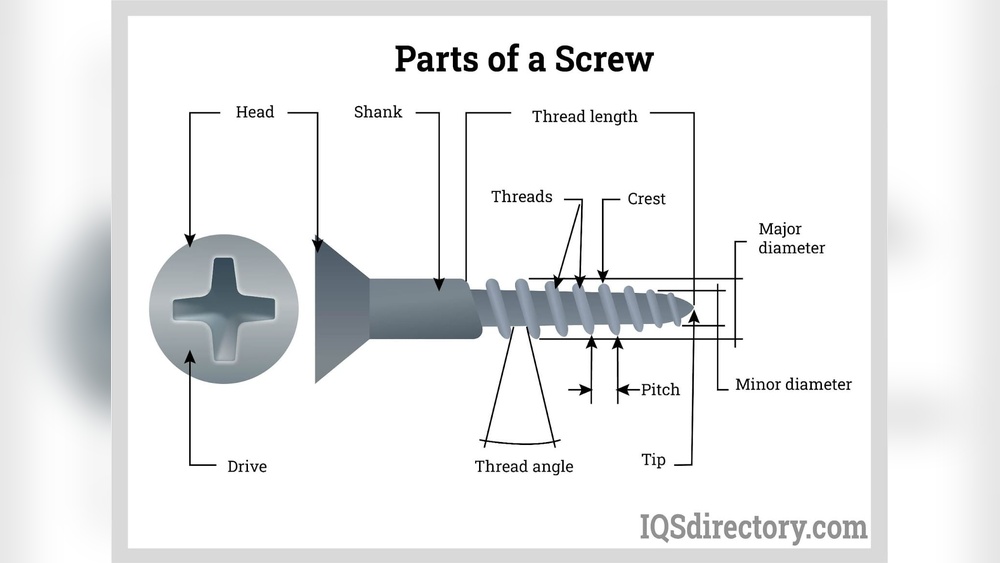
Threaded fasteners have spiraled ridges called threads. Screws and bolts are common examples. Threads grip materials tightly and resist loosening. These fasteners need matching nuts or threaded holes. They provide strong, adjustable joints for many uses.
Non-threaded fasteners do not have threads. Rivets and pins fall into this group. They join parts by deformation or friction. These fasteners often create permanent bonds. Non-threaded fasteners suit metal sheets and heavy-duty jobs.
Temporary Vs Permanent Fasteners
Temporary fasteners allow easy removal and reuse. Examples are screws and clips. Permanent fasteners stay fixed for long periods. Nails and rivets usually are permanent. The choice depends on repair needs and project type.
Threaded Fasteners Explained
Threaded fasteners are essential in many types of construction and repair work. These fasteners have spiral grooves called threads. Threads help the fastener hold parts tightly together. They create a strong connection that resists loosening and slipping. Understanding common types of threaded fasteners helps you choose the right one for your project.
Bolts And Screws
Bolts and screws look similar but serve different purposes. Bolts usually work with nuts to hold parts together. They need a nut to tighten properly. Screws, on the other hand, go directly into the material. They cut their own thread as they turn. Screws are great for wood, metal, and plastic. Both bolts and screws come in many sizes and thread types.
Nuts And Washers
Nuts are small metal blocks with a hole that matches bolt threads. They screw onto bolts to lock parts firmly. Washers are thin discs placed under nuts or bolt heads. They spread the load over a larger area. Washers protect surfaces from damage. They also help prevent nuts from loosening due to vibration.
Studs And Threaded Rods
Studs are threaded rods with no head. They have threads on both ends or along their length. One end screws into a part, and the other holds a nut. Threaded rods are long rods fully covered in threads. They work like bolts but offer more length. Both studs and rods join parts where bolts or screws won’t fit well.
Non-threaded Fasteners
Non-threaded fasteners join materials without using threads. They hold parts together by pressure, shape, or bonding. These fasteners are common in many industries and everyday items.
Rivets
Rivets are strong, permanent fasteners. They connect metal sheets or other materials tightly. A rivet passes through holes and is hammered to expand its end. This creates a solid bond that does not loosen easily.
Used in airplanes, bridges, and buildings. Rivets provide a safe and reliable hold.
Clips And Pins
Clips and pins are simple, reusable fasteners. They hold parts together by snapping or sliding into place. Clips often grip edges or grooves. Pins fit through aligned holes to keep parts joined.
Common in machinery, furniture, and vehicles. They allow quick assembly and disassembly.
Adhesive Fasteners
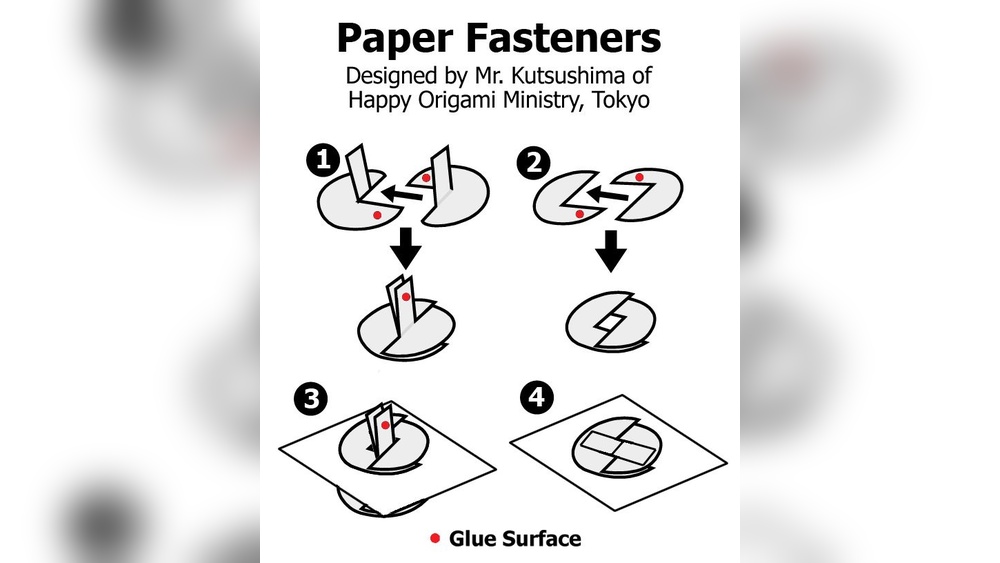
Adhesive fasteners use glue or tape to bond surfaces. They create a strong connection without holes or pressure. These fasteners work on many materials like plastic, metal, and wood.
Used in electronics, crafts, and automotive parts. Adhesive fasteners reduce weight and avoid damage to materials.
Fastener Materials And Coatings
Fasteners come in many materials and coatings. These choices affect strength, durability, and resistance to rust. Understanding the materials helps in selecting the right fastener for each job. Coatings add extra protection and improve performance in different environments.
Steel Variants
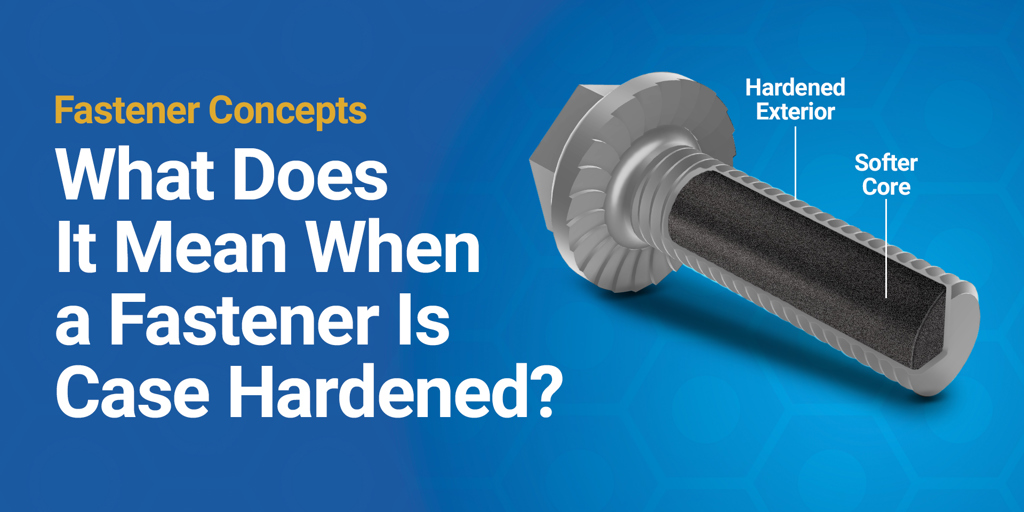
Steel is the most common fastener material. It offers high strength at a low cost. Carbon steel is popular for general use. Alloy steel has extra elements for better strength and toughness. Steel fasteners may rust if not coated or treated.
Stainless Steel Options
Stainless steel fasteners resist rust and corrosion well. They contain chromium, which forms a protective layer. Grades 304 and 316 are widely used. Grade 316 performs better in salty or wet conditions. Stainless steel is ideal for outdoor and marine use.
Aluminum And Brass
Aluminum fasteners are lightweight and resist corrosion. They are softer and less strong than steel. Brass fasteners look attractive and resist corrosion too. Brass is common in decorative and electrical uses. Both materials suit specific needs where weight or appearance matters.
Protective Coatings
Coatings protect fasteners from rust and wear. Zinc plating is common and inexpensive. It slows down corrosion but can wear off. Hot-dip galvanizing covers fasteners with thick zinc. It lasts longer outdoors. Other coatings include black oxide and phosphate, which improve corrosion resistance and lubricity.
Credit: www.earnestmachine.com
Choosing The Right Fastener
Choosing the right fastener is key to a strong and lasting connection. Fasteners come in many types, sizes, and materials. Picking the right one depends on different needs. This section helps you understand the main points for choosing the best fastener for your project.
Load And Strength Requirements
Fasteners must hold the weight and pressure of the materials joined. Check the load the fastener will carry. Use a strong fastener for heavy loads. For light loads, small fasteners work well. The strength of the fastener should match the task. Avoid weak fasteners for critical jobs. Metal type and fastener design affect strength.
Environmental Factors
Consider where the fastener will be used. Outdoor fasteners face rain, sun, and wind. Choose rust-resistant materials like stainless steel. Indoor fasteners may not need special coatings. Hot or cold places need fasteners that tolerate temperature changes. Chemicals or water exposure also affect fastener choice. Match the fastener material to the environment.
Application Specifics
Each project has unique needs. Wood, metal, and plastic require different fasteners. Some tasks need fasteners that are easy to remove. Others need permanent fixing. The size and shape of parts affect fastener choice. Special tools may be needed for some fasteners. Think about the project’s details before selecting a fastener.
Installation Techniques
Installation techniques are key to using fasteners correctly. Proper installation ensures strong, lasting connections. It also prevents damage and safety issues. Understanding tools, torque, and safety helps complete fastener jobs smoothly.
Tools And Equipment
Choose the right tools for the fastener type. Screwdrivers, wrenches, and drills are common tools. Power tools speed up the process. Use quality tools to avoid stripping or breaking fasteners. Keep tools clean and in good condition.
Torque And Tightening
Tighten fasteners to the correct torque. Too loose causes weak joints. Too tight can damage parts or fasteners. Use a torque wrench for accuracy. Follow manufacturer torque specifications carefully. Proper tightening extends the life of the fastener.
Safety Tips
Wear safety glasses to protect your eyes. Gloves help prevent cuts and blisters. Work in a clean, well-lit area to avoid accidents. Keep fingers clear of moving parts. Inspect tools and fasteners before use to ensure safety.

Credit: en.wikipedia.org
Common Fastener Applications
Fasteners play a key role in many industries. They join parts securely and keep structures stable. Their use spans from large buildings to small gadgets. Understanding common fastener applications helps see their importance in daily life.
Construction Industry
Fasteners hold beams, walls, and roofs in place. Nails, screws, and bolts are common here. They ensure buildings stand strong and safe. Without fasteners, construction would be slow and risky.
Automotive Uses
Cars depend on fasteners for many parts. They attach engines, seats, and panels tightly. Fasteners help vehicles handle vibrations and shocks. They keep drivers and passengers secure.
Electronics And Appliances
Small screws and clips fasten circuit boards and covers. They make repair and assembly easier. Fasteners in electronics prevent parts from moving or breaking. They support the device’s function and safety.
Furniture Assembly
Fasteners connect wood, metal, and plastic pieces in furniture. Screws and bolts allow quick setup and strong joints. They help furniture last longer and stay stable. Fasteners also enable easy disassembly for moving.
Troubleshooting Fastener Issues
Troubleshooting fastener issues is key to keeping structures safe and strong. Fasteners hold parts together. Problems with them can cause breakdowns or accidents. Knowing common issues helps fix them fast.
Corrosion Problems
Corrosion eats away at metal fasteners. Rust weakens them and makes them unsafe. Moisture and salt cause most corrosion. Check fasteners regularly for rust spots. Use corrosion-resistant materials for wet places. Clean and dry fasteners to prevent rust.
Loosening And Failure
Fasteners can loosen over time due to vibration or pressure. Loose fasteners cause parts to move or fall apart. Tighten fasteners properly using the right tools. Use lock washers or thread-locking fluid to keep them tight. Replace fasteners that show signs of damage or bending.
Replacement Guidelines
Replace fasteners when damaged or corroded. Match new fasteners to the original size and type. Use high-quality fasteners for better strength. Follow manufacturer guidelines during replacement. Check fasteners regularly to avoid future issues. Proper replacement ensures safety and durability.

Credit: allpointsfasteners.com
Frequently Asked Questions
What Does Fastener Mean In Construction?
A fastener is a hardware device that mechanically joins or affixes two or more objects. It ensures structural stability and integrity.
What Are Common Types Of Fasteners?
Common fasteners include screws, bolts, nuts, nails, and rivets. Each type serves specific purposes in various applications.
Why Are Fasteners Important In Manufacturing?
Fasteners hold parts together securely, enabling assembly and maintenance. They provide strength and flexibility in manufacturing processes.
How Do Fasteners Differ From Adhesives?
Fasteners create mechanical bonds, while adhesives use chemical bonds. Fasteners allow for disassembly; adhesives usually do not.
Conclusion
Fasteners hold parts together in many objects around us. They come in different shapes and sizes for various tasks. Knowing what a fastener means helps you understand building and fixing things. Simple tools like screws and bolts make strong connections.
Using the right fastener keeps things safe and stable. Next time you see a machine or furniture, notice the fasteners inside. They play a small but important role every day. Understanding fasteners can make your work easier and better.