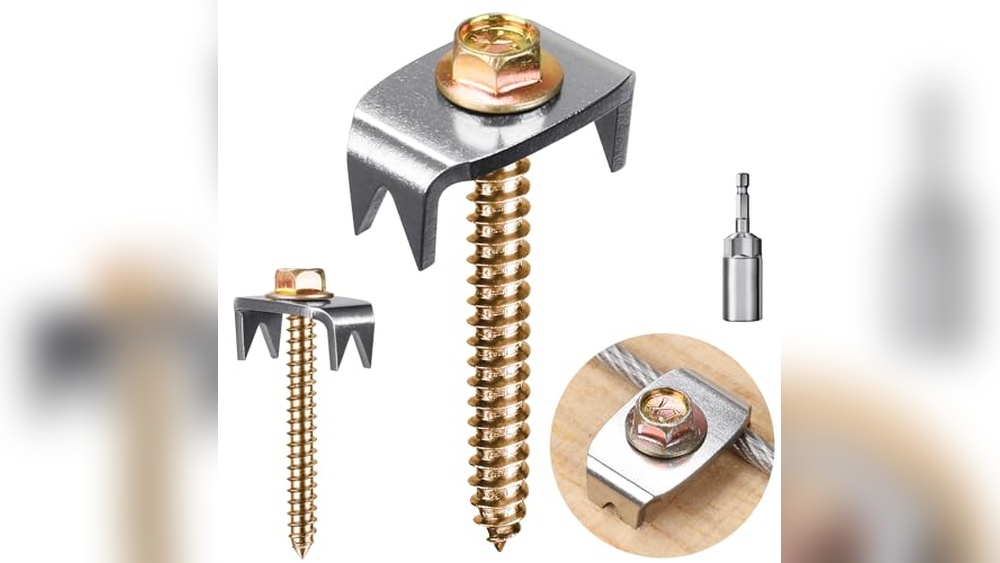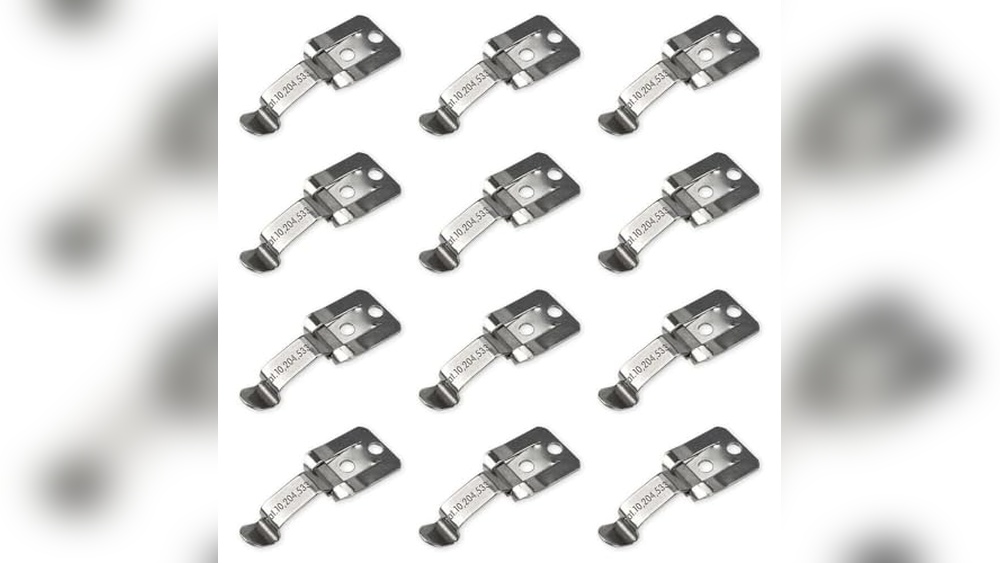
Have you ever wondered what pin fasteners look like and how they work? If you’ve ever struggled with keeping papers, fabric, or small items together, understanding pin fasteners can make a big difference for you.
These tiny tools might seem simple, but their design is clever and practical. By the end of this article, you’ll easily recognize different types of pin fasteners and know exactly which one fits your needs. Keep reading, and you’ll never look at pins the same way again!
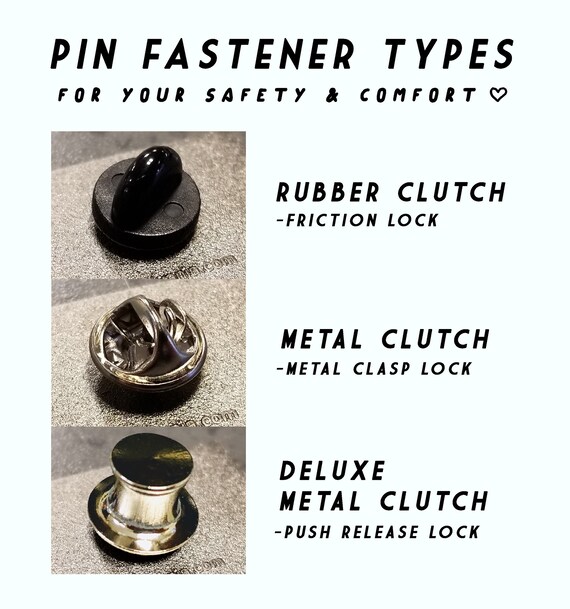
Credit: www.etsy.com
Types Of Pin Fasteners
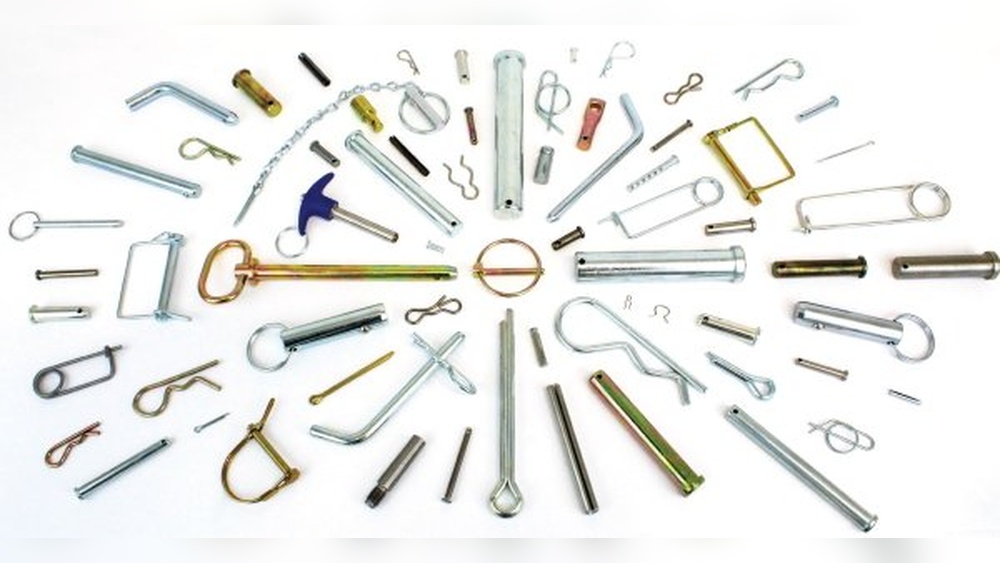
Pin fasteners come in many shapes and sizes. Each type serves a special purpose. They help hold parts together securely. Here are some common types of pin fasteners and what they look like.
Cotter Pins
Cotter pins are simple metal pins with two prongs. The prongs bend outward after insertion. This bending locks the pin in place. They often look like a small, split nail.
Split Pins
Split pins are very similar to cotter pins. They have a split end that spreads apart. This prevents the pin from slipping out. Split pins are usually made of stainless steel.
Hairpin Clips
Hairpin clips look like a bent wire shaped like a hairpin. They snap into place easily. The curved design holds parts tightly. Hairpin clips are often used in machinery and automotive parts.
Safety Pins
Safety pins are common household pins with a clasp and spring. They have a sharp point that folds into a protective cover. This design keeps users safe from injury. Safety pins are versatile and reusable.
R-clip Pins
R-clip pins have a looped end shaped like the letter “R.” They slide over a shaft or pin to hold it firmly. The curved part keeps the clip locked in place. R-clips are popular in farming and mechanical equipment.
Materials Used In Pin Fasteners
Pin fasteners come in various materials. Each material suits different needs and uses. The choice depends on strength, appearance, and resistance to rust or corrosion. Some materials are best for heavy-duty use. Others work well for decorative or light tasks.
Steel Pins
Steel pins are very strong and durable. They hold items tightly in place. These pins resist bending and breaking easily. Steel is common in construction and industrial uses. They often have a simple, shiny silver look.
Stainless Steel Variants
Stainless steel pins resist rust and corrosion. They keep their shine even in wet conditions. These pins last longer outdoors or in humid places. Stainless steel is popular for medical and food industries. They combine strength with a clean, bright look.
Brass And Copper Options
Brass and copper pins have a warm, golden color. They resist rust but can tarnish over time. These pins add a decorative touch to crafts and jewelry. Brass is softer than steel but still strong. Copper pins also offer good electrical conductivity.
Plastic Pin Fasteners
Plastic pins are lightweight and flexible. They come in many colors and shapes. These pins do not rust or corrode. Plastic fasteners work well for temporary or low-stress tasks. They are safe to use on delicate materials.
Common Shapes And Sizes
Pin fasteners come in various shapes and sizes. Each type serves a different purpose in holding materials together. Knowing the common shapes and sizes helps choose the right pin for your project.
Straight Pins
Straight pins are the most common type. They have a simple, straight metal shaft with a sharp point. These pins are easy to use and work well for general fastening tasks. They often have a small head made of plastic or metal for easy handling.
Curved And Bent Pins
Curved and bent pins have a slight curve or bend along the shaft. This shape provides extra grip and prevents slipping. These pins are useful in sewing or crafts where materials might shift. They hold layers tightly without damaging the fabric or paper.
Different Lengths And Diameters
Pin fasteners come in many lengths and thicknesses. Short pins suit thin materials and delicate projects. Longer pins work better for thick or multiple layers. Diameter varies too; thin pins avoid holes in fine fabrics, while thicker pins offer strength for heavy materials.
Color And Finish Variations
Pin fasteners come in many colors and finishes. These options help them blend with different materials. They also protect the fasteners from damage. Choosing the right color and finish can improve both look and durability.
Plated Finishes
Plated finishes cover pin fasteners with a thin metal layer. Common types include nickel, chrome, and zinc. These finishes give a shiny or matte look. They also protect against rust and wear. Plated pins last longer in tough conditions.
Colored Coatings
Colored coatings add style and function to pin fasteners. They come in black, white, gold, and other shades. These coatings help pins match fabrics or metal parts. Some coatings also stop scratches and corrosion. Color options make pins more useful and attractive.
Rust-resistant Options
Rust-resistant pin fasteners suit outdoor and moist places. Stainless steel and brass are popular rust-proof materials. These pins keep their strength and look over time. Rust resistance means less maintenance and longer use. Ideal for projects exposed to water or weather.
Typical Uses And Applications
Pin fasteners hold parts together in many ways. They are small but strong. Their design fits different needs. Many industries use them for secure and quick connections. Here are some common areas where pin fasteners play a key role.
Automotive Uses
Pin fasteners keep car parts in place. They secure panels, doors, and seats. Their strength helps withstand vibrations. Mechanics use them for easy repairs. These pins allow quick assembly and disassembly. Safety depends on reliable fasteners in vehicles.
Construction And Hardware
Builders use pin fasteners to join materials. They hold beams, frames, and fixtures firmly. Pins make structures stable and safe. Hardware tools often include pin fasteners. These pins simplify setting up and taking down parts. Their durability suits tough environments.
Crafts And Diy Projects
Craft lovers use pin fasteners for small builds. They attach pieces neatly and securely. Pins help in creating models and decorations. DIY projects benefit from their easy use. These fasteners save time and effort. They provide a clean, finished look.

Credit: www.essentracomponents.com
Tips For Identifying Pin Fasteners
Pin fasteners come in many shapes and sizes. Identifying them correctly helps in choosing the right one for your project. Use simple tips to spot different types of pin fasteners easily.
Visual Inspection Techniques
Look closely at the pin’s shape and size. Notice if it has a head, a groove, or a spring. Check for color and material, like steel or brass. These clues help tell one pin apart from another.
Observe the end of the pin. Some have pointed tips, others flat. The surface may be smooth or ridged. These details reveal the pin’s purpose and type.
Using Measurement Tools
Use a ruler or caliper to measure length and diameter. Accurate measurements help match pins to the right hole or slot. Measure the head size too, if it has one.
Keep notes of the sizes for quick comparison. Small differences in size can change how the pin fits and works.
Matching Pins To Their Functions
Think about where the pin will be used. Some pins hold parts together tightly. Others allow movement or easy removal.
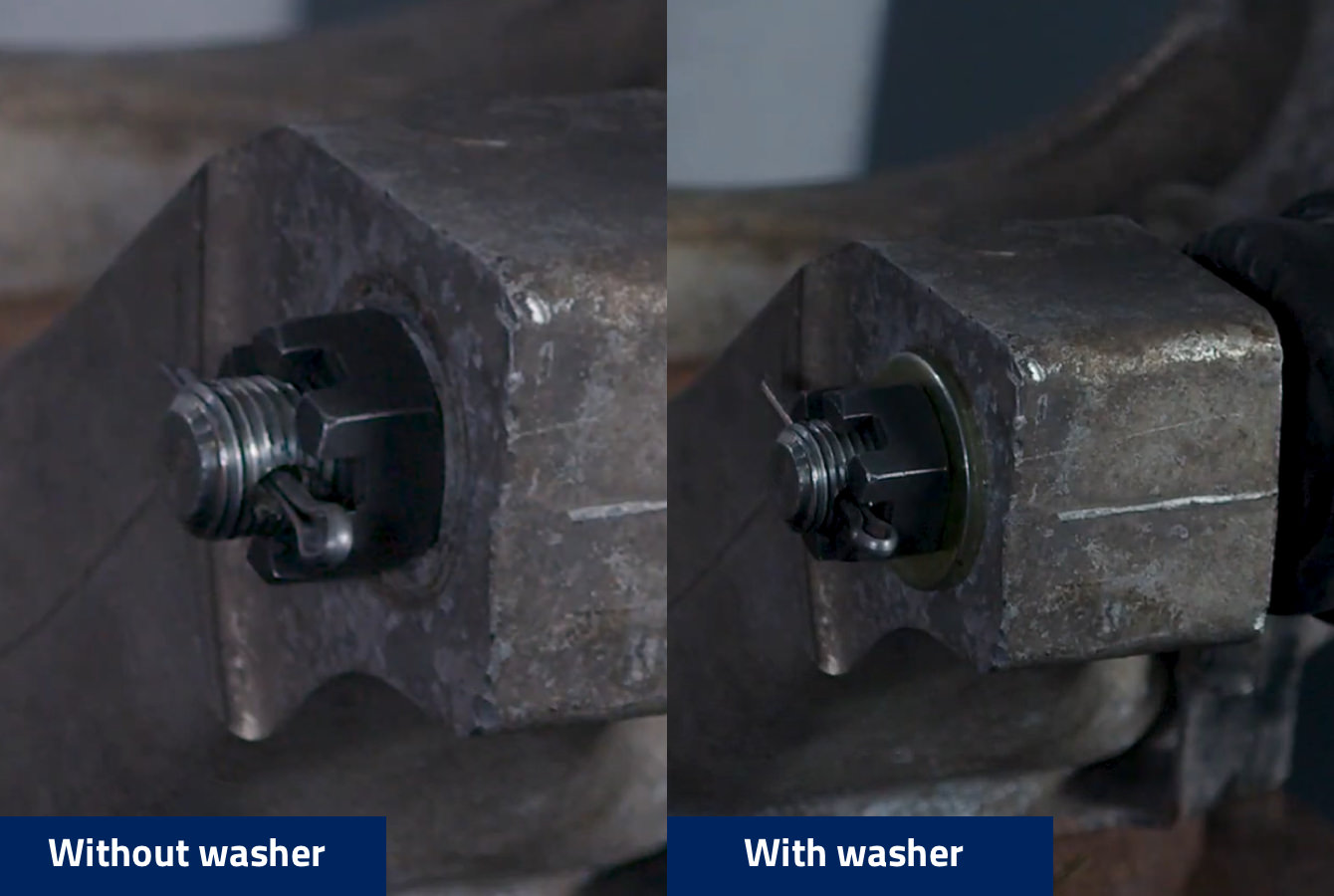
Match the pin’s features to its job. For example, cotter pins lock parts, while spring pins absorb shock. Knowing the function helps pick the best pin type.
Credit: www.moogparts.com
Frequently Asked Questions
What Do Pin Fasteners Typically Look Like?
Pin fasteners usually resemble small metal pins with a sharp point. They often have a round or flat head for easy handling and secure attachment. Some designs include clasps or locking mechanisms to keep items firmly in place.
How Can I Identify Different Types Of Pin Fasteners?
Look for variations in shape, size, and locking features. Common types include safety pins, cotter pins, and push pins. Each has distinct characteristics suited for specific uses, such as fastening fabric or securing mechanical parts.
Are Pin Fasteners Visible When Used In Clothing?
Most pin fasteners are designed to be discreet but may be slightly visible. Safety pins, for example, show a small metal outline. However, they are often hidden under fabric layers or within seams for a neat appearance.
What Materials Are Pin Fasteners Made From?
Pin fasteners are commonly made from stainless steel, brass, or plastic. Metal pins offer durability and strength, while plastic versions provide lightweight options. Material choice depends on the application and required resistance to corrosion or wear.
Conclusion
Pin fasteners come in many shapes and sizes. They often have sharp points and small heads. Some look like simple straight pins, while others have clips or springs. These fasteners hold materials together tightly and securely. Knowing their appearance helps you choose the right type.
Pins work well for fabrics, papers, and light materials. They are easy to use and remove. Understanding what pin fasteners look like makes your projects easier. Keep their basic shapes in mind for quick identification. Simple tools with big uses.